how often to water new sod | how long to water new sod
TL;DR: A Simple New Sod Watering Plan That Helps Roots Take Hold
- Water new sod immediately after installation, then keep the sod and soil beneath it consistently moist during the first 7 to 14 days.
- During the first week, most lawns need several shorter watering cycles each day, especially in full sun, wind, dry air, or near pavement.
- Do not rely on a universal number of minutes. Check moisture beneath the sod to confirm water is reaching the soil below.
- Once the sod starts resisting a gentle tug, gradually water less often and more deeply to encourage roots to grow downward.
- Watch for curled seams, dry edges, dull blue-gray turf, and dry soil beneath the sod, which can signal underwatering.
- Avoid standing water, muddy footprints, runoff, and soft shifting sod, which can indicate overwatering or poor drainage.
- New sod near driveways, sidewalks, decorative rock, and south-facing walls often needs closer monitoring because heat can dry it faster.
- If sprinkler coverage is uneven, an irrigation adjustment can protect your investment before dry spots or sod failure become expensive.

If you are asking how often to water new sod, you are focused on the most important part of helping your new lawn establish successfully. For homeowners, property managers, and commercial property owners in Delta and Ridgway, Colorado, new sod needs more than occasional sprinkler time. It needs a consistent watering plan that accounts for heat, wind, sun exposure, soil conditions, sprinkler coverage, and how quickly the sod begins rooting into the ground.
The goal is simple: keep the sod and the soil beneath it moist enough for roots to establish, without creating muddy conditions, runoff, or shallow roots. This guide explains how long to water new sod, how often to water it through each stage of establishment, and how to recognize when your lawn needs an adjustment.
“New sod does not need guesswork. It needs consistent moisture, even coverage, and a gradual transition from frequent watering to deep root development.”
Alpine Property Services lawn care guidance

How Often Should You Water New Sod?
New sod needs frequent attention at first because its roots have not yet grown into the soil below. The grass may look healthy on top while the soil underneath is already drying out. That is why checking the sod and soil is more reliable than simply setting a timer and walking away.
The First 7 to 14 Days
During the first week, your priority is keeping the sod consistently moist. In warm, dry, or windy conditions, that often means watering two to four times per day in shorter cycles.
The exact frequency depends on your property. A shaded lawn may hold moisture longer than a south-facing lawn near a driveway or rock bed. A new sod installation in Delta may dry quickly during hot afternoons, while a cooler or more shaded property in Ridgway may need less frequent watering.
Start by watering early in the morning. Add a shorter midday cycle when the sod is exposed to intense sun, wind, or heat. A brief late-afternoon cycle can help during unusually dry conditions, but avoid consistently watering late at night because wet turf that stays damp overnight can create unnecessary disease pressure.
Your goal is moist sod and moist soil below it, not standing water.
Weeks Two Through Four
By the second week, begin checking whether the sod is rooting. Lift a corner gently or give a small section a light tug. If it pulls up easily, roots are still developing and the lawn needs continued close attention.
Once the sod starts resisting that tug, you can begin reducing watering frequency while increasing the depth of each cycle. This encourages roots to move down into the soil instead of staying near the surface.
At this stage, many properties transition from several short daily cycles to one longer daily watering, then gradually move toward deeper watering every other day or a few times per week. The timing depends on actual moisture, weather, slope, soil type, and irrigation performance.
After the Sod Is Established
Once the sod is rooted and growing normally, you can shift to a regular lawn watering schedule. Established turf generally performs better with deeper, less frequent watering than with daily shallow watering.
The key is to avoid making a permanent habit out of the early new sod schedule. Frequent shallow watering can create shallow roots, which make the lawn less resilient during dry weather.
For help transitioning a new lawn into an ongoing maintenance plan, Alpine Property Services offers landscaping services for residential, commercial, and managed properties throughout the region.

How Long Should You Water New Sod Each Time?
There is no one exact answer to how long to water new sod because every irrigation system delivers water differently.
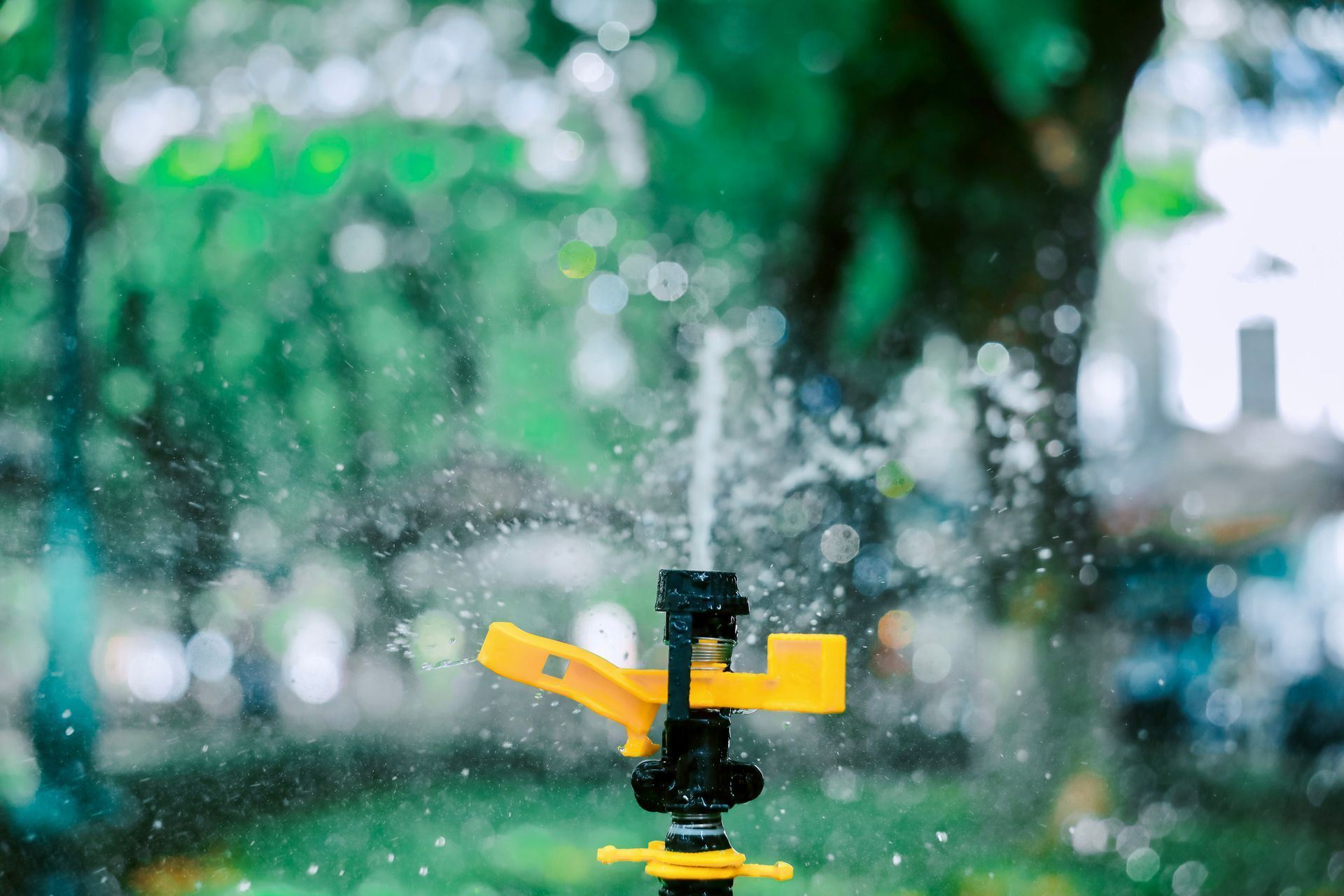
A spray head may apply water quickly in a small area. Rotor heads often cover larger areas more slowly. Water pressure, soil texture, slope, sun exposure, and sprinkler spacing also affect run time.
That is why a fixed “water for 15 minutes” rule may work for one yard and fail for another.
Use the Soil-Depth Test
The best way to determine whether your sod is getting enough water is to check below the turf.
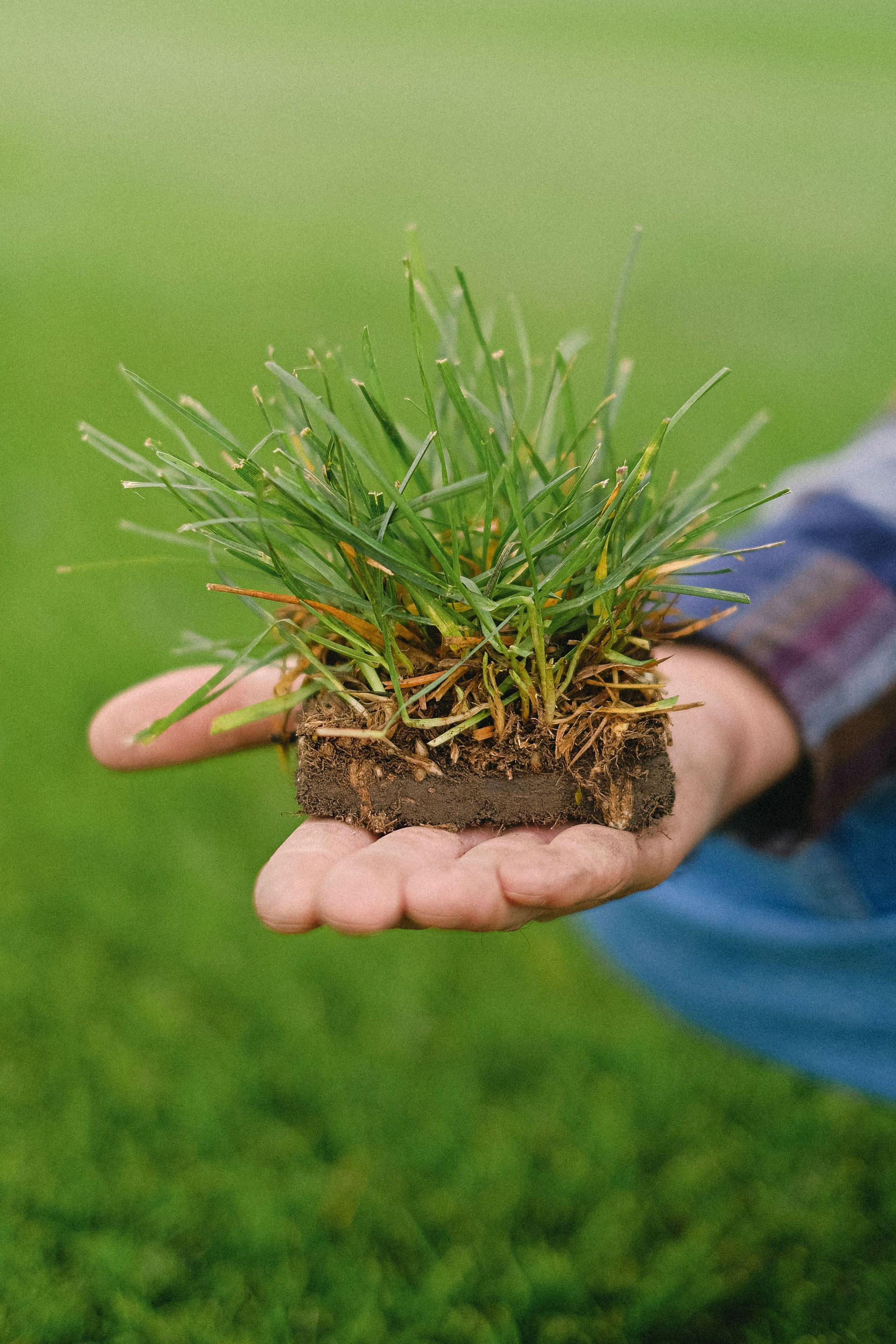
Carefully lift a corner or edge of sod in an inconspicuous spot. The soil beneath should be damp several inches down. If the sod is wet on top but the soil below is dry, your irrigation cycle is too short or coverage is uneven.
If the soil is muddy, water is pooling, or the sod shifts underfoot, you may be watering too long or too often.
This simple check is especially important during the first two weeks because sod edges and corners often dry out faster than the center of the lawn.
Test Your Irrigation Coverage
A catch-can test can reveal whether some zones are receiving more water than others. Place several shallow containers around the lawn, run the sprinklers for a set amount of time, then compare how much water each container collected.
This can help identify weak heads, missed corners, overspray, low pressure, or zones that need adjustment. Uneven irrigation is one of the most common reasons new sod develops dry patches even when the property owner believes it is being watered consistently.
Alpine Property Services can inspect and adjust irrigation systems to help ensure water is reaching the lawn instead of pavement, walkways, rock beds, or building walls.
A New Sod Watering Schedule by Week
Every lawn needs adjustments, but this general timeline provides a practical starting point.
Day of Installation
Water new sod as soon as installation is complete. The goal is to settle the sod against the soil and begin hydrating the root zone.
Pay special attention to seams, edges, corners, and areas near concrete, asphalt, decorative rock, or retaining walls. These areas can lose moisture faster than open turf.
Avoid walking on the sod except when necessary to inspect it.

Week One: Keep the Lawn Consistently Moist
During the first week, inspect the sod daily. In hot or windy weather, inspect it more than once per day.
Water early in the morning, then add shorter cycles as needed to prevent drying. The lawn should feel moist and flexible, not brittle, curled, or dry at the seams.
Alpine Property Services has seen newly installed sod begin to separate at the seams within a few days when one sprinkler zone failed to reach the far edge of the lawn. The rest of the lawn looked green, but the missed strip began shrinking and browning. A small irrigation adjustment prevented a larger replacement issue.
Week Two: Begin Watching for Root Development
During week two, continue keeping the lawn moist, but begin testing for resistance when you gently tug on a corner. The sod should start anchoring itself to the soil.
You may be able to reduce some short watering cycles if the lawn is holding moisture and rooting properly. However, do not reduce watering simply because the grass looks green. Check the soil beneath the sod first.
Weeks Three and Four: Water Deeper and Less Often
Once the sod is rooted, begin extending the watering cycles so moisture reaches deeper into the soil. At the same time, reduce how often you water.
This is the transition from “keep it alive” watering to “build a durable lawn” watering. A lawn that receives deeper watering develops stronger roots and is better prepared for Colorado heat, dry air, traffic, and seasonal changes.
Weeks Five Through Eight: Shift Into Normal Lawn Care
By this point, the sod should be rooted well enough to enter a normal maintenance routine. Continue adjusting based on weather and rainfall.
You can also begin planning for regular mowing, weed control, irrigation inspections, and seasonal turf care. A healthy lawn does not stop needing attention once the sod is established. It simply needs a different type of care.
How to Tell if New Sod Needs More Water
New sod often gives you warning signs before it fails.
Dry Edges and Visible Seams
Sod that begins curling, shrinking, or pulling apart at seams is often drying out. Edges near pavement, fences, and walls are especially vulnerable.
Check beneath the turf before adding more water. If the soil is dry, increase coverage or frequency for that zone.
Dull or Blue-Gray Grass
Healthy sod should generally look green and flexible. If the grass takes on a dull, gray-green, or bluish tone, it may be stressed by lack of moisture.
Do not assume every color change means more water is the answer. Inspect the soil and sprinkler pattern first.
Dry Soil Beneath Green Grass
This is one of the most common new sod issues. The turf can remain green for a short time even though the soil below is drying out.
Lift a small edge and check the moisture underneath. If the ground is dry, roots cannot establish correctly.
Signs You May Be Overwatering New Sod
Overwatering can damage sod just as easily as underwatering.
Standing Water and Runoff
Puddles, runoff, and water flowing onto sidewalks or driveways indicate that the soil is not absorbing water fast enough or the irrigation cycle is too long.
This can waste water, compact soil, and create issues near paved surfaces. It can also contribute to damage around driveways and parking areas, particularly where water repeatedly runs across asphalt.
Soft, Shifting Sod
New sod should be moist, but it should not feel unstable underfoot. If it slides, sinks, or feels overly soft, the soil may be saturated.
Sod needs moisture, but roots also need oxygen. Constantly wet soil can slow establishment.
Fungus or Weak Rooting
When turf remains wet for long periods, especially overnight, it can develop discoloration, weak growth, and disease pressure. If sod is not rooting despite frequent watering, poor drainage, soil compaction, or overwatering may be part of the problem.
Why New Sod Fails Even When It Is Watered
Watering alone does not guarantee success.
Uneven Sprinkler Coverage
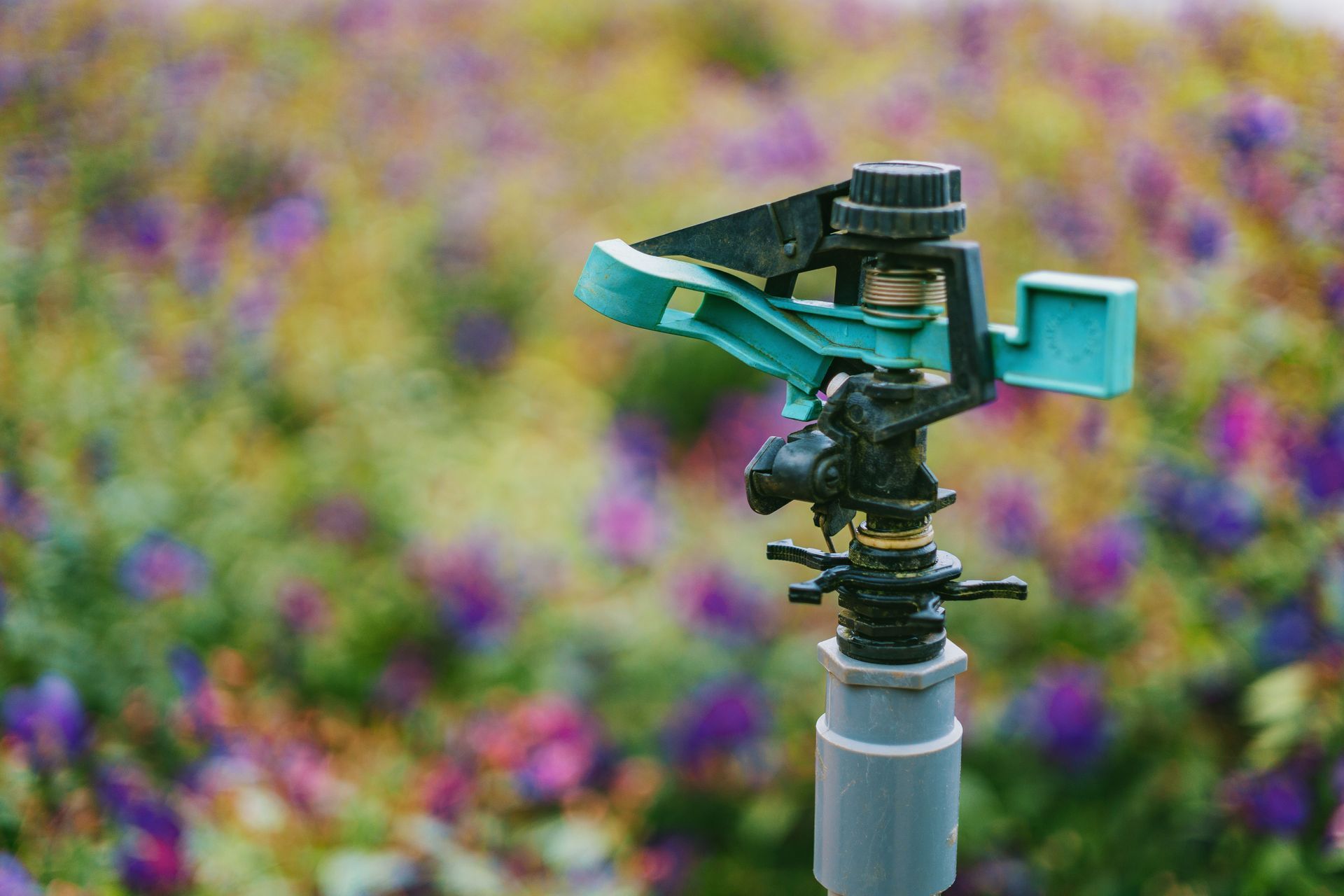
Broken heads, poor head spacing, low water pressure, clogged nozzles, and missed corners can leave parts of the lawn dry.
A lawn may look mostly healthy while narrow strips or edges fail. This is why irrigation inspection is valuable before and after sod installation.
Poor Soil Preparation
New sod needs good soil contact. Compacted soil, uneven grade, rocks, debris, or poor preparation can prevent roots from growing properly.
If water runs off quickly or pools in certain areas, the site may need drainage or grading attention before new sod can thrive.
Heat From Asphalt, Rock, and Concrete
Sod near driveways, sidewalks, parking areas, and dark decorative rock can dry faster due to reflected heat. These zones may need separate irrigation attention or a different landscape solution.
For commercial properties, turf near pavement should also be considered alongside asphalt maintenance and drainage planning so water does not create runoff problems around curbs, lot edges, or sidewalks.
When Can You Mow New Sod?
Wait until the sod is rooted before mowing. A gentle tug test is a good indicator. If the sod still lifts easily, mowing can shift pieces or damage developing roots.
When you do mow, keep the mower height higher than normal for the first few cuts. Use sharp blades, avoid cutting too much at once, and do not mow when the soil is soggy.
A professional maintenance plan can help you time mowing, irrigation, turf care, and seasonal cleanup without stressing a newly established lawn.
Final Thoughts: How Often to Water New Sod and How Long to Water New Sod
The answer to how often to water new sod depends on the conditions of your property, but the basic strategy remains consistent. Keep the sod and soil beneath it moist during the first one to two weeks, then gradually transition to deeper and less frequent watering as roots develop.
For properties in Delta and Ridgway with weak sprinkler coverage, recurring dry spots, drainage issues, or new sod that is not rooting correctly, Alpine Property Services can help evaluate the site and build a practical plan for irrigation, lawn care, and long-term property maintenance. Contact the team through the Contact page or request a callback to schedule an estimate.