What Caring for Grass Lawns Really Means
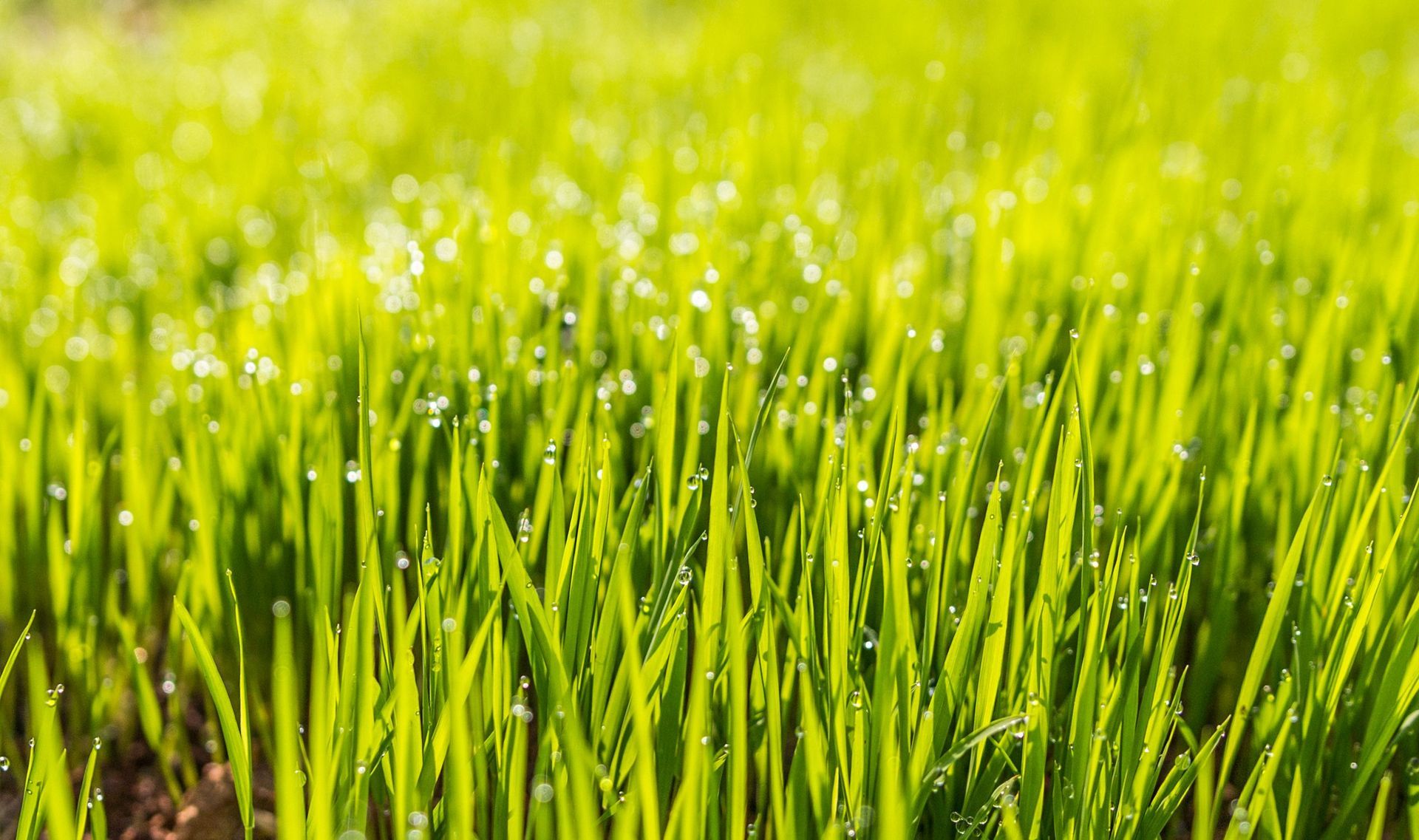
Caring for grass lawns means maintaining both appearance and turf health. Lawn maintenance keeps the property looking clean through mowing, trimming, edging, and cleanup. Lawn care goes deeper and includes watering, weed control, soil support, aeration, fertilization planning, irrigation performance, and lawn repair.
A lawn can be freshly mowed and still be unhealthy. If the grass is thin, the edges are messy, weeds are spreading, and sprinkler coverage is uneven, mowing alone will not solve the problem.
Alpine Property Services often sees this on properties where the owner thinks the lawn “just needs cut.” Once the crew looks closer, the real issues may be dry sprinkler zones, weak turf near pavement, weeds along paver edges, or compacted soil where people constantly walk. The mower improves the surface, but the lawn care plan fixes the pattern.
Do: Mow at the Right Height
Proper mowing is one of the simplest ways to improve lawn health. Cutting grass at the right height helps protect the soil, support stronger roots, and reduce stress during heat.
Utah State University Extension notes that mowing is one of the easiest ways to improve a lawn’s appearance and says proper mowing helps control weeds, increase turf density, and maintain healthy plants.
Don’t: Scalp the Lawn
Scalping means mowing too short. It may look clean for a moment, but it weakens the lawn. Short turf exposes soil, increases heat stress, encourages weeds, and reduces the grass plant’s ability to recover.
Many property owners mow short because they want to mow less often. The problem is that short grass usually creates more problems later. A stressed lawn grows unevenly, dries faster, and becomes more vulnerable to weeds.
A better approach is to mow consistently and avoid removing too much at once.
Do: Water Deeply and Pay Attention to Coverage
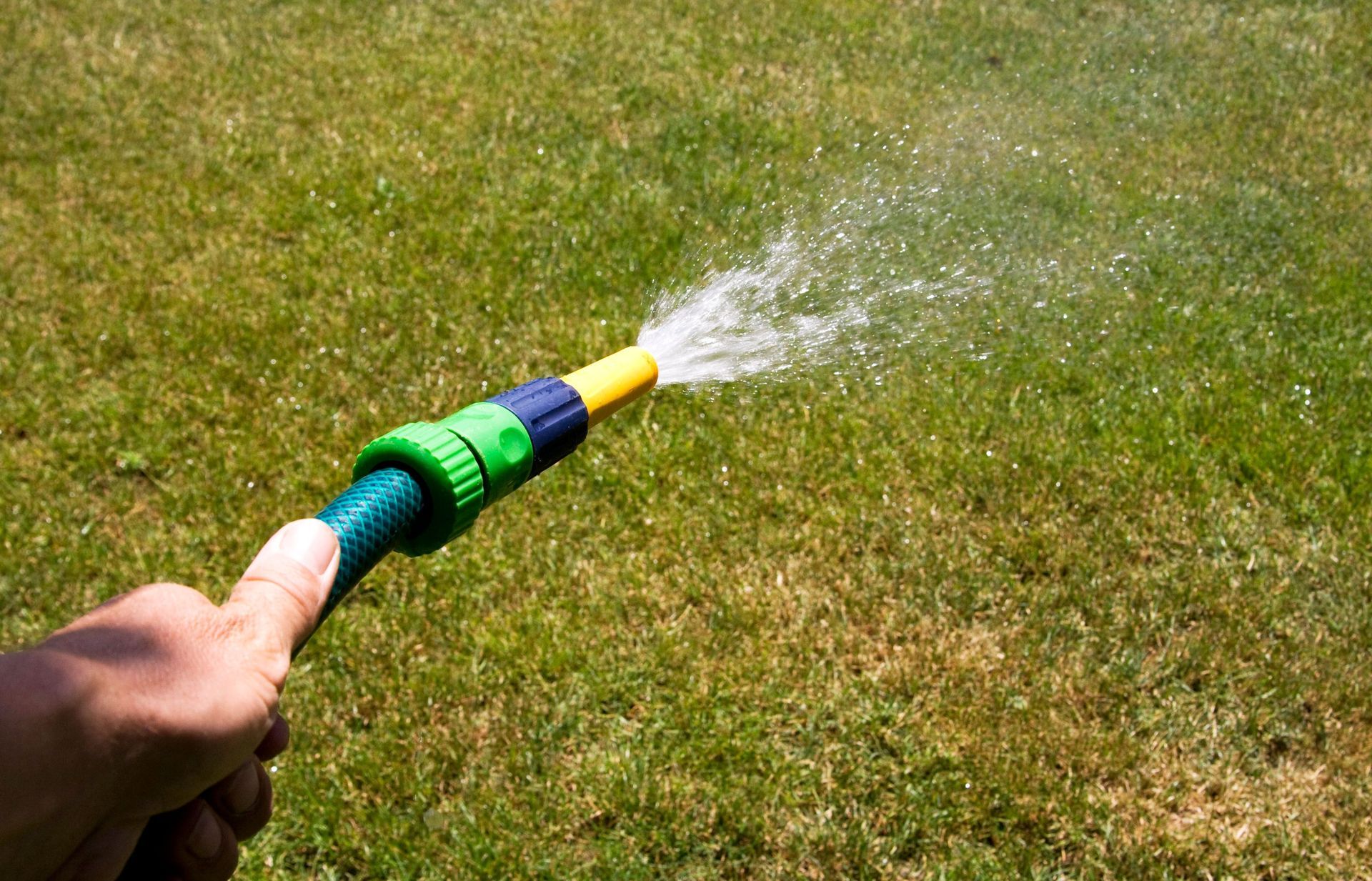
Watering is one of the most misunderstood parts of lawn care. Your lawn does not simply need water. It needs the right amount of water in the right places at the right time.
The University of New Hampshire Extension explains that watering in the early morning reduces evaporation and water loss, and that deeper watering helps grass roots grow farther into the soil.
Don’t: Water Shallow Every Day
Frequent shallow watering can create shallow roots, encourage weeds, waste water, and leave the lawn less prepared for hot weather. It can also create soggy areas if the sprinkler system is overwatering one zone.
Watch for warning signs like water running across sidewalks, dry strips near driveways, soggy low areas, or grass that turns brown even though the system is running.
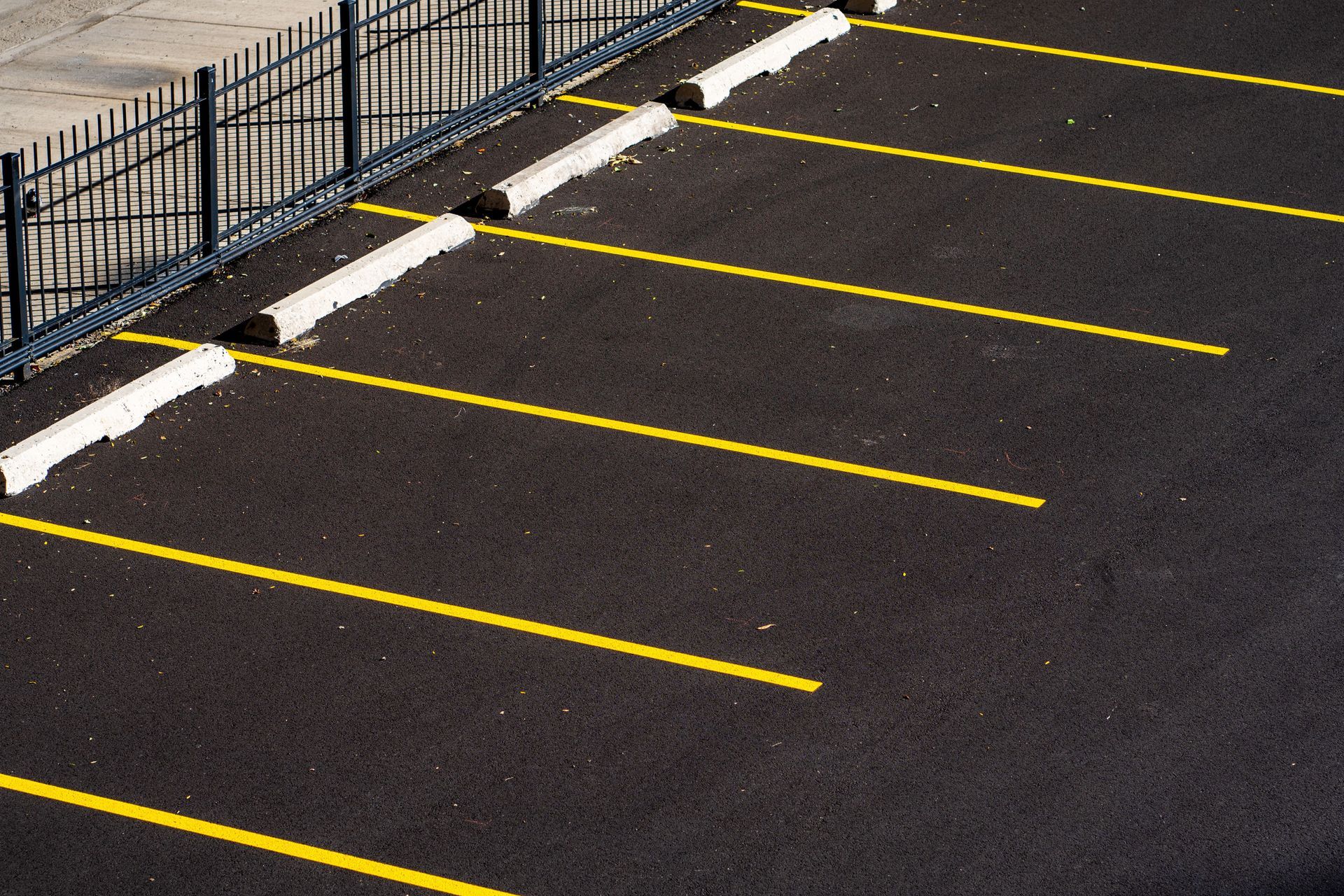
Poor irrigation often shows up near pavers, patios, rock beds, and asphalt because hard surfaces hold heat and change how water moves across the property.
Do: Inspect Irrigation Before the Lawn Fails
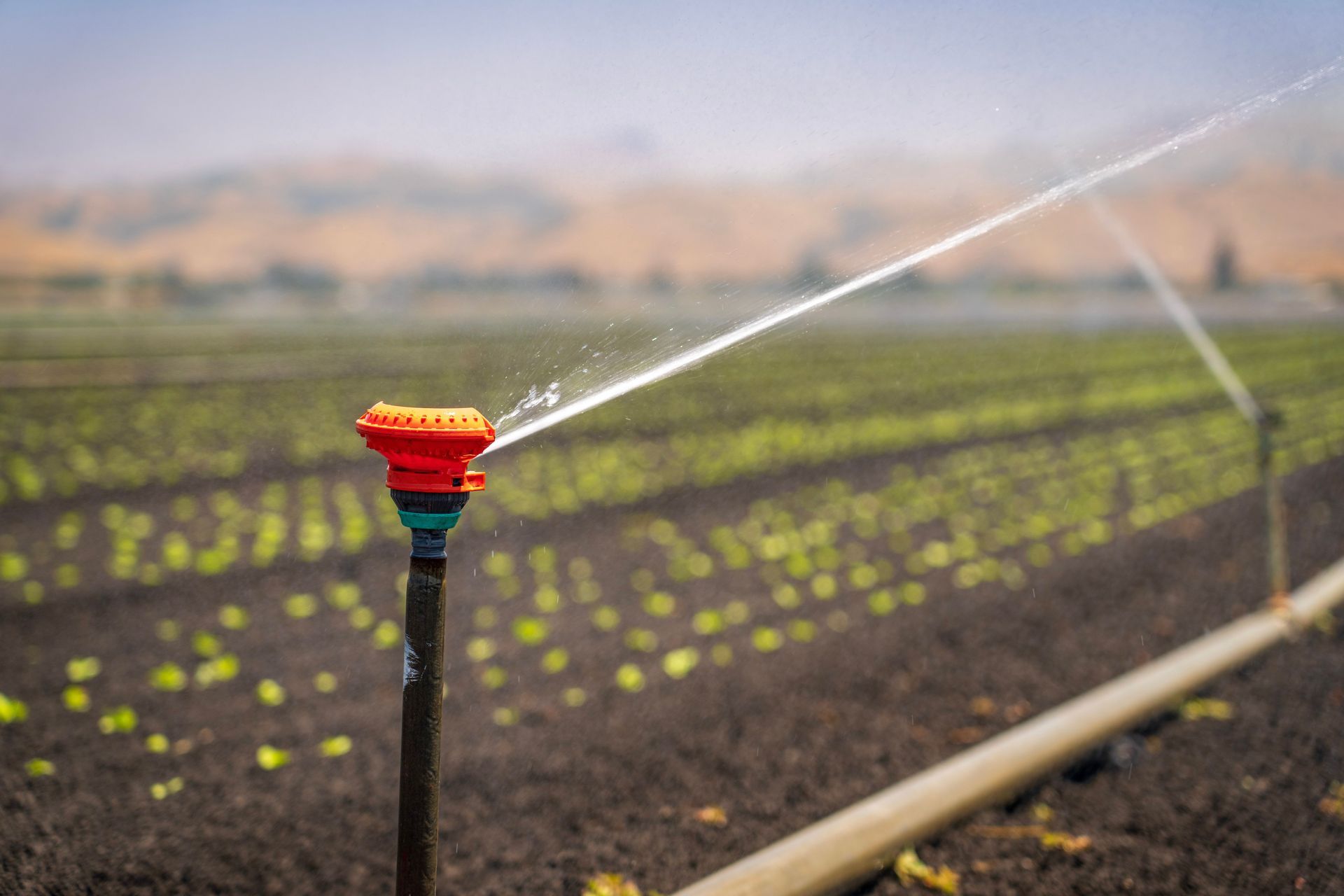
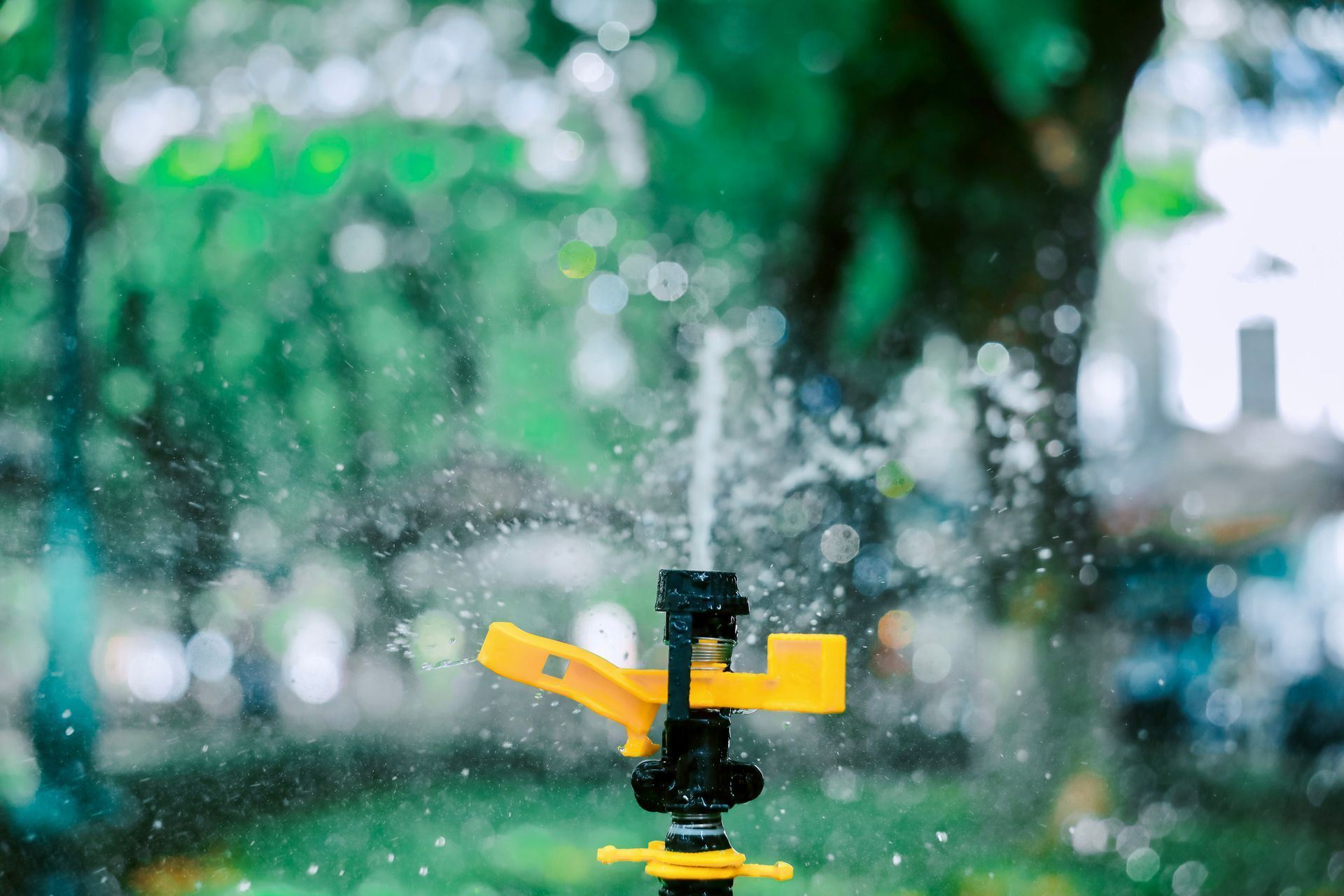
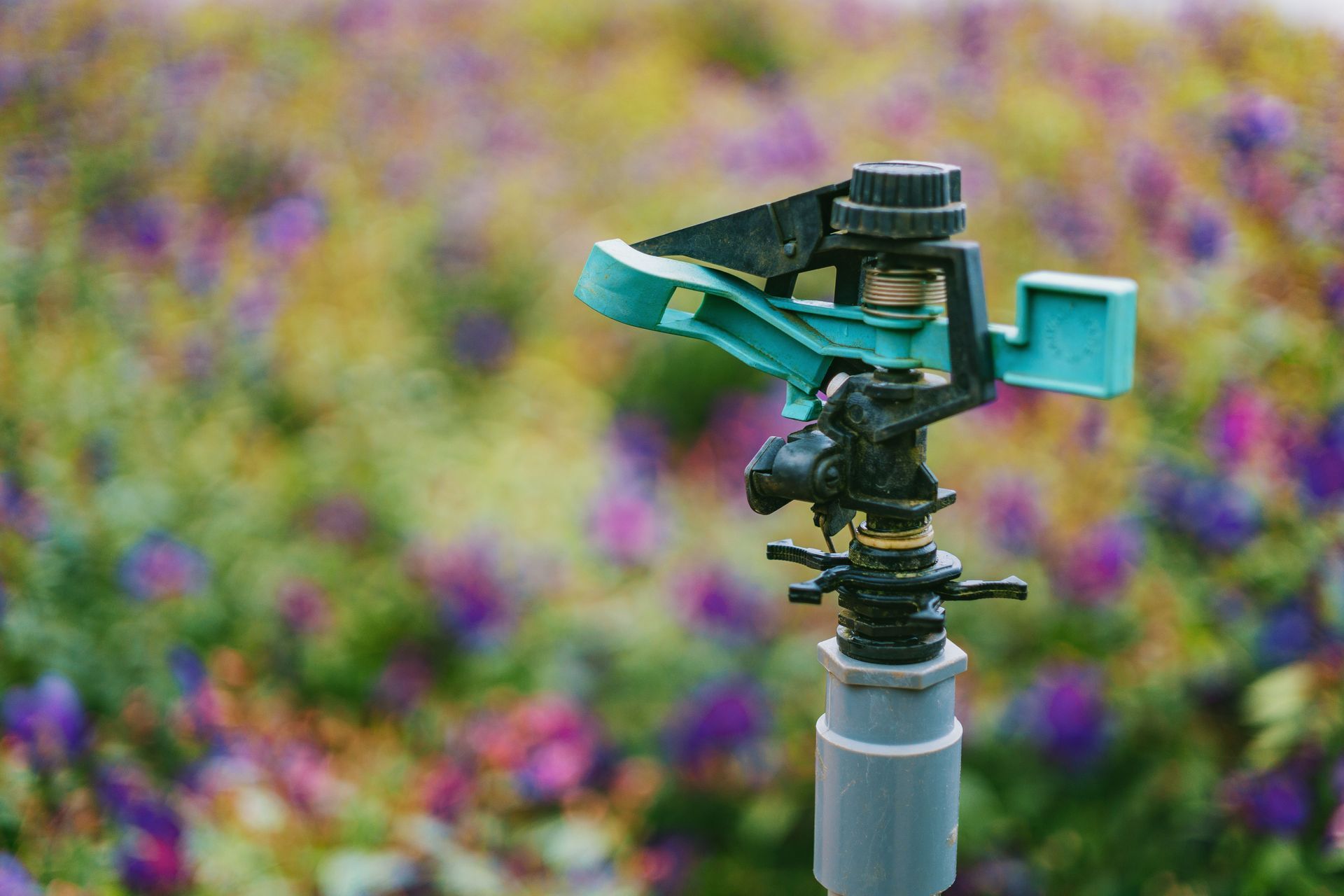
No lawn care plan can overcome a broken sprinkler system forever. Sprinklers that miss corners, overspray patios, flood low spots, or leave dry strips will eventually damage the lawn.
Common irrigation problems include broken heads, clogged nozzles, low pressure, poor alignment, runoff, drip line failure, and watering zones that do not match the property.
This is where routine lawn maintenance becomes valuable. A crew that knows what to look for may notice dry turf, broken heads, or overspray before the property owner does. For property managers, that early reporting can prevent dead grass, tenant complaints, and expensive lawn repair.
Do: Control Weeds Early
Weeds are easier to manage before they spread. They often show up first in weak spots: sidewalk cracks, lawn edges, fence lines, driveway joints, patio paver joints, rock beds, and thin turf.
Weeds are not only an appearance issue. They compete with grass, spread seeds, and make the property look less maintained.
Don’t: Treat Weeds Without Fixing the Cause
If weeds keep coming back, ask why. Is the lawn too thin? Is the irrigation uneven? Is the soil compacted? Are paver joints collecting debris? Are beds poorly edged?
Spraying weeds without improving turf health can create a repeat cycle. Strong turf, clean edges, proper watering, and consistent maintenance are the foundation of better weed control.
Do: Keep Lawn Edges Clean
Clean edging is one of the fastest ways to make a property look professionally maintained. Edging separates turf from patios, pavers, sidewalks, driveways, curbs, rock beds, mulch beds, and water feature borders.
When edges are ignored, grass creeps into hardscapes and weeds creep into the lawn. The property begins to look unfinished even if the grass itself is healthy.
For commercial properties, clean edges around sidewalks, signs, parking lots, and entrances are especially important because those areas shape first impressions.
Don’t: Let Patio Pavers and Walkways Work Against the Lawn
Patio pavers, walkway pavers, and outdoor living areas can improve lawn care when they are designed well. They can reduce worn grass paths, guide foot traffic, and create cleaner transitions from doors to patios, decks, gardens, and water features.
But pavers can also create problems if the base, drainage, edge restraint, and surrounding lawn transitions are ignored. Uneven pavers, low spots, weeds in joints, and grass dying along the edges can make the area look neglected.
If grass never grows well next to a paver edge, the problem may be heat, compaction, foot traffic, or poor sprinkler coverage. Sometimes the best solution is not forcing grass to grow there. A narrow strip may work better as decorative rock, mulch, planting bed, or a paver border.
Do: Repair Bare Spots Before They Spread
Bare spots rarely stay bare. They become weeds, mud, dust, or erosion. They also make mowing and watering less effective.
Common causes of bare spots include pet traffic, foot traffic, mowing too short, irrigation failure, soil compaction, shade, heat near pavement, snowplow damage, and drainage issues.
Depending on the cause, repair may include overseeding, sod replacement, soil repair, aeration, irrigation adjustment, weed control, drainage correction, or converting difficult areas into low-maintenance landscaping.
Don’t: Skip Seasonal Cleanup
Seasonal cleanup protects the lawn and improves the appearance of the whole property. Leaves can smother grass. Branches and debris block sunlight. Winter gravel can damage turf. Dead plant material can make lawn edges and beds look neglected.
Spring cleanup should remove winter debris, inspect turf, check sprinkler heads, clean bed edges, and identify damaged areas. Fall cleanup should remove leaves, reduce debris, prepare beds, and help the property transition into winter.
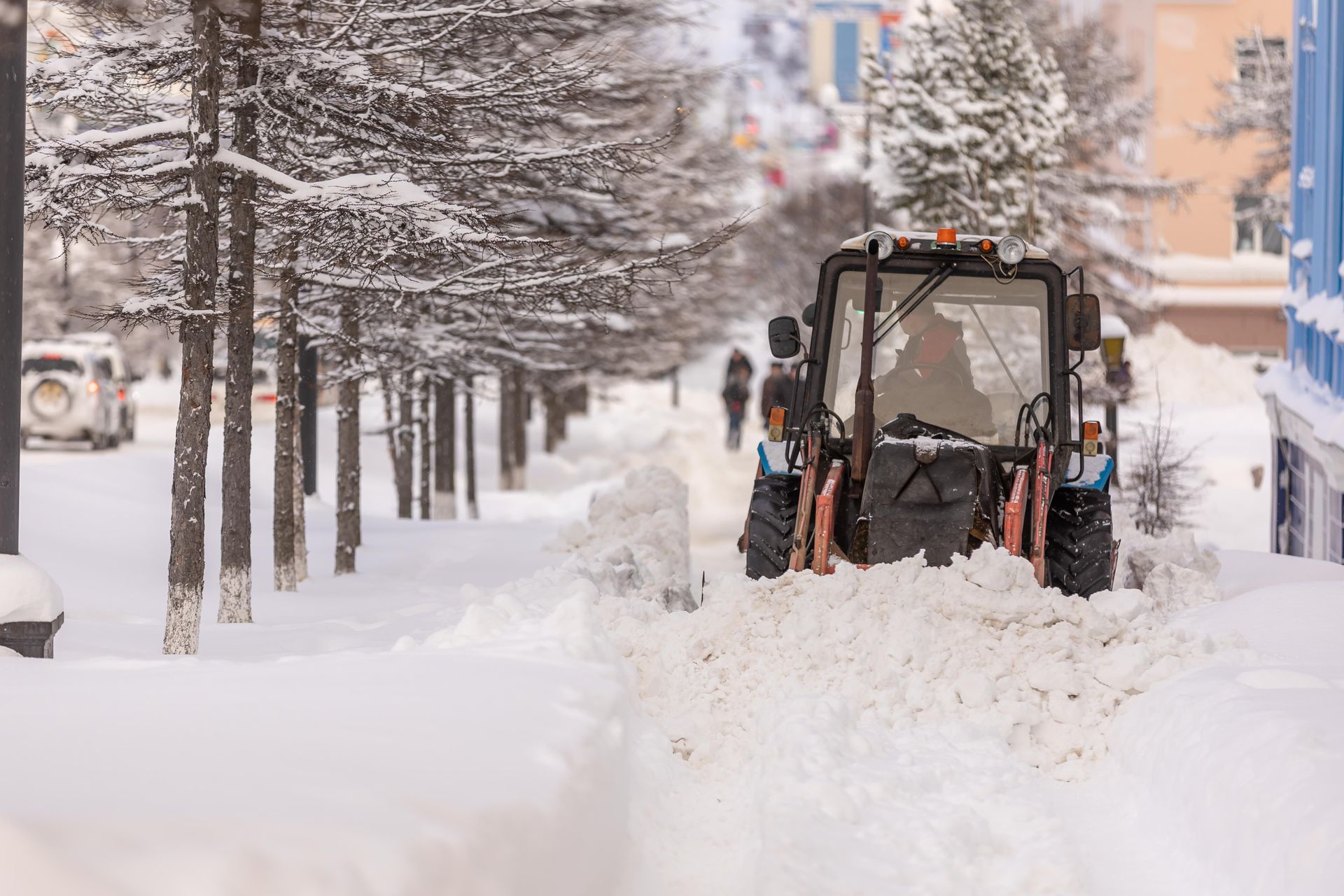
For properties that need snow removal, fall is also the right time to think about where snow will go. Snow piles placed on weak lawn edges, irrigation heads, or delicate beds can create spring repair problems.
Do: Think About Soil and Compaction
Healthy grass needs healthy soil. Compacted soil limits root growth and can keep water from soaking in correctly. You may notice runoff, thinning turf, hard ground, or areas where grass never seems to recover.
High-traffic lawns, commercial properties, rental yards, and HOA common areas often compact faster because people use them more heavily.
Aeration may help when soil is compacted and the lawn is actively growing. The University of Maryland Extension notes that aeration timing depends on turf growth and soil conditions, with heavier-use areas often needing more frequent attention.
Don’t: Treat Every Lawn Area the Same
Different areas of your lawn behave differently. Turf near asphalt may dry faster. Grass near pavers may struggle with heat and traffic. Shaded areas may stay damp. Slopes may produce runoff. Low spots may collect water. Commercial edges may receive more foot traffic than backyard areas.
Good lawn care responds to those differences. The answer might be irrigation adjustment in one zone, aeration in another, weed control along the curb, and a paver walkway where foot traffic has worn a path through the grass.
Final Thoughts: Lawn Care Works Best as a Full Property Plan
The dos and don’ts of caring for grass lawns come down to consistency and observation. Do mow properly, water correctly, control weeds early, inspect irrigation, edge hardscapes, repair bare spots, support soil health, and clean up seasonally.
Don’t scalp the lawn, overwater, ignore sprinkler problems, let weeds spread, skip cleanup, or force grass to grow in areas where pavers, traffic, heat, or drainage make it fail year after year.
For homeowners, property managers, and commercial properties, lawn care works best when it connects to the full exterior. Your grass, landscaping, patios, pavers, water features, asphalt, irrigation, and snow planning all affect one another. When the whole property is managed together, the lawn looks better, performs better, and supports stronger curb appeal throughout the year.