Mistake #1: Treating Lawn Mowing as the Whole Maintenance Plan
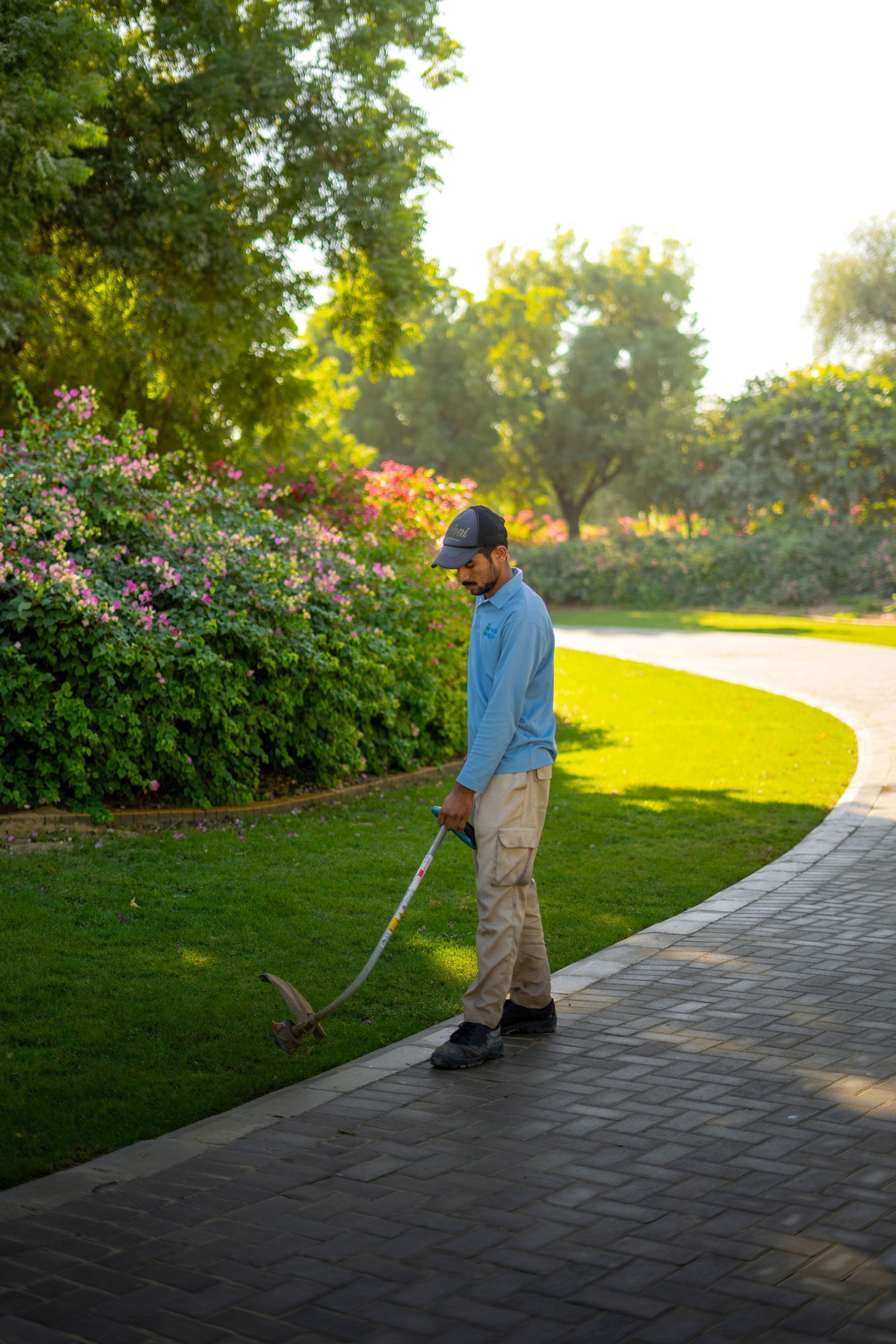
Mowing matters, but mowing alone does not create great curb appeal. A lawn can be freshly cut and still look neglected if the edges are rough, weeds are spreading, dry patches are visible, and the trimming has been skipped.
A complete lawn maintenance plan should include mowing, trimming, edging, weed control, irrigation awareness, turf health monitoring, and seasonal cleanup.
When these services work together, the lawn looks intentional instead of simply shortened.
Alpine Property Services often sees properties where the main visible issue is not the mowing schedule. It is the lack of clean edges around sidewalks, curbs, signs, patios, and landscape beds. Once those edges are cleaned up, the same lawn can look significantly more finished.
Mistake #2: Letting Weeds Take Over Turf, Beds, and Hardscape Joints
Weeds are one of the fastest ways to make a property look unmanaged. They show up in lawns, rock beds, mulch beds, driveway cracks, patio paver joints, curb lines, fence lines, and parking lot edges.
The mistake many property owners make is treating weeds as a one-time nuisance instead of a sign of weak maintenance. Weeds often appear because turf is thin, irrigation is uneven, soil is exposed, bed edges are weak, or debris is collecting in hardscape joints.
For better curb appeal, weed control should be connected to turf health, edging, irrigation repair, and landscape bed maintenance. Spraying weeds without correcting the conditions that allow them to spread can create a repeated problem.
Mistake #3: Ignoring Irrigation Until the Lawn Looks Bad
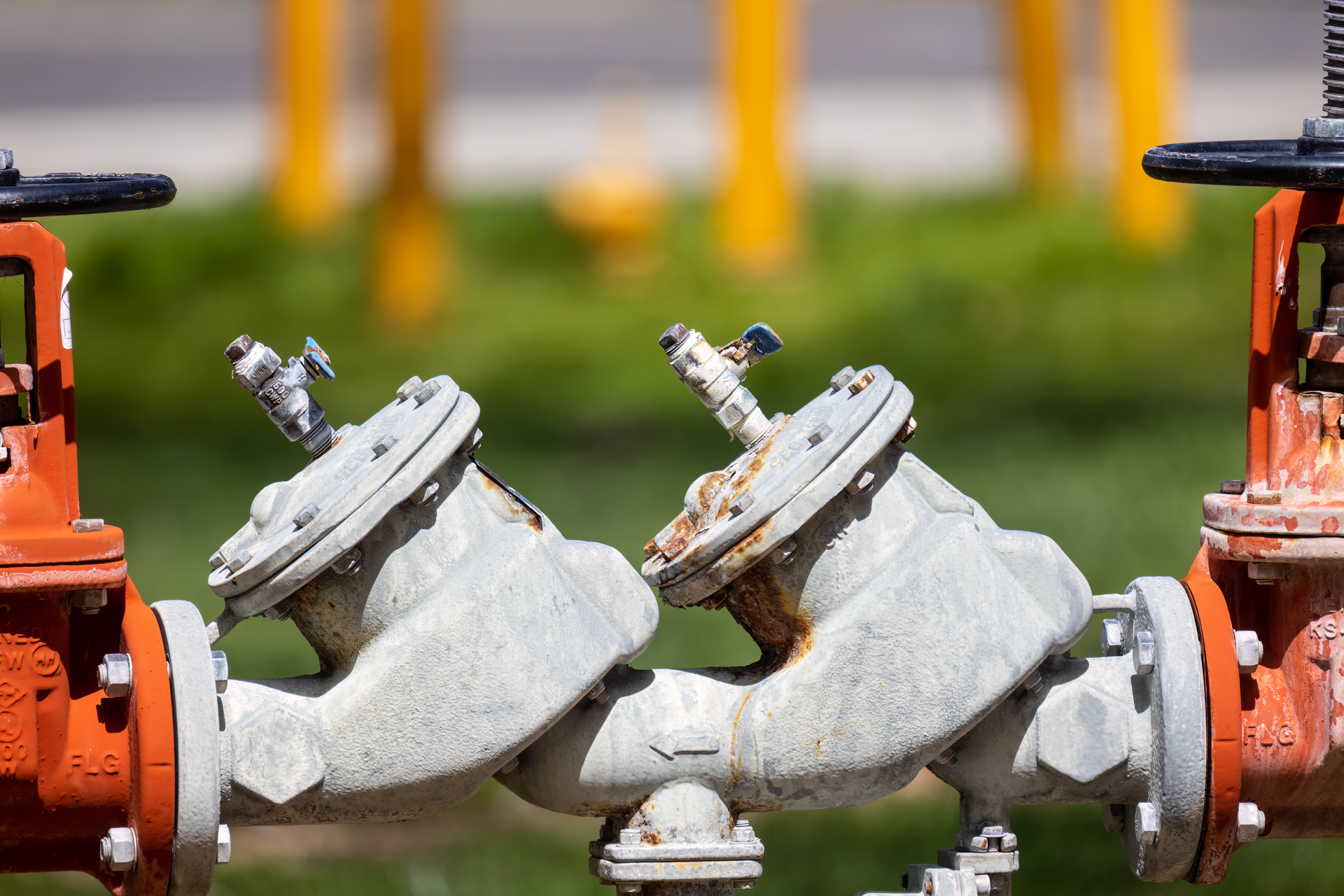
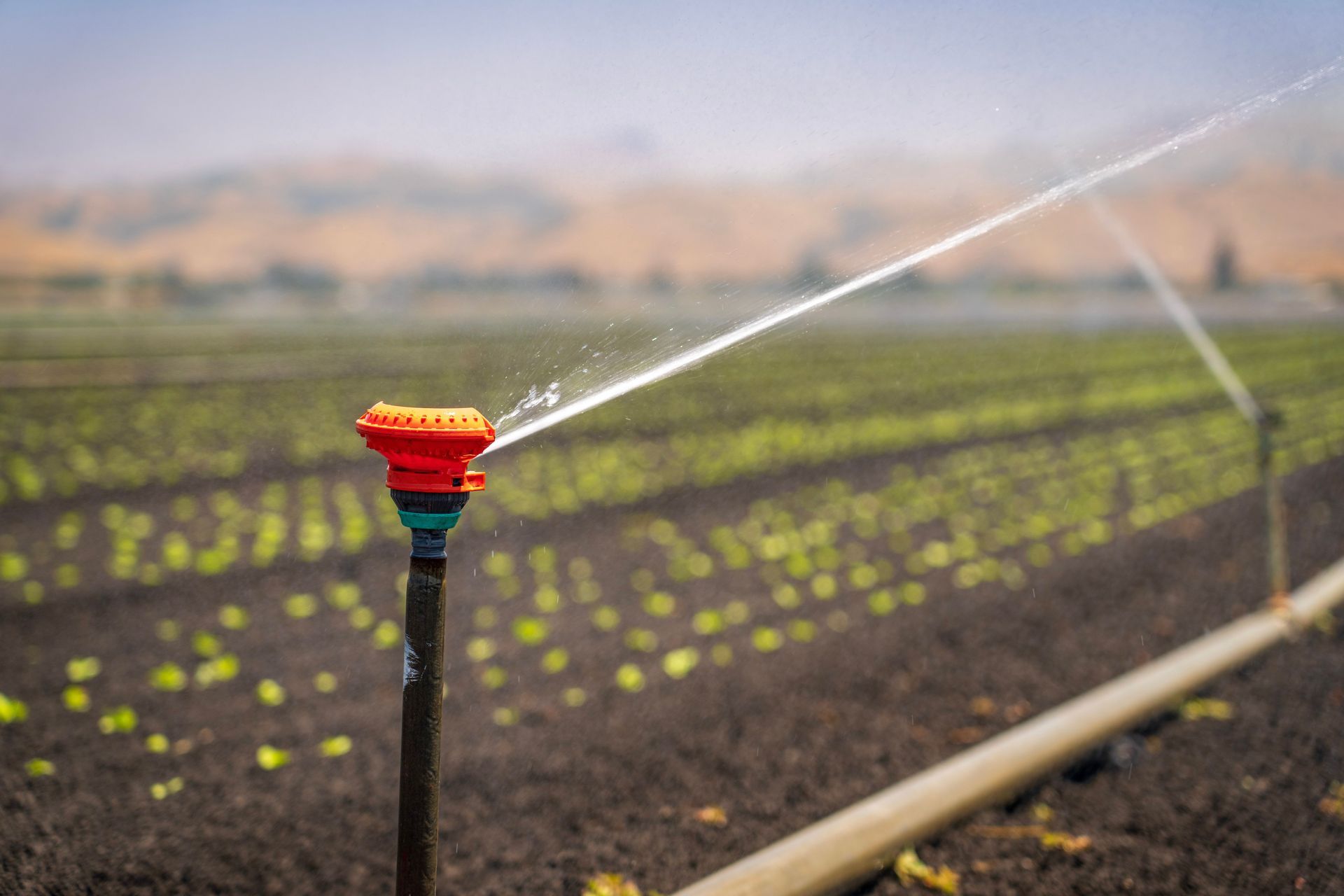
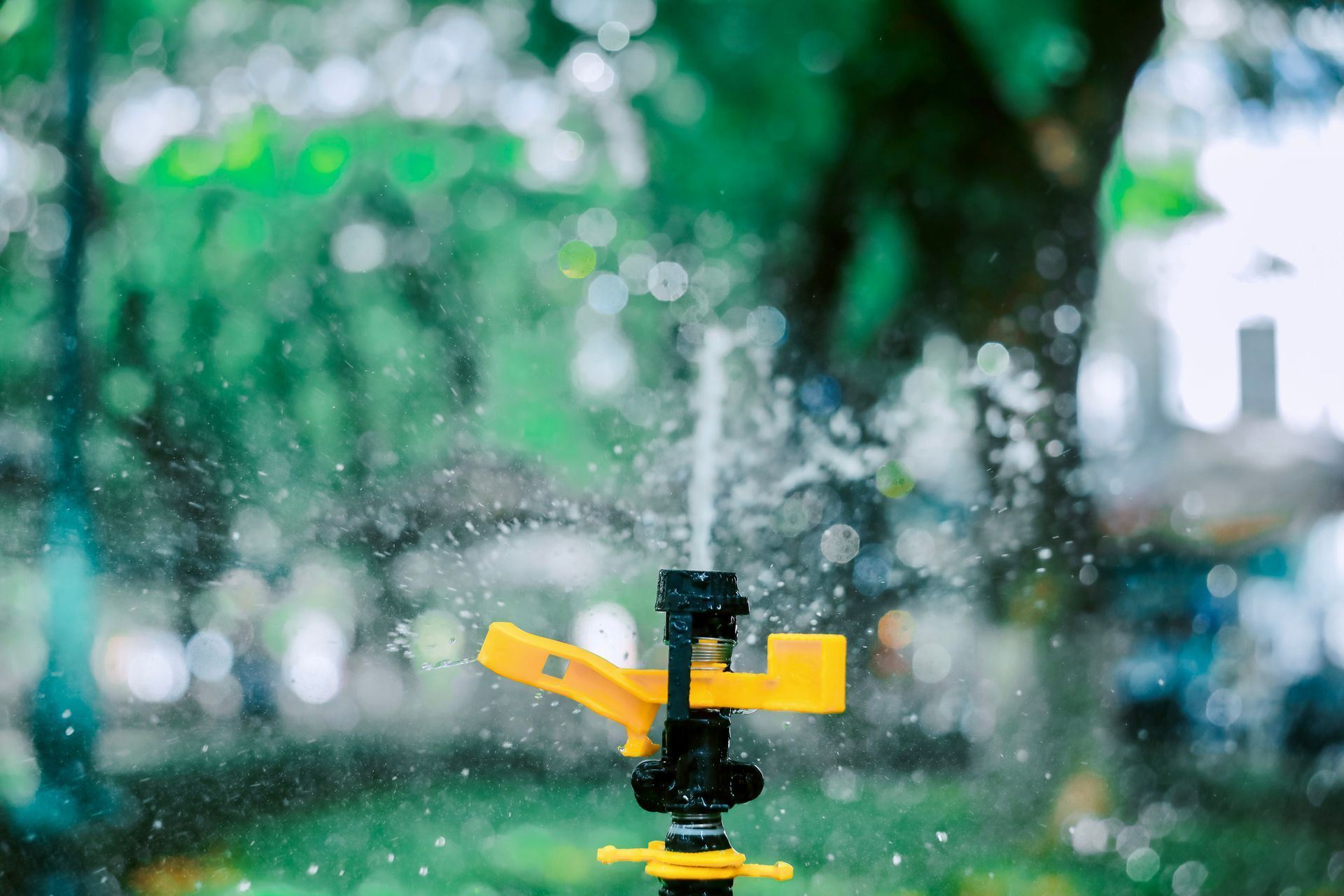
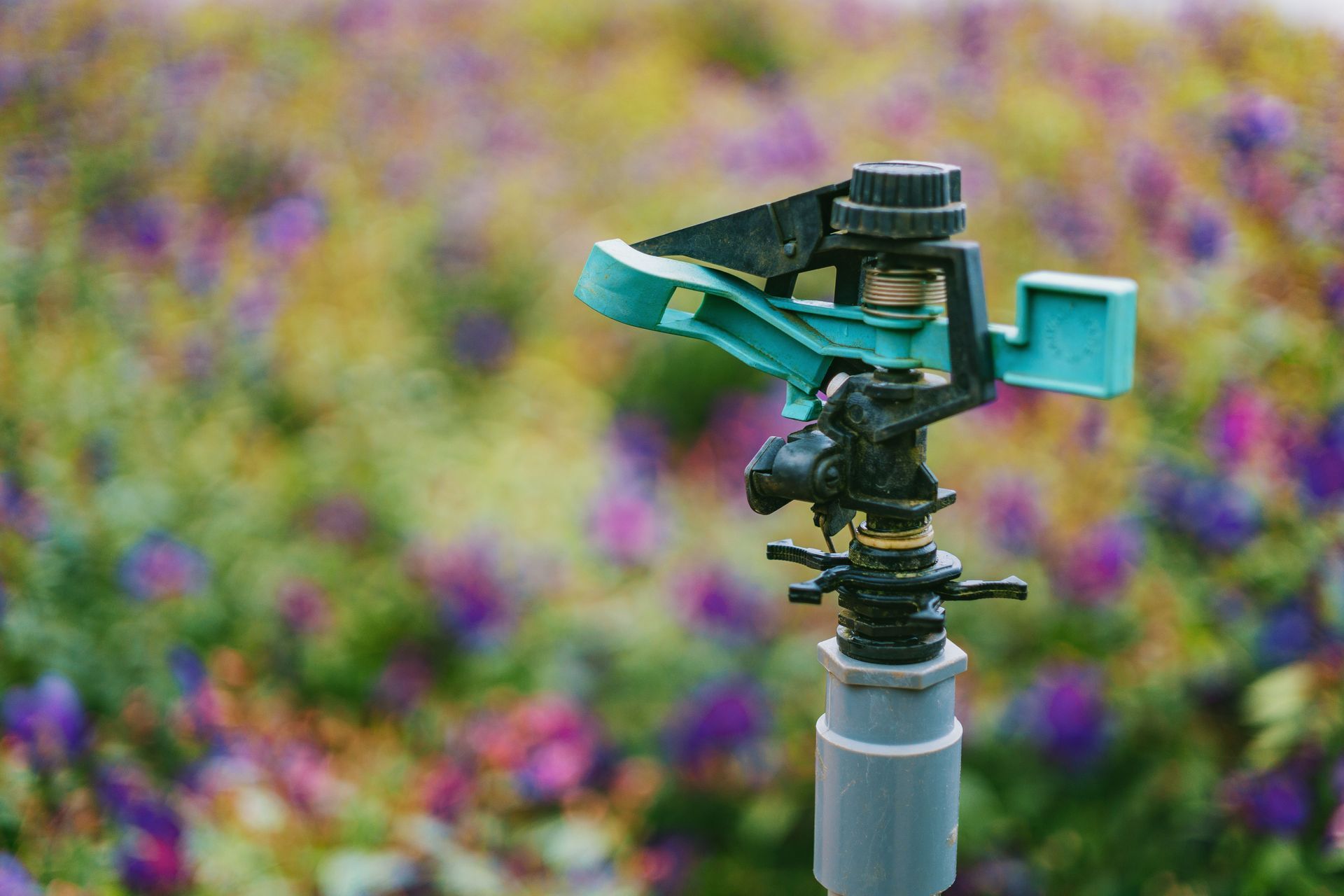
Poor irrigation quietly lowers curb appeal before most property owners realize there is a problem. A broken sprinkler head, clogged nozzle, low-pressure zone, missed corner, or overspray issue can cause dry grass, soggy soil, runoff, weeds, and damaged landscape beds.
You may notice one section of turf turning brown while another stays green. You may see water running across a sidewalk or pooling near asphalt. You may notice rock or mulch washing out of beds after watering.
No amount of mowing can fix a lawn that is watered incorrectly. Irrigation repair and routine sprinkler system inspection are major parts of keeping curb appeal consistent, especially during hot, dry, or windy stretches.
Mistake #4: Neglecting Landscape Bed Edges
Landscape beds provide structure. They separate turf from mulch, decorative rock, shrubs, flowers, walkways, and outdoor features. When bed edges are clean, the property looks organized. When they are sloppy, the entire exterior can look unfinished.
Common issues include faded mulch, migrating rock, dead plants, overgrown shrubs, exposed soil, weeds, and debris buildup. These details may seem small by themselves, but together they make the property look tired.
A simple curb appeal improvement plan may include re-edging beds, refreshing mulch or rock, trimming shrubs, removing dead plant material, and simplifying overgrown areas. Clean bed edges can make lawn maintenance easier and give the property a sharper, more professional look.
Mistake #5: Choosing Plants That Do Not Fit the Property
The wrong plants can create years of maintenance problems. Shrubs that grow too large may block windows, signage, lights, walkways, or entry views. Delicate plants may fail near parking lots, snow storage zones, or hot pavement. High-water plants may struggle in dry, exposed areas.
Good curb appeal landscaping should be planned around mature plant size, sun exposure, water needs, foot traffic, snow movement, and long-term maintenance.
A plant that looks good on installation day can become a problem if it outgrows the space or requires more maintenance than the property owner wants to provide.
For commercial properties and rentals, durable, structured, low-maintenance landscaping often performs better than overly delicate designs.
Mistake #6: Ignoring Patio Pavers, Walkways, and Outdoor Living Surfaces
Patios, walkway pavers, and outdoor living surfaces are major curb appeal features because they guide movement and connect the property. They help people move from the driveway to the entry, from the deck to the lawn, or from a patio to a water feature.
When pavers are clean, level, and well-edged, they make a property feel polished. When they are uneven, weedy, sunken, or poorly connected to surrounding landscaping, they do the opposite.
Common patio paver mistakes include poor base preparation, weak edge restraint, bad drainage, low spots, weeds between joints, and awkward transitions into lawn or beds. If you are using pavers for curb appeal, the installation details matter as much as the paver style.
Pavers can be an excellent upgrade, but they should be planned with drainage, edging, lawn access, and surrounding landscape design in mind.
Mistake #7: Letting Asphalt and Parking Areas Decline
Driveways and parking lots are large visual surfaces. When they look neglected, the whole property can feel neglected.
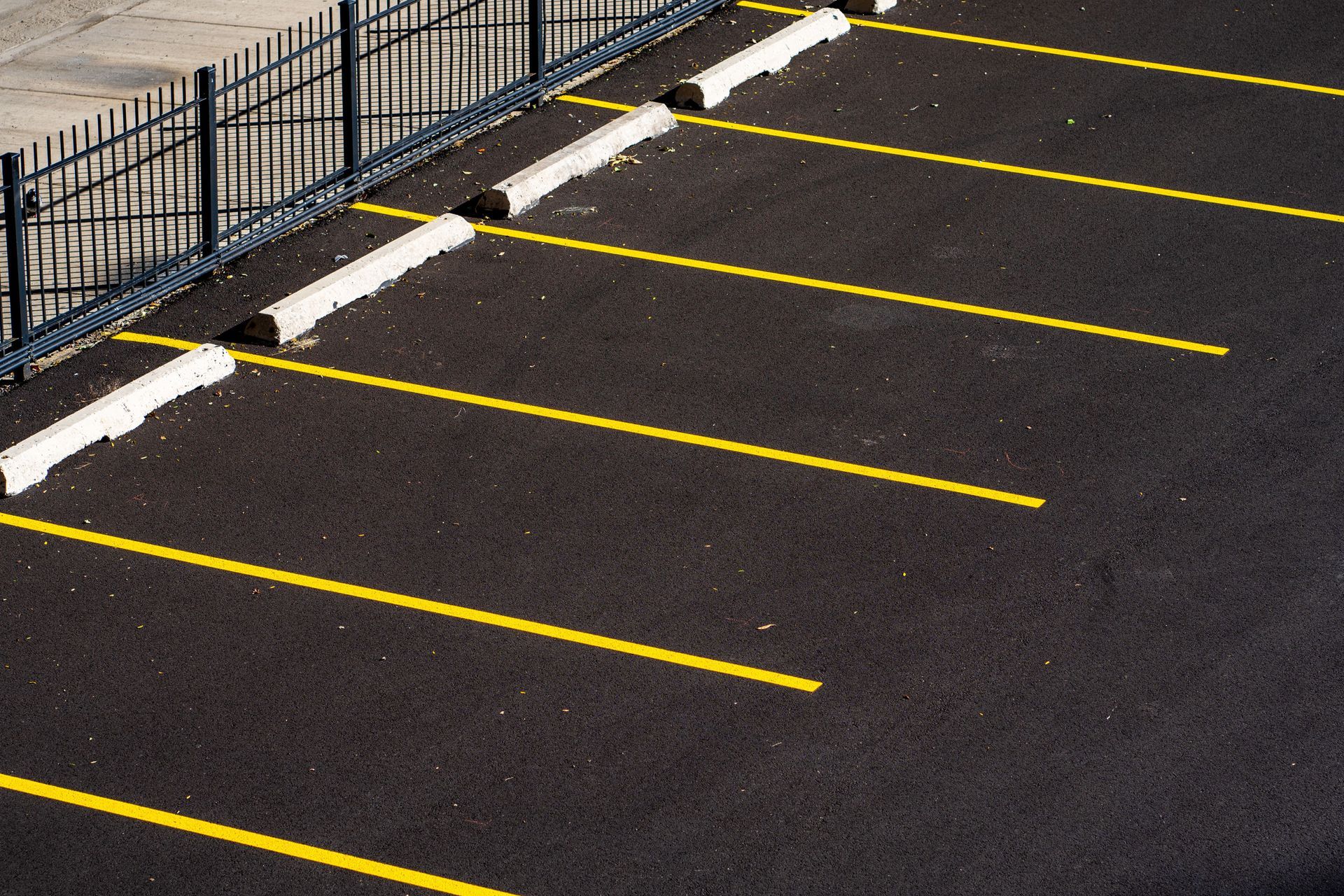
Cracks, potholes, faded striping, weeds along seams, broken edges, standing water, and rough pavement all reduce curb appeal. For commercial properties, pavement condition also affects traffic flow and customer confidence. Even if the landscaping is clean, a deteriorating parking lot can send the wrong message.
Asphalt maintenance should be part of a complete exterior property maintenance plan. Property owners should watch for early cracking, drainage problems, fading lines, and edge breakdown before the issues become more expensive to address.
Mistake #8: Forgetting About Snow Removal and Winter Curb Appeal
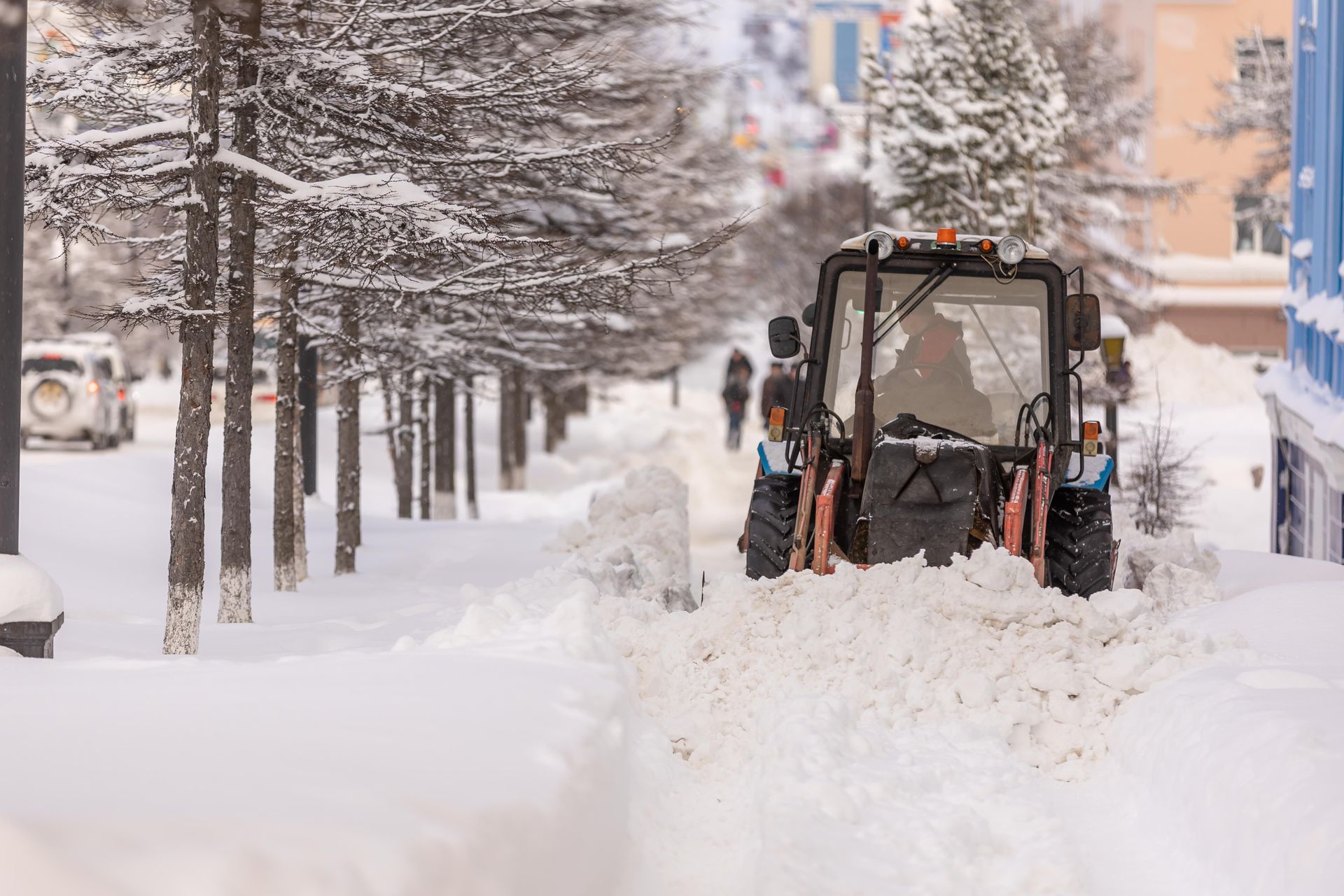
Curb appeal does not stop when winter arrives. Snow piles, icy walkways, blocked entrances, damaged turf edges, and poor plow routes can make a property look poorly managed and harder to access.
The biggest winter mistake is failing to plan snow storage before the first storm. Snow pushed into the wrong place can crush plants, damage turf, block signs, cover drains, or create meltwater problems later.
A better winter property maintenance plan identifies priority walkways, entrances, parking areas, snow pile locations, and ice-prone spots. This helps protect both winter access and spring curb appeal.
Mistake #9: Allowing Clutter, Debris, and Seasonal Buildup
Clutter lowers curb appeal quickly. Branches, leaves, hoses, unused materials, old planters, trash, tools, faded signs, and general outdoor mess can make a property feel unmanaged.
Seasonal cleanup is one of the simplest ways to improve curb appeal. Spring cleanup removes winter debris and prepares the property for growth. Fall cleanup removes leaves, plant material, and clutter before winter. Post-winter cleanup can repair snow damage and reset lawn edges, beds, and walkways.
For commercial properties, entry areas, parking lot edges, sidewalks, and outdoor seating zones should be checked regularly. These are the places visitors notice first.
Mistake #10: Not Connecting Decks, Patios, Water Features, and Landscaping
Decks, patios, and water features can improve curb appeal, but only when they feel connected to the rest of the property. A beautiful patio can still look unfinished if the lawn transition is muddy. A water feature can feel out of place if the surrounding plants, rock, drainage, and edging are not planned well.
Outdoor improvements should work together. Pavers can create clean paths. Landscaping can soften hard edges. Irrigation can support plant health without spraying patios or walkways. Drainage can protect outdoor living areas from washout and settling.
When Alpine Property Services looks at outdoor improvements, the practical question is not just, “Will this look good?” It is, “Will this function well through mowing, watering, storms, snow, foot traffic, and regular use?”
Mistake #11: Waiting Too Long to Fix Small Problems
Small exterior problems rarely stay small. Thin turf becomes bare soil. Bare soil becomes weeds or mud. Small pavement cracks become larger asphalt issues. A broken sprinkler head becomes dead grass. A settled paver becomes an uneven walkway.
The best curb appeal strategy is proactive. A property that is maintained regularly usually costs less to keep attractive than a property that is allowed to decline and then restored in a rush.
This is especially true for property managers. When you are responsible for rentals, commercial sites, HOAs, or high-traffic properties, delayed maintenance often leads to more complaints, more visible decline, and more expensive correction.
Mistake #12: Hiring Separate Contractors Without a Property-Wide Plan
One contractor may mow the lawn. Another may handle irrigation. Another may repair asphalt. Another may manage snow. This can work, but only if someone is thinking about the whole property.
Without a property-wide plan, services can conflict. Irrigation overspray can affect asphalt. Snow piles can damage landscape beds. Pavers can settle if drainage is ignored. Lawn care can miss weed issues along parking lot edges. Landscaping can block visibility around signage or drive lanes.
A complete property improvement plan considers lawn care, landscaping, irrigation, patios, water features, asphalt maintenance, snow removal, and seasonal cleanup together. That is how you protect curb appeal long term.
Curb Appeal Is Built Through Consistent Property Care
The most common mistakes that lower curb appeal are usually not dramatic at first. They are small signs of neglect that build over time: rough lawn edges, weeds, dry turf, faded mulch, uneven pavers, cracked asphalt, clutter, poor snow planning, and outdoor features that do not connect well.
For homeowners, property managers, and commercial property owners, the best way to improve curb appeal is to maintain the full exterior. Lawn maintenance, weed control, irrigation, landscaping, patio care, asphalt maintenance, snow and ice management, and seasonal cleanup all work together.
When the property is maintained as one complete system, it looks cleaner, functions better, and creates a stronger first impression.