What Are Lawn Maintenance Services?
Lawn maintenance services are the recurring tasks that keep your lawn neat, controlled, healthy, and presentable. Some of the work is appearance-based, such as mowing and edging. Other parts support long-term turf health, such as irrigation monitoring, weed control, aeration, and repair recommendations.
A common mistake is assuming lawn maintenance only means mowing. Mowing is important, but it is only one piece of the bigger picture. A lawn can be freshly cut and still look neglected if the edges are overgrown, weeds are spreading, sprinkler coverage is uneven, or debris is sitting in the turf.
Good lawn maintenance should help your property look better now while also preventing future problems.
The Most Common Lawn Maintenance Services
Lawn Mowing
Lawn mowing is the foundation of most lawn maintenance plans. It keeps grass at a controlled height, creates a cleaner property appearance, and prevents the yard from looking overgrown.
However, mowing should not be treated as a one-size-fits-all task. Cutting grass too short can stress the turf, expose soil, increase weed pressure, and make the lawn more vulnerable during hot or dry conditions. A professional lawn maintenance company should understand mowing height, mowing frequency, and how weather affects turf growth.
For homeowners, consistent mowing keeps the yard usable and attractive. For commercial properties, it supports first impressions for customers, tenants, employees, and visitors.
Trimming and Weed Eating
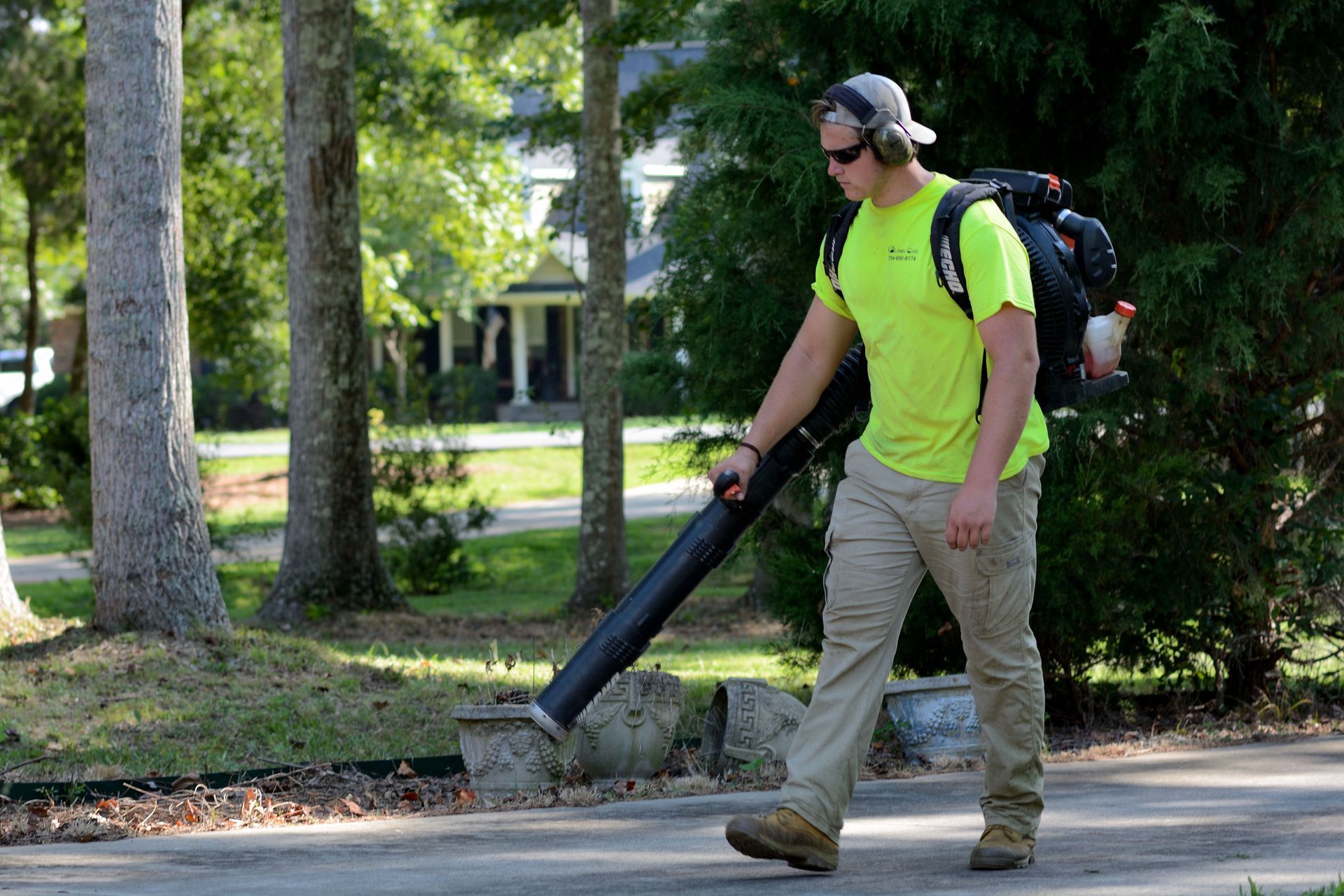
Trimming handles the areas a mower cannot reach. This includes fence lines, posts, trees, buildings, signs, utility boxes, landscape beds, patios, curbs, and tight corners.
Trimming is one of the services that separates a basic cut from a finished lawn. Without it, the center of the lawn may look clean while the edges still look rough.
That said, trimming should be done carefully. Aggressive weed eating can scalp grass, damage tree bark, expose soil, and create weak areas where weeds can move in. The goal is a clean edge, not a stripped edge.
Lawn Edging
Edging creates crisp lines along sidewalks, driveways, curbs, walkways, patios, and landscape beds. It gives a lawn a more professional appearance and keeps grass from creeping into hardscape or planting areas.
For property managers and commercial sites, edging is especially important around high-visibility areas. A clean curb line or sidewalk edge can make the whole property feel more maintained.
Edging also supports long-term property care. It helps define where turf ends and other materials begin, which can reduce material migration, simplify mowing, and make seasonal cleanup easier.
Weed Control
Weed control is one of the most important lawn maintenance services because weeds spread quickly once turf becomes thin or stressed.
Weeds often show up along fence lines, curb edges, sidewalk joints, driveway cracks, landscape beds, rock areas, and dry lawn patches. They can also appear where mowing is too short, irrigation is uneven, or soil is compacted.
Alpine Property Services has seen lawns where the owner thought the main problem was weeds, but the real issue was weak turf caused by poor irrigation coverage. In that case, spraying weeds alone would not have solved the problem. The lawn needed better water coverage and stronger turf health so weeds had less room to take over.
A good lawn maintenance plan should treat weeds as both a visible problem and a signal of underlying lawn stress.
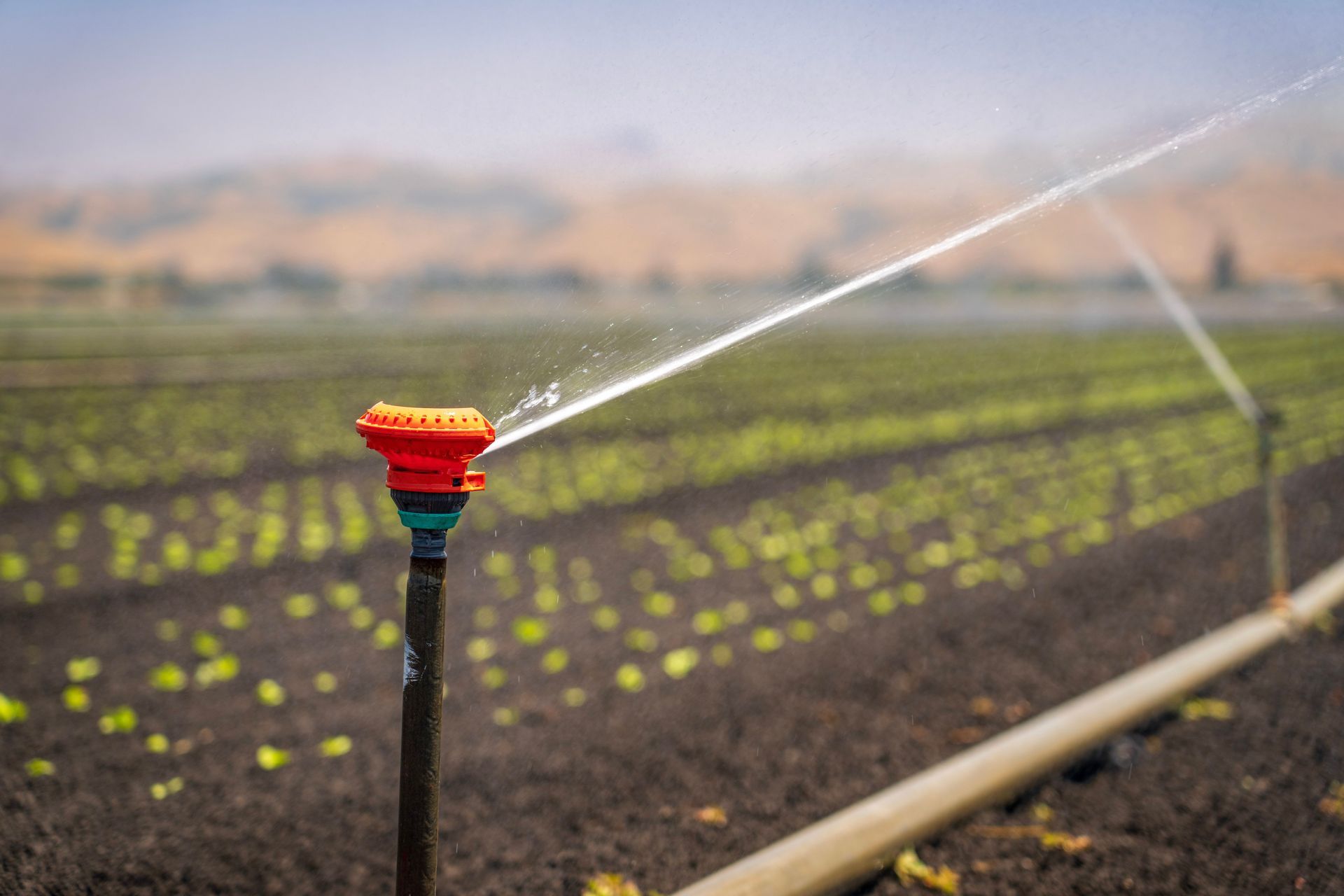
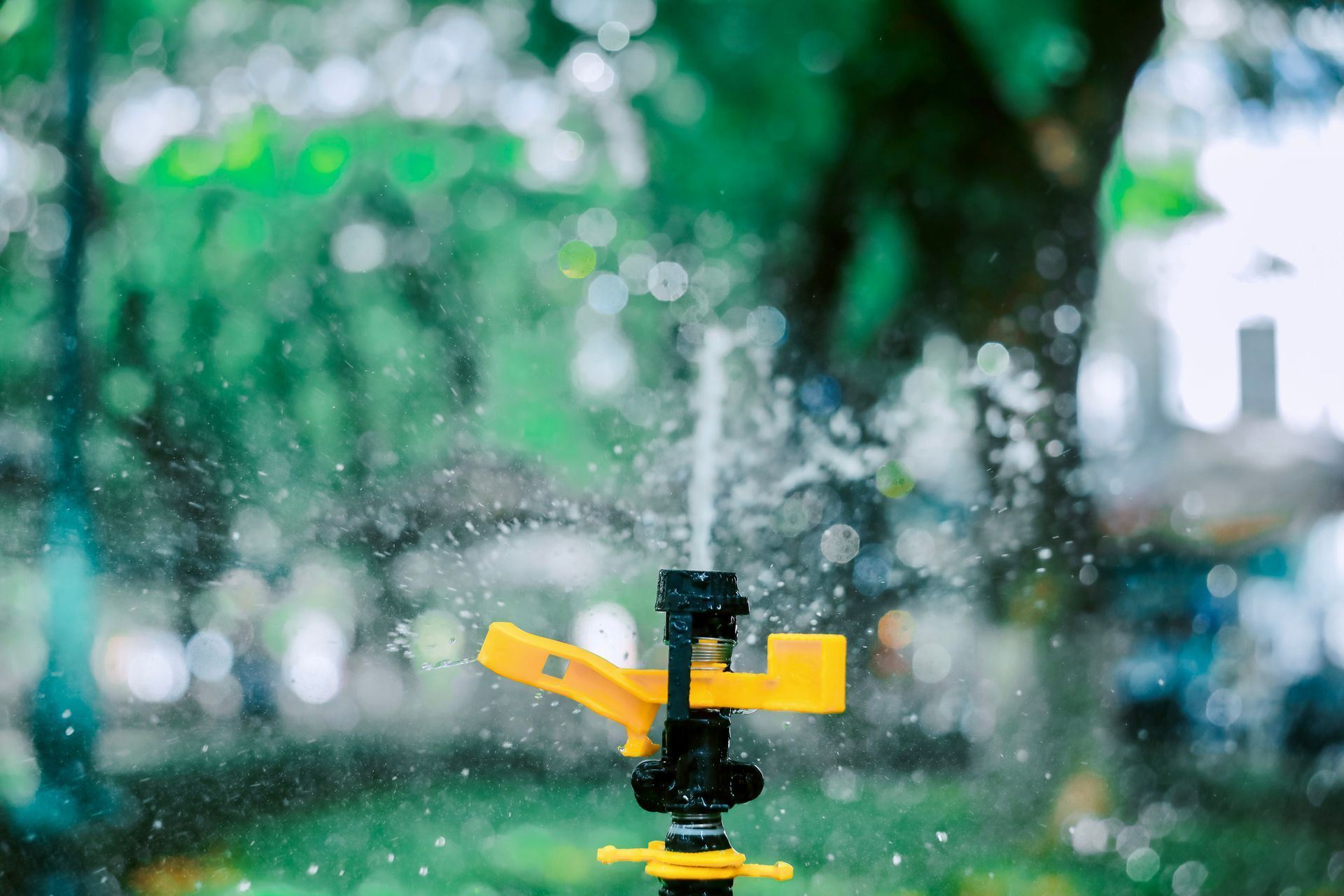
Irrigation Checks and Watering Support
No lawn maintenance plan can overcome poor watering forever. If your sprinkler system misses corners, floods low spots, oversprays pavement, or leaves dry strips near sidewalks, the lawn will eventually show it.
Common Irrigation Problems
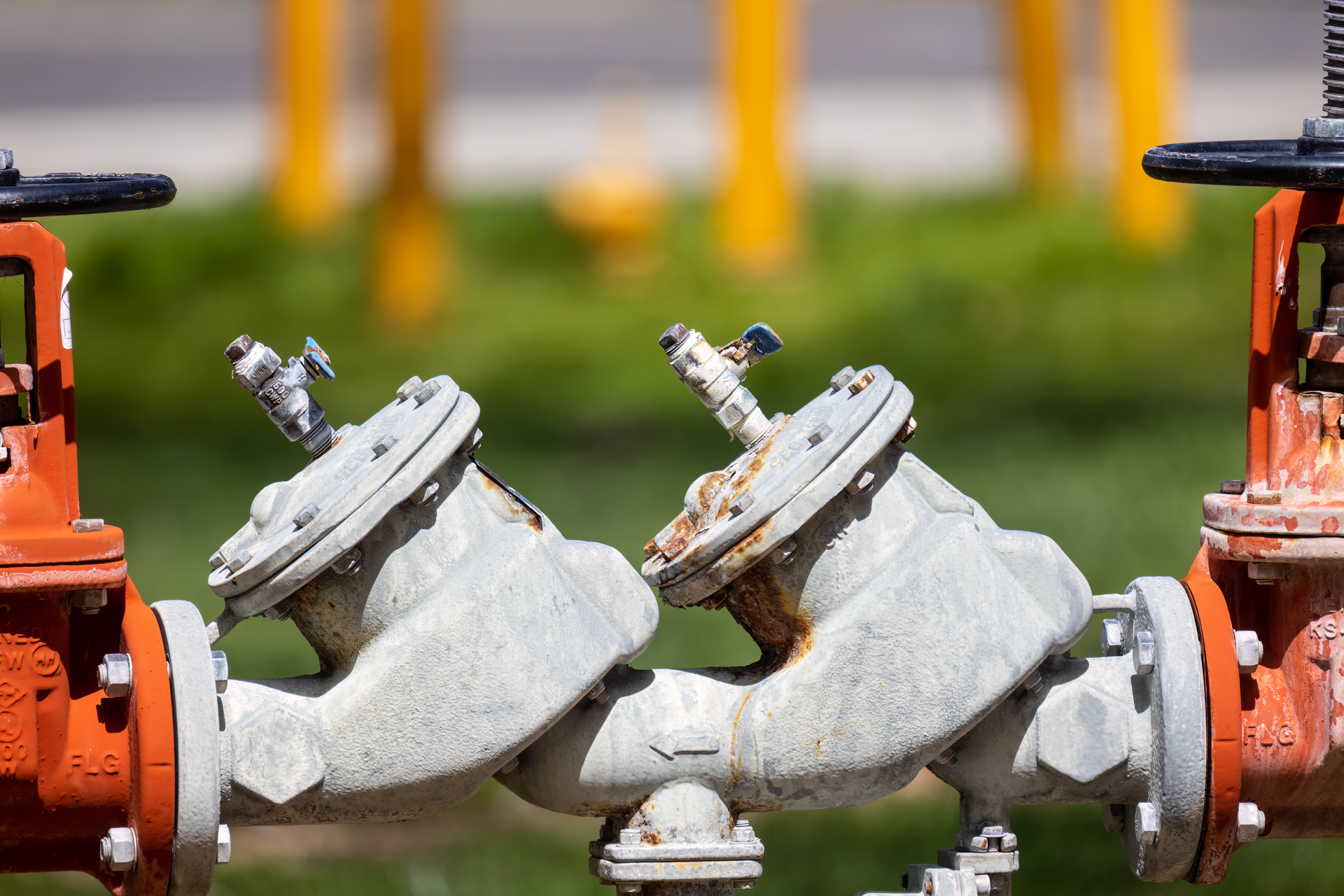
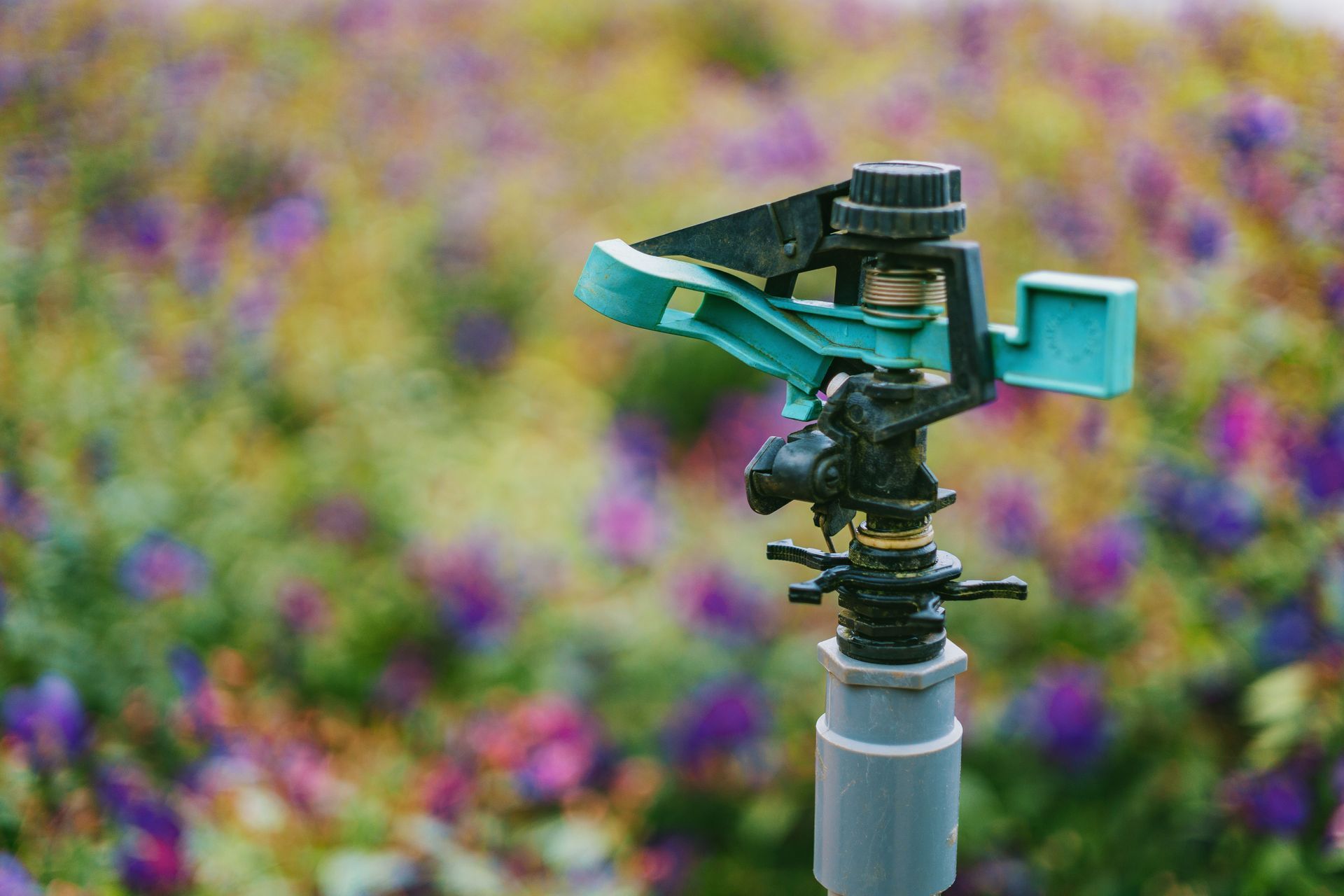
Common irrigation issues include broken sprinkler heads, clogged nozzles, low pressure, poor head alignment, missed corners, dry strips near pavement, overspray onto sidewalks or asphalt, and water pooling in low areas.
These problems are often easy to miss until the lawn starts showing damage. A dry patch may appear near a driveway. A soggy area may stay soft after watering. One zone may look green while another looks dull or thin.
Routine lawn maintenance gives you another set of eyes on the property. If your maintenance crew notices dry spots, runoff, broken heads, or uneven turf color, those issues should be reported before the lawn declines further.
Why Irrigation Matters in Colorado
In Montrose, Delta, and Olathe, lawns can face heat, wind, dry air, and seasonal changes that make irrigation performance especially important. Turf near pavement, rock beds, south-facing walls, and open sun exposure may dry faster than shaded areas.
That means your watering plan should match the actual property. A timer alone cannot replace observation. Healthy lawn maintenance includes watching how the turf responds and adjusting when conditions change.
Seasonal Lawn Maintenance Services
Lawn maintenance changes throughout the year. A strong plan should account for spring recovery, summer growth, fall cleanup, and winter-related property concerns.
Spring Lawn Maintenance
Spring is the time to clean up winter debris, inspect turf after snow melt, restart irrigation, repair damaged areas, clean landscape bed edges, and prepare the mowing schedule.
This is also when you may notice winter damage, compacted soil, bare patches, or drainage problems. Catching these issues early helps prevent a rough start to the growing season.
Spring cleanup may include removing leaves, branches, dead plant material, gravel pushed into turf, and debris from lawn edges and beds.
Summer Lawn Maintenance
Summer maintenance usually includes regular mowing, trimming, edging, weed control, irrigation monitoring, and watching for heat stress.
This is when dry spots and sprinkler problems become obvious. Turf near pavement, sidewalks, driveways, or dark decorative rock may need closer attention because those surfaces can hold and reflect heat.
A consistent summer lawn maintenance schedule helps keep the property presentable during the season when people use the yard most.
Fall Lawn Maintenance
Fall maintenance prepares the property for winter. This can include final mowing, leaf removal, bed cleanup, weed reduction, irrigation winterization planning, and inspection of areas that may be affected by snow storage.
Leaf buildup can smother turf if it is left too long. Debris in lawn areas and landscape beds can also make spring cleanup harder.
For commercial properties, fall is a good time to review turf edges near parking lots, sidewalks, and snow routes before winter conditions arrive.
Winter Lawn Considerations
During winter, turf is not actively maintained the same way it is in spring and summer, but winter still affects the lawn.
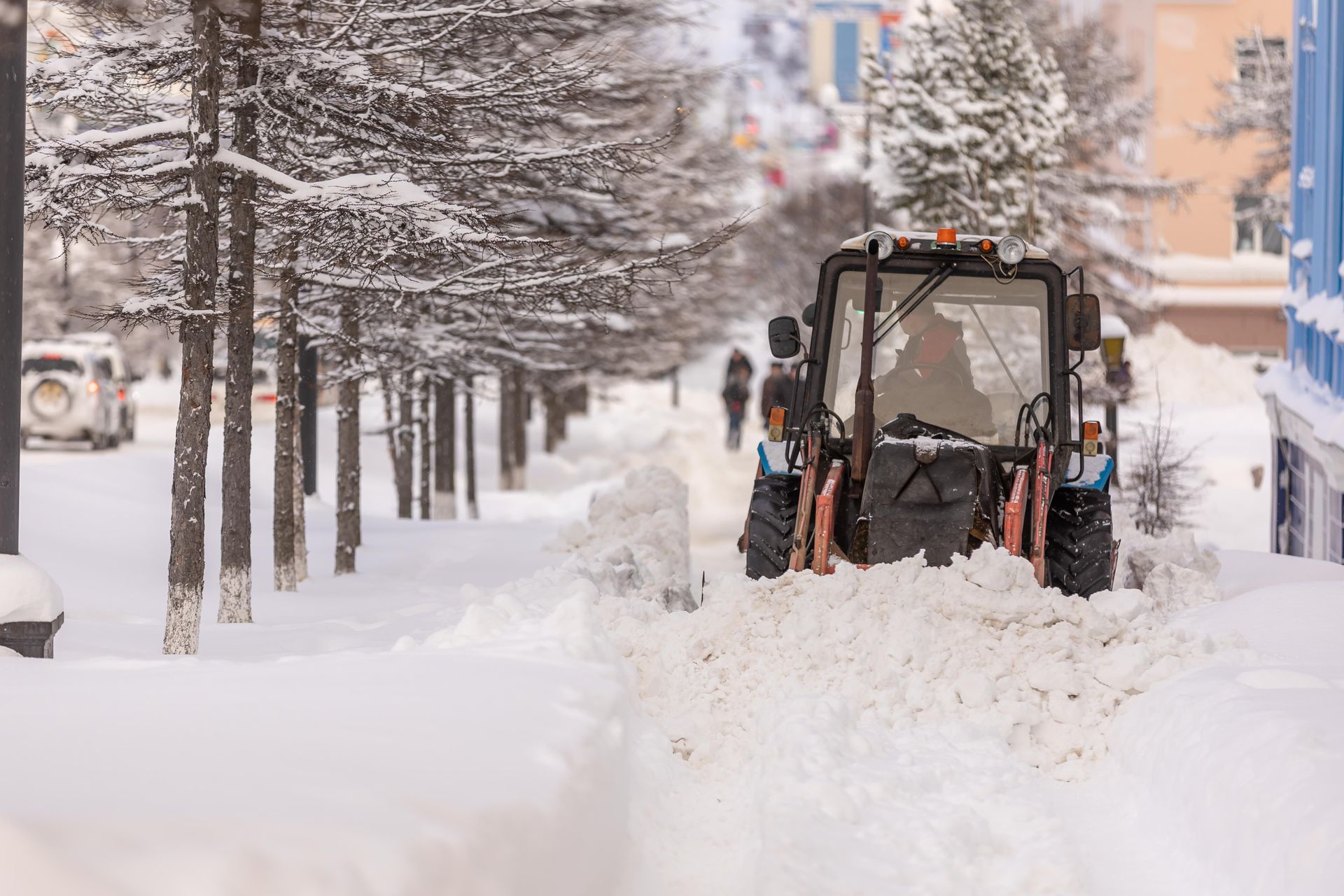
Snow piles can damage grass. Ice melt and de-icing materials can affect turf near walkways and parking areas. Plow routes can damage lawn edges, irrigation heads, curbs, and landscape beds.
A complete property maintenance plan should account for where snow will go before the first storm.
Lawn Maintenance for Homeowners
As a homeowner, lawn maintenance helps you keep your yard attractive without spending every weekend managing it yourself. A good lawn maintenance plan can support curb appeal, outdoor use, pets, kids, entertaining, and the overall feel of your property.
Routine service also helps protect other improvements. Clean lawn edges can make patios, walkways, and landscape beds look more finished. Trimming around beds and hardscape keeps the yard from feeling overgrown. Weed control protects both lawn areas and surrounding landscape features.
If parts of your lawn are constantly muddy, thin, or difficult to mow, the best answer may not be more mowing. It may be a landscape adjustment, irrigation repair, or low-maintenance conversion using rock, mulch, planting beds, or pathways.
Lawn Maintenance for Property Managers and Commercial Sites
Commercial lawn maintenance usually requires a more consistent standard because the property is seen by tenants, customers, employees, vendors, and visitors.
A commercial lawn plan should include mowing, trimming, edging, weed control, irrigation issue reporting, seasonal cleanup, and attention to high-visibility zones. This includes areas near signs, sidewalks, parking lots, entrances, patios, and common spaces.
Property managers should also ask how issues are reported. If a crew notices a broken sprinkler head, dead turf area, weed outbreak, or drainage concern, you need that information quickly. Communication is one of the most valuable parts of a commercial lawn maintenance relationship.
Lawn Maintenance vs Lawn Restoration
Sometimes maintenance is enough. Other times, the lawn needs repair before regular service can be effective.
Maintenance is usually enough when the lawn is mostly healthy, weeds are manageable, irrigation is working, and the turf responds well to mowing and seasonal care.
Restoration may be needed when you have large dead patches, severe weed takeover, bare soil, irrigation failure, drainage issues, pet damage, construction damage, compacted soil, or snowplow damage.
In those cases, mowing will not fix the problem. You may need irrigation repair, aeration, overseeding, sod replacement, soil repair, grading improvements, weed control reset, or even a landscape redesign in difficult areas.
What to Ask Before Hiring a Lawn Maintenance Company
Before hiring a lawn maintenance company, ask what is included in the service. Mowing alone is not the same as full lawn maintenance.
Ask whether trimming, edging, cleanup, weed control, irrigation reporting, and seasonal cleanup are included. Ask how often the property will be serviced and whether the schedule changes with weather or growth rate.
You should also ask how the company handles lawn health issues. Will they tell you if they notice dry patches, broken sprinkler heads, runoff, weeds, compacted soil, or areas where the lawn is failing? A good provider should help you see problems early.
For commercial properties, ask about scheduling around business hours, tenant access, parking areas, and seasonal changes.
Common Lawn Maintenance Mistakes to Avoid
The first mistake is mowing too short. Short grass may look clean for a moment, but it can stress the turf and encourage weeds.
The second mistake is ignoring irrigation. A lawn that is watered poorly will eventually show dry patches, soggy areas, weeds, or uneven growth.
The third mistake is waiting too long to control weeds. Once weeds spread and seed, they become harder to manage.
The fourth mistake is skipping seasonal cleanup. Leaves, debris, and dead material can make turf weaker and beds messier.
The fifth mistake is treating every lawn area the same. Full-sun areas, shaded areas, high-traffic areas, and pavement-adjacent turf all behave differently.
Final Thoughts: What Lawn Maintenance Services Are Most Common?
The most common lawn maintenance services include mowing, trimming, edging, weed control, irrigation monitoring, turf health checks, seasonal cleanup, and lawn repair recommendations. Together, these services help your lawn look better, stay healthier, and support the rest of your property.
For homes, rentals, HOAs, and commercial sites in Montrose, Delta, and Olathe, the best lawn maintenance plan is consistent, practical, and responsive to the property’s real conditions. When mowing, water, weeds, edges, and seasonal cleanup are handled together, your lawn becomes easier to manage and more attractive throughout the year.
If you need lawn maintenance services that support the full condition of your property, Alpine Property Services can help build a plan around turf care, irrigation performance, weed control, cleanup, and long-term property appearance.