When Asphalt, Parking Lots, or Driveways Become Unsafe
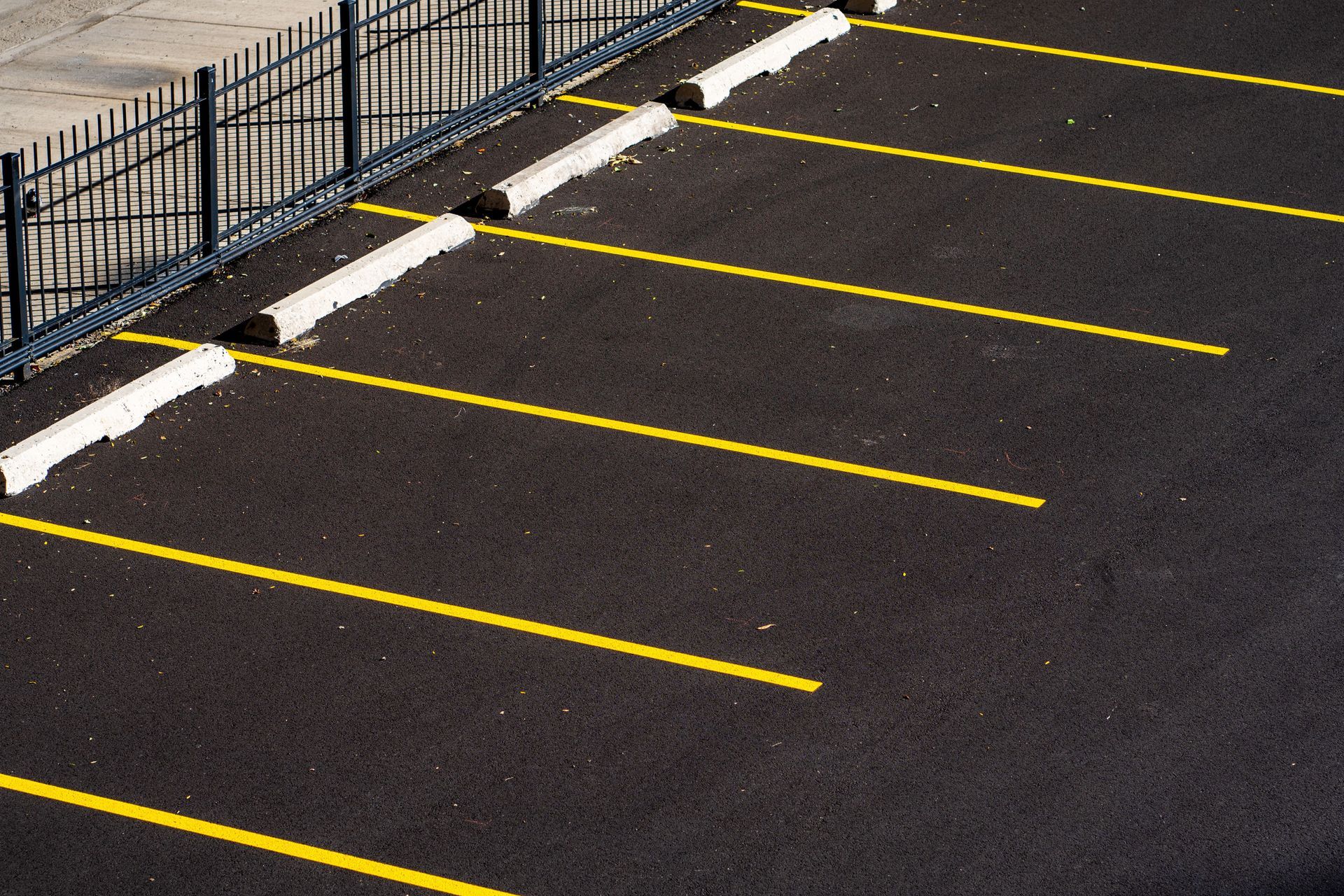
Cracked asphalt, potholes, broken edges, faded markings, and poor drainage can affect both appearance and access. Small cracks may seem harmless, but water can enter them and expand the damage during freeze-thaw cycles.
For commercial properties, parking lot damage can also affect traffic flow and first impressions. A property may have nice landscaping and a clean building, but a rough parking lot can still make the site feel poorly maintained.
When asphalt damage appears, the question is not only how to repair the surface. You should also ask what caused it. Drainage, snowplow routes, runoff, traffic, and neglected cracks can all contribute.
When Snow and Ice Damage the Property
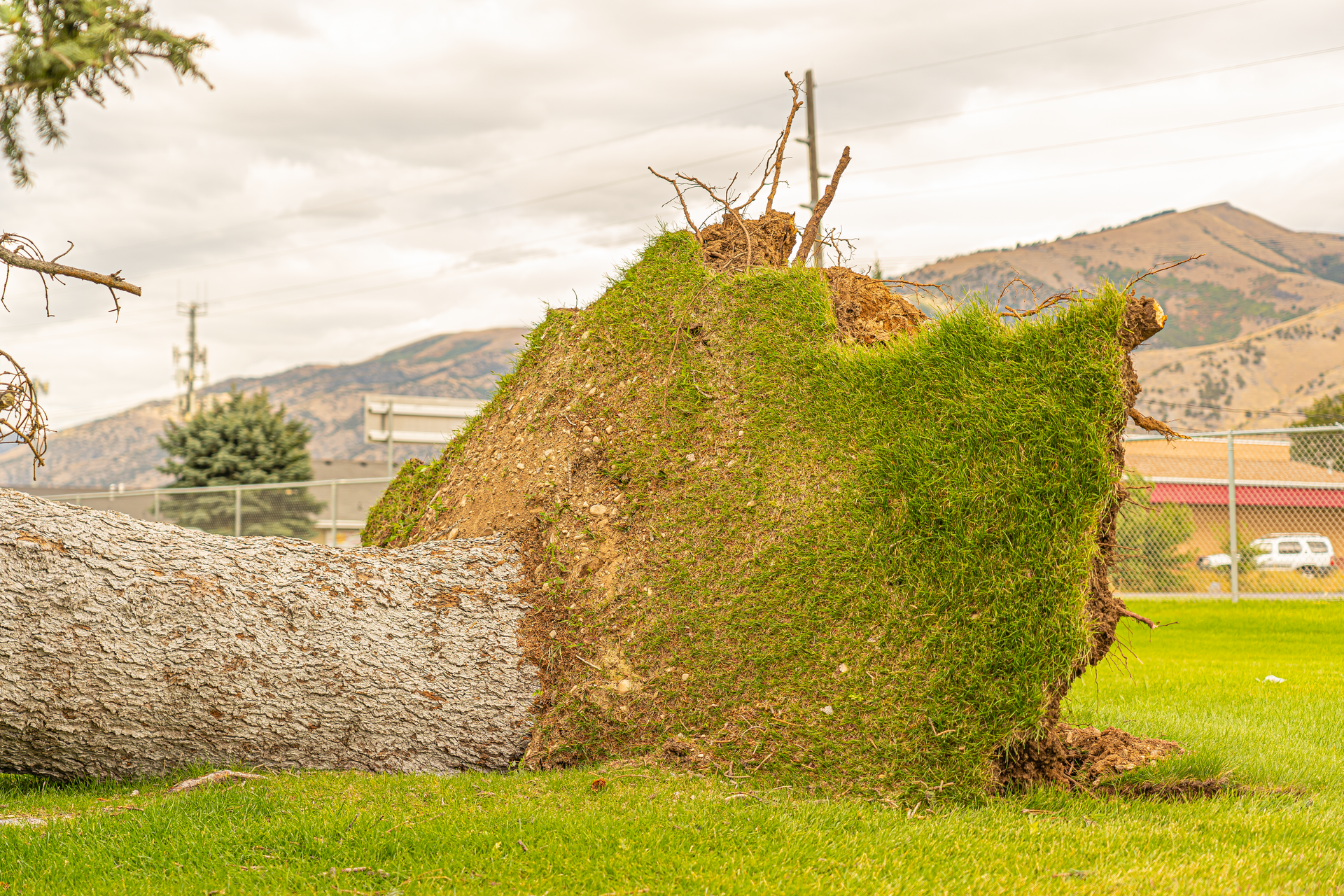
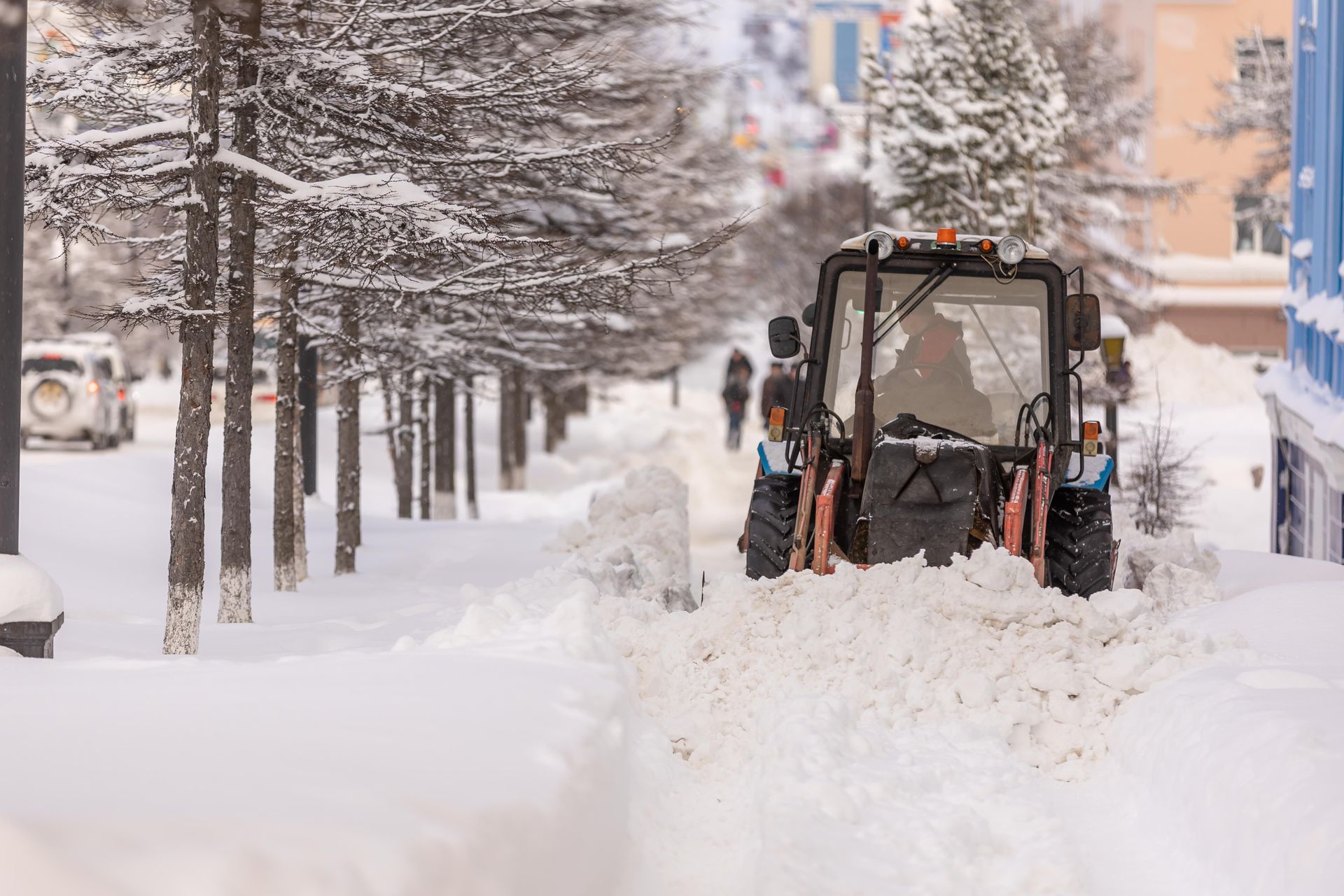
Winter can create several types of exterior property damage. Snow piles can crush shrubs, damage turf, bend bed edges, cover irrigation heads, and block drainage paths. Plows can scrape curbs, push rock into lawns, or damage parking lot edges. Meltwater can refreeze in low spots and create recurring ice issues.
If the same areas get damaged every winter, the restoration plan should include snow storage planning. Repairing the bed or turf is helpful, but preventing repeat damage is better.
How Property Damage Spreads if You Wait
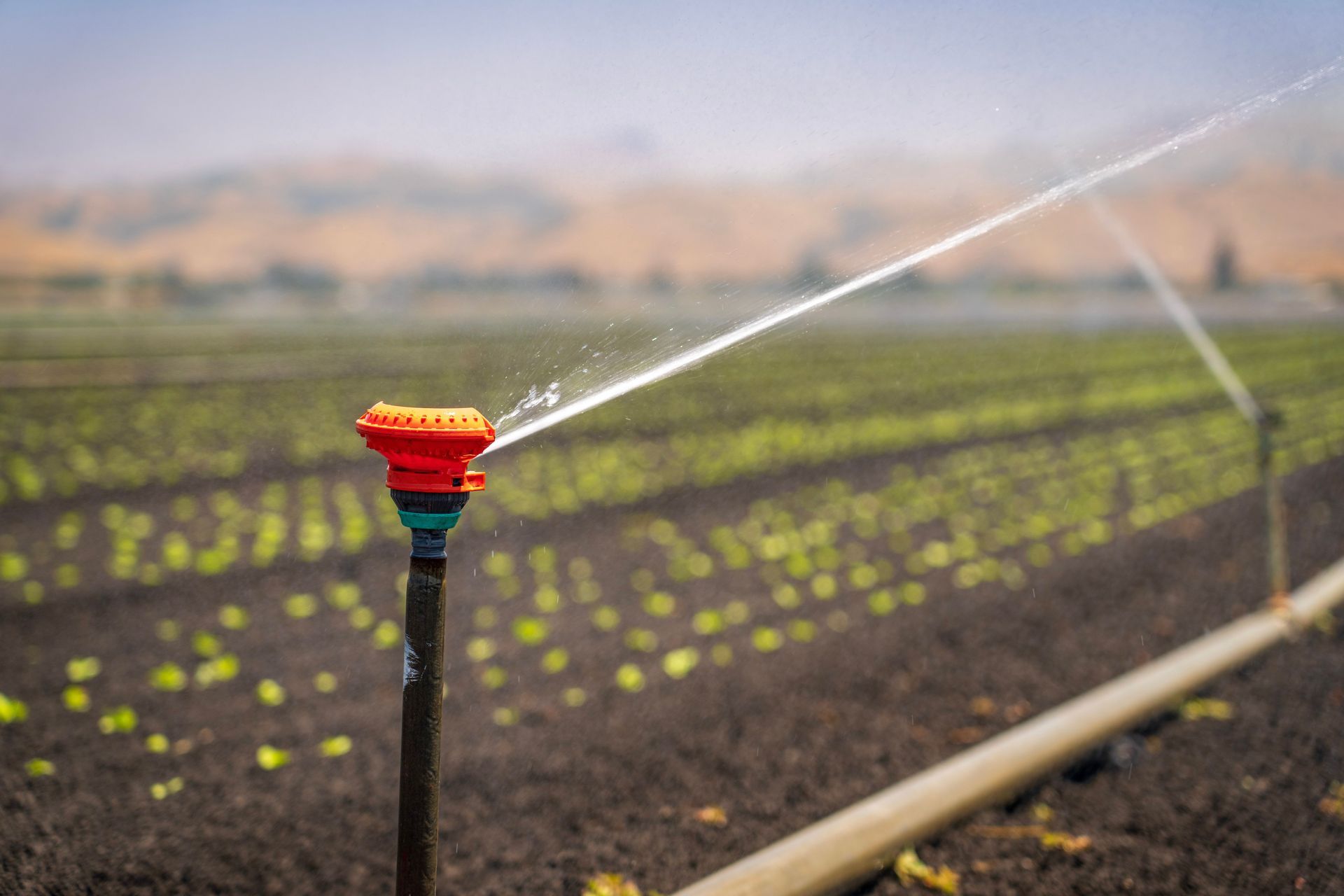
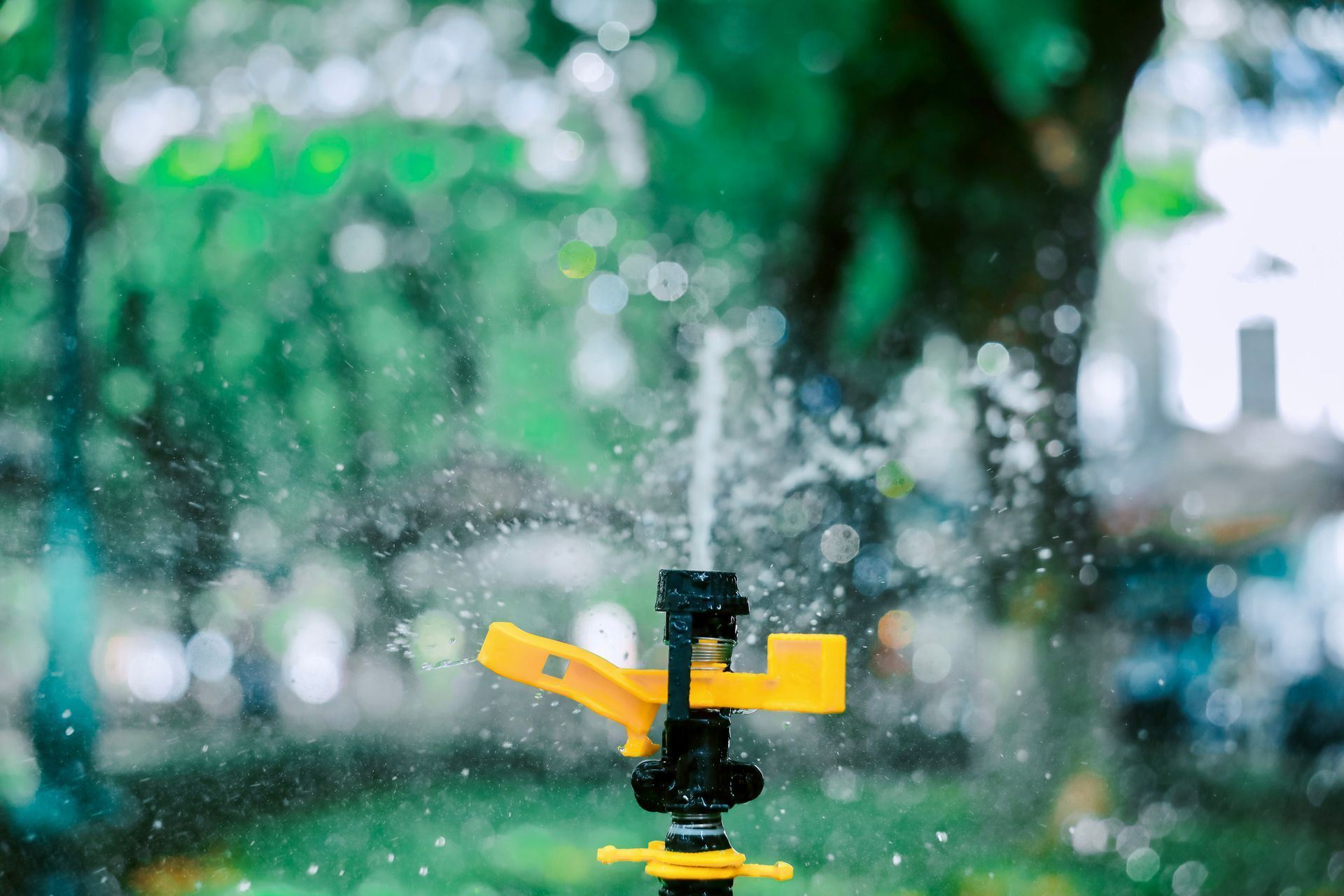
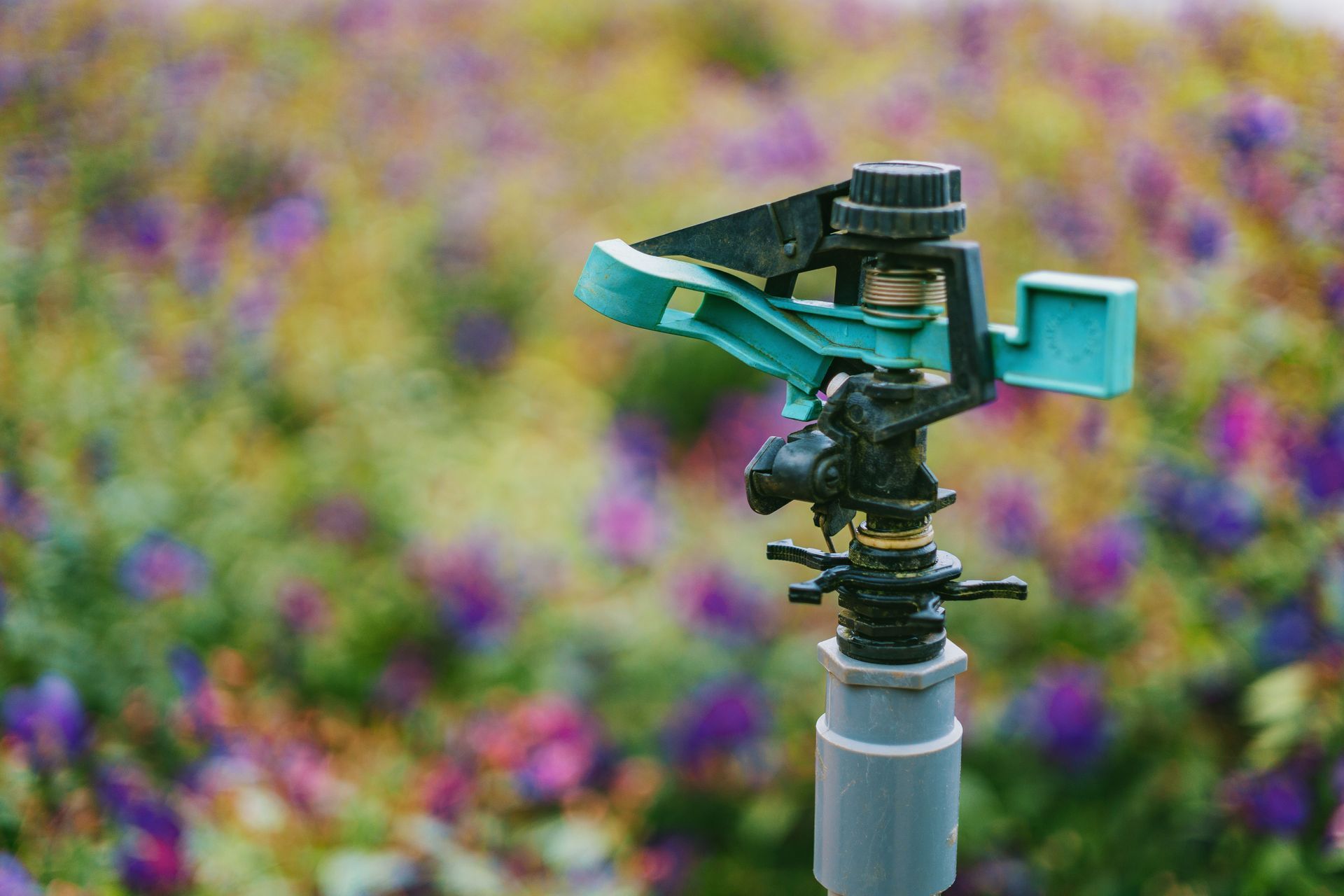
Property damage rarely stays contained. A small drainage problem can turn into lawn failure, patio settling, landscape bed erosion, and asphalt edge damage. A broken sprinkler head can lead to dead turf, weeds, muddy soil, and wasted water. A small crack in pavement can expand into a larger repair area.
Dead turf is a good example. Once grass thins out, weeds move in quickly. Bare soil becomes dusty in dry conditions and muddy when wet. The area becomes harder to restore because the root system is gone and the soil may need repair before new sod or seed can succeed.
The same is true for landscape beds. If edging fails and rock or mulch migrates into the lawn, mowing becomes harder. If weeds spread through the bed, cleanup becomes more labor-intensive. If drainage keeps washing material away, replacing the material alone will not solve the problem.
Property Damage Restoration for Homeowners
For homeowners, property damage restoration is often about making the yard usable again. You may need help after snow melt, irrigation failure, storm runoff, construction traffic, pet damage, or years of deferred maintenance.
Common homeowner restoration needs include dead lawn sections, muddy areas near doors, washed-out mulch, damaged shrubs, cracked driveways, settled patio edges, broken sprinkler heads, and poor drainage near outdoor seating areas.
The best approach is to restore the property in the right order. First, identify the cause. Then correct drainage, irrigation, grading, access, or surface issues. After that, repair the visible damage with turf, rock, mulch, plants, hardscape adjustments, or cleanup.
If you restore the surface before fixing the cause, the same problem may return within a season.
Property Damage Restoration for Commercial Properties
Commercial properties often need faster attention because more people use the site every day. Customers, tenants, employees, delivery drivers, vendors, and maintenance crews rely on safe access and clear circulation.
For commercial sites, property damage can affect operations. A damaged parking lot may confuse traffic. Ice-prone walkways can create access concerns. Dead landscaping near an entry may hurt the first impression. Irrigation runoff across pavement can create waste and recurring maintenance issues.
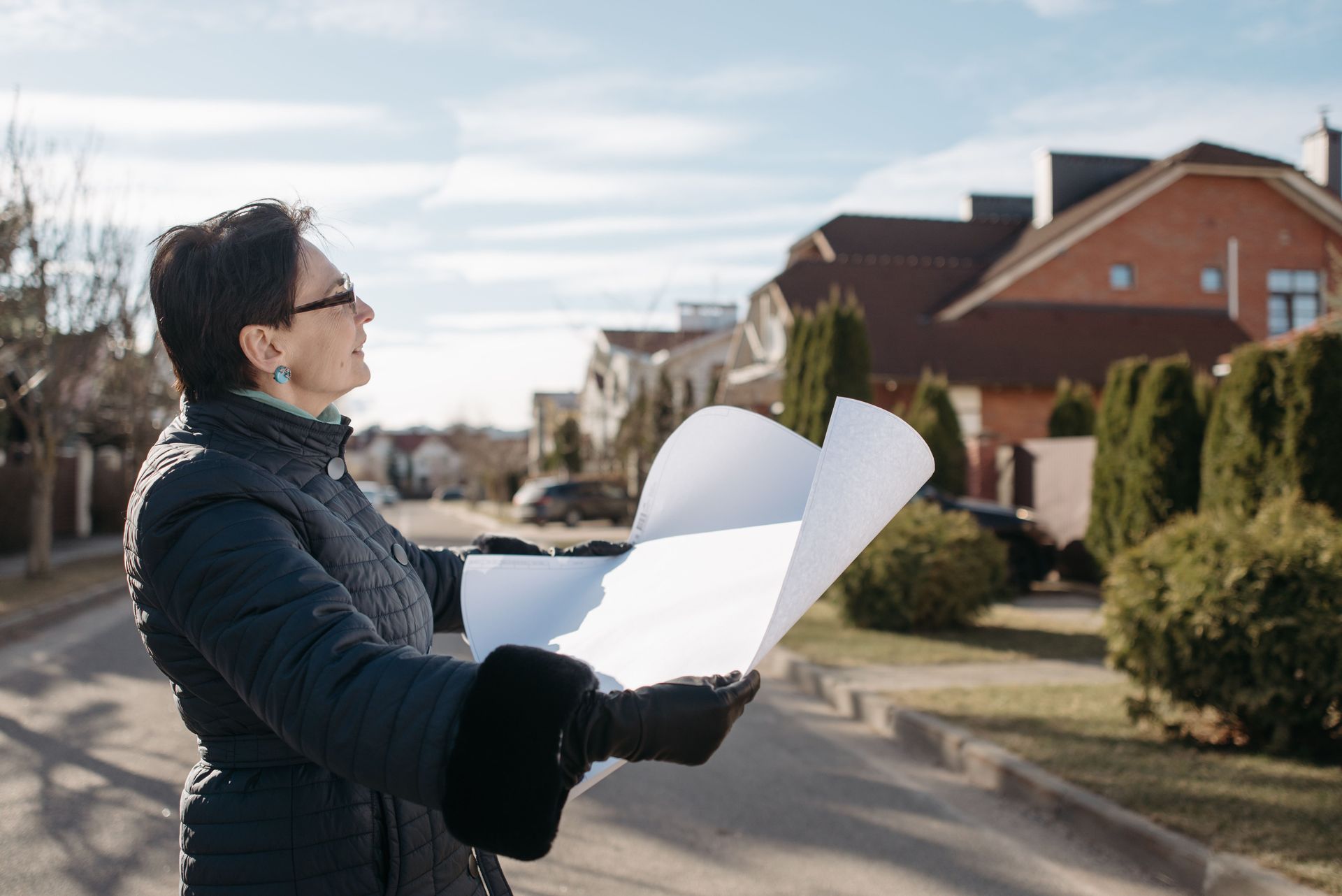
Commercial property managers should document damage with photos, track recurring problems, and note when issues happen. If the same parking lot edge breaks down every spring, there may be a drainage or snow storage issue. If the same turf area fails every summer, irrigation coverage may be the real problem.
Documentation helps prioritize repair budgets and prevents the property from being managed only by emergency response.
What a Restoration Assessment Should Include
A strong property damage restoration assessment should begin with the cause, not the cosmetic result.
Identify the Source of the Damage
Ask whether the damage came from water, irrigation, grading, snow, traffic, erosion, weeds, poor installation, or neglected maintenance. This step matters because the repair depends on the cause.
A muddy walkway edge and a dead turf area may require very different solutions, even if they are close together.
Prioritize Safety and Access
Entrances, walkways, parking areas, stairs, patios, drive lanes, and commercial traffic zones should be reviewed first. If damage affects how people move through the property, it should be prioritized before purely cosmetic work.
Review Water Movement
Water movement should always be part of the assessment. Look at roof runoff, downspouts, slopes, low spots, irrigation overspray, snow melt, and parking lot drainage.
Many exterior property problems are water problems in disguise.
Build a Restoration and Prevention Plan
A complete plan may include immediate cleanup, corrective repair, replacement where needed, irrigation adjustment, drainage improvement, seasonal maintenance, and ongoing inspections.
The goal is not only to make the property look better today. The goal is to keep the same damage from returning.
Common Restoration Services That May Be Needed
Depending on the damage, restoration may include landscape bed cleanup, weed removal, shrub trimming, turf repair, sod replacement, soil correction, irrigation repair, decorative rock or mulch replacement, patio edge repair, asphalt repair, parking lot maintenance, or snow damage cleanup.
In some cases, the better long-term solution is not replacing the same material. A lawn strip that dies every year beside a hot driveway may be better converted into decorative rock, drought-tolerant planting, or a defined walkway. A muddy transition between a patio and lawn may need a drainage correction or hardscape connection. A snow-damaged bed may need a lower-profile winter-tolerant design.
Good restoration should be practical. It should improve the way the property works, not just reset it to the condition that failed.
How to Prevent Future Property Damage
Prevention starts with seasonal review. Inspect your property after snow melt, during summer heat, before fall cleanup, and before winter storms.
Keep irrigation adjusted before turf fails. Fix broken heads, overspray, dry zones, and leaks early. Keep landscape beds edged and clear so material does not migrate into walkways or lawns. Address asphalt cracks before water and winter conditions expand them.
Plan snow storage before winter. Decide where snow should be pushed, which beds need protection, where ice tends to form, and how meltwater will move.
For commercial properties, this type of planning should be built into the maintenance agreement. For homeowners, it can be part of a seasonal property walk-through.
Final Thoughts: When Do You Need a Property Damage Restoration Service?
You need a property damage restoration service when exterior damage affects safety, access, drainage, curb appeal, turf health, irrigation, asphalt, patios, walkways, or long-term property value. The sooner the cause is identified, the easier it is to prevent the damage from spreading.
For properties in Montrose, Delta, or Ridgeway, the best restoration approach is practical and preventive. Repair what is damaged, correct what caused it, and create a maintenance plan that keeps the same issue from returning.
If you are dealing with damaged landscaping, irrigation issues, drainage problems, asphalt wear, snow-related damage, or exterior property repair needs, Alpine Property Services can help evaluate the issue and recommend practical next steps for restoration and long-term maintenance.