commercial property maintenance services | what you need to know.
Common Commercial Property Maintenance Questions we get
- What are commercial property maintenance services? Commercial property maintenance services are the routine, seasonal, and corrective exterior services that keep a business property safe, clean, accessible, and professional. This can include landscaping, lawn care, turf and weed control, irrigation, asphalt maintenance, parking lot striping, snow removal, ice management, drainage review, patios, water features, and seasonal cleanup.
- How often should commercial property maintenance be done? During the growing season, many properties need weekly or biweekly landscape and lawn care. Irrigation, asphalt, parking lot painting, snow planning, and seasonal cleanup may be scheduled monthly, seasonally, or before major weather changes.
- Why is commercial property maintenance important? It protects curb appeal, improves safety, supports customers and tenants, reduces repair costs, and helps the property look professionally managed year round.
- What is included in a commercial maintenance plan? A strong plan may include mowing, trimming, weed control, turf care, irrigation inspections, landscape bed maintenance, asphalt repair, parking lot striping, snow and ice management, debris removal, drainage review, and exterior property improvement planning.
- Is commercial landscaping different from residential landscaping? Yes. Commercial landscaping must consider heavier foot traffic, parking lot visibility, customer access, signage, snow storage, safety, irrigation efficiency, and lower-maintenance design choices.
- When should commercial snow removal be planned? Before winter. Snow routes, priority entrances, parking lot access, de-icing needs, and snow pile locations should be reviewed before the first storm.
- Why should asphalt and parking lot care be included? Your parking lot is often the first part of the property customers, tenants, or vendors experience. Cracks, faded lines, poor drainage, potholes, and unclear markings can make the property look neglected and harder to navigate.
- What should you ask before hiring a commercial property maintenance company? Ask what services are included, how scheduling works, how issues are reported, whether snow response is available, how irrigation problems are handled, and whether the company can support both routine maintenance and larger property improvements.

If you are comparing commercial property maintenance services in Montrose, Delta, or Olathe, you are probably trying to protect more than curb appeal. A well-maintained commercial property affects safety, customer experience, tenant satisfaction, employee access, parking lot usability, snow response, landscaping health, and long-term repair costs.
Whether you manage an office building, retail center, apartment property, HOA, restaurant, medical office, industrial site, or local business frontage, the right maintenance plan helps your property look professional and function better in every season. Commercial maintenance is not just mowing grass or clearing snow. It is a coordinated approach to keeping the entire exterior reliable, clean, attractive, and easy to use.
“Commercial property maintenance works best when it is planned before problems are visible. The goal is to protect access, appearance, safety, and property value before small issues turn into expensive repairs.”
Alpine Property Services expert insight
What Are Commercial Property Maintenance Services?
Commercial property maintenance services are the exterior services that help a business or managed property stay clean, safe, accessible, and presentable. The work may be routine, seasonal, or corrective, depending on the needs of the property.
For one property, that may mean weekly mowing, edging, irrigation checks, and weed control. For another, it may mean snow removal, asphalt maintenance, parking lot striping, landscape bed cleanup, drainage review, and seasonal property improvement projects.
The best commercial maintenance plan is not built around a single service. It is built around how the property is used. A retail center needs clean entrances, visible parking lines, safe walkways, and attractive frontage. An apartment property needs common areas, lawns, snow access, and durable landscaping. An industrial property may prioritize access roads, drainage, weed control, snow response, and functional exterior care.

Why Commercial Property Maintenance Matters

Your exterior is the first impression many people have of your business or property. Before someone walks through the door, they see the parking lot, landscaping, sidewalks, signage, lawn areas, snow conditions, and general cleanliness of the site.
If the grass is overgrown, shrubs block signs, irrigation runoff crosses the sidewalk, parking lines are faded, or snow piles make access difficult, people notice. Even if the building itself is well run, the exterior can make the property feel neglected.
It Protects Safety and Access
Commercial properties have more people moving through them than most residential properties. Customers, employees, tenants, vendors, delivery drivers, and maintenance crews all need clear access.
That means walkways should be visible. Parking areas should be understandable. Shrubs should not block sightlines. Snow and ice should be managed before they create avoidable access issues. Landscape beds should not spill into pedestrian routes or collect debris near entrances.
Maintenance is not only about appearance. It is about keeping the property usable.
It Reduces Avoidable Repair Costs
Small exterior problems often grow when they are ignored. A broken sprinkler head can create dead turf or water pooling. Poor drainage can damage landscape beds, sidewalks, or asphalt edges. Weeds can spread through turf, rock beds, and pavement joints. Small asphalt cracks can expand through weather, traffic, and freeze-thaw conditions.
Alpine Property Services often sees commercial sites where the visible problem is only the final symptom. A dry lawn section may trace back to uneven irrigation coverage. A muddy entry may come from drainage and foot traffic patterns. A rough parking lot edge may be connected to runoff, snow storage, or neglected crack repair.
A proactive plan helps you fix the cause instead of repeatedly treating the symptom.
Core Services Every Commercial Property Should Consider
Every commercial property is different, but most maintenance plans should account for landscaping, irrigation, turf, weeds, pavement, snow, and seasonal cleanup.
Commercial Landscaping and Lawn Care
Commercial landscaping should look clean and professional, but it also needs to be serviceable. That means shrubs should be placed where they can be trimmed safely. Beds should have clean edges. Turf areas should be shaped for mowing. Plantings near signs, windows, lights, and drive lanes should stay low enough to preserve visibility.
Lawn care may include mowing, trimming, edging, turf monitoring, aeration planning, and seasonal adjustments. The goal is not simply to keep grass short. The goal is to keep lawn areas healthy, intentional, and appropriate for the amount of traffic they receive.
For commercial sites, low-maintenance design often performs better than delicate landscaping. Durable shrubs, structured beds, decorative rock, mulch, and practical turf areas can keep the property attractive without creating unnecessary labor.
Turf and Weed Control
Weeds around curbs, sidewalks, fence lines, parking lot edges, and landscape beds can quickly make a property look neglected. In turf areas, weeds often signal deeper issues such as thin grass, poor irrigation, compacted soil, or inconsistent mowing.
Commercial weed control should be part of a larger turf and landscape plan. If weeds are treated but irrigation is still uneven, mowing is inconsistent, or soil is compacted, the problem may return.
The best approach is to combine weed control with healthy turf practices, proper watering, clean bed edges, and routine maintenance.
Irrigation Inspection and Repair
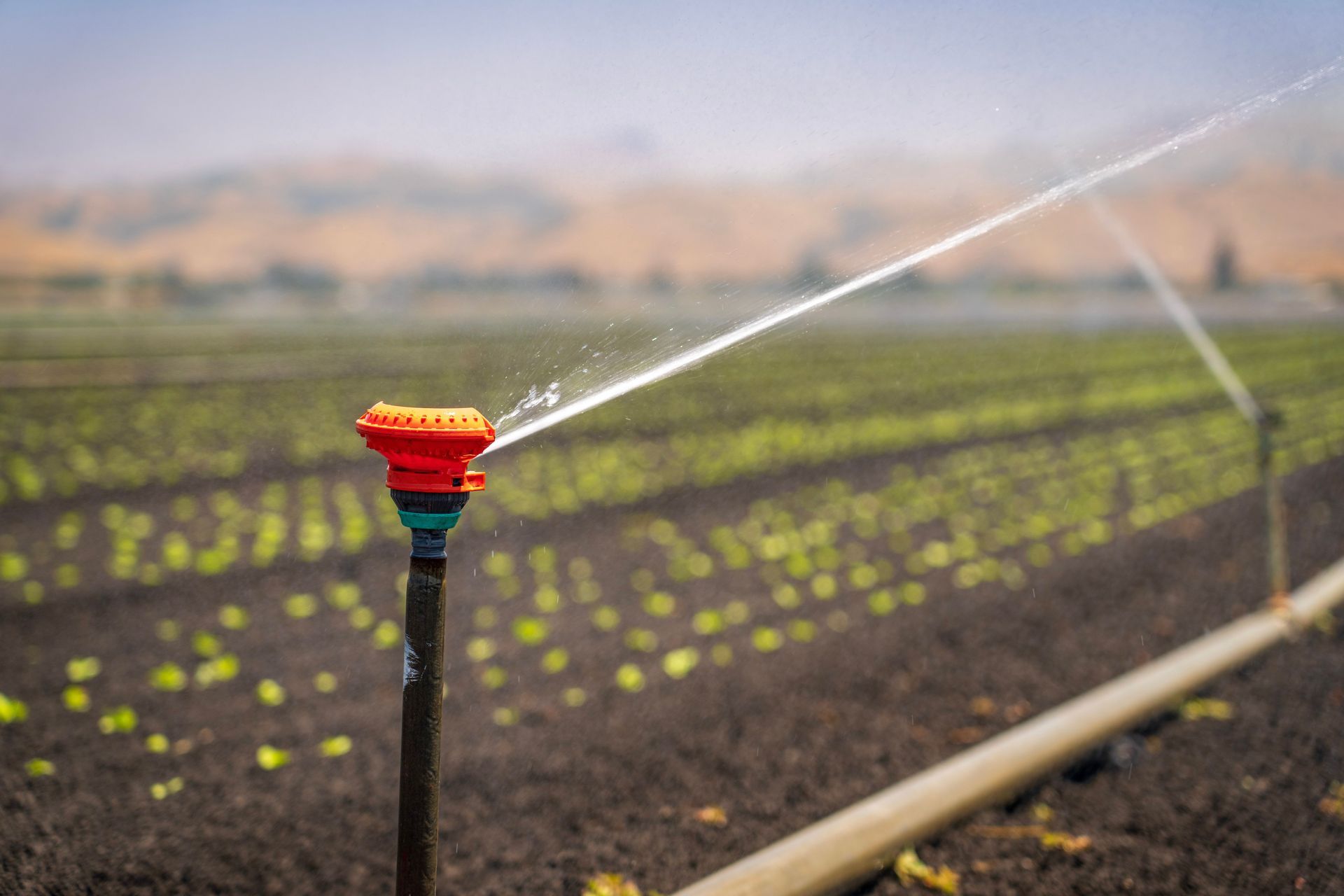
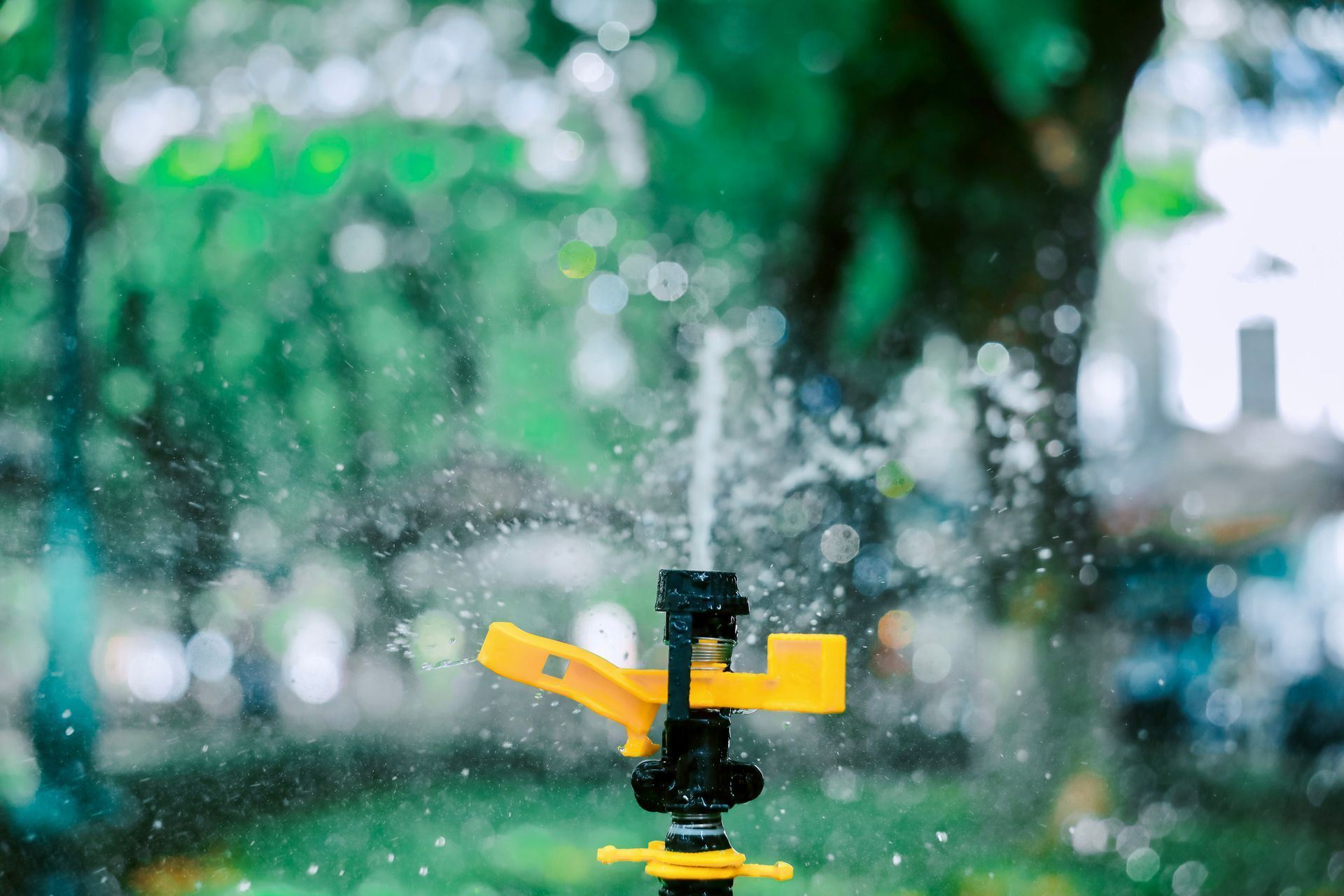
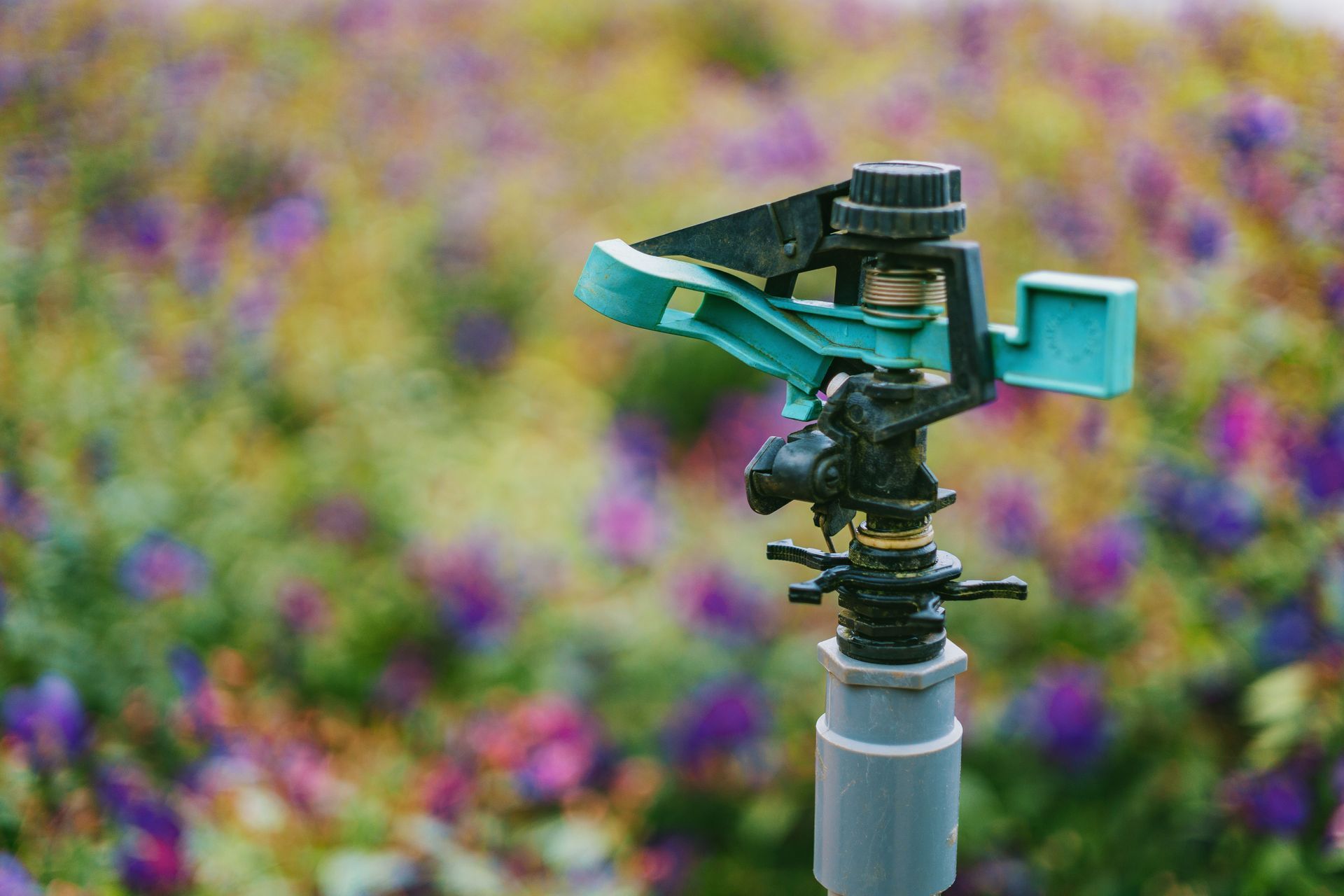
Irrigation problems can quietly damage a commercial property. A broken head may flood one area while leaving another dry. Overspray can waste water on sidewalks, drive lanes, or building walls. Poor pressure can create weak coverage. Drip irrigation in beds may fail without being obvious from a distance.
For property managers, irrigation inspections are especially important because problems are not always reported right away. A dry patch may appear before anyone realizes a zone has failed.
Commercial irrigation should be reviewed during spring startup, monitored through summer heat, and prepared for seasonal shutdown when needed.
Asphalt, Parking Lots, and Exterior Surfaces
Your parking lot is part of your property’s first impression. It also affects safety, access, drainage, snow removal, and traffic flow.
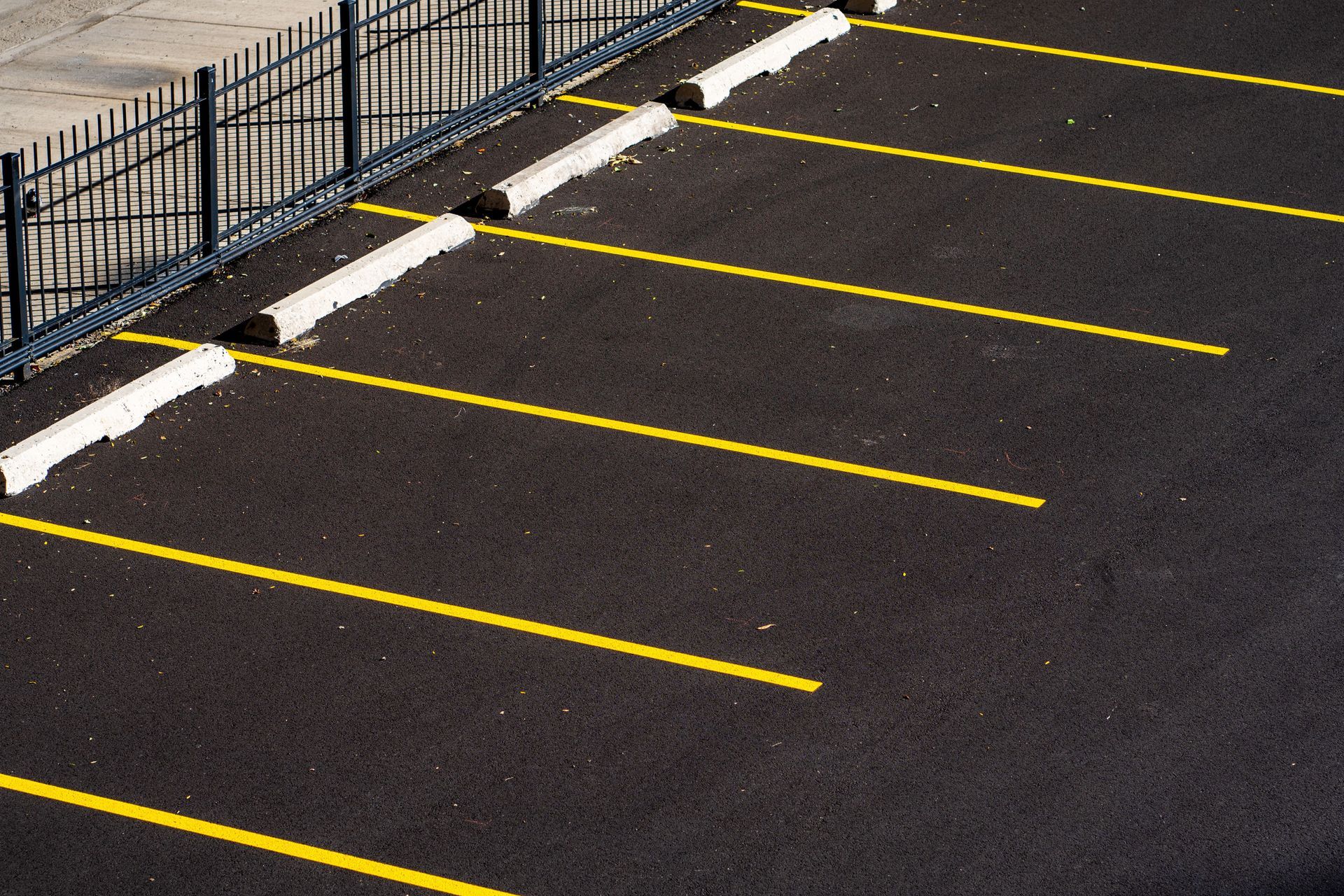
Cracks, potholes, faded striping, unclear directional markings, and poor drainage can make a property look less professional. They can also create confusion for drivers and pedestrians.
Why Parking Lot Maintenance Belongs in the Plan
Parking lots are exposed to traffic, sun, water, snow, ice, and seasonal wear. Small issues can become larger if they are not addressed. Cracks may widen. Edges may break down. Water may pool near curbs, entrances, or landscape beds. Striping may fade until parking flow becomes unclear.
A commercial property maintenance plan should include regular pavement review, especially after winter and before busy seasons.
How Landscaping and Asphalt Affect Each Other
Landscaping and asphalt are connected more often than property owners realize. Irrigation overspray can send water across pavement. Poor grading can direct runoff toward asphalt edges. Snow piles can damage curbs, turf, and planting beds. Overgrown plants can reduce visibility near parking areas.
When you maintain landscaping and pavement together, you can reduce conflicts between the two.
Snow and Ice Management for Commercial Properties
Winter maintenance should be planned before the first storm. Waiting until snow is already falling can lead to rushed decisions, unclear priorities, and poor snow storage.
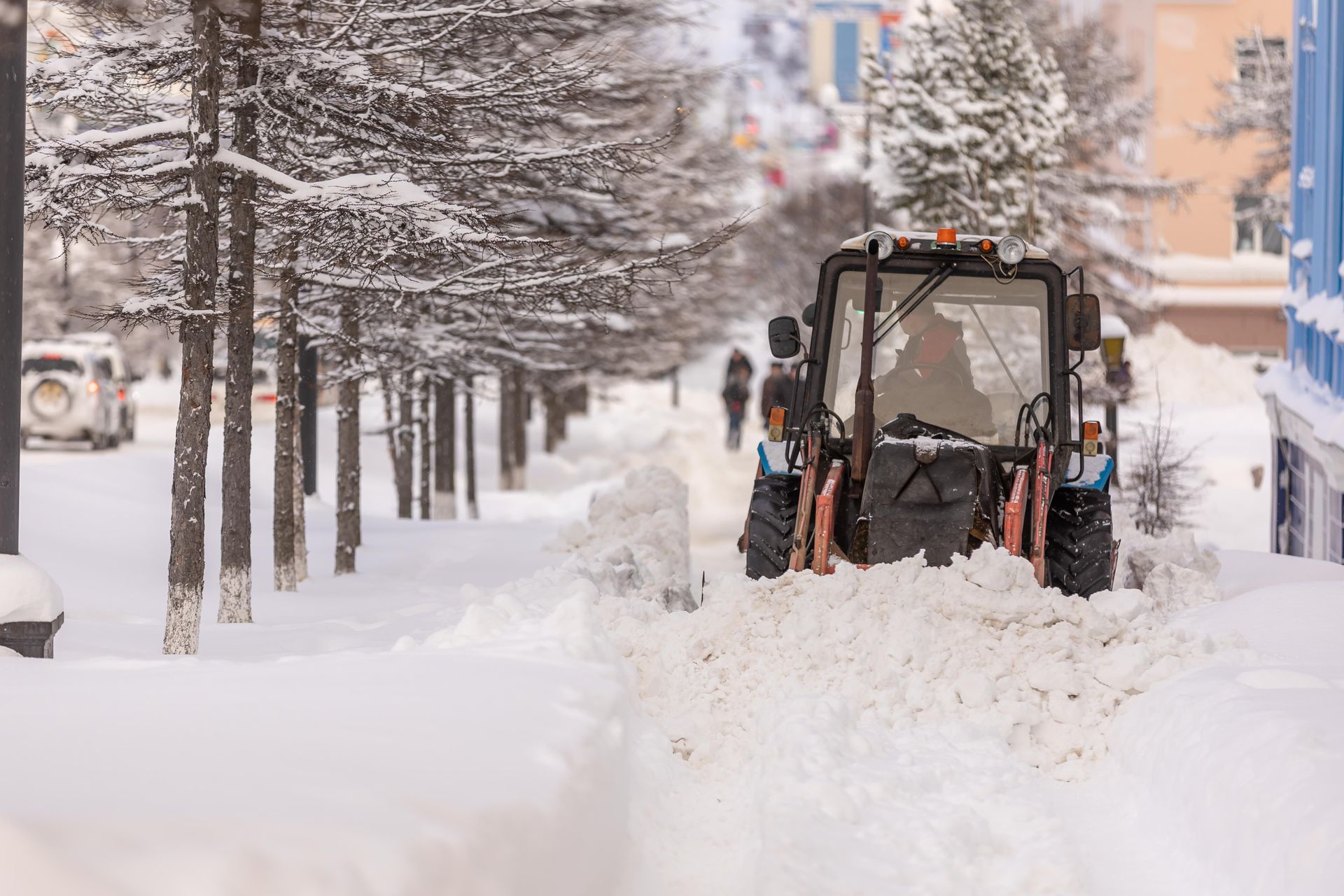
A commercial snow plan should identify priority entrances, parking areas, sidewalks, service routes, and areas where ice commonly forms. It should also determine where snow can be stored without blocking visibility, damaging landscaping, covering signs, or creating meltwater problems.
For properties in Montrose, Delta, and Olathe, winter conditions may affect customer access, tenant experience, employee safety, and delivery routes. A clear plan helps keep the property usable when weather changes quickly.
Seasonal Commercial Property Maintenance Plan

A strong maintenance plan changes with the season.
Spring
Spring is the time to inspect damage, clean beds, restart irrigation, check turf health, review asphalt conditions, and address drainage issues after snow melt. This is also a good time to refresh mulch, decorative rock, edging, and entry landscaping.
Summer
Summer maintenance focuses on mowing, trimming, irrigation adjustments, weed control, turf health, parking lot appearance, and high-visibility landscape care. Hot weather can reveal weak irrigation coverage and stressed turf quickly.
Fall
Fall is the time for leaf cleanup, final mowing, irrigation winterization planning, pavement review, snow storage planning, and preparing beds for winter. It is also a smart time to identify improvements for the following spring.
Winter
Winter maintenance includes snow removal, de-icing, walkway access, parking lot clearing, monitoring melt and refreeze zones, and protecting curbs, beds, and turf from snow damage.
Commercial Property Maintenance for Different Property Types
Office buildings need clean entries, professional landscaping, accessible walkways, and reliable snow response.
Retail centers need visible parking lines, clear storefront access, sign visibility, trash control, and attractive customer-facing landscaping.
Apartment communities and rental properties need durable common areas, turf care, snow removal, irrigation management, and landscapes that hold up to tenant use.
Restaurants and hospitality properties may need outdoor seating areas, patios, water features, entry landscaping, parking access, and consistent cleanup.
Industrial and service properties may prioritize drive lanes, weed control, drainage, snow access, functional pavement, and clear routes for trucks or equipment.
The right plan depends on how people use the site.
Questions to Ask Before Hiring a Commercial Property Maintenance Company
Before hiring a provider, ask what services are included in the maintenance plan. Make sure the scope is clear. Does it include lawn care, landscaping, irrigation, weed control, asphalt maintenance, parking lot painting, snow removal, seasonal cleanup, and reporting?
Ask how the company handles seasonal planning. You want a provider that thinks beyond this week’s mowing or the next storm.
Ask how problems are communicated. If a sprinkler head breaks, a patch of turf fails, a crack appears in the pavement, or a snow pile damages a bed edge, you need to know how that issue will be reported and prioritized.
Also ask whether the company can support both routine maintenance and larger improvements. Commercial properties often need more than basic upkeep. They may need patio areas, walkways, water features, landscape redesign, irrigation repairs, or pavement improvements over time.
Common Mistakes to Avoid
The biggest mistake is waiting until the property looks neglected. Commercial maintenance should be proactive.
Another mistake is treating each service separately. Landscaping, irrigation, asphalt, drainage, snow, and seasonal cleanup all affect one another.
Choosing the cheapest provider without comparing scope is also risky. A low bid may exclude important details such as edging, irrigation reporting, cleanup standards, snow response expectations, or seasonal planning.
Finally, do not ignore irrigation, drainage, or pavement until failure is obvious. By then, the repair is often more expensive than the preventive work would have been.
Commercial Property Maintenance Services Protect the Whole Property
Commercial property maintenance services help protect appearance, safety, access, and long-term value. The right plan should include the services your property needs through every season, from landscaping and irrigation to asphalt maintenance, parking lot striping, snow removal, weed control, and seasonal cleanup.
For commercial properties in Montrose, Delta, and Olathe, the best maintenance approach is consistent, practical, and proactive. When you maintain the full exterior instead of reacting to one problem at a time, your property looks better, works better, and costs less to recover over time.
If you manage or own a commercial property and need a reliable exterior maintenance plan, Alpine Property Services can help evaluate your priorities and build a practical path forward.