It is October in Montrose, and your lawn has started to slow down. The turf is growing slower, the mowing is stretching out, and the sprinklers are running less. But look at the edges. The dandelions are still green. Thistle rosettes are sitting flat against the ground in the rock beds. Bindweed is curling through the fence line like it has nowhere else to be. The grass is checking out for the season, and the weeds are not.
That contrast is not a coincidence, and it is exactly why fall weed control deserves a spot on your property calendar. In autumn, perennial weeds stop pushing energy upward into leaves and start pumping sugars down into their root systems to survive the winter. A treatment applied to actively growing foliage during that window travels down into the root structure with those sugars. That is the core reason a fall treatment can reach deeper into the plant than you might expect.
(This is general planning information, not a substitute for product label directions or local rules.) In Western Colorado, the window between summer heat fading and hard frost arriving is short, so the timing details below matter as much as the treatment itself.
Why Fall Weed Control Works Better Than Spring Spraying
To understand the fall advantage, picture where a perennial weed spends its energy at different points in the year. Dandelions, plantain, and clover, the classic perennial broadleaf weeds named by
Colorado State University Extension in its guide to broadleaf weed control in lawns, spend spring and early summer building top growth, flowering, and setting seed. Energy moves up. In fall, that direction reverses. The plant begins moving stored sugars down into its root system to survive winter and fuel next spring's growth.
That reversal is what makes fall special. A fall herbicide application applied to healthy, actively growing foliage is transported down into the root structure along with those sugars, which is why CSU Extension identifies fall, roughly early September through early November, as the preferred window for perennial broadleaf control.
The same CSU guide points to a second reason that matters on properties with flower beds, shrubs, and trees. Late spring applications carry more risk of damaging nearby ornamentals through drift or volatilization (the product turning into a vapor), which is another reason fall applications are preferred.
To be fair to spring, late spring and early summer treatments after flowering are still worthwhile, and
PlantTalk Colorado describes applications in late spring or early summer, after the weeds have flowered, as highly effective. The point is not that spring spraying fails. The point is that fall spraying works differently, and often more deeply, because the plant itself is cooperating by moving material downward.
A common owner question deserves a direct answer here: "If the weed is going to die back for winter anyway, why treat it?" The weed is not dying. It is storing reserves. The withered-looking rosette in your rock bed in November is a root system with a full pantry. Treating during the storage phase targets that pantry instead of just the foliage.
One regional note: higher, colder sites tend to see hard frost sooner than lower valleys, so the effective window closes earlier as conditions get harsher. Check what your own property is actually experiencing rather than assuming a single regional date applies everywhere.
Conditions That Make or Break a Fall Treatment
The fall window is not just a date range. It is a set of conditions, and getting them right is often the difference between a treatment that works and one that washes out.
CSU Extension's guidance for fall broadleaf applications comes down to a few practical points:
- The weeds should be actively growing and not drought-stressed.
- Apply on a calm, clear day, with temperatures roughly between 50 and 85 degrees F.
- Avoid mowing for about two days before and after application.
- Keep irrigation and rain off treated areas for roughly 12 hours afterward.
Drought stress deserves special attention in this region. Unirrigated properties and dry road edges often carry weeds that have hardened off for the season. A stressed plant is not moving much of anything, up or down, so it will not absorb or transport a treatment well.
SDSU Extension's guidance on fall herbicide applications for perennial weeds notes that adequate soil moisture improves fall control, which lines up with what you see on the ground here. A weed next to a sprinkler head looks and behaves very differently from one in a dry gravel strip.
Frost is the other big variable. A light frost is typically acceptable. Several hard freezes are not. Hard freezes damage leaf tissue, and damaged foliage cannot move the product down to the roots. If the foliage on your property has already been frost-killed, a treatment now will not do what you want it to do. In that situation, the honest answer is that your best move may be planning an early application next fall rather than forcing a late one this year.
If you handle applications yourself, read and follow the product label completely, every time. The label carries the authoritative instructions on timing, temperature limits, re-entry, and any grazing or planting restrictions for your specific site.
Where Fall Weed Spraying Pays Off on Western Colorado Properties
Fall weed spraying applies to far more than turf. On larger lots, the places where perennial weeds gain a foothold are usually everywhere except the middle of a healthy lawn.
Lawn edges and thin turf. Broadleaf weeds colonize where grass is weak. Edges along drives, walkways, and buildings, plus thin or shaded patches, are prime territory in fall because the turf is receding for the season while the weeds stay green.
Rock beds, gravel drives, and fence lines. These areas are common on larger properties around Montrose and Delta County, and they hold weeds all winter because there is no turf competition to crowd them out.
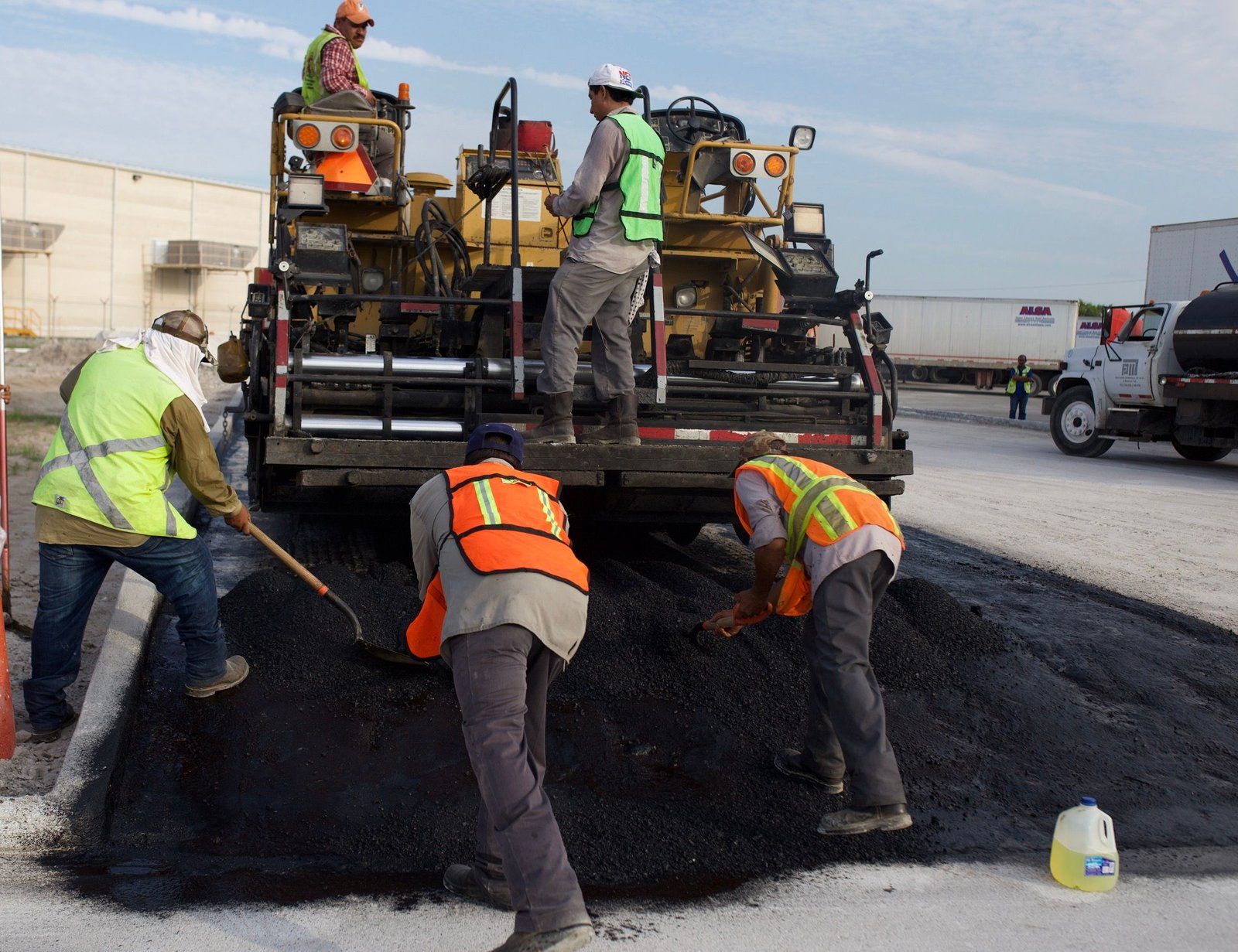
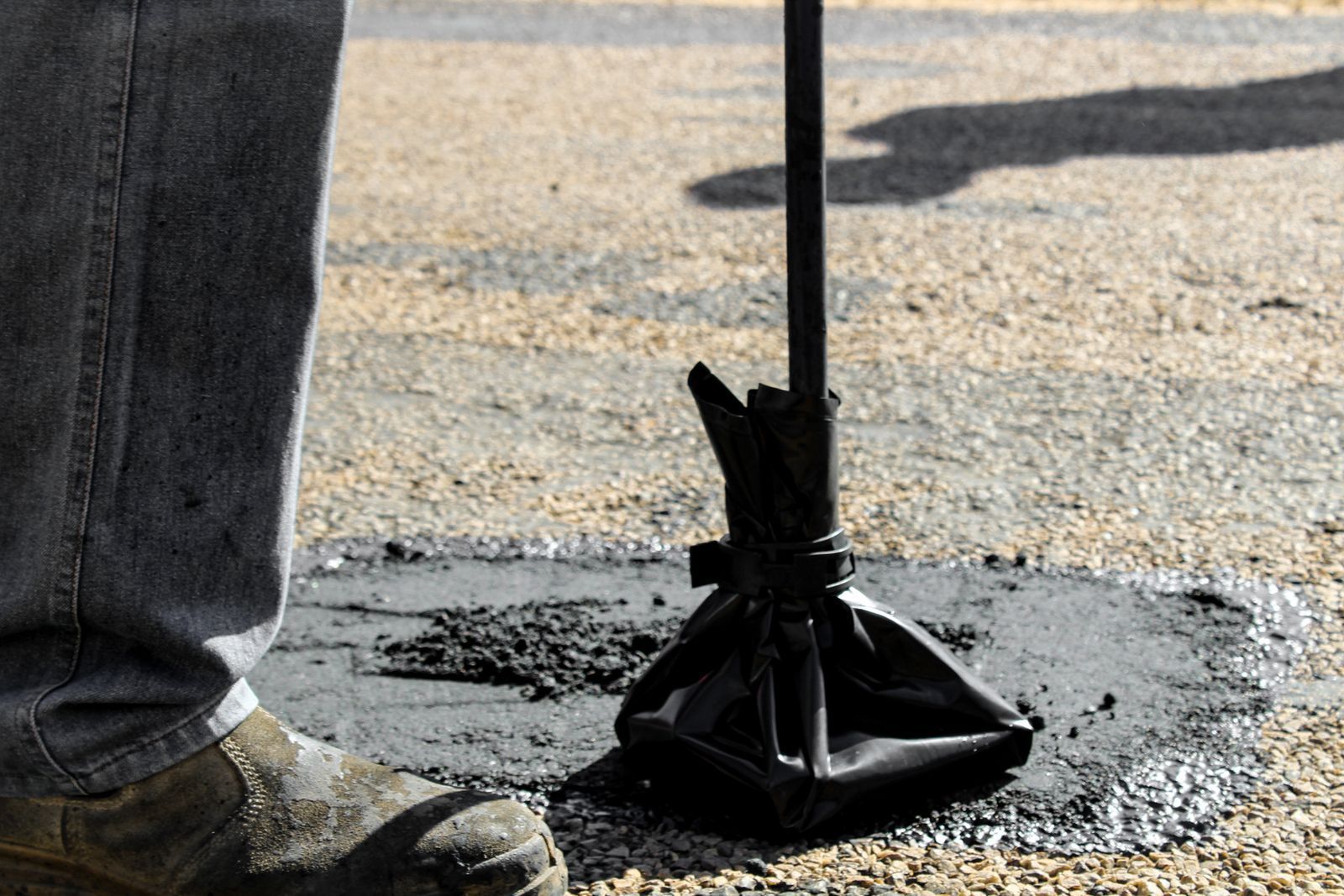
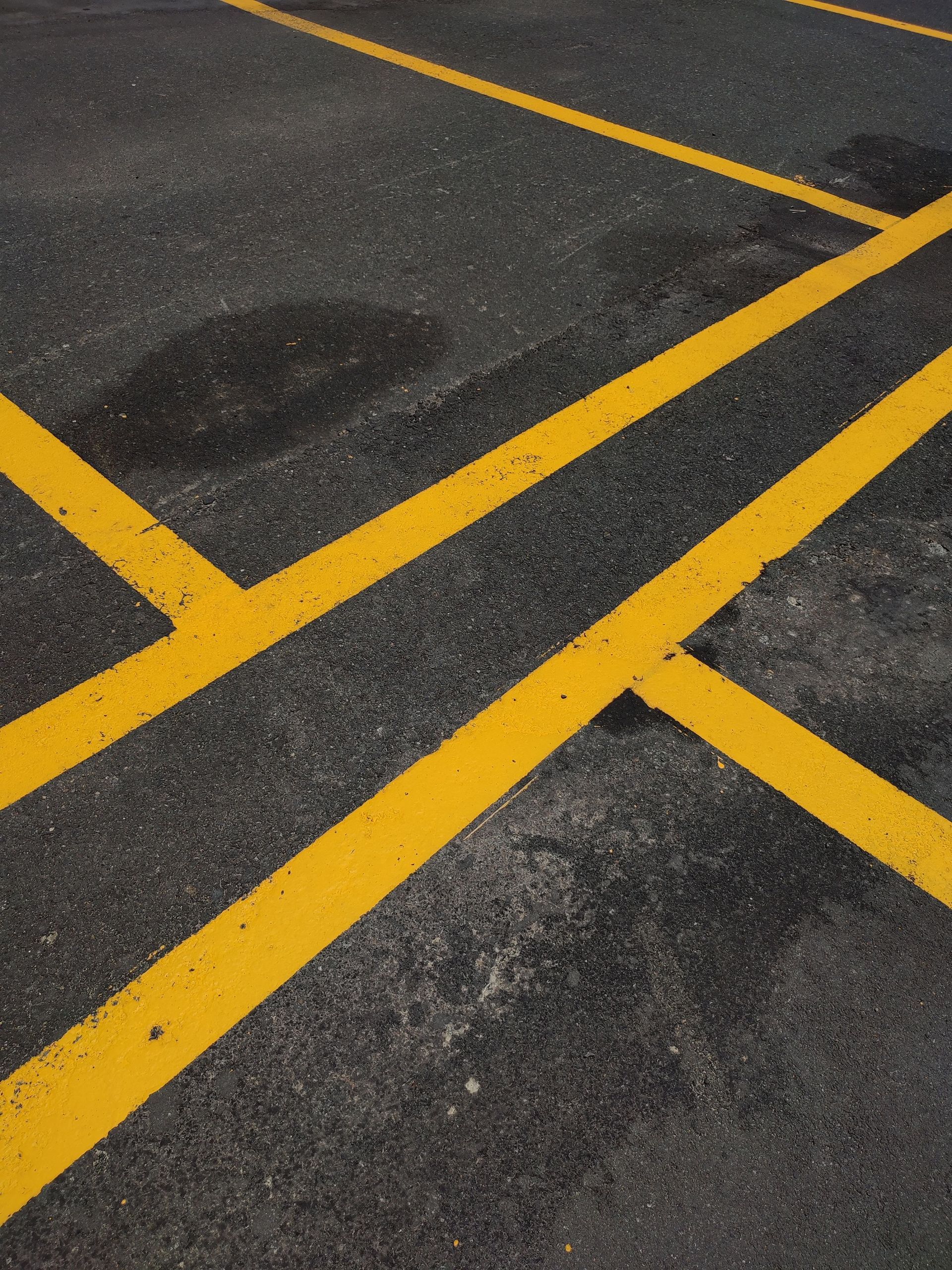
Pavement cracks, parking lot edges, and curbs. This is a major pain point for commercial properties and HOAs. Weeds rooted in pavement cracks are a sign the crack is open, and open cracks can let water in that freeze-thaw cycles then work on. What starts as a cosmetic problem becomes an asphalt maintenance problem. If cracks are part of the picture on your lot, that conversation belongs with
asphalt maintenance as much as with weed control.
There is also a neighbor consideration. Untreated stands can spread seed and root fragments to adjoining properties, and some species are regulated as noxious weeds in Colorado. The
Colorado Department of Agriculture's noxious weeds resource is the reference for identification and the state listing. Bindweed and Canada thistle are worth naming here only briefly: they are tougher perennials that usually take more than one season of well-timed treatment to bring down, no matter when you start.
How Our Turf and Weed Control Service Fits the Fall Window
Our
turf and weed control services cover turf spraying, weed control, and parking lot and paved-area spraying to reduce weeds in cracks and along edges. The work is done by licensed and trained technicians, we are licensed with the Colorado Department of Agriculture, and we offer seasonal treatment scheduling to help maintain results.
Why does that licensing matter to you as a property owner or manager? Licensing means the person applying products on your property operates under a state program, with the training and label compliance that go with it. For HOA boards and commercial property managers, that accountability is often worth as much as the treatment itself, especially when turf, curbs, and paved areas are all on the list.
If the weed problem is really a bed or layout problem,
our landscaping work may be the better long-term answer.
DIY Fall Broadleaf Weed Control vs. Hiring a Professional
Fall broadleaf weed control is one of the few lawn tasks a homeowner can reasonably attempt at small scale, so this is a genuinely balanced comparison.
When DIY makes sense. Spot-treating a handful of dandelions in a home lawn is manageable if you follow the label exactly and the conditions line up. PlantTalk Colorado recommends spot-treating weeds as they appear and emphasizes that cultural practices, meaning proper mowing, fertilizing, and irrigation, are the foundation of weed management. That framing is worth absorbing: a weed-free lawn is not a practical goal for anyone. Aim for management, not eradication.
When DIY breaks down. Large properties, HOA common areas, commercial lots, and pavement spraying at scale all push past what a hand sprayer handles well. So do hard-to-identify weeds, including grassy weeds that a broadleaf product will not touch, and steep or rocky terrain. There is also the record-keeping angle: HOAs and commercial managers often need documented treatments for their files.
What a provider will assess. Cost factors vary by property size and accessibility, turf acreage versus linear pavement footage, weed density, the number of distinct areas like fences, beds, and curbs, travel distance to outlying communities such as Telluride or Mountain Village, and whether the visit is bundled with other maintenance. These are assessment factors, not quotes. A reputable provider will walk the property and explain what they see before talking numbers.
Common DIY mistakes. Treating drought-stressed or frost-damaged weeds, spraying on windy days near desirable plants and gardens, mowing right before or after application, watering too soon, and using the wrong product for the weed type or site. Every one of these is avoidable with the label and the conditions list above.
Red flags when choosing any provider. No pesticide applicator licensing. No label offered on request. Unwillingness to explain conditions-based timing. Guarantees of total eradication, which are not realistic for perennials like bindweed. And pressure to treat after the foliage has already been knocked down by repeated hard freezes.
Setting Up Fall Weed Control That Carries Into Spring
The quiet payoff of a well-timed fall treatment is next spring. Because the treatment moves into the root system during the storage phase, it can mean fewer weeds coming back when the snow melts. That is why the fall window is worth protecting.
Fall is also the right moment to note the conditions that invited weeds in the first place. Look at mowing height going into the season, thin or bare spots that gave weeds an opening this year, and irrigation coverage gaps that stressed the turf. Dry corners and missed sprinkler heads are where broadleaf weeds often win, so
irrigation repair can be part of the long-term fix.
For HOA boards and commercial property managers, fall is a natural planning point for next season's maintenance calendar. Seasonal treatment scheduling is part of how we work, and that conversation is easier to have while this year's weed pressure is still fresh in mind.
Talk to a Local Team About Fall Weed Control
The fall window on the Western Slope closes quickly. Once hard freezes have repeated and the foliage is gone, treatment stops being useful until next year, so the practical move is to act while the weeds are still green and moving energy downward.
APS Alpine Property Services LLC is a family-owned company based in Montrose, serving Western Colorado since 1995 with more than 50 years of combined experience. If you want a second set of eyes on your property before the window closes, call
(970) 765-5904 or
visit the contact page to talk through your property and get a free estimate.