Why Freeze-Thaw Changes the Repair Math in Western Colorado
Water works its way into cracks, joints, and base material. Overnight it can freeze and expand. When it thaws, it settles in deeper or wider. Then the cycle repeats. Montrose and the surrounding Western Slope can see wide temperature swings between day and night in fall and spring, which means an open crack may go through repeated freeze-thaw cycles in a single season, not just one hard freeze.
The practical result is that the small crack you can ignore in October can become the pothole you are patching in February. Put the water-admitting defects first: open cracks, potholes, low spots that hold water, and patch edges that have started to lift. Lots at higher elevations can reach freezing conditions sooner, which leaves less margin for waiting.
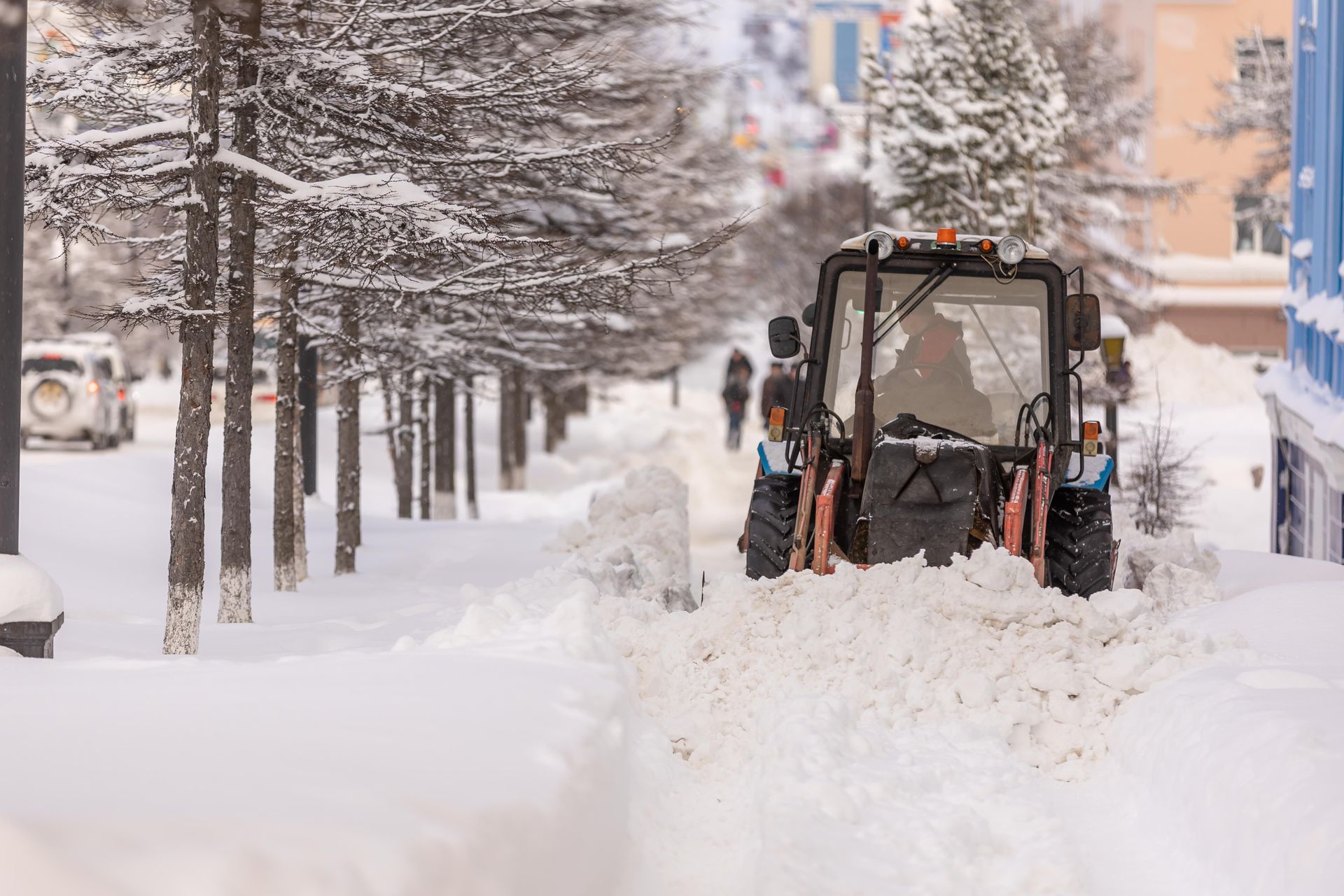
Snow operations also interact with repairs. A plow blade can catch a raised or poorly compacted patch edge and pull it out in the middle of winter. That is one more reason to finish patching before snow season and to tell whoever handles your plowing where raised edges are. If winter service is on your list too, Alpine also offers
snow and ice management.
Timing Parking Lot Repair Before Snow Season
Hot mix asphalt depends on temperature. It has to stay hot enough to be compacted properly, and the National Asphalt Pavement Association's
asphalt paving handbook explains that cold air and wind make the mat cool faster, which shortens the time available to reach good density. As nights get colder, the practical window for asphalt repair narrows.
Rather than assuming a calendar cutoff, ask each contractor whether current conditions still allow a proper repair, and let the answer shape your schedule. Asking early also gives you time to collect more than one written scope, so you are not choosing under pressure.
Waiting is sometimes the right call, but be honest about the tradeoff. A defect that lets water in and sits through a full winter is likely to be bigger in spring. Cold patch from a hardware store can serve as a short-term measure for a hazardous hole, and the FHWA's research on pothole patching notes that patches are often intended as only
temporary repairs. Treat it as a way to buy time, not as the fix.
DIY or Professional: What You Can Handle Yourself
Part of this job really does belong to you. The walk-through, sweeping loose debris out of cracks, photographing and tracking defects over time, and marking trip hazards with cones or paint until they are repaired all cost very little and make every contractor conversation sharper.
Where a professional earns the fee is in the parts that do not come in a bag: judging whether the base has failed, cutting clean boundaries, getting the compaction the repair needs, matching the method to the type of distress, and sequencing the follow-up work correctly.
One note for HOA boards and commercial owners, offered as a practical point and not legal advice. A trip hazard or wheel-damaging pothole that is documented in your minutes or maintenance log is one you will want to act on, or at least record why you deferred it.
Cost Factors and How to Compare Written Repair Scopes
Quotes for commercial parking lot repair differ for reasons you can usually identify. The main drivers are the square footage being repaired, the depth of the repair (surface patch or full-depth), the number of separate locations, whether the base needs work, whether an occupied lot needs traffic control or phasing, and how hard the areas are to reach around buildings, dumpsters, and utilities.
The most useful thing you can ask for is a written scope. A comparable quote should state where each repair is, its dimensions, how deep it goes, how failed base will be handled, how the edges will be prepared, and how the material will be compacted. Without those details, two quotes at the same price may not include the same work.
Watch for a few general red flags: pressure to sign on the spot, no written scope at all, reluctance to explain patch depth or base handling, and a quote that skips the drainage question even though you pointed out standing water. And remember that the lowest price per patch is not always the best value. A properly prepared patch in the right place can outlast several quick ones placed over a failing base.
Working With a Montrose Asphalt Maintenance Team
Alpine Property Services is a family-owned company based in Montrose. Its
asphalt maintenance work includes parking lot and driveway repair, paving, asphalt seal coating, striping, and parking lot sweeping, and the company describes more than 50 years of combined experience. Its stated approach starts with a site evaluation that identifies priority areas, followed by clear recommendations. That lines up with the questions above: what each defect means, what to fix before winter, and what can wait.
For the bigger picture of how repairs, coatings, and markings fit together over a year, Alpine's
commercial parking lot maintenance planning guide walks through the full sequence. Whoever you hire, the same test applies: ask the questions from the table and expect the answers in writing.
Getting Your Lot Evaluated Before the First Freeze
Walk the lot now, after a rain if you can, and photograph everything. List the water-admitting defects first. Collect written repair scopes while conditions still allow the work, and compare them on depth and method, not just price. Then decide with your contractor whether sealcoating and restriping make sense this fall or next season.
If you would like a second set of eyes on what your walk turned up, call Alpine Property Services at (970) 765-5904 for a free estimate, or reach out through the
contact page.