Parking Lot Sweeping: What Property Managers Should Expect
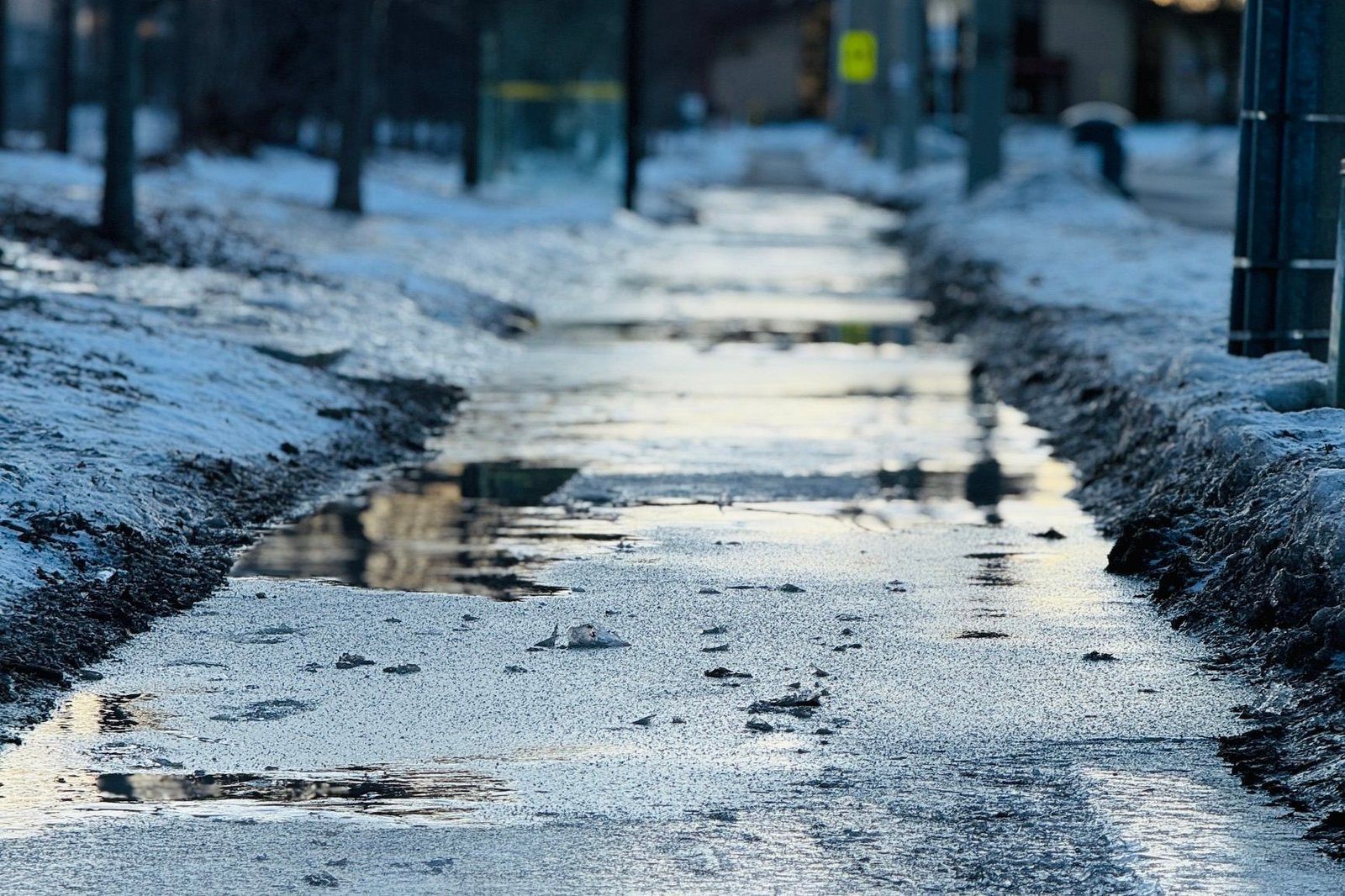
Walk any commercial lot in Montrose after the snow melts off and you will see the same story. Sand and fine gravel piled in neat lines along the curb. Grit washed into the low spots at the ends of stalls. Litter caught in the landscape edging and pushed up against drain inlets. Striping that looked crisp in October now sits under a dull film of dust. Most people read all of that as "the lot looks dirty," which is fair. But the debris layer is also doing quiet work on the pavement itself, and that part is easy to miss.
Professional parking lot sweeping addresses both halves of the problem at once: the appearance your tenants and customers notice first, and the abrasive material that shortens the life of your asphalt. What follows covers what a commercial sweep actually removes, why grit matters in Western Colorado's climate, the signs a lot is due, what drives cost, the DIY-versus-professional question, and how a clean surface sets up other pavement work.
What Professional Parking Lot Sweeping Actually Removes
Before getting into why sweeping matters, it helps to be clear about what the service actually does. Many property managers picture a broom-and-dustpan operation, or a groundskeeper with a leaf blower making a pass after mowing. Commercial sweeping is a different scope entirely: it targets material that a push broom or blower cannot reasonably clear across a full lot.
The Debris Layer: Grit, Sand, Gravel, and Fines
There is a difference between visible litter and the finer material that accumulates along curb lines, in parking stalls, and at drainage low points. A lot can be completely free of cups and wrappers and still carry a heavy load of destructive material.
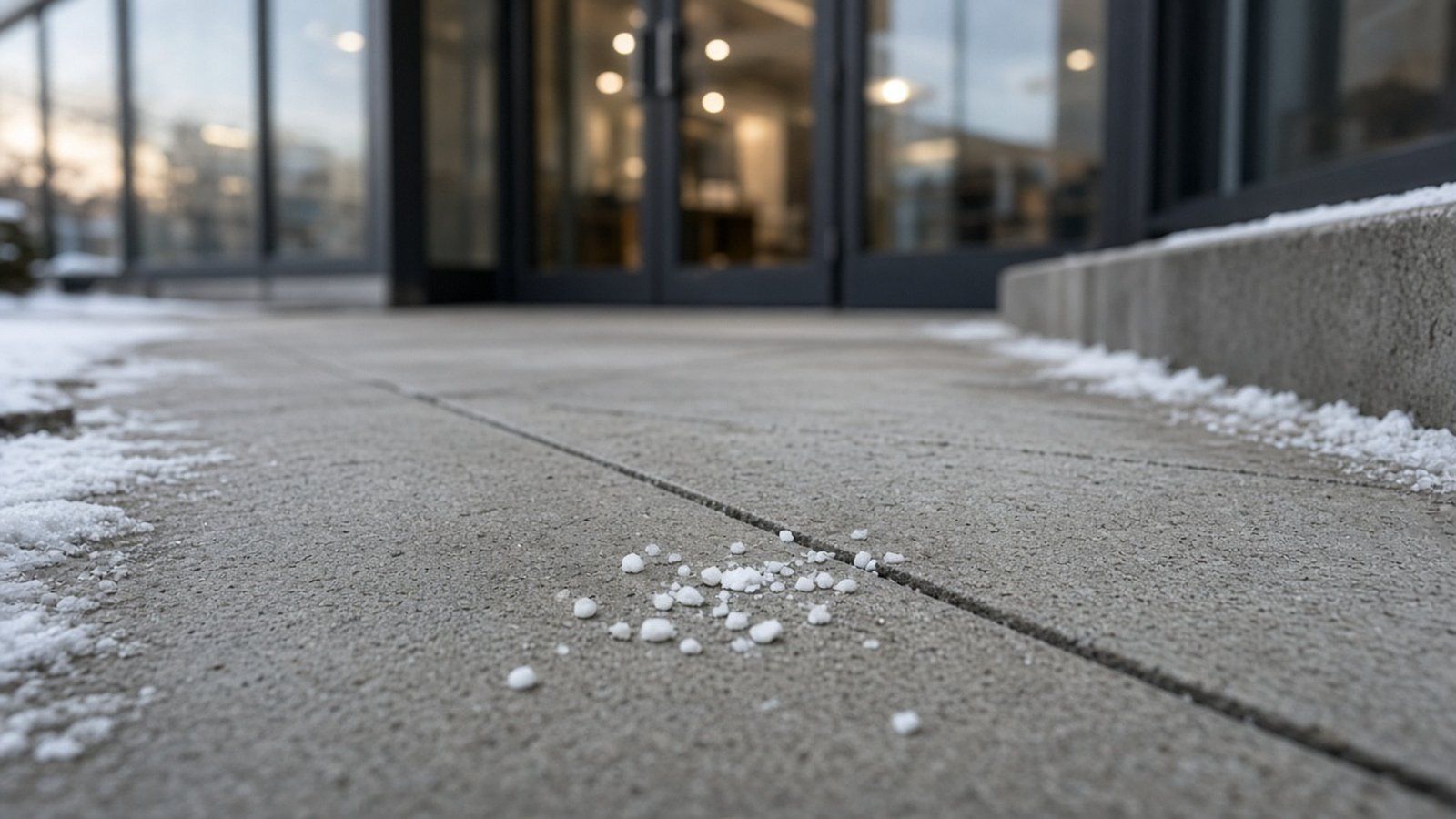
In Western Colorado, that fine material is the bulk of the problem. Winter traction sand gets applied to highways, driveways, and parking lots across the region, and vehicle tires track it everywhere. Wind events deposit silt and dust by the pickup-truck load, especially in the dry stretches between irrigation season and green-up. Once that material lands, traffic does the rest: every turning tire presses sand and grit against the asphalt surface and grinds it in.
A common buyer question is worth addressing directly: isn't a litter-free lot a clean lot? No. The abrasive fines are often nearly invisible at a glance, settled into the texture of the pavement itself, and they are the most damaging component of what accumulates.
Organic Matter and Seasonal Buildup
The second category is organic. Leaves, cottonwood fluff, seed heads, and windblown mulch from landscape islands all end up on the pavement, particularly in lots with mature trees and irrigated beds adjacent to the stalls. Organic debris creates two problems. It holds moisture against the asphalt surface, and it migrates into drain inlets where it combines with sand to clog the works.
Site context matters here. A lot surrounded by turf and planting beds collects considerably more organic debris than a bare lot on a gravel edge, so sweeping frequency often ends up following the property's landscaping. It is worth thinking about the two services together rather than separately.
Standing Water Traps and Drainage Points
Debris does not spread evenly. Wind and runoff carry it toward catch basins, curb inlets, and low spots, which is exactly where you do not want sediment building up. A professional sweep is not just a pass down the open driving lanes. It should include cleanup of the edges, corners, and drainage areas where material actually collects, because that is where both the pavement risk and the stormwater risk concentrate.
Why Grit and Debris Accelerate Pavement Wear
This is the part that turns sweeping from a cosmetic line item into a maintenance decision, so it is worth understanding the mechanism rather than taking a contractor's word for it.
The plain-language version is this: vehicle tires pressing sand and grit against asphalt under braking and turning loads abrade the surface layer over time. On aging pavement, that contributes to raveling, the gradual loss of the aggregate and binder from the surface that leaves asphalt rough, gray, and pitted. The Asphalt Institute, one of the recognized authorities on asphalt pavement technology, publishes guidance on pavement surface distress and the conditions that accelerate it, and abrasive surface contamination is a consistent theme in pavement-maintenance literature.
Moisture makes it worse. Debris piles hold water against the surface, and freeze-thaw cycling in fall and spring means moisture trapped in cracks and porous, worn areas can worsen existing damage as it expands and contracts. The Federal Highway Administration and state DOT research programs cover the mechanics of freeze-thaw damage in pavement for readers who want the technical detail.
There is also a water-quality angle. Sediment, sand, and debris that wash off parking lots end up in storm drainage systems, which is why the U.S. Environmental Protection Agency's stormwater program and Colorado's municipal stormwater (MS4) permit requirements treat pavement sweeping as a recognized best management practice for reducing pollutant loads in runoff. Keeping grit out of your catch basins is not just a pavement issue; it is part of being a responsible discharger.
Then there is safety. Loose gravel in drive lanes and crosswalks is a traction issue for vehicles and a slip issue for pedestrians, particularly in stall corners where people step out of vehicles. Debris-obscured striping reduces lot legibility, which matters until someone misses a stop bar or a fire lane.
And finally, the first-impression angle, kept brief because you already know it: for retail, medical, and multi-tenant properties, the parking lot is the first thing every tenant, customer, and visitor physically touches. A clean lot signals a managed property.
One more buyer question deserves a straight answer: my lot is fairly new, does it still need sweeping? Yes, and arguably more than an old one. Newer pavement has the most to lose. Keeping abrasives off the surface before wear begins protects the investment at its most valuable point.
When Does a Lot Need Sweeping? Signs Managers Can Walk and Check
Rather than prescribing a fixed interval, it is more useful to time sweeping around conditions. You can walk your own lot in ten minutes and check for these signs:
- Visible sand and gravel lines along curbs and in stall corners, especially after snowmelt or a wind event
- A dust film dulling striping and stall paint so lines look faded even when the paint itself is in good condition
- Litter collecting at landscape edges, building corners, and against wheel stops
- Drainage inlets beginning to collect sediment and organic matter
- Gravel scattered across drive lanes, crosswalks, and ADA-access routes
Timing follows the calendar loosely here. The stretch after plow season ends and before spring landscape growth starts is when winter traction sand becomes most visible and most manageable. Mountain corridors often leave heavier sanding residue than valley lots, simply because more sand goes down and gets tracked onto commercial pavement.
Beyond seasonal timing, certain events should trigger a sweep regardless of schedule: after high wind, after construction or heavy delivery activity on site, after landscape work, and after snowmelt. And if you are planning sealcoating, crack sealing, or restriping this season, sweeping beforehand is a sequencing decision covered later in this guide.
How Commercial Parking Lot Sweeping Works: What to Expect on Site
So a manager has looked at the lot and decided it needs a sweep. What does a professional visit actually look like? Described here in general industry terms, without claiming any particular provider's process.
Walkthrough and Scope
A reputable provider assesses the lot before quoting: size, condition, debris load, obstacles, and access. This walkthrough is also your opportunity to flag problem areas, whether that is the drain inlet that always clogs or the corner where snow gets plowed all winter.
Questions worth asking any provider:
- Are edges, corners, and drainage inlets included in the scope, or just the open lanes?
- How is post-sweep debris handled?
- Are there scheduling constraints to work around, such as tenant hours or delivery windows?
- How is access arranged if the lot is gated or has restricted areas?
The quality of the answers tells you a lot about the operation.
The Sweep Itself
In general industry practice, commercial sweeping is performed with mechanical or regenerative-air style sweeping equipment designed to pick up debris and fine material from both the open surface and the curb lines, where the pickup heads reach into the gutter. Hand work typically follows for corners, landscape islands, and areas the equipment cannot reach cleanly.
One practical reality worth knowing: very heavy debris or construction-scale material, such as leftover base course or demolition residue, may need different handling than routine sweeping. If your lot has been through construction recently, say so up front so the provider can scope it correctly.
Coordination With Other Maintenance
Sweeping rarely happens in a vacuum. A clean surface is the starting point for crack sealing, sealcoating, and fresh striping, so the sweep is often sequenced as the first step in a broader pavement plan. Alpine Property Services covers the full range of asphalt maintenance work if you are mapping out what a season of lot care could include.
Parking Lot Sweeping Cost Factors (Without Quotes)
Sweeping pricing is notoriously hard to find published, which frustrates property managers budgeting for the year. Rather than guess at numbers, here are the variables that shape any quote, so you can evaluate one when you receive it.
Lot size and layout. Square footage, stall count, and the width of curb lines all drive the work. Multiple buildings or satellite lots add complexity beyond raw area.
Debris load and type. Routine dust and litter is one job. Winter sand cleanout is a heavier job. Post-construction material is a different job entirely.
Frequency arrangement. A one-time cleanout and recurring service are priced differently, and the right arrangement depends on your site's debris profile.
Access and scheduling constraints. Overnight windows, tenant traffic, gate or fob access, and spring snow-storage areas all affect how a crew can work.
Travel and terrain. A valley lot sits in a different logistics picture than a higher-elevation site. Drive time and access are real factors for any provider covering the region.
One red flag to keep in mind: a quote given without anyone seeing the lot, or without asking about any of the factors above, is worth a second look.
DIY Sweeping vs. Hiring a Professional for Commercial Lots
Plenty of HOA boards and small-property owners start with DIY, and in some cases it genuinely makes sense.
When DIY works: very small lots, isolated spill cleanup, and quick litter pickup between professional visits. A volunteer crew with grabbers and bags can keep visible litter under control on a modest site.
Where DIY falls short: the volume of fine grit and sand across a full lot. This is the honest limitation. Blowers move debris but do not remove it; the material ends up in drains, landscape beds, or the neighbor's property, which trades one problem for another. Hand equipment struggles with compacted sand that has been ground into the pavement by months of traffic. And the staff time involved is real, whether it is volunteers or maintenance employees pulled off other tasks.
Safety and liability deserve a mention too. Staff or volunteers working in active traffic areas creates exposure that a professional crew, with proper equipment and traffic management practices, is set up to handle.
For HOA boards specifically, the question is less "can we" and more "should this be a volunteer task or a budgeted service." It is a decision framework, not a directive, and every board weighs volunteer capacity differently.
The honest answer to "can we just do it a few times a year ourselves?" is that partial cleanup is absolutely possible. But the abrasive fine-material load, especially after a hard winter, is what usually justifies professional equipment. Litter is the easy half of the job.
Why Sweeping Comes Before Sealcoating, Crack Sealing, and Restriping
If you are budgeting for pavement work this season, one sequencing rule will save you headaches: sweeping comes first.
The logic is surface preparation. Sealers, crack fillers, and pavement paints are formulated to bond to pavement, not to dust, sand, and organic material. Manufacturer guidance for sealers and traffic coatings consistently calls for clean, dry surfaces before application, and pavement-industry resources treat surface prep as a controlling factor in how coatings perform. Applying sealant or paint over a debris layer means bonding to the debris, and the results follow accordingly.
The practical takeaway: schedule the sweep before the pavement crew arrives so the surface is ready when they are. If your plan includes fresh parking lot striping or broader asphalt maintenance, the sweeping conversation belongs in the same planning session.
Choosing a Parking Lot Sweeping Provider in Montrose and the Western Slope
Selection guidance for a service like this comes down to a few practical points.
Local knowledge matters more than it might seem. Debris patterns in this region follow winter sanding, wind events, and irrigation-season dust, and a crew based in the region already understands the cycle. They know that the post-winter cleanout looks different on mountain corridors than it does on valley lots.
Ask about who actually performs the sweep (their own crew or a subcontractor), what the scope includes (specifically edges, corners, and drainage areas), insurance and commercial-property experience, and how sweeping coordinates with other maintenance work you have planned.
On Alpine Property Services specifically, the published site positions the company as family-owned and serving the area since 1995, with 50+ years of combined experience, competitive pricing, and a stand-behind-the-work satisfaction orientation. Those are the site's claims, presented plainly. Alpine is based in Montrose and serves surrounding Western Colorado communities. You can read more on the about page.
Red flags, whichever provider you call: pressure tactics, quotes with no site review, a scope description that never mentions edges or drains, and no discussion of access scheduling.
How Alpine Property Services Fits Parking Lot Sweeping Into Year-Round Lot Care
Sweeping is one piece of a full exterior-maintenance picture. Alpine Property Services handles it within the company's asphalt maintenance work, alongside parking lot painting, snow and ice management, irrigation, landscaping, turf and weed control, and related property services.
The seasonal arc for a Western Colorado commercial lot, framed generally, runs like this: winter snow and ice management, a spring sand-and-debris cleanout once the snow is gone, summer pavement and striping work on the clean surface, and ongoing landscape and turf care that keeps organic debris in check through the growing season. Each phase feeds the next, which is why a property manager who plans the year as a sequence tends to get more out of each individual service.
For a fuller walk-through of year-round lot planning, the broader guide on commercial parking lot maintenance in Montrose covers the complete picture.
Next Steps: Getting a Lot Sweeping Estimate
Before you call anyone, walk your lot. Check the curb lines, the stall corners, and the drain inlets. What you find there, the sand lines, the sediment in the inlets, the grit across the lanes, is exactly the information a provider needs to scope the job accurately.
When you are ready, call Alpine Property Services at (970) 765-5904, email alpinepropertyservices95@gmail.com, or use the contact page to request a free estimate. Alpine is based in Montrose at 340 Denny Ct, Montrose, CO 81401, and can answer scheduling questions directly when you reach out.
Recent Posts