
How Long Does Asphalt Last? What Shortens and Extends Its Life
Another Western Slope winter has come and gone, and you are standing in the parking lot doing the spring walkthrough. The surface that was near-black a few years ago has gone a washed-out gray. Fine gravel has migrated to the low end of the drive lane where the meltwater always runs. And that crack you noticed last spring, the one you could barely slide a business card into, is now wide enough to catch the toe of your boot.
Then comes the question from the board, the owner, or the budget spreadsheet: "How many years do we have left on this pavement?"
That question, how long does asphalt last, is really a planning question, not a calendar date. Published industry ranges can help you budget, but they are third-party planning guidance, not a warranty and not a prediction for your lot. What tends to shorten or extend life in a freeze-thaw, high-sun climate like Montrose and the Western Slope, and what you can actually see on the pavement, will tell you more than any single number.
First, the Honest Answer to "How Long Does Asphalt Last?"
Here is the direct answer, stated carefully. Industry guidance for commercial parking lots points to a design life of roughly 20 to 25 years, with up to 25 years of service possible when the pavement is built for its traffic and receives proper, timely maintenance. That comes from the Wisconsin Asphalt Pavement Association's 2021 Asphalt Parking Lot Design Guide.
Treat that range as a planning tool, not a promise. Two lots built the same year on the same street can have very different remaining lives because of drainage, truck traffic, and maintenance history. The number tells you what well-built, well-kept pavement is designed to achieve. It does not tell you what your pavement will do.
It also helps to separate three questions people tend to blur together:
- How long is new pavement designed to last? That is a design assumption, made before anything is built, based on expected traffic and the pavement structure specified for it.
- How long does it actually last? That depends on maintenance, loads, drainage, and climate, which is to say it depends on decisions made over decades.
- How much useful life is left in the pavement you already have? That is a condition judgment, and it is the question most managers and owners are really asking.
Freeze-thaw cycles, intense high-elevation sun, and snow-removal wear are hard on pavement here, so the condition of your lot or driveway should outweigh any published range.
A quick disambiguation, because search results for this question sometimes mix the two. Asphalt shingles are a roofing material with their own lifespan conversation. This article is about asphalt pavement: driveways, parking lots, and drive lanes.
What Industry Guides Actually Say About Asphalt Lifespan
Rather than rounding up scattered numbers from around the internet, it is worth looking at what the actual industry design guides say, caveats included.
The Wisconsin guide, written for a genuine freeze-thaw climate, states that a parking lot subject to Wisconsin weather has a life expectancy of up to 25 years with proper maintenance, and that a design engineer should specify pavement thickness to carry the identified traffic for a 20 to 25 year design period. Two of its other points matter just as much for planning. Skimping on the design structure shortens life and raises later repair costs, and truck traffic is by far the most crucial design influence on a parking lot. Timely, consistent maintenance is what allows a lot to reach its maximum life.
The Colorado Asphalt Pavement Association's guideline for the design and construction of asphalt parking lots in Colorado, published in 2006, is the closest home-state reference. It states that pavements in parking areas that are initially under-designed can experience excessive maintenance problems and a shortened service life, and that pre-planning, proper design, and proper construction are essential to a long lasting asphalt parking lot. Lifespan, in other words, is largely decided before the first heavy truck ever rolls on the surface.
One more figure shows up in national conversations and is easy to misapply. Researchers at the National Center for Asphalt Technology, in NCAT Report 18-02 (2018), reviewed Long-Term Pavement Performance data and found an average age at first rehabilitation of about 18 years among the road sections they studied. Those are highway and road sections in a federal research program, not parking lots. The figure cannot be read as a lot lifespan. If you are planning a commercial lot, the WAPA range is the one that applies.
Here is the same material side by side:
| Source | What it describes | Figure or finding | Important caveat |
|---|---|---|---|
| WAPA 2021 Parking Lot Design Guide | Asphalt parking lots in a freeze-thaw climate (Wisconsin) | Life expectancy up to 25 years with proper maintenance; design period of 20 to 25 years | A planning range for well built, consistently maintained lots, not a guarantee for any specific pavement |
| WAPA 2021 Parking Lot Design Guide | The role of maintenance | Timely, consistent maintenance is required to reach maximum life; all pavements crack, and keeping water out of cracks is critical in freeze-thaw climates | Describes industry practice generally, not any specific contractor service list |
| CAPA Colorado Parking Lot Guideline (2006) | Colorado parking lots, design and construction | Under-designed pavements show excessive maintenance problems and shortened service life | This is a design warning, not a year count and not a contractor warranty |
| NCAT Report 18-02 (2018) | LTPP road sections, age at first rehabilitation | Approximately 18 years average across studied sections | Highway and road data, not parking lots; cannot be read as a lot lifespan |
How Long Does an Asphalt Driveway Last? A Different Question Than a Lot
Searchers asking this question often mean driveways, so it deserves its own answer. A driveway and a commercial lot built the same year can age very differently, and the reason is structural, not cosmetic. A residential driveway sees passenger cars and the occasional delivery truck or loaded pickup. A commercial lot sees repeated truck axles, garbage trucks, fuel deliveries, and dumpsters parked in the same stall week after week. WAPA identifies truck traffic as the most crucial design influence for exactly this reason: heavy axles, not passenger tires, are what flex and fatigue a pavement structure.
The practical takeaway is that driveway life still follows loads, drainage, and care. A driveway built adequately for what drives on it, draining well, and getting consistent surface care will outlast one that puddles at the garage apron, hosts a heavy truck or trailer all summer, or is simply ignored. If your question is more about cost than years, our asphalt driveway cost guide covers budgeting. For lifespan, the structural factors in this article are the better starting point.
What Shortens Asphalt Life, Especially in Western Colorado
Thin or Under-Designed Pavement
Both industry guides land on the same point: a pavement built too thin for the traffic it actually carries will fail early and expensively. Translated for a property manager, if a lot was built for light traffic and then a trash hauler, a fuel truck, or a delivery fleet started using it, the clock sped up the day the first heavy axle rolled on. You cannot fully fix under-design with surface treatments. The structure is the structure. If your lot's history includes a change in use, that history should weigh more heavily in a remaining-life judgment than the calendar does.
Poor Drainage and Standing Water
Water is the primary enemy of asphalt pavement, and most of the other problems on this list work by helping water do damage. Standing water soaks into the surface and into cracks. When temperatures drop, that water freezes and expands, wedging cracks wider and weakening the base beneath the pavement. Then the wider cracks admit more water the next cycle.
Snow storage is a Western Slope version of this problem that deserves more attention than it usually gets. Snow piles melt slowly, keep one area of pavement saturated for weeks, and send concentrated meltwater across the same seam every year. If your snow crew stacks piles in the same corner of the lot each winter, that corner is aging faster than the rest of the property. Where snow is stacked is a lifespan decision, not just an operations decision. The same is true of grading: a lot that ponds in the same low spots every spring is aging in those spots faster than the rest of the surface.
Heavy Vehicles, Dumpsters, and Concentrated Loads
Heavy axles concentrate force on small areas of pavement. A dumpster that sits and gets dragged in the same stall all year, a delivery truck that pivots in the same lane every morning, or a fuel truck that crosses a thin drive lane will localize damage long before the rest of the lot looks tired. When you are judging remaining life, the location of the damage matters as much as the amount of it.
Freeze-Thaw Cycles and Meltwater
A Montrose-area winter does not deliver one hard, sustained freeze. It delivers a long series of cycles: warm afternoons, hard overnight freezes, meltwater running during the day and expanding in cracks at night. That repeated cycling, not any single cold snap, is what does the structural damage. Meltwater refreezing overnight in March and April is a genuine driver of spring potholes, which is why the shoulders of winter are often when pavement takes its worst punishment.
Sun, UV, and Oxidation
High-elevation sun accelerates oxidation of the asphalt binder near the surface. The binder becomes brittle, the rich black color fades to gray, and fine aggregate begins raveling out of the surface. WAPA's guidance that sealers, in certain circumstances, protect against oxidation when applied early in a pavement's life and reapplied as needed, connects directly to this mechanism.
Faded color alone is a surface-aging signal, not necessarily a structural one. A uniformly gray lot with no significant cracking may have far more life left than its appearance suggests. A darker lot riddled with fatigue cracking has less.
Plow Wear, Snow Piles, and De-Icers
Plow blades abrade the surface, and they do their worst work on uneven or raveled pavement, where the blade edge digs instead of gliding. Snow piles, as covered above, concentrate moisture in one place for weeks. De-icing products are a common and reasonable winter safety practice. For lifespan purposes, the more relevant concern is usually the water they leave behind, the freeze-thaw cycling they enable, and the abrasion that comes with sanding.
Neglect: the Compounding Factor
WAPA's framing is that timely, consistent maintenance is what gets a lot to its maximum life, and the reason is compounding. A small crack admits water. The water widens the crack over a winter. The widened crack breaks its edges. The broken spot becomes a pothole. The pothole holds water. Every stage in that progression costs more to address than the stage before it.
The encouraging flip side is that consistent care matters more than occasional expensive work. Modest but regular attention, year after year, beats sporadic big projects on pavement that has already deteriorated past easy help.
How to Read Remaining Life from What You See
This is not a repair how-to. It is a way to translate what you see on the property into a rough judgment about where the pavement is in its life. Think of it as four tiers.
Faded, gray, slightly raveled surface with no significant cracking. This is surface aging. The structure underneath is likely still sound, and this pavement is still a good candidate for surface protection. Many years of life can remain with consistent care. The gray color says the surface has oxidized; the absence of cracking says the structure is still doing its job.
Isolated cracks and a few small failed patches in otherwise sound pavement. This is early structural wear in specific spots, and it is normal. All pavements crack, as WAPA notes plainly. What matters is repairing isolated failures promptly, before water works into the base beneath them. That is what "timely maintenance extends life" means in practice.
Widespread alligator (fatigue) cracking in travel lanes and truck areas. Alligator cracking looks like a reptile's hide because the pavement is flexing under load beyond what its structure can carry, and it is failing in a connected pattern of small pieces. This is a structural condition, not a surface one. Surface treatments will not save it, and WAPA is explicit that sealers are surface treatments that will not save a failing or failed pavement.
Base movement, heaving, standing water that never drains, and potholes that return in the same spots after repair. When repairs do not hold, the problem is under the asphalt, not in it. The base is moving or saturated, and no amount of surface work changes that. This is a rebuild or major reconstruction conversation, not a maintenance one.
The buyer's question that belongs here is, "Can I just sealcoat it and get more years?" The honest answer from the sources is two-sided. Sealer applied early in a pavement's life and reapplied as needed genuinely helps against oxidation, which is a real mechanism in this climate. But a surface treatment will not save failing structure. Managers who spend on cosmetics over a failing base are buying appearance, not years.
That is also why the better conversation, once you have walked the property, is an on-site evaluation rather than a year count. Drainage patterns, base condition, and traffic history are only visible on the property.
What Actually Extends Asphalt Life
The biggest lifespan levers address water and structure first, and surface treatments second.
Fix Drainage Before Anything Else
In a freeze-thaw climate, water management is the highest-leverage move available. Eliminate standing water. Keep meltwater moving off the surface rather than pooling on it. Rethink where snow piles sit and where their meltwater drains. If you can only fund one category of work this year, fund the one that moves water.
Repair Isolated Failures While They Are Still Isolated
WAPA's guidance is that all pavements will crack, and that in freeze-thaw climates, keeping water out of cracks is a critical step in extending service life. The industry practice for that is crack sealing, a purpose-applied sealant that keeps water out of pavement cracks. That is general industry guidance, not a description of Alpine's service list.
Prompt repair of the small stuff, potholes, broken edges, and isolated failed areas, is what keeps a longer service life realistic. Alpine's parking lot repair page covers how repair of isolated failures is approached.
Sealcoat When the Pavement Is Still a Good Candidate
WAPA's guidance on sealers is precise. Sealers are effective in certain circumstances: applied early in the lot's life and reapplied as needed, they protect against oxidation. They are surface treatments, they wear off relatively quickly under high traffic, and they will not save failing pavement. The planning takeaway is simple: sealcoat sound pavement as prevention, not as rescue. For what sealer does and does not do, and when in the season to schedule it, see our asphalt sealcoating article.
Keep the Surface Clean
Sweeping removes the abrasive grit, sand, and debris that accelerate surface wear and hold moisture against the pavement. In a climate where sanding is part of every winter, that grit does not leave on its own. Alpine's parking lot sweeping page explains what property managers should expect from that work.
Overlay Versus Rebuild: an Honest Evaluation, Not a Default
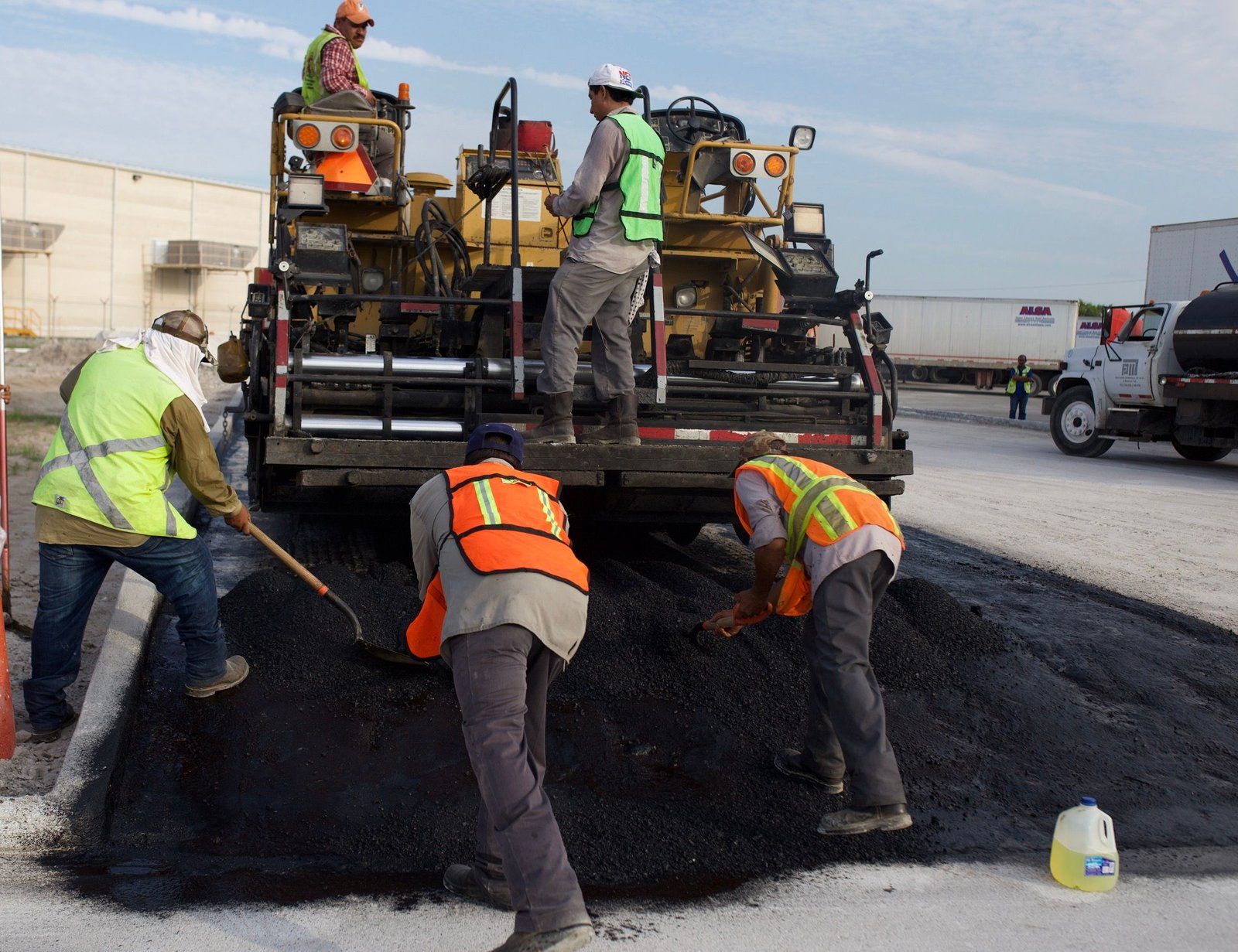
An overlay is a new layer of asphalt placed over an existing one, and WAPA treats it as a maintenance technique when used early, after isolated failed areas have been repaired, with milling to help maintain elevations and drainage. The guide notes overlays should be constructed at a minimum of 1.5 inches, which is industry design guidance rather than any particular contractor's specification.
What the industry guidance does not give you, and what this article will not invent, is a fixed number of years an overlay adds. Overlay longevity depends on the condition of what is underneath it. An overlay done too late, placed over widespread alligator cracking or a failing base, spends capital money on a pavement whose problems are underneath it.
When the honest next step is a capital project, our parking lot paving cost guide has the overlay and rebuild cost context. For sequencing maintenance work across a multi-year plan, see the commercial parking lot maintenance planning guide.
Budgeting Remaining Life for a 2027 Capital Plan
If you are building a budget one or two years out, the useful question is not how long asphalt lasts in the abstract. It is which category your pavement is in, and what that category will cost next year versus later.
When "it still has years left" is a reasonable position, the surface is faded but sound, cracks are isolated and repairable, drainage works, and damage is concentrated in a few known spots. The defensible move is to spend now on drainage fixes, isolated repairs, and surface care, because the structure is still earning its keep. Money spent at this stage can buy years.
When to stop spending on cosmetics is just as clear: widespread fatigue cracking in the traffic lanes, base movement, potholes that keep returning in the same locations, or standing water that never leaves. At this stage, every cosmetic dollar is deferred capital. The responsible move is an evaluation and a repair, overlay, or rebuild conversation, not another coat of sealer.
The WAPA design range of roughly 20 to 25 years applies to pavement built for its traffic and maintained consistently. A 2027 plan should start from condition and structure, not from a year count alone.
Getting a Realistic Read on Your Pavement
APS Alpine Property Services provides asphalt maintenance, including sealcoating and sweeping, plus paving, parking lot and driveway repair, and parking lot painting. We are a family-owned Montrose company serving the area since 1995, with more than 50 years of combined experience.
If you want a realistic read on how many years your lot or driveway has left, call us at (970) 765-5904 for a free estimate, or reach us through the contact page.
Recent Posts