You notice it before you ever think about the price. You're walking the property in early summer, maybe checking sprinkler coverage along a parkway strip or pacing off a thin spot near the front walk, and the lawn tells you something is off. Water pools after a sprinkler cycle instead of soaking in. Growth is patchy along the path where the mail carrier, the dog, and every mower pass have traveled for years. The soil underfoot feels more like a driveway than a lawn.
That's usually when
lawn aeration cost becomes the question. And the honest answer is that it varies, because the work itself varies. Lawn size, soil condition, access, timing, and who does the job all move the number. This guide walks through what actually drives the price, when aeration earns its keep on a Western Colorado lawn, and how to avoid paying for a job that doesn't help.
This article is general planning information. It is not a substitute for a written contract, manufacturer instructions, or local ordinance and utility requirements that may apply to your property.
Western Colorado's conditions matter here more than they would in a milder climate. Clay-heavy soils hold compaction stubbornly. Dry summers mean lawns live or die by irrigation, and water that runs off compacted soil is water you paid for and wasted. Short growing windows mean a mistimed job can cost you a full season.
What Lawn Aeration Actually Does (and Why Western Colorado Lawns Need It)
Core aeration uses a machine to pull small plugs of soil out of the lawn, leaving channels that let air, water, and nutrients reach the root zone. It relieves compaction directly by removing soil rather than pushing it aside.
That last part is the key distinction. Spike aeration pokes holes with solid tines, and while it can offer short-term surface relief, it tends to compress the soil around each hole.
PlantTalk Colorado from CSU Extension describes aeration (core cultivation) as standard lawn care that reduces compaction, helps manage thatch, and helps water and fertilizer move into the root zone. Cores pulled from the lawn are the effective approach, not solid spikes.
If your property is in or around Montrose, none of this is theoretical. Much of the Western Slope has clay-rich or compacted soils, and newer subdivisions often sit on compacted construction fill. Add low humidity and irrigation dependence, and you get a lawn where any barrier between water and roots shows up quickly in turf health and in your water bill.
Signs Your Lawn May Need Aeration
You can diagnose most of this yourself with a walk and a screwdriver:
- Standing water or runoff after a sprinkler cycle, especially on flat areas where water should soak in.
- Hard soil that resists a screwdriver pushed into the root zone. If it stops a few inches down in healthy-looking turf, compaction is likely.
- Thin or patchy turf that doesn't respond to fertilization, because nutrients can't reach the roots.
- Heavy thatch, the layer of dead stems and roots between the green growth and the soil. Aeration helps manage moderate thatch. Severe thatch may need a different approach, so get a proper diagnosis before spending money.
- Wear patterns along walkways, play areas, and mower routes.
If you manage common areas for an HOA or commercial property, weight these signs more heavily. Parkway strips and shared lawns take far more foot and equipment traffic than a residential backyard, and they compact faster.
Lawn Aeration Cost: The Factors That Actually Move the Price
You won't find dollar figures in this article, because an honest number depends on your property. What you can do is understand why two quotes for what sounds like the same job can come back different. Here are the real drivers:
Lawn size. Aeration is typically priced around measured square footage. Larger properties mean more machine time, though some operators gain efficiency at scale, so cost doesn't always rise in a straight line.
Soil condition. Rocky, extremely compacted, or saturated soil slows the work and is harder on equipment. Bone-dry clay is nearly impenetrable and can turn a routine job into a struggle.
Terrain, slope, and obstacles. A flat, open lawn is one thing. A sloped lot with rock features, retaining walls, or extensive landscape beds takes longer and demands more care around edges.
Access. Fenced yards, narrow gates, and tight side yards affect how the machine moves. And if the lawn has an irrigation system, heads and valve boxes need to be flagged and worked around before anything starts.
Timing within the season. Peak-season scheduling versus shoulder availability can affect what a provider quotes, the same way it does in most outdoor trades.
Single service versus bundled work. Aeration combined with fertilization, overseeding, or other lawn care in one visit changes the total scope. Bundling is common in the industry. Just make sure any quote is itemized so you know what you're paying for.
Labor source. Renting a core aerator and doing it yourself is a different cost equation than hiring a professional. We cover that tradeoff below.
A practical warning: be cautious of any quote given without questions about your lawn's size, access, and irrigation layout. A provider who doesn't ask hasn't thought about your property yet. A written, itemized quote from a local provider who has actually looked at the site is the only reliable way to price the work.
Why Local Soil and Climate Conditions Affect Both Price and Results
Clay soils common around Montrose and nearby Western Slope communities hold compaction longer than loamy soils, which can mean slower going and more passes on stubborn areas. Higher-altitude properties face the opposite pressure from the calendar: shorter growing seasons compress the window in which aeration actually pays off, so a timing mistake costs a full year rather than a few weeks.
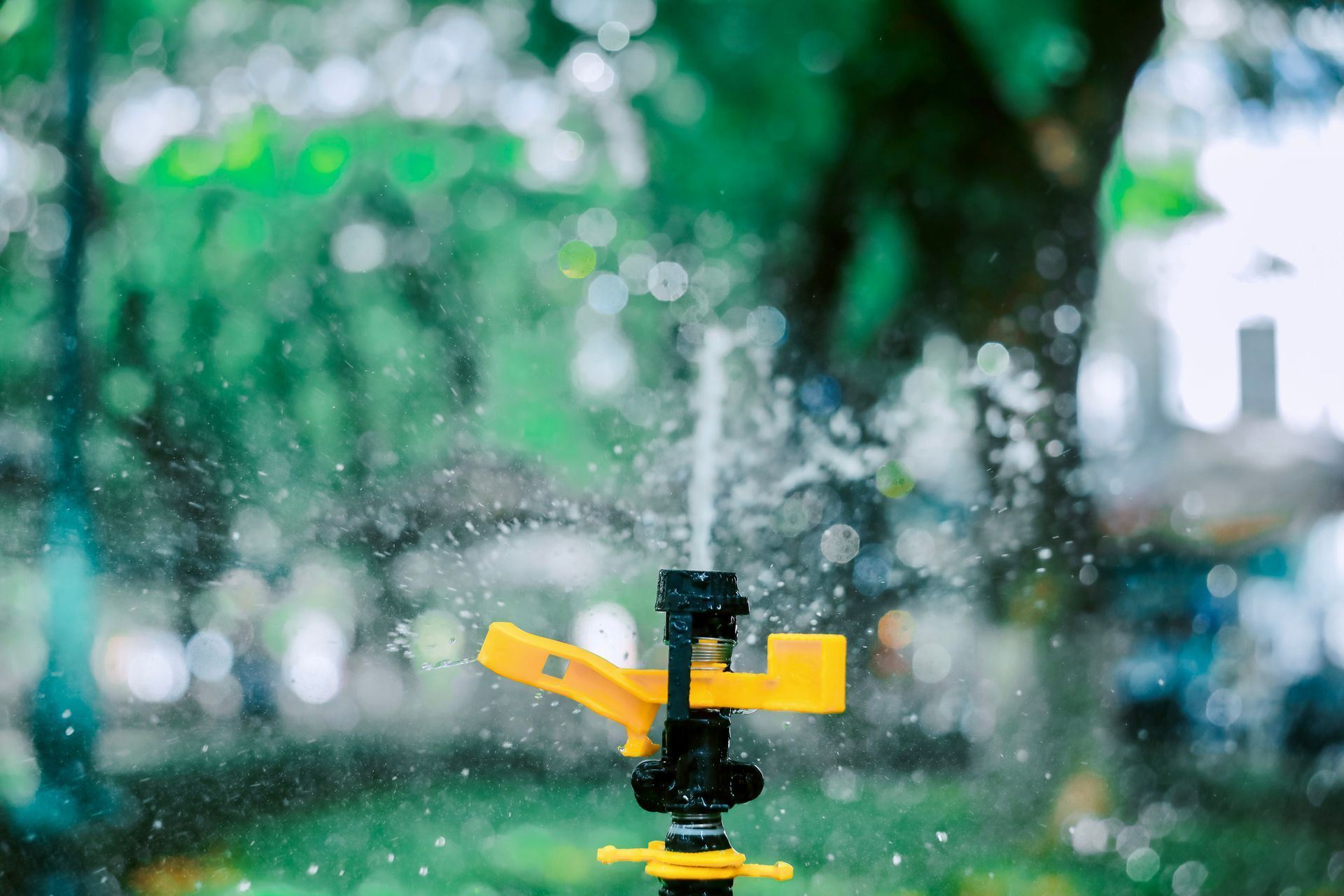
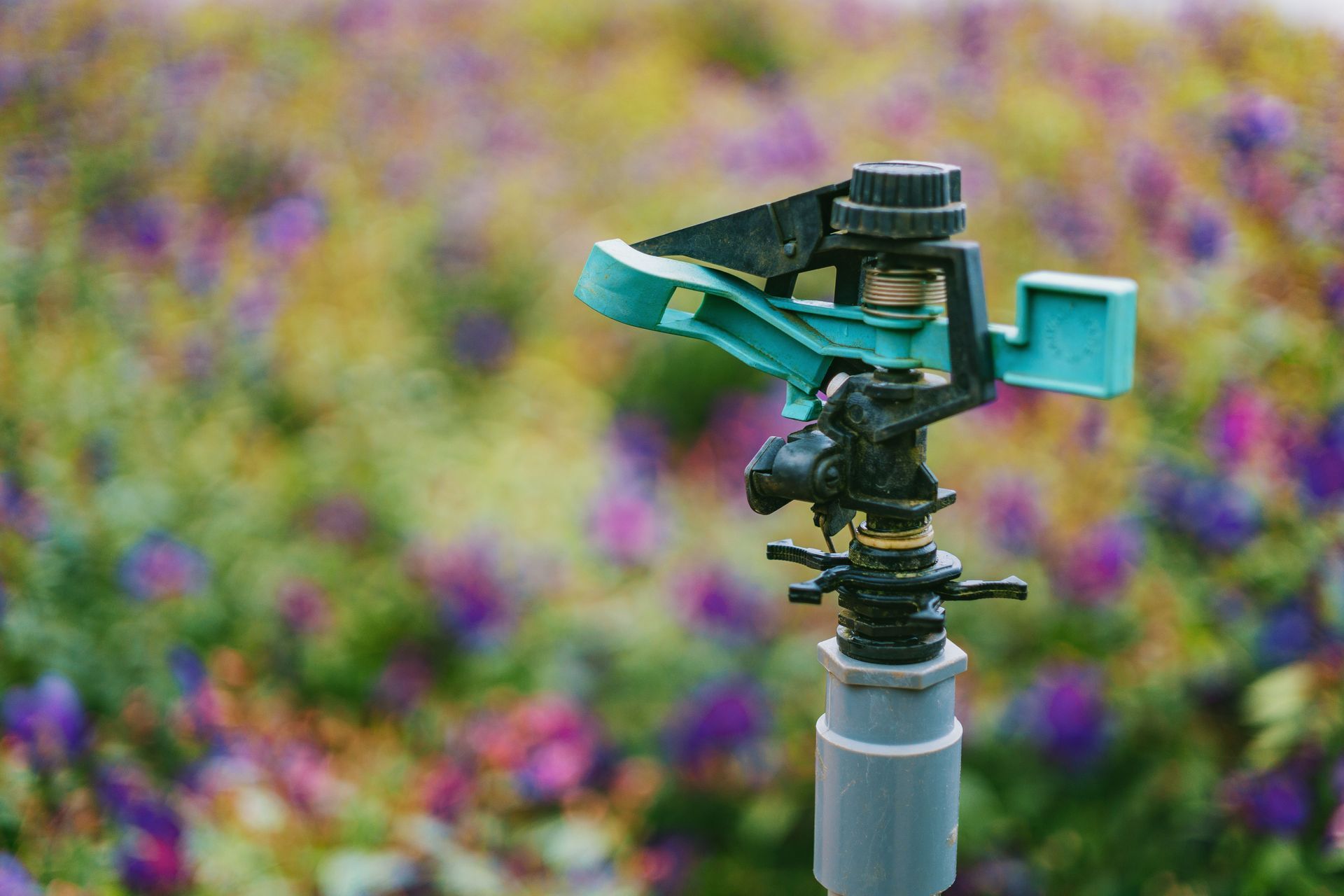
The irrigation interplay deserves special attention. On a sprinkler-dependent lawn, heads must be located and marked before the aerator crosses the yard. Unmarked heads are one of the most common casualties of aeration, and repairing one costs far more than the few minutes of marking would have.
PlantTalk Colorado specifically advises marking sprinkler heads, shallow irrigation lines, and cable lines before aerating. If irrigation performance is part of what's driving your lawn problems, Alpine's
irrigation services page covers that side of the picture.
When Aeration Pays Off (and When It Probably Doesn't)
This is the return-on-investment question, and it deserves a straight answer.
Aeration tends to pay off when:
- An established lawn shows real compaction symptoms: runoff, pooling, hard soil, thinning turf.
- You're about to overseed. Open cores give seed direct soil contact, which materially improves germination.
- You're fertilizing but not seeing results, because nutrients can't reach the root zone through compacted soil.
- You're heading into the seasonal irrigation ramp-up and want water penetrating the soil instead of running across it.
Aeration probably doesn't pay off when:
- The lawn is brand-new sod or seed that hasn't rooted in yet. Let it establish first.
- The lawn shows no compaction symptoms. Aeration is not a ritual every lawn needs every year.
- The real problem is severe thatch, disease, grub damage, or a watering schedule issue. Those need a different diagnosis, and aerating them is money spent on the wrong fix.
CSU Extension's soil compaction guidance also notes that aeration helps manage compaction impact when enough passes are made to place plugs at close intervals. The benefit comes from relieving compaction and improving root-zone access to air and water, which only matters when those things are actually restricted. See CSU Extension's
soil compaction resource for that agronomic framing.
If you're already investing in turf health through fertilization or weed control, think of aeration as protecting that investment rather than as a separate line item. Alpine's
turf and
weed control services cover related lawn-care work if you want to see how those pieces connect. For the broader menu of lawn care tasks (including where aeration sits among mowing, fertilization, and overseeding), see Alpine's guide to
what lawn care services look like.
How Often Lawns Typically Need Aeration
General university-extension guidance holds that cool-season grasses common in Colorado, such as Kentucky bluegrass and fescues, typically benefit from aeration about once a year when compaction symptoms are present. High-traffic areas sometimes justify more frequent treatment.
PlantTalk Colorado on proper lawn aeration notes a general recommendation to aerate at least once a year, with the goal of enough holes that the lawn is thoroughly opened, not a single light pass.
Notice the phrasing: when symptoms are present. Diagnose from the lawn, not the calendar. A healthy, open-soil lawn with good water penetration doesn't need aeration just because spring arrived.
Timing Aeration in Western Colorado's Short Season
Cool-season lawns are best aerated during active growth, which in this region generally means spring through early summer, and again in early fall. Avoid the heat of July and August, when turf is stressed, and don't aerate before the ground is workable in spring. High-altitude properties run compressed versions of these same windows.
Soil moisture is the other half of timing. The sweet spot is a day or two after watering or rain, when soil is slightly moist but not saturated. Bone-dry clay is nearly impenetrable, and the machine will struggle to pull clean plugs. Waterlogged soil plugs poorly and can smear. PlantTalk recommends watering thoroughly the day before so plugs pull more deeply and easily. If you control the irrigation schedule, you can set up those conditions yourself.
DIY Aeration vs. Hiring a Professional
DIY means renting a core aerator from a local equipment rental counter. Your costs are the rental fee, transport (these machines are heavy, so bring a truck, a ramp, and a friend), fuel, and several hours of real physical effort. Compacted areas often need multiple passes to do meaningful work, so budget your time accordingly. Read the rental counter's safety materials and the machine's operating instructions before you start. These machines have moving tines and deserve respect.
Hiring a professional means the equipment arrives on site, irrigation heads get flagged, plug management gets handled, and someone with local soil experience can assess the lawn's overall condition in the same visit. There's also accountability if something goes wrong, which matters on properties where a broken sprinkler head means trenching up a landscaped bed.
For HOAs and commercial properties, scale usually settles this question on its own. Common areas and multi-building sites make professional service the practical choice. Be honest the other direction, too: a small, flat, healthy lawn with no compaction symptoms may not justify professional aeration at all. Saying so saves you money.
Questions to Ask Any Aeration or Lawn-Care Provider
- Do you core-aerate or spike? (Core is the standard recommendation for compaction relief.)
- Do you mark and work around irrigation heads?
- What happens to the plugs?
- How many passes are included?
- Can the visit be combined with other lawn work the property needs?
- Are you insured, and are you experienced with local soil conditions?
Common Aeration Mistakes (and What They Cost You Later)
Every one of these is wasted spend, not a moral failing:
- Aerating bone-dry or waterlogged soil. The machine fights the dirt or smears it, and the results disappoint either way.
- Skipping the irrigation-head marking step. One hit head can erase the savings on the whole job.
- Aerating during dormancy or extreme heat. The lawn can't respond and recover when it isn't growing.
- Expecting aeration to fix what watering won't. If the schedule, coverage, or mowing height is wrong, the lawn will keep struggling no matter how open the soil is.
- Deciding on overseeding after the aeration window has closed. Aeration and seeding work together; the decision belongs together too.
If your lawn's problems are tangled up with landscape layout, drainage, or bed conditions, Alpine's
landscaping services page covers that broader work, including lawn maintenance and fertilization.
Where Aeration Fits in a Broader Lawn-Care Picture
Aeration is one tool, not a cure. Irrigation performance, mowing height, fertilization, and weed control all interact, and a lawn that gets aerated but watered incorrectly will still struggle. Before you spend on any single service, step back and ask which factor is actually limiting your turf.
That's also why a conversation about the lawn as a whole usually beats ordering services one at a time. APS Alpine Property Services is a family-owned Montrose company that has served the area since 1995, with more than 50 years of combined experience across its property services work.
Getting a Straight Answer on Cost for Your Property
Because lawn aeration cost depends on your property's size, soil, access, and timing, the only way to a real number is a written, itemized quote from a provider who has looked at your site. APS Alpine Property Services handles landscaping (including lawn maintenance and fertilization), turf and weed control, and irrigation. If you're in the Montrose area and want help diagnosing lawn, irrigation, or turf issues, or planning the broader care your property needs this season, call APS Alpine Property Services at (970) 765-5904 for a free estimate, or reach out through the
contact page.