Lawn Care Services in Montrose and Olathe: What They Look Like and Why You Need Them
If you are a homeowner or property manager in
Montrose or Olathe and you want a healthier lawn with fewer weeds and less constant catch up work, professional
lawn care services provide the structure and consistency that most DIY schedules miss. Lawn care is more than mowing. A complete plan usually combines mowing, edging, trimming, weed control, fertilization, irrigation checks, seasonal cleanup, and turf health fixes like aeration and overseeding. Below is a clear breakdown of what lawn care services look like, how they work, and why they are worth it when you care about curb appeal and long term lawn performance.
What lawn care services actually mean
People use “lawn care” and “yard care” interchangeably, but they are not always the same thing.
Lawn care vs yard care vs landscaping
- Lawn care services focus on turf health and appearance, including mowing quality, weeds, soil health, and seasonal turf steps.
- Yard care is often used to describe routine exterior upkeep, including mowing plus general cleanup.
- Landscaping is broader and can include planting beds, hardscapes, irrigation installation, and property improvement projects.
If your goal is a thick, clean lawn that stays consistent through the season, you want lawn care, not just an occasional mow.
Residential vs commercial expectations
Homeowners often care most about comfort, appearance, and time savings. Property managers care about consistent curb appeal, predictable scheduling, and reducing tenant complaints. The fundamentals are the same, but the service plan needs to match the property’s visibility and traffic.
What a complete lawn care services plan looks like
A professional plan is usually built around recurring visits plus seasonal services.
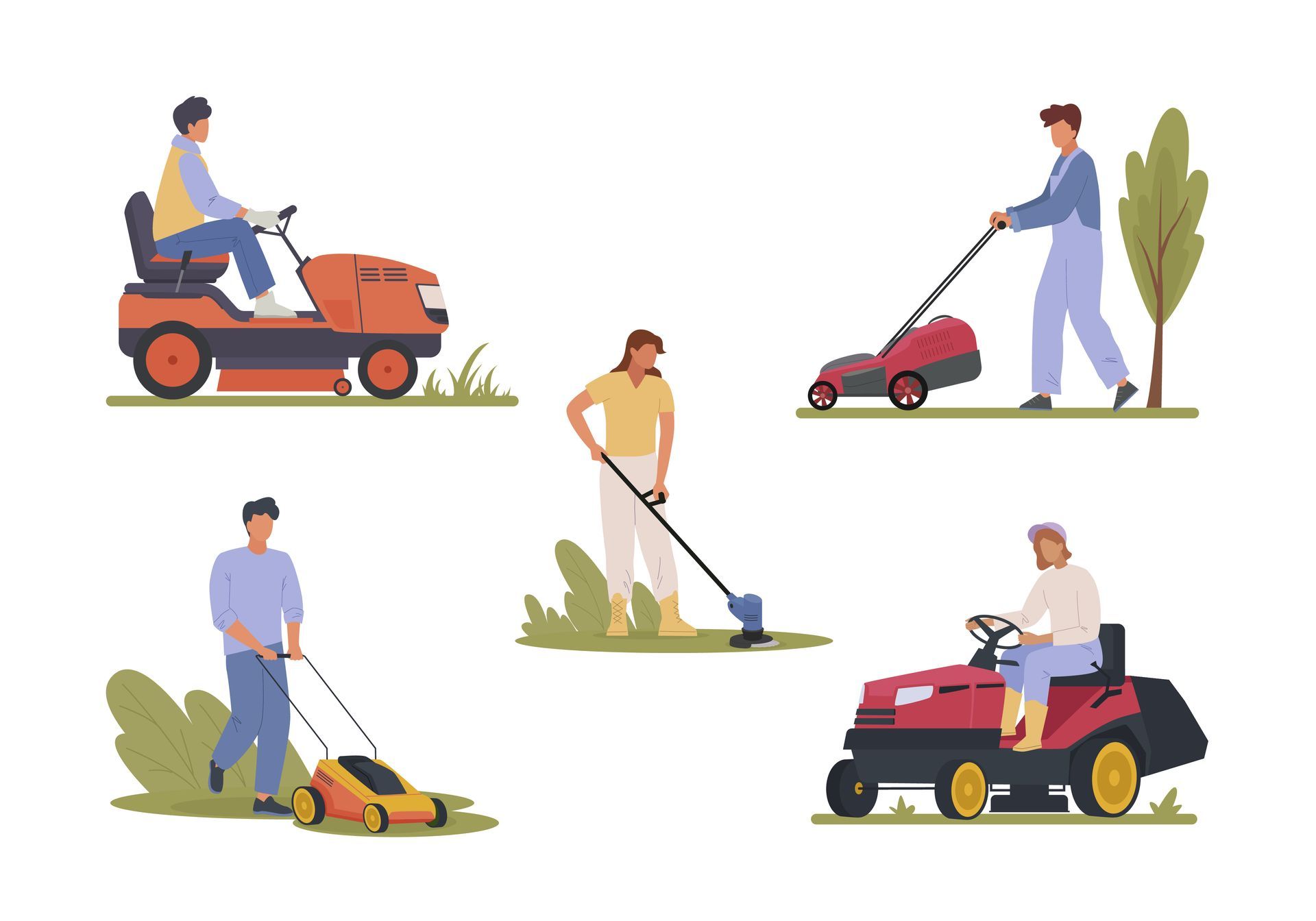
Mowing is the backbone of lawn care. It controls growth, influences density, and impacts weeds.
In Montrose and Olathe, mowing frequency changes through the season:
- Spring: lawns often grow fast, so weekly service is common
- Summer: growth may slow during heat, but consistency still matters
- Fall: frequency tapers as growth slows
The best providers adjust frequency based on growth and weather instead of forcing a rigid schedule that causes scalping or overgrowth.
Mowing height and the one third rule
A reliable lawn care plan follows two rules:
- Do not cut more than one third of the blade height in a single visit
- Keep grass slightly taller in summer to protect roots and reduce heat stress
Short mowing looks neat for a day, but it weakens turf over time and increases weeds.
Mulching vs bagging
Mulching returns nutrients to the lawn and usually looks clean when the lawn is mowed consistently. Bagging is useful when the lawn is overgrown, weeds are heavy, or clippings would clump and smother turf. A good lawn care team uses the right approach based on conditions, not habit.
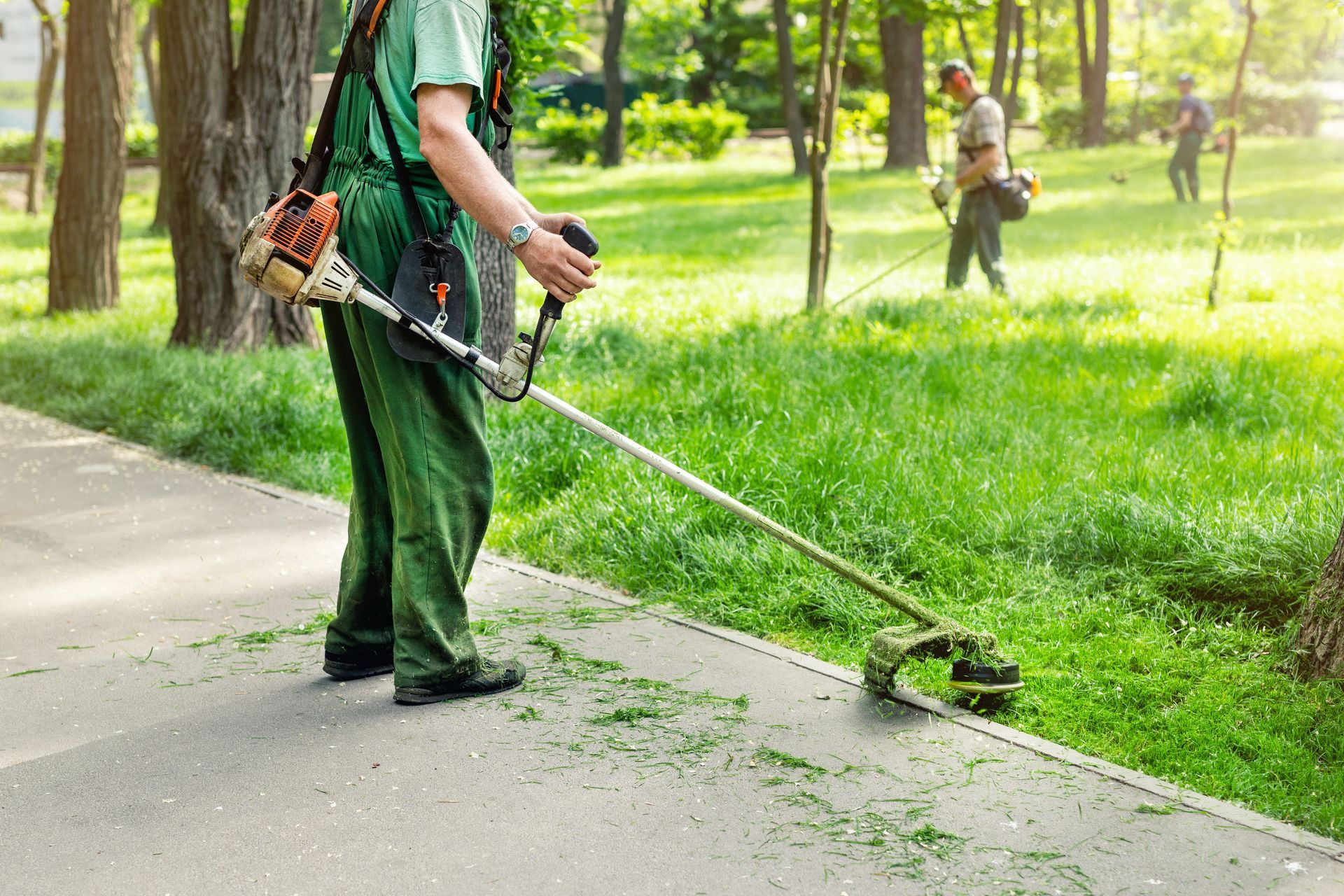
Edging, trimming, and cleanup standards
This is where lawns start to look “professional” instead of just cut.
Edging and trimming
A complete lawn care visit includes edging and trimming around:
- Sidewalks, driveways, and curb lines
- Fence lines and building edges
- Beds, trees, and obstacles
Clean borders create definition. Without them, even a freshly mowed lawn can look unfinished.
Blowing and surface cleanup
A professional crew should leave hard surfaces clean. Clippings left on sidewalks and driveways look sloppy and can stain or become slick when wet. For commercial properties, cleanup standards are especially important because appearance affects perception.
Weed control and turf health services
Weed control is where many lawns improve dramatically, but it needs to be done correctly and consistently.
Program based weed control
One of the biggest mistakes is treating weeds once and expecting a permanent fix. Weed control works best as a program. That means planned treatments over the season, paired with habits that build turf density.
Thick turf is the best weed defense
Weeds thrive in thin lawns. Proper mowing height, consistent watering, and healthy soil make turf thicker. Thicker turf reduces sunlight at the soil surface, which limits weed germination.
Common weed zones
In Montrose and Olathe, weeds often show up first along edges, thin spots, and high traffic zones. These areas are also where compaction and irrigation issues are most common, so weed control should be paired with turf health fixes, not treated in isolation.
Alpine Property Services has seen lawns where weed sprays were applied repeatedly with minimal improvement because the lawn was being mowed too short and watered unevenly. Once mowing height was corrected and irrigation coverage improved, weed pressure dropped significantly because the grass finally had a chance to compete.
Fertilization and soil health
Fertilization can be helpful, but timing and strategy matter.
Why fertilization timing matters
Fertilization supports color, growth, and density, but over fertilizing can cause fast, weak growth and increase mowing demand. A professional plan uses appropriate timing so growth stays healthy and manageable.
Soil health makes everything easier
Soil health affects root depth, moisture retention, and nutrient availability. If the lawn struggles year after year, soil improvement steps like compost topdressing or targeted amendments can be worth it. The goal is not constant inputs. The goal is creating conditions where the lawn is resilient.
Aeration and overseeding: the reset button for thin lawns
If your lawn feels hard, looks thin, or struggles with runoff, aeration is often the missing step.
What aeration does
Core aeration removes plugs of soil. That reduces compaction and improves airflow, water infiltration, and nutrient penetration. When roots can grow deeper, the lawn becomes more drought tolerant and uniform.
Why overseeding matters
Overseeding adds new grass plants to increase density. When paired with aeration, seed has better soil contact and germinates more effectively. This is one of the best ways to thicken a lawn and reduce weeds without chasing weeds forever.
Results timeline
Most people see improvement over 2 to 6 weeks, then more noticeable density changes over the next growth cycle. Aeration and overseeding are not instant, but they are high impact.
Irrigation checks and sprinkler basics
Many lawn problems are really water distribution problems.
Coverage issues cause thin spots
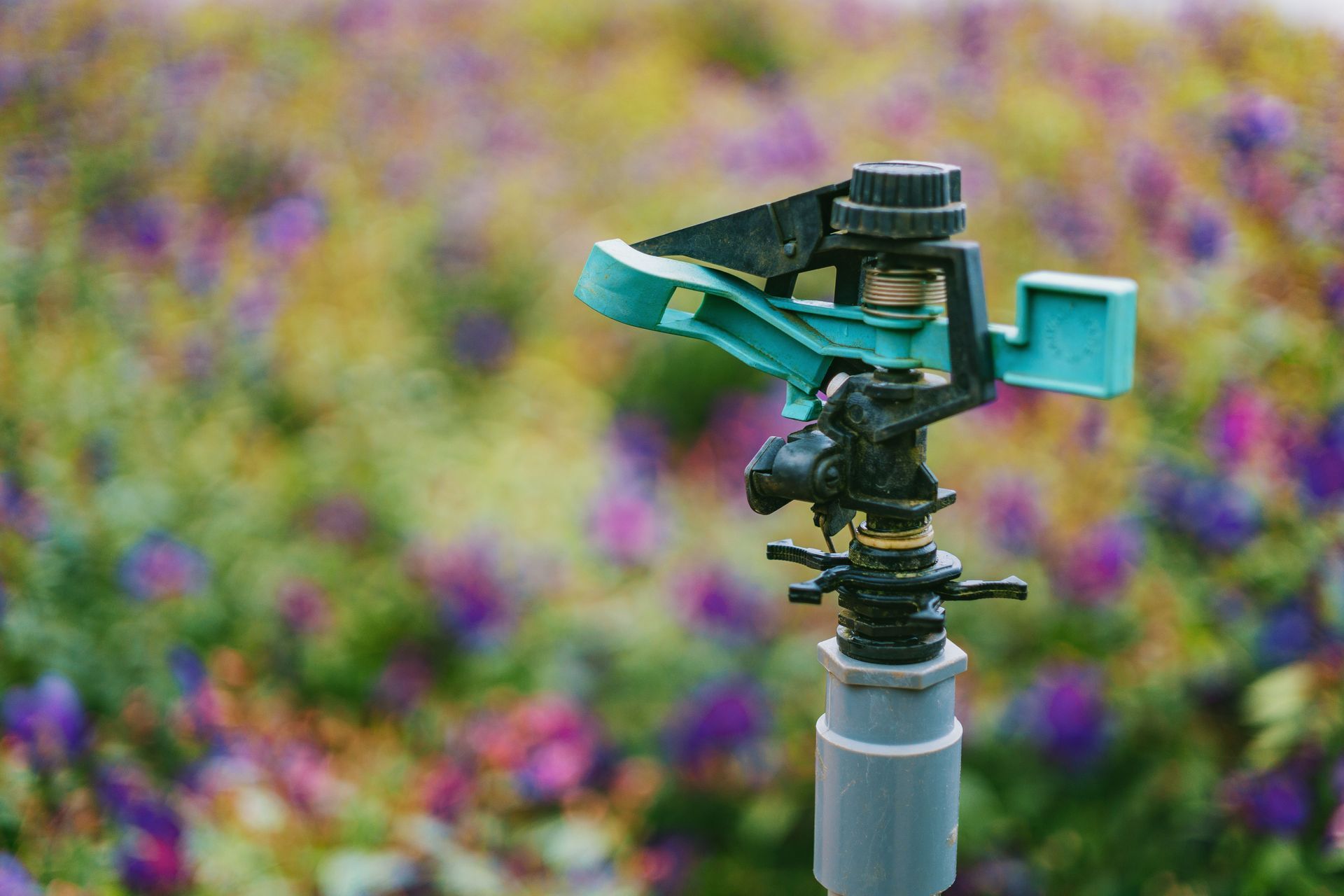
Dry spots, pooling areas, and uneven color are often caused by broken sprinkler heads, poor pressure, or misaligned spray patterns. Basic checks can prevent wasted water and prevent the lawn from thinning in the same places every year.
Watering habits matter
Frequent shallow watering encourages shallow roots. A good lawn care plan encourages watering that supports deeper rooting, which improves summer performance.
Seasonal services that protect curb appeal
Seasonal work keeps the lawn and property looking clean through transitions.
Spring cleanup
Spring cleanup removes debris, defines bed edges, and sets the lawn up for a clean first cut. It is also the best time to identify irrigation issues early.
Summer adjustments
In heat, mowing height and watering strategy become more important. A good plan adjusts for stress conditions instead of mowing the same way year round.
Fall cleanup
Fall cleanup reduces mess, supports a cleaner finish going into winter, and helps prevent matting and stress during dormancy.
Why you need lawn care services
The biggest reason people hire lawn care services is consistency. A consistent plan produces a consistent lawn.
Benefits for homeowners
Homeowners typically see:
- Better curb appeal without constant weekend work
- Fewer weeds and fewer bare spots over time
- A lawn that holds up better in heat and dry periods
- Less need for emergency fixes and patch work
Benefits for property managers
Property managers gain:
- Predictable scheduling and budgeting
- Cleaner common areas and fewer complaints
- A property that looks maintained week to week
- A simpler vendor structure when services can be bundled
What to look for in a lawn care provider
Look for a provider that can explain scope and standards clearly. Ask what is included each visit, how weather delays are handled, and how they maintain equipment. If you want real improvement, choose a provider that can also handle weed programs, aeration, overseeding, and seasonal cleanup, not just mowing.
Conclusion
Professional
lawn care services in Montrose and Olathe are about more than cutting grass. They are a plan that combines routine mowing, edging, and cleanup with weed control, fertilization, irrigation awareness, and seasonal work. When done consistently, lawn care services produce thicker turf, fewer weeds, and stronger curb appeal with less stress and less catch up work. Whether you are maintaining a home lawn or managing multiple properties, the right plan turns lawn care from a recurring problem into a predictable system that keeps the property looking sharp.