Hardscaping in Colorado: Pro Design and Care Tips
TL;DR: Essential Hardscaping for Colorado Properties
- Hardscaping in Colorado focuses on using durable materials like stone and pavers to withstand extreme seasonal temperature changes.
- Paver patios provide superior flexibility and longevity compared to standard poured concrete in the Western Colorado region.
- Professional retaining walls are critical for managing the varied terrain found in Montrose, Delta, and Ridgway properties.
- Base preparation and drainage planning are the most vital factors for ensuring a hardscape lasts for decades without shifting.
- Integrating irrigation systems and planning for winter snow removal during the design phase prevents long-term structural damage.
Hardscaping in Colorado refers to the construction of non-living landscape elements such as patios, walkways, and retaining walls using materials like stone, pavers, or timber. These structures are engineered to endure the state's semi-arid climate and severe freeze-thaw cycles, providing functional outdoor spaces that require minimal irrigation and enhance overall property value.
What is the primary benefit of hardscaping in Colorado?
For homeowners and property managers in the Western Slope, the primary benefit of hardscaping is the creation of highly durable, low-maintenance outdoor living environments. Unlike traditional lawns that require significant water and weekly maintenance, hardscape features like flagstone patios and decorative stone walkways remain functional and beautiful throughout the year. In a region where water conservation is becoming increasingly critical, reducing the footprint of turf in favor of high-quality landscaping services can lead to substantial savings on utility bills.
Beyond water savings, hardscaping provides a structural foundation for the rest of your landscape. It defines boundaries, guides foot traffic, and creates designated zones for entertaining or relaxation. For those managing commercial properties in Delta or Olathe, professional hardscaping significantly improves accessibility and curb appeal, making the property more attractive to potential tenants or customers. Properly designed hardscapes also prevent soil erosion and manage stormwater runoff, which is essential for protecting the integrity of building foundations and preventing local flooding during heavy spring rains.
How does the Colorado climate impact hardscape materials?
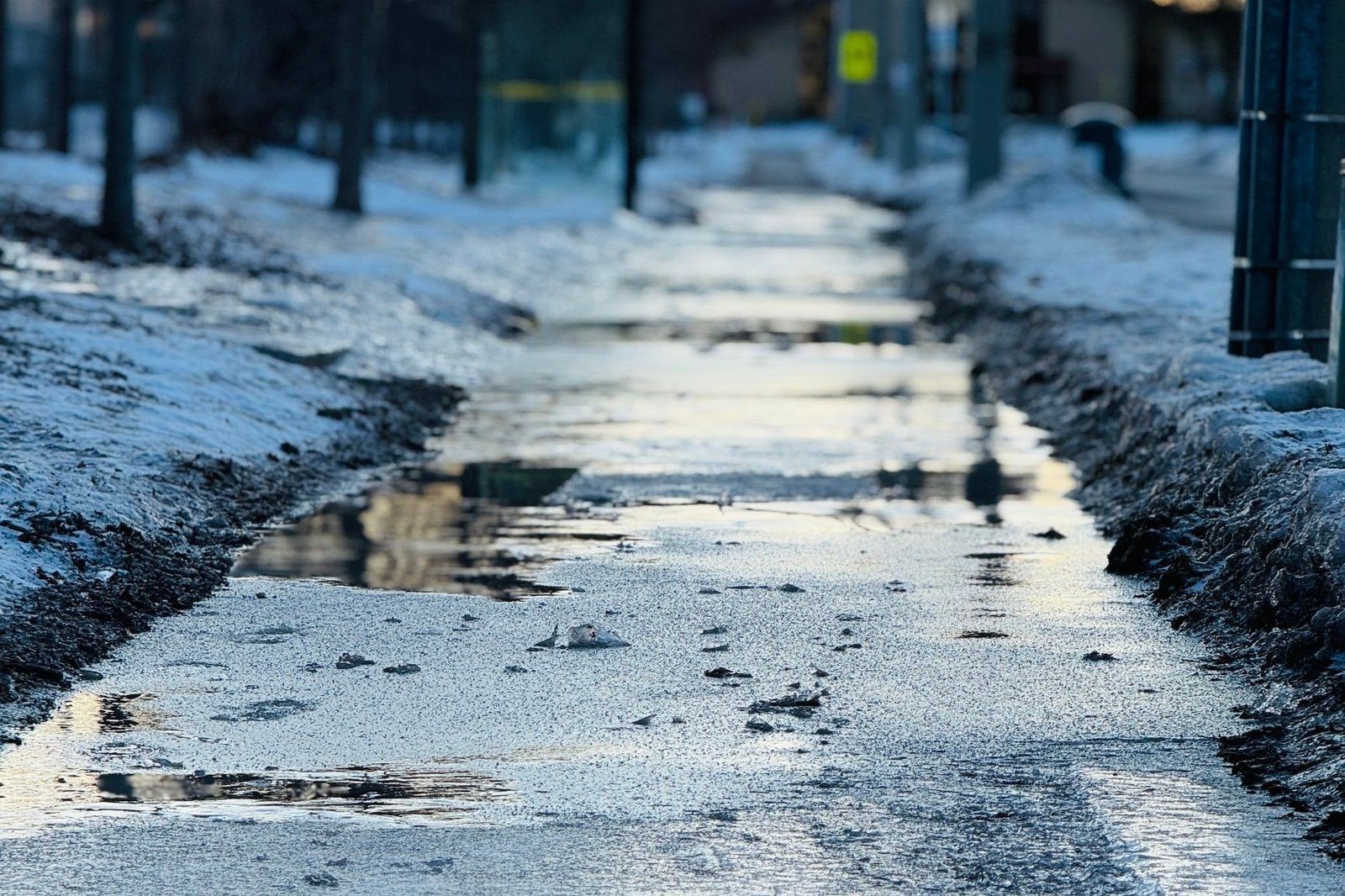
The Colorado climate presents unique challenges that must be addressed during the design and installation process. The most significant factor is the dramatic temperature swing, often referred to as the freeze-thaw cycle. During a typical winter day in Montrose, temperatures may rise above freezing during the afternoon, causing snow to melt and moisture to seep into any available cracks or pores in a hardscape surface. When the temperature drops sharply at night, this water freezes and expands, putting immense pressure on the material. Over time, this process can cause low-quality concrete or porous stone to crack and disintegrate.
To combat these issues, Alpine Property Services LLC emphasizes the use of high-density materials and flexible installation methods. We often see residential projects that failed after only a few years because the original installer used a rigid concrete base without proper expansion joints. In our experience, utilizing a compacted gravel base and sand-set pavers allows the entire structure to move slightly as the ground shifts and expands, preventing the catastrophic cracking common in rigid systems. Additionally, the high elevation in Colorado leads to increased UV radiation, which can fade the pigments in certain manufactured pavers. Selecting UV-resistant materials and professional-grade sealants is the only way to ensure your patios and water features maintain their vibrant colors over time.
Popular features for Colorado outdoor living
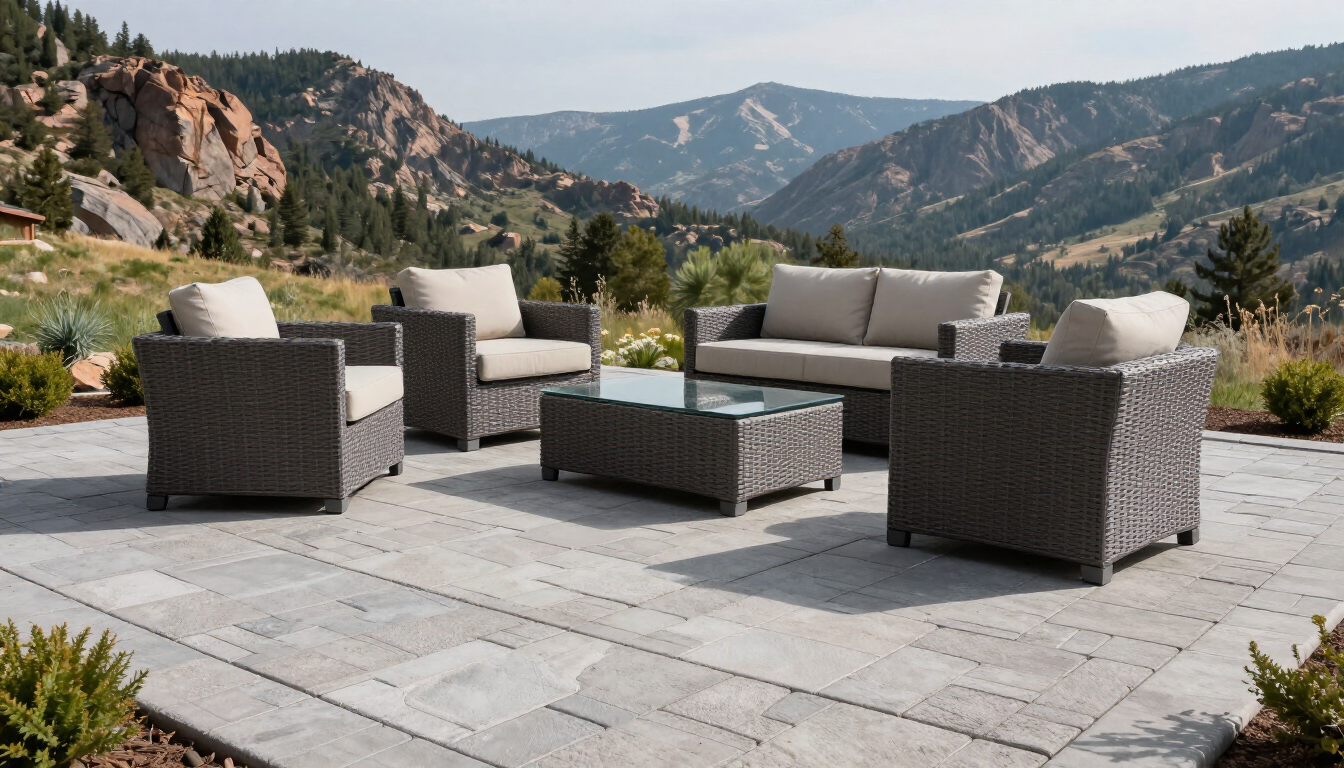
When considering hardscape additions, many property owners start with the patio. A well-constructed patio serves as an outdoor room, extending the usable square footage of the home or commercial building. In Montrose and Ridgway, we frequently install fire pits and outdoor kitchens as central features of these spaces. These additions allow for outdoor enjoyment even during the cooler spring and autumn evenings. Fire pits can be built directly into the patio design using matching stone or pavers, creating a cohesive and high-end appearance that complements the natural surrounding landscape.
Walkways and paths are another popular addition, providing safe and clean transitions between different areas of the property. For larger residential estates or commercial complexes, these paths help to organize the space and protect delicate plant beds from foot traffic. Using natural flagstone or textured pavers provides excellent slip resistance, which is a major safety consideration for property managers. By integrating these features, you create a property that feels intentional and professionally managed, directly impacting the perceived value and utility of the land.
Why are retaining walls critical for sloped properties in Delta?
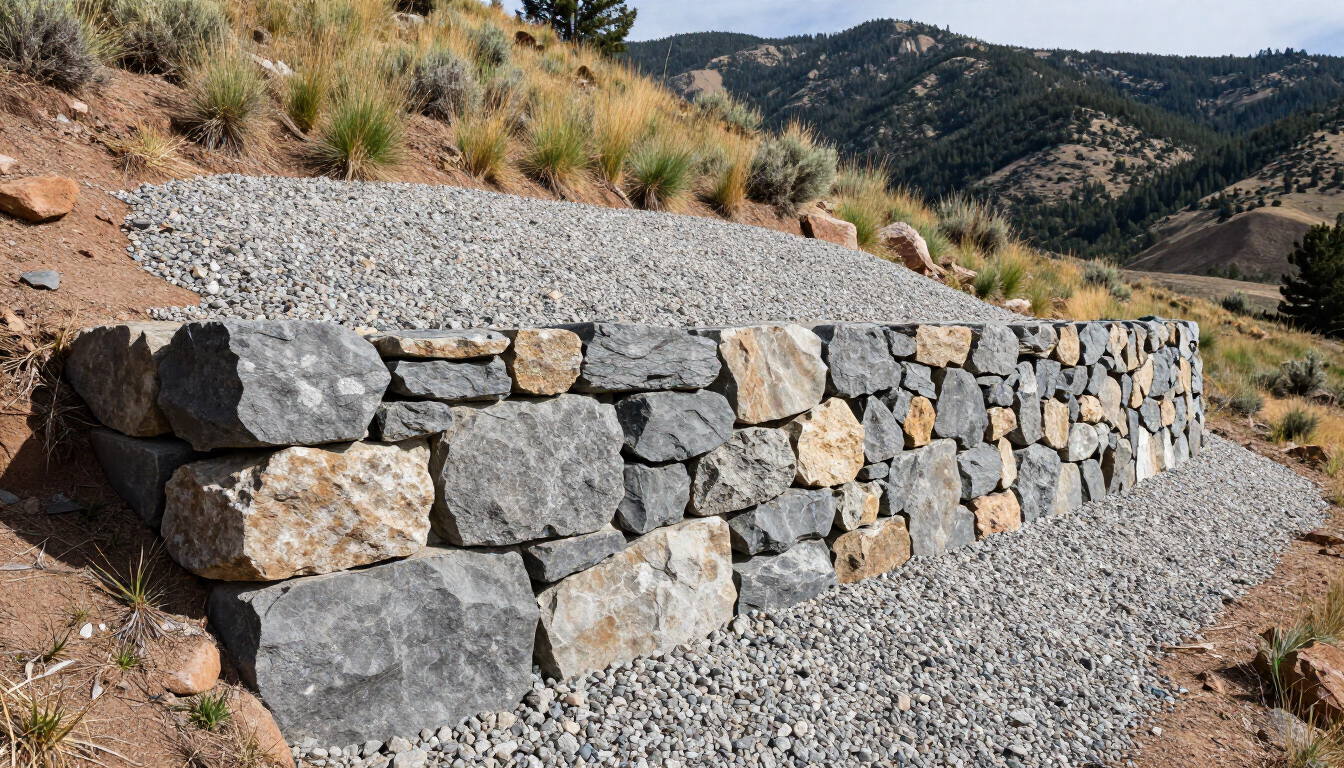
Retaining walls are not merely decorative elements; they are essential engineering solutions for many properties in the Delta and Ridgway areas. Much of the local geography involves significant slopes and varying elevations that can make large portions of a yard or commercial lot unusable. A professionally designed retaining wall can carve out flat, usable space for parking, gardens, or recreation. Without these structures, soil erosion becomes a major problem, as heavy rain and wind slowly strip away the topsoil and threaten the stability of the land.
At Alpine Property Services LLC, we understand that a retaining wall must be built to withstand incredible pressure from the soil behind it. In Western Colorado, the soil often contains high levels of clay, which expands significantly when wet. This hydraulic pressure is the number one cause of retaining wall failure. We have seen many DIY projects in the area lean and eventually collapse because they lacked adequate drainage systems. Our approach involves installing perforated drain pipes and a thick layer of clean drainage gravel behind every wall to allow water to escape safely. This technical precision is what separates a long-lasting landscape from a temporary fix.
How do paver patios compare to traditional poured concrete?
Many property owners initially consider poured concrete for their patios because of its lower upfront cost. However, in the long-term context of the Colorado environment, paver patios almost always offer a better return on investment. The main disadvantage of poured concrete is its lack of flexibility. When the ground underneath a concrete slab settles or shifts due to moisture changes, the concrete has no choice but to crack. Once a crack appears, it is very difficult to repair without leaving a permanent, visible scar. In many cases, the only solution for a severely cracked concrete patio is a complete tear-out and replacement.
Paver systems, on the other hand, consist of individual units that are fitted together over a specialized base. If a minor shift occurs in the ground, the pavers can move slightly without cracking the surface. If a specific area settles over several years, the individual pavers can be removed, the base can be releveled, and the same pavers can be reinstalled. This modular nature makes maintenance much more affordable. Furthermore, pavers offer a wider variety of colors, textures, and patterns, allowing for a level of customization that poured concrete simply cannot match. For homeowners looking to stand out, the aesthetic versatility of pavers is a clear winner.
Integrating irrigation with new hardscapes
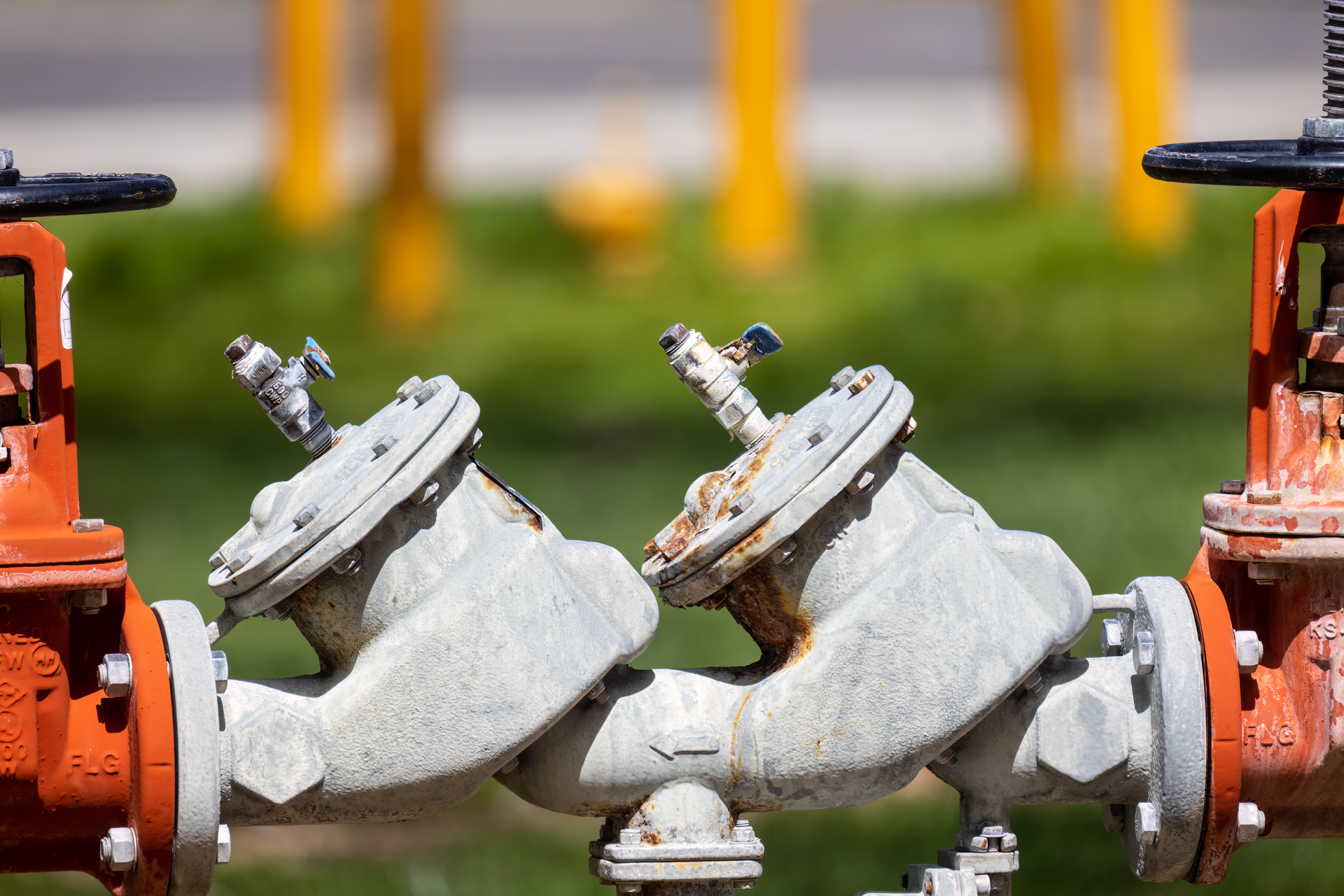
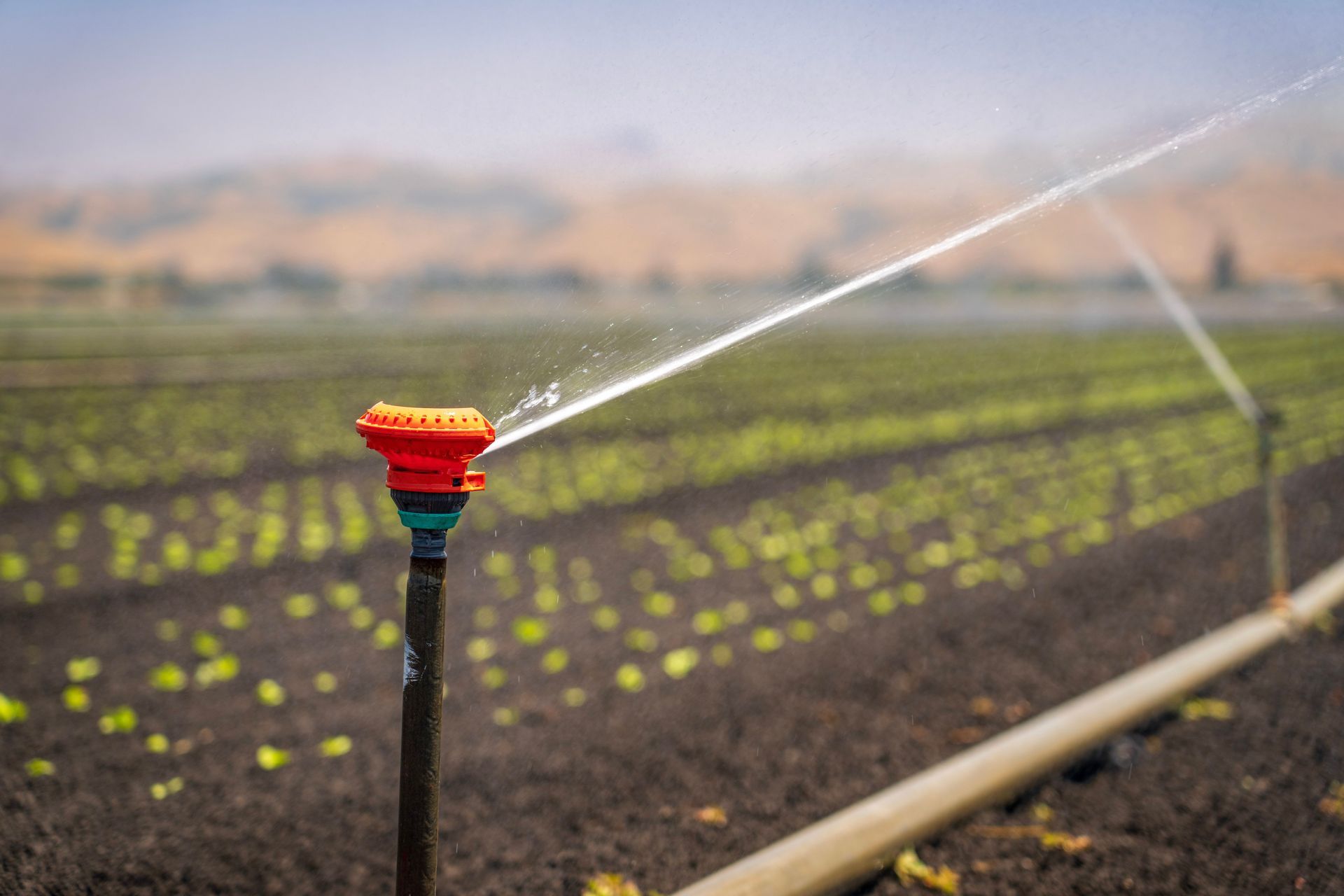
A common mistake in the landscaping industry is treating hardscaping and irrigation as two separate entities. In reality, they are deeply interconnected. When we plan a new hardscape project, we always evaluate the existing irrigation system to ensure that pipes and wires are not buried under several tons of stone where they cannot be accessed for repairs. It is often wise to install sleeve pipes under new patios and walkways during the construction phase. These sleeves allow for the future installation of water lines or electrical conduits without needing to tear up the beautiful new hardscape.
Proper grading is another crucial overlap between hardscaping and water management. Every patio and walkway must be sloped correctly to direct water away from the building foundation. In Olathe and Delta, where some soils are particularly expansive, keeping water away from the house is the most important role of a hardscape. We also coordinate with homeowners to ensure that any new stone features do not block the coverage of existing sprinkler heads. By taking a holistic approach to property improvement, we prevent common headaches and ensure that your landscape remains healthy and your structures remain dry.
Hardscape maintenance tips for year-round durability
While hardscapes are low maintenance, they are not zero maintenance. To preserve the beauty and structural integrity of your investment, a few simple tasks should be performed regularly. One of the most important is maintaining the joint sand between pavers. This sand prevents weed growth and keeps the pavers from shifting. Over time, heavy rain or power washing can strip this sand away. Replacing it with polymeric sand, which hardens when wet, provides a more permanent solution that resists erosion and insects. Periodically cleaning the surface with a mild detergent and water will also prevent the buildup of moss or stains from organic debris.
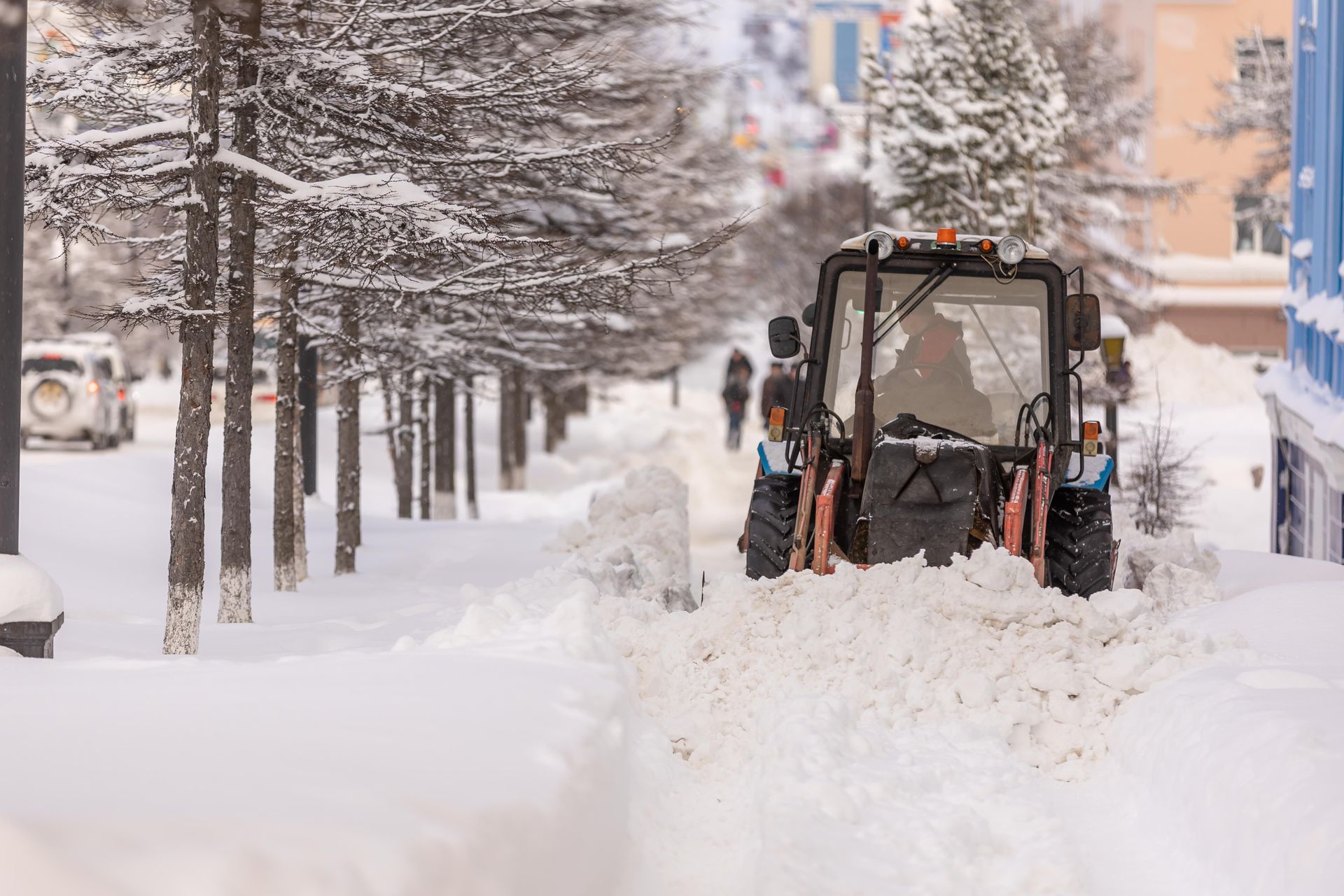
Winter maintenance requires special care. When performing snow and ice management , it is important to use the correct tools and chemicals. Metal snow shovels and heavy plow blades can scratch the surface of natural stone and some manufactured pavers. Using plastic-edged shovels or ensuring that plow blades are equipped with rubber guards is highly recommended. Additionally, avoid using harsh rock salt (sodium chloride) for de-icing, as it can penetrate the pores of the stone and cause surface scaling. Instead, look for calcium magnesium acetate (CMA) or simply use sand for traction. These small choices will significantly extend the life of your hardscape through the harsh Colorado winters.
How to select a hardscaping contractor in Western Colorado
Choosing the right contractor is the most important decision you will make in your property improvement journey. Because hardscaping involves significant structural work, you need a team that understands the local soil conditions and environmental stressors. A contractor who primarily works in a different climate may not realize the importance of the deep excavation and heavy compaction required in the Montrose area. We suggest that you look for companies with a long track record of local success and a portfolio that demonstrates a variety of projects. It is also helpful to review resources on how to vet your local landscaping contractor to ensure you are asking the right questions about insurance, warranties, and project timelines.
Transparency is key during the bidding process. A professional contractor should provide a detailed estimate that breaks down the costs of materials, labor, and preparation. Be wary of bids that are significantly lower than the others, as this often indicates that the contractor is planning to cut corners on the base material or drainage systems. Ask potential contractors about their process for managing subsurface drainage and how they handle unforeseen soil issues once excavation begins. A reliable professional will be happy to explain their methods and provide references from previous clients in your specific neighborhood.
Conclusion: Enhancing your property with expert hardscaping
Investing in hardscaping is a strategic move for any Colorado property owner. By selecting durable materials and focusing on professional installation, you create a landscape that stands up to the challenges of the Western Slope while providing a high-quality environment for living or working. From the stabilizing power of a well-built retaining wall to the aesthetic appeal of a custom paver patio, these features transform the way you interact with your outdoor space. They offer a rare combination of immediate beauty and long-term functional value that few other home improvements can provide.
As you consider your next steps, remember that the success of your project depends on a foundation of quality. Whether you are looking for simple landscaping services or a complete overhaul of your commercial property, focus on the details that matter: drainage, material quality, and environmental compatibility. With over 50 years of experience serving Montrose, Delta, and the surrounding areas, the team at Alpine Property Services LLC is dedicated to helping you achieve these results. Proper planning today will ensure that your Colorado hardscape remains a source of pride and utility for many decades to come.