

Lawn Fertilizer Service: A Guide for Colorado Property Owners
TL;DR
- Professional lawn fertilization ensures a balanced nutrient profile of nitrogen, phosphorus, and potassium.
- Timing is critical in Colorado climates to prevent root burn or dormant waste.
- Expert application prevents common mistakes like over-fertilization and uneven growth patterns.
- Consistent fertilization programs significantly enhance curb appeal and long term property value.
- Healthy turf naturally resists weeds and pests, reducing the need for harsh chemical interventions later.
What is a lawn fertilizer service?
A professional lawn fertilizer service is a scheduled maintenance program that applies specific macro and micro-nutrients to turfgrass to promote healthy growth, vibrant color, and strong root systems. These services use calibrated equipment and high-quality fertilizers to ensure even distribution and optimal absorption for local soil conditions.
Why is a professional lawn fertilizer service necessary?
Maintaining a healthy lawn in the unique climate of Western Colorado requires more than just water. The soil in areas like Montrose and Delta often lacks the specific nutrient balance needed for lush turf. A professional lawn fertilizer service provides the essential elements that naturally occurring soil may miss over time. Without these nutrients, grass becomes thin, yellow, and susceptible to environmental stress.
Plants require three primary nutrients to thrive: nitrogen, phosphorus, and potassium. Nitrogen promotes leaf growth and that deep green color everyone desires. Phosphorus is vital for root development, which is especially important for new lawns or during the heat of summer. Potassium improves the overall health of the plant, helping it resist disease and drought. Professional services calculate the exact ratio needed based on the season and the specific grass type on your property.
At APS Alpine Property Services LLC, we often see property managers trying to manage their own fertilization. They often struggle with "tiger striping." This happens when the fertilizer is applied unevenly, leading to alternating rows of dark green and pale yellow grass. Professional application eliminates this aesthetic issue through the use of commercial grade spreaders and precise walking patterns. This level of detail is part of comprehensive property improvement services that keep a site looking its best.
Understanding the N-P-K Ratio
When you look at a bag of fertilizer, you will see three numbers. These represent the percentage of nitrogen, phosphorus, and potassium. A professional knows which ratio is appropriate for a spring boost versus a fall winterization. Applying a high-nitrogen mix at the wrong time can actually damage the lawn if the weather turns cold suddenly.
The Importance of Soil Testing
Before starting a program, professionals often recommend soil testing. This reveals the pH balance and nutrient deficiencies specific to your yard. In Olathe or Ridgewing, soil can be heavy in clay or alkaline. These factors affect how well the grass can actually absorb the nutrients provided. A tailored approach ensures you are not wasting money on products your soil cannot utilize.
When should you schedule lawn fertilization?
Timing is everything when it comes to a lawn fertilizer service. In our region, the growing season is defined by cool-season grasses that have two peak growth periods. The first peak occurs in late spring, and the second happens in the early fall. Coordinating your fertilization schedule with these natural cycles ensures the grass has the energy it needs when it is most active.
Early spring treatments help the lawn recover from winter dormancy. This application usually includes a pre-emergent to prevent weed seeds from germinating. Mid-summer applications focus on maintaining health during the intense heat of July and August. However, these must be applied carefully to avoid burning the grass blades. Finally, a fall application is perhaps the most important. It prepares the root system for the upcoming winter, ensuring a faster green-up the following year.
Consistency is the hallmark of a successful landscaping services plan. If you skip a seasonal treatment, the turf may thin out, allowing weeds to take root in the empty spaces. We have found that clients who stick to a four-step or five-step annual program spend significantly less on weed control over time. The dense, healthy turf naturally crowds out invaders like dandelions and crabgrass.
Spring Fertilization Goals
- Break winter dormancy with a nitrogen boost.
- Apply pre-emergent weed control.
- Strengthen the lawn before the summer heat.
- Identify any areas that require overseeding.
- Check the functionality of the irrigation system.
Fall Fertilization Benefits
Fall fertilization is often called "winterizing." During this period, the top growth of the grass slows down, but the roots remain active. By providing nutrients now, you are feeding the roots rather than the blades. This creates a food reserve that the plant will use to survive the cold months and surge back to life in April. It is a critical step for any property manager looking to maintain long term curb appeal.
How does fertilization improve property value?
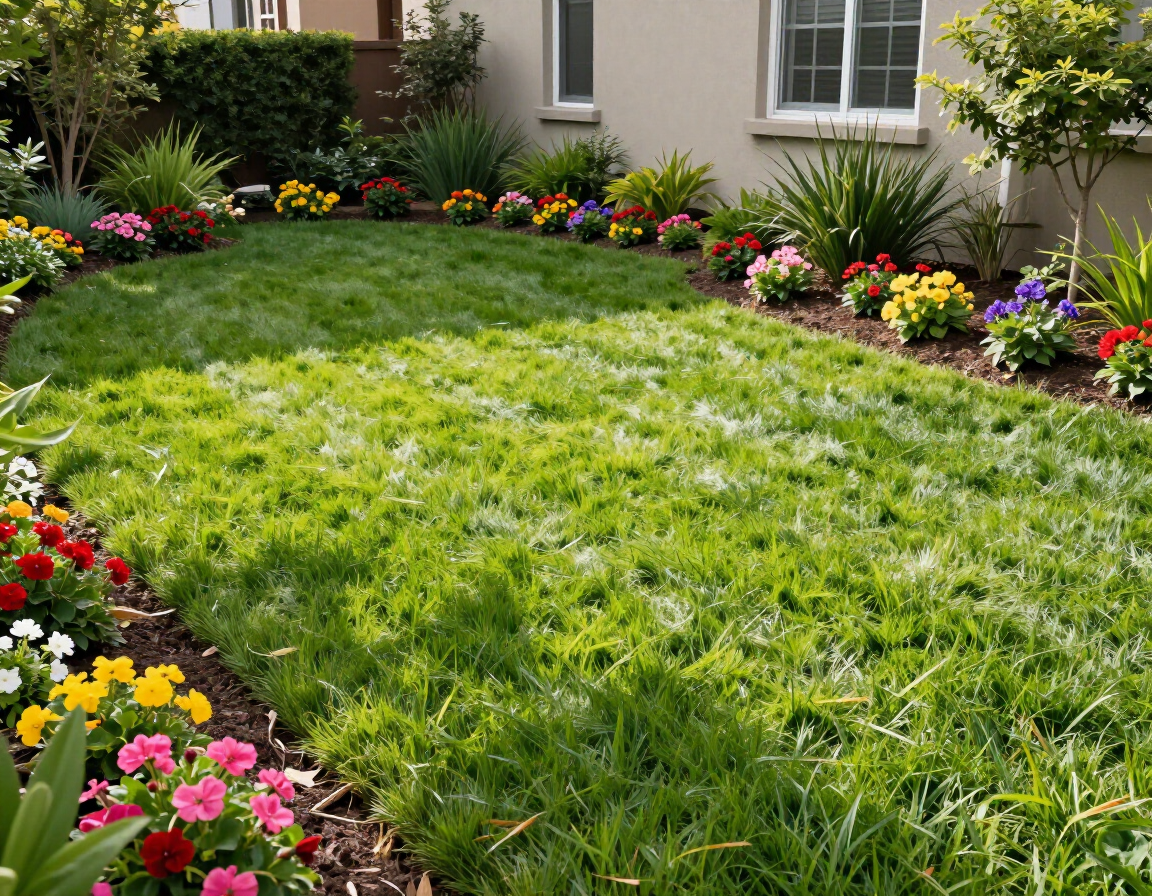
Curb appeal is often the first thing a visitor or potential buyer notices. A thick, vibrant green lawn signals that the entire property is well maintained. For commercial properties in Montrose, a beautiful lawn creates a professional and welcoming atmosphere for customers. For homeowners, it provides a functional space for children and pets to play while increasing the market value of the home.
When the lawn is healthy, it also helps with temperature regulation. Thick turf can be significantly cooler than bare soil or asphalt. This can indirectly affect cooling costs for the building. Additionally, a robust root system prevents soil erosion during the heavy rainstorms we occasionally see in the Ridgeway area. Investing in a lawn fertilizer service is not just about aesthetics. It is about protecting the structural integrity of your landscape.
What are the most common fertilization mistakes?
Many well-meaning homeowners attempt to DIY their fertilization only to end up with dead patches or chemical runoff. One of the most common mistakes is over-application. More is not better when it comes to chemicals. Too much nitrogen can lead to "fertilizer burn," where the salt content in the product dehydrates the grass, turning it brown or black. In many cases, this damage is permanent and requires the lawn to be re-sodded.
Another frequent error is improper watering after application. Most fertilizers need to be watered in to reach the root zone. However, if you water too heavily immediately after a liquid application, the product may wash away into the storm drains before it can be absorbed. This is why professional knowledge of irrigation is so beneficial. A professional knows exactly how much moisture is required to activate the product without causing runoff.
We once worked with a client in Delta who had applied a heavy layer of fertilizer right before a major storm. The rain washed the nutrients into a nearby pond, causing a massive algae bloom. This is why we pay such close attention to local weather forecasts before scheduling our crews. It is our responsibility to ensure the products stay where they are intended to be.
Risks of Improper Timing
- Applying nitrogen too late in the fall can encourage snow mold.
- Early spring application on frozen ground leads to waste.
- Mid-day application in summer can scorch the grass.
- Applying during a drought without water causes stress.
- Applying too frequently leads to excessive thatch buildup.
The Importance of Even Coverage
Using the wrong equipment often leads to patchy results. Hand-tossing fertilizer or using a poorly calibrated drop spreader will result in some areas getting too much and others getting none at all. Commercial broadcast spreaders allow for a feathered edge approach, ensuring that every square inch of the turf receives an equal amount of nutrients. This level of precision is difficult to achieve with consumer grade tools.
The Role of Irrigation in Your Fertilization Strategy
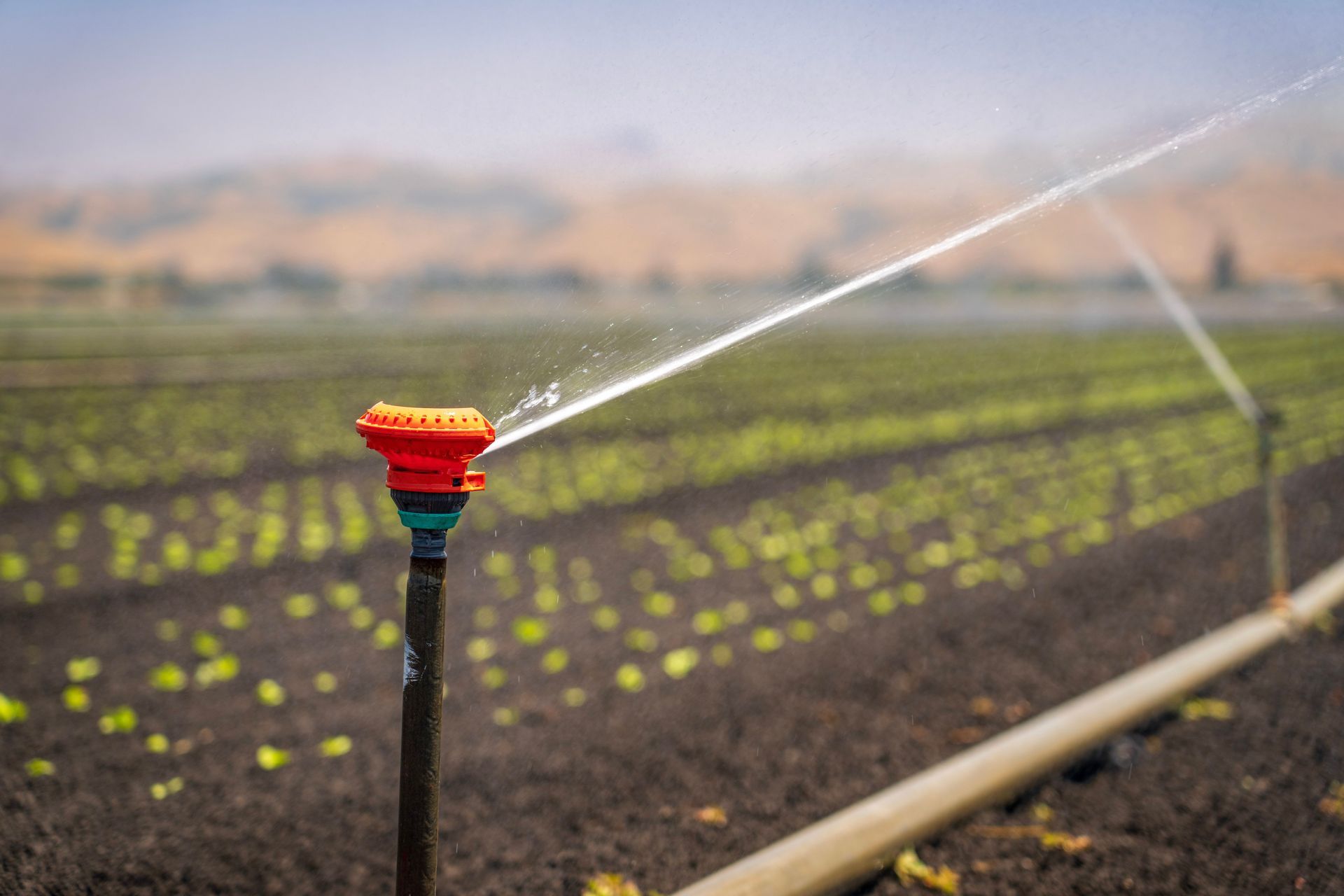
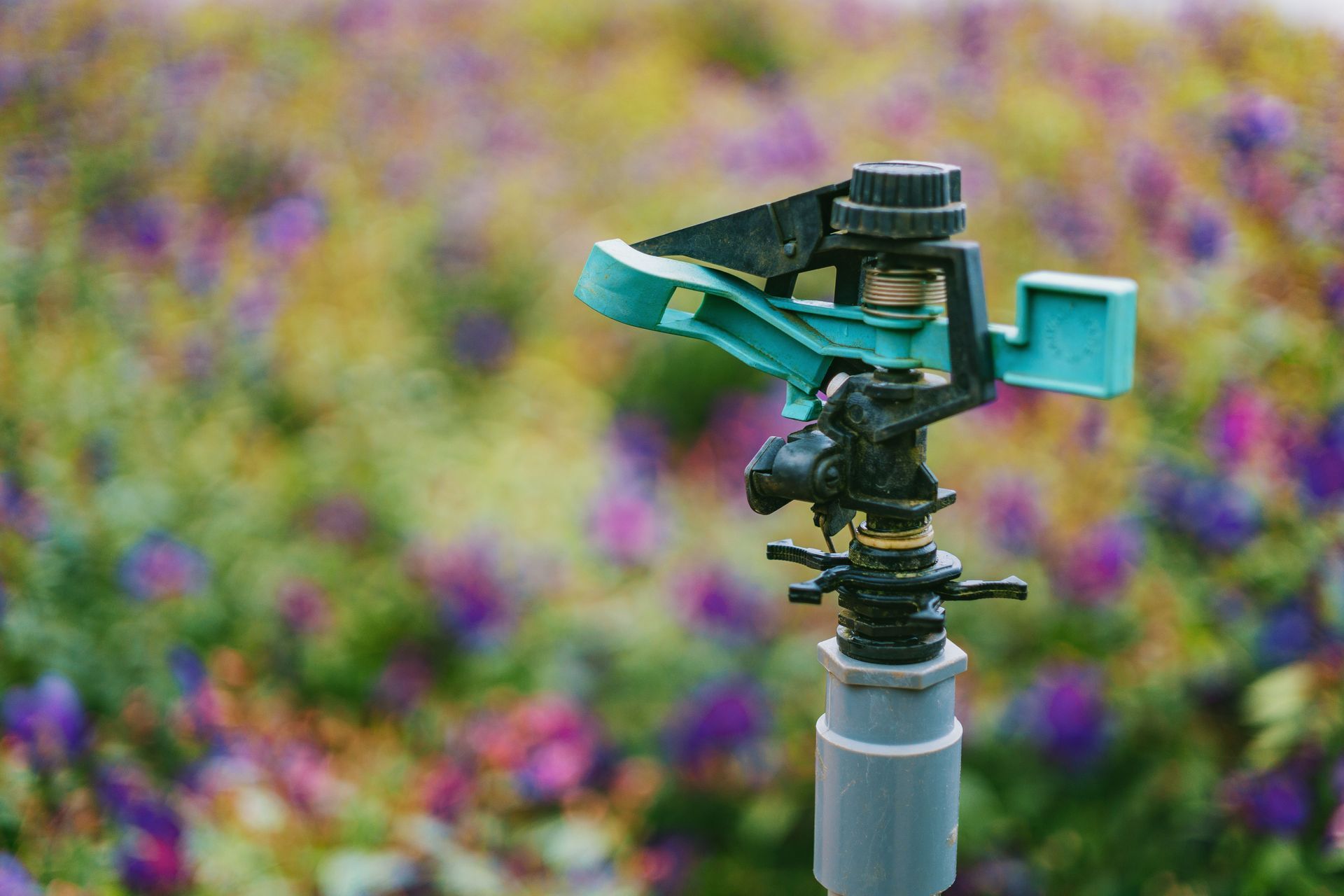
A lawn fertilizer service is only as effective as the water management system supporting it. Nutrients must be dissolved in water to move through the soil profile and enter the roots. If your irrigation system has clogged nozzles or broken heads, parts of your lawn will remain hungry regardless of how much fertilizer is applied. This creates a frustrating cycle of localized dry spots and nutrient deficiencies.
Regularly checking your sprinklers is a vital part of yard care . We recommend a mid-season audit to ensure your coverage is still adequate as the temperatures rise. If you notice your lawn is not responding to fertilization as expected, the issue is often related to water distribution. Correcting these mechanical issues ensures you get the maximum return on your investment in lawn treatments.
Summary of Benefits for Colorado Lawns
Investing in a professional lawn fertilizer service is the most effective way to ensure your property remains healthy and attractive throughout the year. By providing a balanced nutrient profile, following a strict seasonal schedule, and avoiding the pitfalls of DIY application, you protect your landscape and enhance its value. Whether you are managing a commercial site in Montrose or a residential yard in Olathe, professional care makes a visible difference.
Key takeaways for a successful lawn:
- Focus on the N-P-K balance to meet specific seasonal needs.
- Utilize professional application to avoid striping and chemical burn.
- Integrate fertilization with a robust irrigation plan for best results.
- Schedule fall treatments to ensure winter survival and spring green-up.
- Consult with experts who understand the unique soil conditions of Western Colorado.
If you are ready to transform your property and enjoy a thicker, greener lawn, the team at Alpine Property Services is here to help. Our decades of local experience allow us to provide the precise care your turf needs to thrive in our unique environment. Feel free to contact us for a consultation on your property's specific needs.