

How to Install a Sprinkler Irrigation System in 2026
By • March 23, 2026

Key Takeaways for Property Owners:
- Expect a professional residential installation to cost between $3,500 and $6,500 on average.
- Smart controllers and proper zoning are essential for modern water conservation.
- Professional installation prevents common DIY pitfalls like backflow contamination and burst pipes.
- Seasonal maintenance and winterization are mandatory for irrigation longevity in Colorado.
- Precision layout and hydrozoning ensure maximum efficiency and lawn health.
A professional sprinkler irrigation system installation involves a comprehensive process of site assessment, hydraulic design, trenching, and the assembly of precision-engineered components. On average, most residential systems range from $3,500 to $6,500, delivering automated water efficiency, increased property valuation, and a vibrant, healthy landscape for years to come.
What is the average cost of sprinkler irrigation system installation?
Understanding the financial commitment required for a professional irrigation setup is the first step for any property manager or homeowner. While many variables influence the final quote, the primary cost drivers include the total area of the lawn, the quality of components selected, and the local labor rates. For properties in the Montrose and Delta areas, owners should budget for several key categories:
- System Components : High-quality rotors, spray heads, and smart controllers typically account for 30-40% of the total budget.
- Labor and Expertise : Professional installation ensures proper trenching depth and hydraulic balancing, which prevents future repairs.
- Permits and Inspections : Most municipalities require backflow preventer inspections to ensure your system doesn't contaminate the local water supply.
- Zoning Requirements : Larger properties require more zones to maintain adequate water pressure across all areas.
- Landscape Complexity : Slopes, rocky soil, or established hardscaping can increase the labor hours required for installation.
Investing in a high-end IRRIGATION system pays for itself over time through reduced water waste. In Colorado’s semi-arid climate, an inefficient system can lead to massive water bills and dying turf. By opting for a professional build, you ensure that every drop of water is used effectively, targeting only the areas that need it most. When considering the total investment, think of it as a permanent property improvement rather than a simple maintenance expense. A well-installed system significantly boosts curb appeal, making it a wise choice for those looking to maximize their home's market value.
Essential Components of a Modern Automatic Sprinkler System
A modern automatic sprinkler system is a complex network of mechanical and electronic parts working in harmony. To achieve the best results, each component must be selected based on the specific needs of your terrain and plant life. Professional installers, like the team at APS Alpine Property Services LLC with over 50 years of experience, focus on durability and precision.
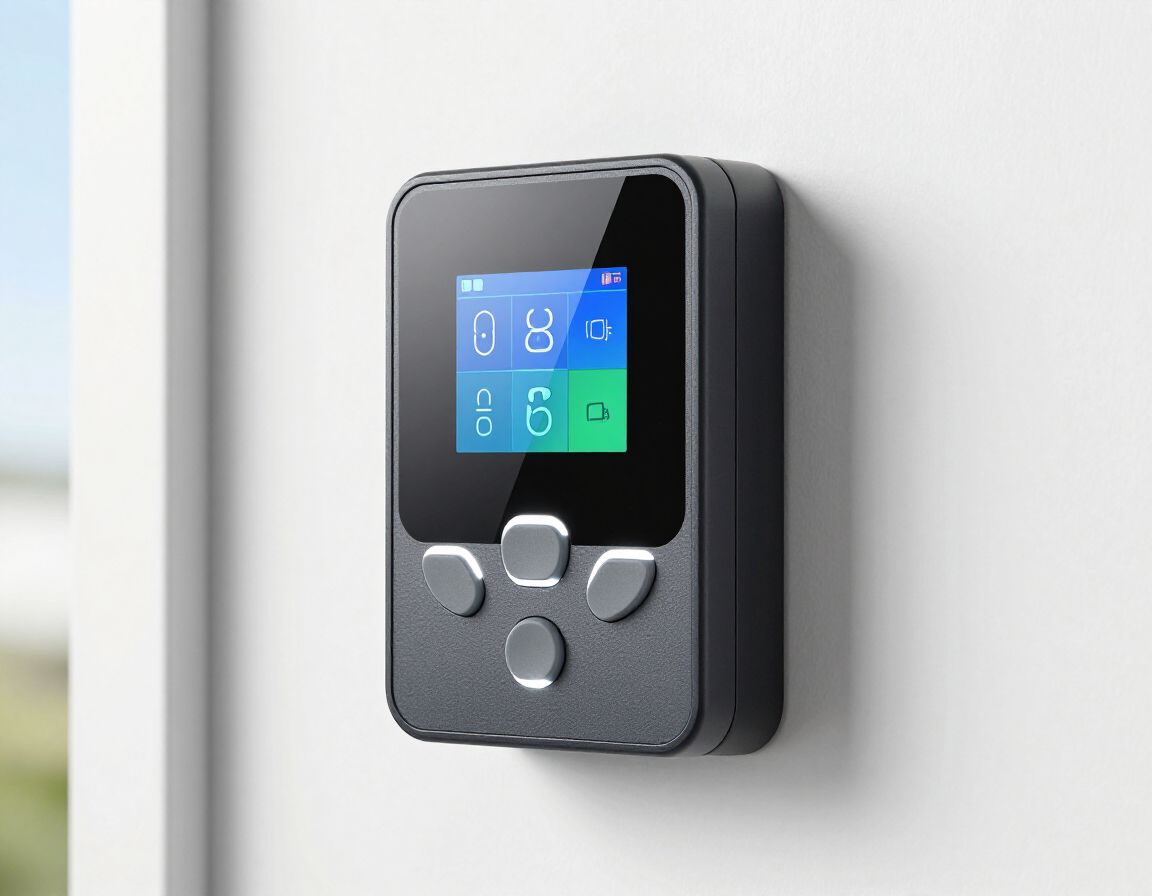
The Smart Controller : This is the "brain" of your system. Modern controllers use Wi-Fi and local weather data to adjust watering schedules automatically. If it rained yesterday, the system knows to skip today's cycle, saving you money and protecting your lawn from over-watering.
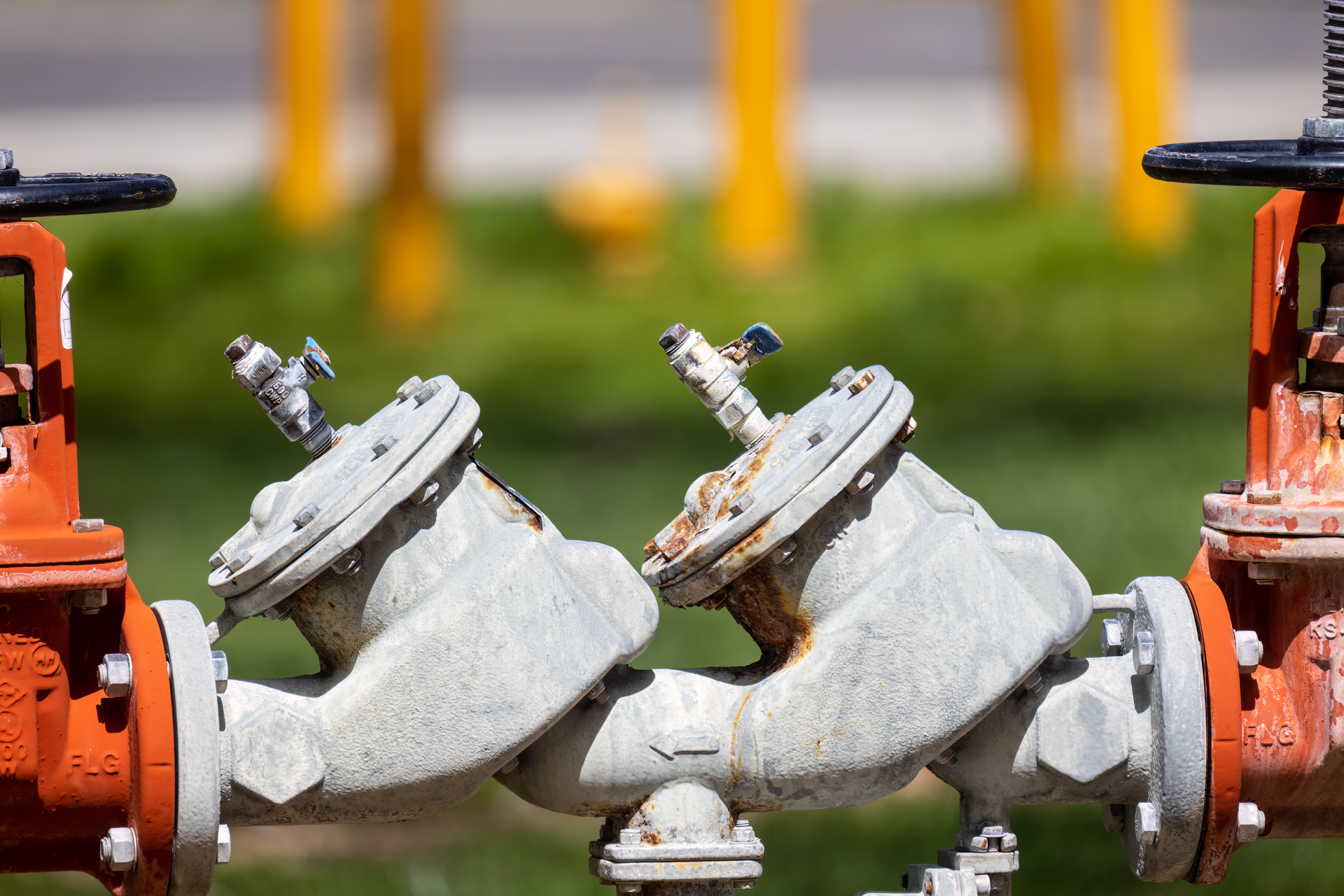
The Backflow Preventer : This critical safety device prevents irrigation water—which may contain fertilizers or lawn chemicals—from flowing back into your home’s clean drinking water supply. Professional installation of this component is non-negotiable for safety and legal compliance.
Control Valves : These operate as the gateways for each zone. When the controller sends a signal, the valve opens, allowing water to flow to a specific section of your yard. High-quality valves prevent leaks and ensure consistent pressure regulation.
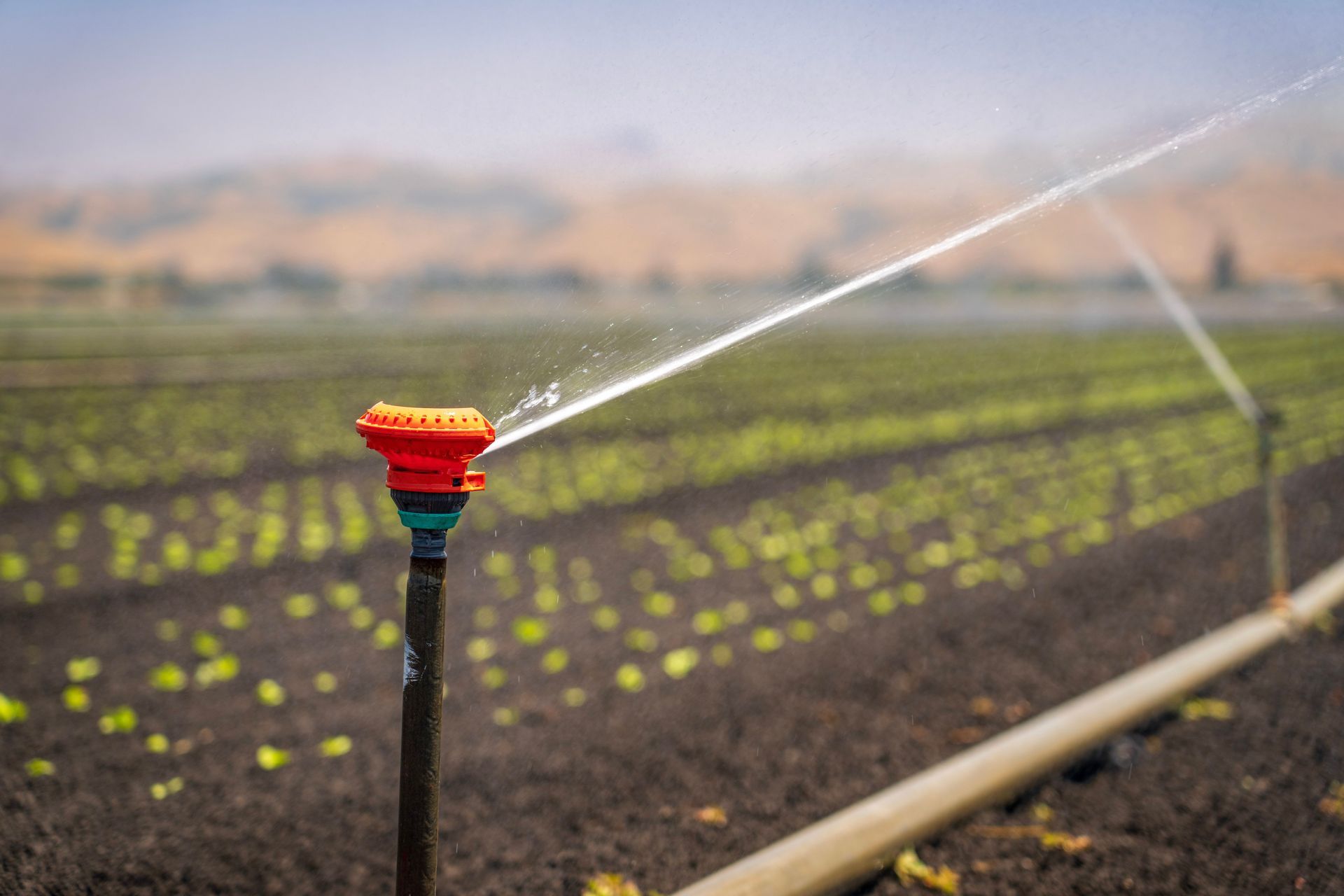
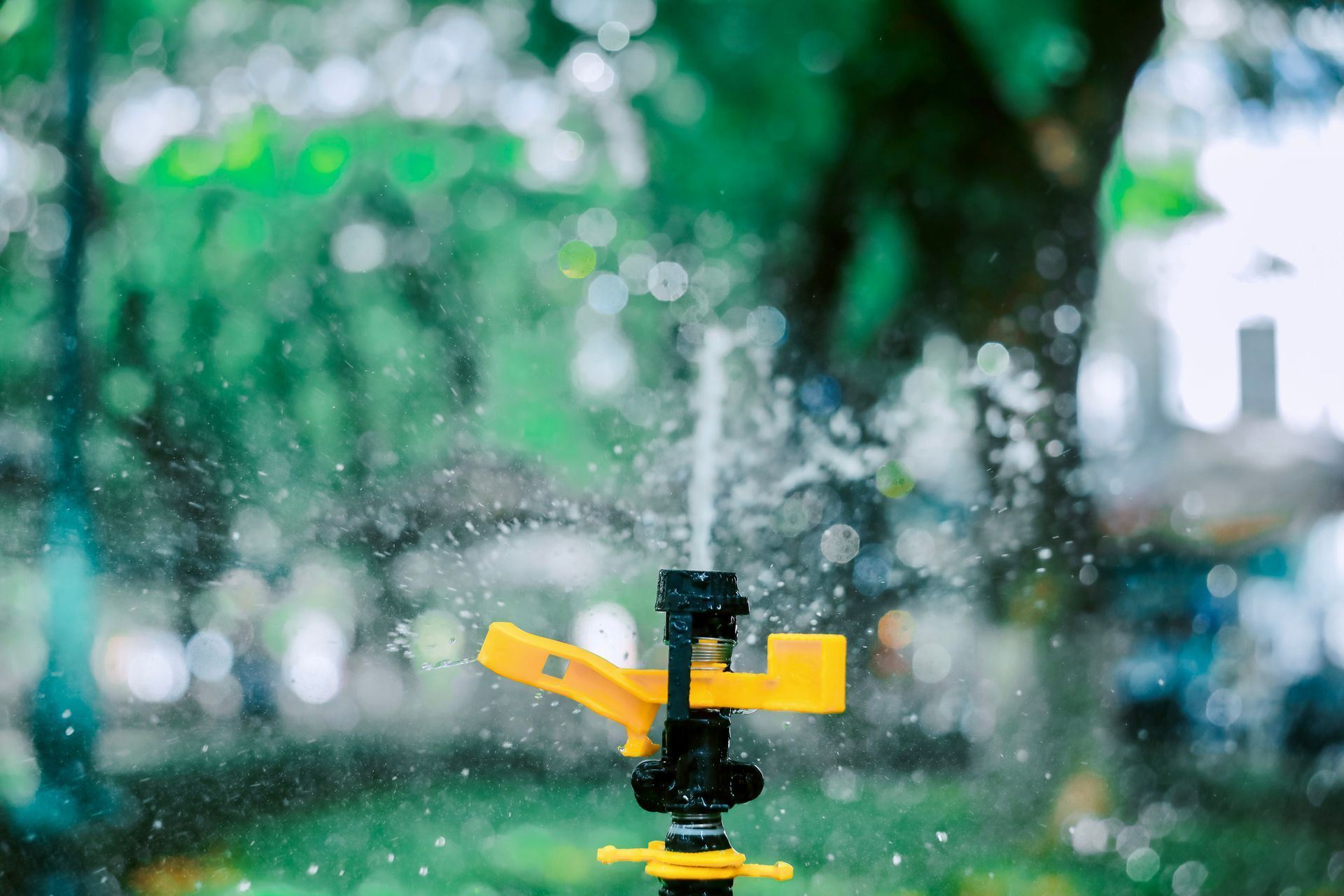
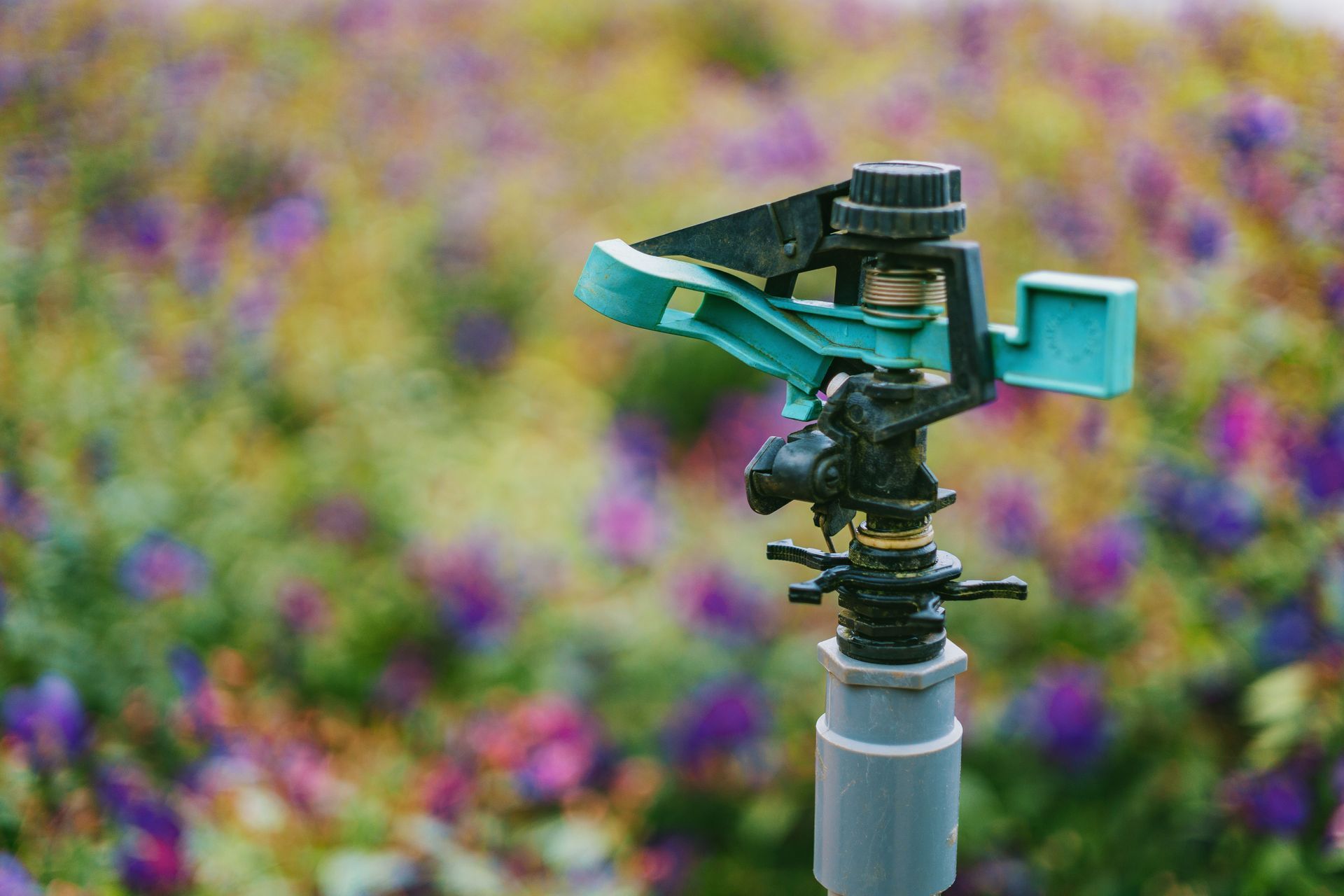
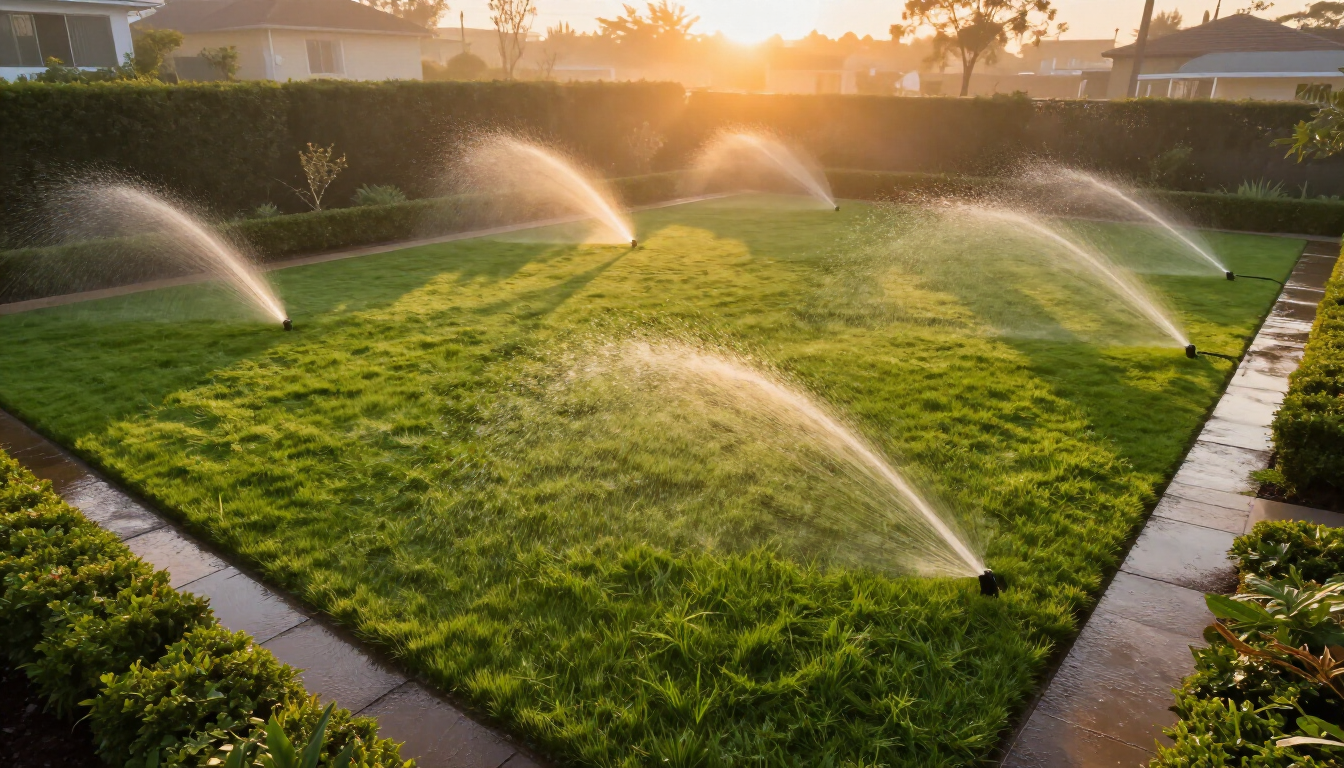
Rotor and Spray Heads : Rotors are used for large, open areas because they rotate to cover wide distances. Spray heads are better suited for smaller, defined areas like flower beds or narrow strips of grass. Choosing the right head for the right location is essential for "head-to-head" coverage, ensuring no dry spots are left behind.
Sensors and Add-ons : Soil moisture sensors and rain sensors can be integrated to further refine the system's efficiency. These tools monitor the actual conditions of your soil, providing a level of accuracy that a simple timer cannot match.
How long does it take to install a residential irrigation system?
Most homeowners are surprised to learn that a standard residential installation can often be completed in just two to four days. However, this timeline depends heavily on the complexity of the landscaping services required. The process follows a systematic workflow to minimize disruption to your property:
- Site Mapping and Design : We begin by measuring water pressure (PSI) and flow rate (GPM) to create a custom layout.
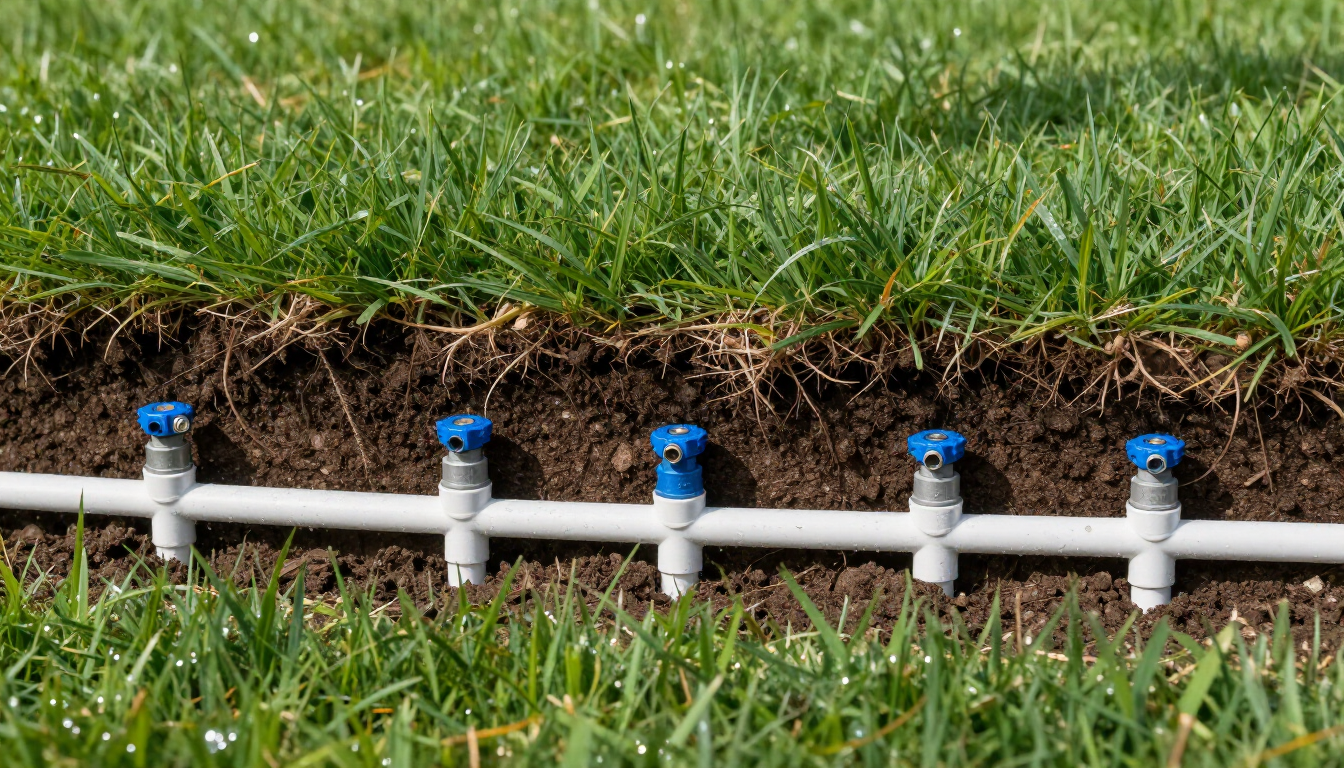
- Trenching and Piping : Specialized machinery creates narrow paths for the lateral and main lines without destroying your entire lawn.
- Valve Box Assembly : We centralize the control valves in a durable, accessible underground box for easy maintenance.
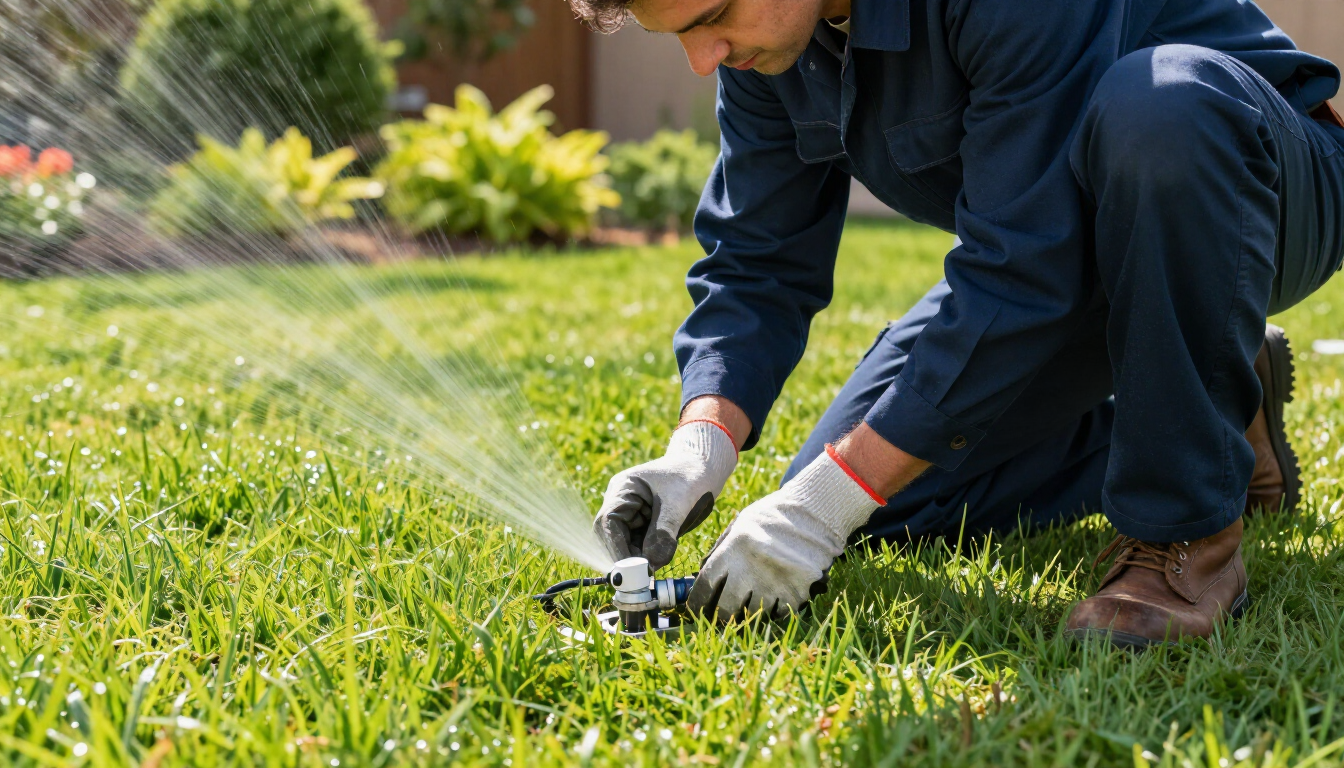
- Head Placement and Tuning : Each sprinkler head is installed and adjusted for the correct arc and throw distance.
- Testing and Backfilling : The system is pressurized to check for leaks before the trenches are carefully filled and the sod is replaced.
Planning Your Sprinkler Layout for Maximum Efficiency
The secret to a low-maintenance lawn is a scientific sprinkler system layout . This involves "hydrozoning," or grouping plants with similar water needs into the same irrigation zones. For example, your thirsty turf grass should never be on the same zone as your drought-tolerant shrubs. This prevents over-watering the shrubs while trying to keep the grass green.
Another critical factor is pressure management. If your water pressure is too high, the water will "mist," drifting away in the wind instead of soaking into the soil. If it is too low, the heads won't pop up or spray far enough. A professional installer uses pressure-regulating heads to maintain the optimal 30-45 PSI required for most residential systems. This level of planning is why it is beneficial to how to find a local landscaping contractor who understands the local topography and water pressure variances in the Colorado mountains.
- Overlap (Head-to-Head Coverage) : Each head should spray all the way to the base of the next head to eliminate gaps.
- Wind Consideration : In breezy areas like Ridgway or Olathe, we use low-angle nozzles to keep water on the ground.
- Soil Intake Rates : Clay-heavy soils in Montrose require "cycle and soak" programming to prevent runoff.
- Future Growth : We plan the layout considering how your trees and shrubs will grow over the next decade.
- Accessibility : Valves and controllers are placed in locations that are easy to reach for winterization or repairs.
Why is professional irrigation installation better than DIY?
While a DIY approach might seem cost-effective initially, the long-term risks often outweigh the savings. Improperly installed pipes can freeze and burst during Colorado's harsh winters, leading to expensive repairs. Professional installers have access to commercial-grade materials that aren't available at standard home improvement stores. Furthermore, an expert will ensure your system is perfectly balanced. If one zone pulls too much water, the rest of the system will fail to perform.
At APS Alpine Property Services, we bring over 50 years of experience to every project. We understand the specific needs of the Western Slope, from the unique soil composition to the necessary winterization techniques. When you hire professionals, you also receive a warranty on labor and parts, providing peace of mind that your investment is protected. For those ready to upgrade their property, the first step is to REQUEST A CALLBACK to discuss your specific needs.
Irrigation for the Colorado Climate: Challenges and Solutions
Operating an irrigation system in Montrose, Delta, or Ridgway comes with unique challenges. The primary concern for any property owner in this region is the transition between seasons. Proper lawn irrigation maintenance must include a thorough winterization process, often called a "blow-out." This involves using a high-volume air compressor to remove every drop of water from the underground lines before the ground freezes. Failure to do this will result in cracked pipes and ruined valves by springtime.
Additionally, the soil in our region can vary from heavy clay to rocky loam. Clay soil absorbs water slowly, meaning the system must be programmed to deliver water in shorter, more frequent bursts to prevent wasteful runoff. Our team specializes in calibrating systems for these exact conditions, ensuring your landscaping stays lush without wasting a single gallon of water. We also recommend regular spring start-up services to check for any damage caused by shifting soil during the freeze-thaw cycle.
Conclusion: Your Path to a Greener Property
Installing a sprinkler irrigation system is one of the most effective ways to enhance the beauty and value of your property. By automating the process, you save hours of labor every week and ensure your landscape receives the precise amount of hydration it needs to thrive. While the initial cost of professional irrigation installation reflects the complexity of the work, the long-term benefits of water conservation and plant health are undeniable.
Ready to transform your landscape with a high-efficiency irrigation system? Contact APS Alpine Property Services LLC today to schedule a consultation and take the first step toward a worry-free, beautiful lawn.
Request A Callback Today!
Share your details and what you need—we’ll call you back by the next business day to schedule an estimate.
SHARE THIS