Best mowing schedule by season in Western Colorado
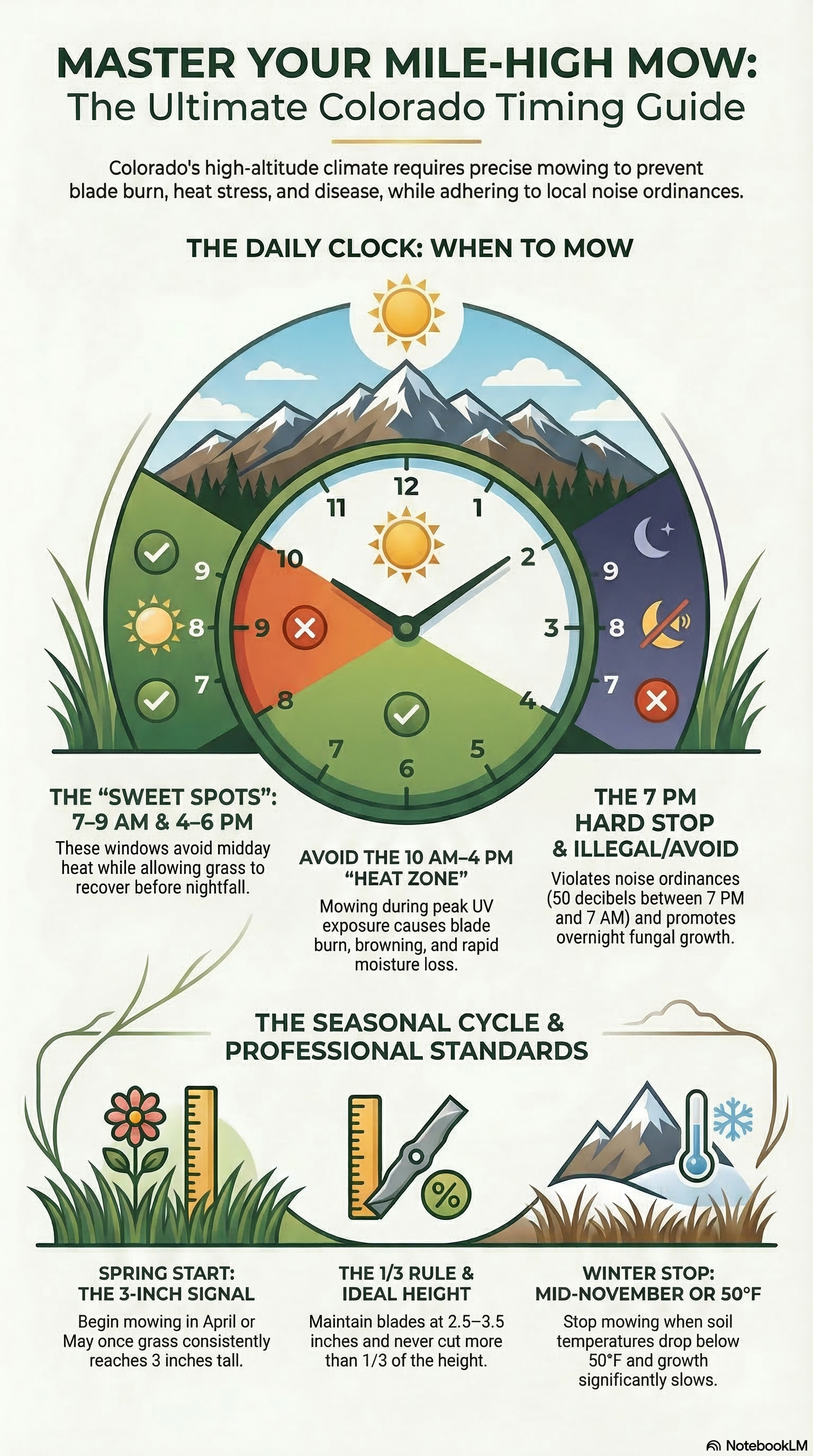
Mowing frequency should change with the season. The goal is to keep the lawn in the best condition, not to follow a rigid calendar.
Spring: faster growth and more frequent mowing
In spring, lawns often grow quickly. Mowing may need to happen weekly or even slightly more often during peak growth. Spring also brings wet soil conditions, so mowing when the lawn is soggy should be avoided to prevent compaction and rutting.
Summer: raise mowing height and reduce stress
Summer mowing is about protecting the lawn. In Montrose and Delta, summer heat and sun exposure can be intense. Many lawns do better when they are cut a bit taller in summer because taller blades shade the soil and support deeper roots. Growth may slow in heat, so mowing frequency often decreases.
Fall: taper frequency and prepare for dormancy
In fall, growth patterns change again. Mowing may become less frequent as temperatures drop. The goal is to keep the lawn neat while supporting healthy root development going into winter.
When to stop mowing for the season
You can usually stop mowing when grass growth slows to the point where it is not increasing noticeably between cuts. Keeping the lawn from getting too long heading into winter can help prevent matting and winter stress.
How often should you mow
The right mowing frequency depends on growth rate, lawn health, and weather. A simple rule keeps things practical.
The one third rule
Do not remove more than one third of the grass height in a single mowing. Cutting too much at once is called scalping. Scalping stresses the lawn, exposes soil to sun, and creates perfect conditions for weeds.
If the lawn got too tall, the best solution is often two cuts spaced a few days apart rather than one aggressive cut.
Weekly vs biweekly mowing
Weekly mowing is usually better for healthy turf during active growth seasons. Biweekly mowing often forces you to cut too much at once, which increases stress and creates a mess of clippings. For property managers, biweekly schedules can also lead to inconsistent curb appeal, especially in spring.
High traffic lawns
Lawns with kids, pets, and heavy walking may need extra attention. Traffic compacts soil and wears grass down. A smart mowing plan paired with occasional aeration can help these lawns stay thicker.
Alpine Property Services has seen many lawns that looked thin mostly because they were being mowed too short and too infrequently. When mowing height and schedule were adjusted, the lawns began filling in and looking more uniform within a few weeks.
Mowing height is the biggest factor most people get wrong
If you want a greener lawn with fewer weeds, mowing height is one of the simplest improvements you can make.
Taller grass supports deeper roots
When you cut grass too short, roots tend to stay shallow. Shallow roots struggle in heat and dry spells. Slightly taller grass shades the soil, holds moisture better, and encourages stronger roots.
Avoiding scalping
Scalping exposes soil and stresses the plant. It also creates an uneven look that can take weeks to recover from. Keeping blades sharp and adjusting mower height prevents most scalping issues.
Wet grass, irrigation, and mowing
Many mowing problems come from mowing right after watering or rain.
Time mowing around sprinkler schedules
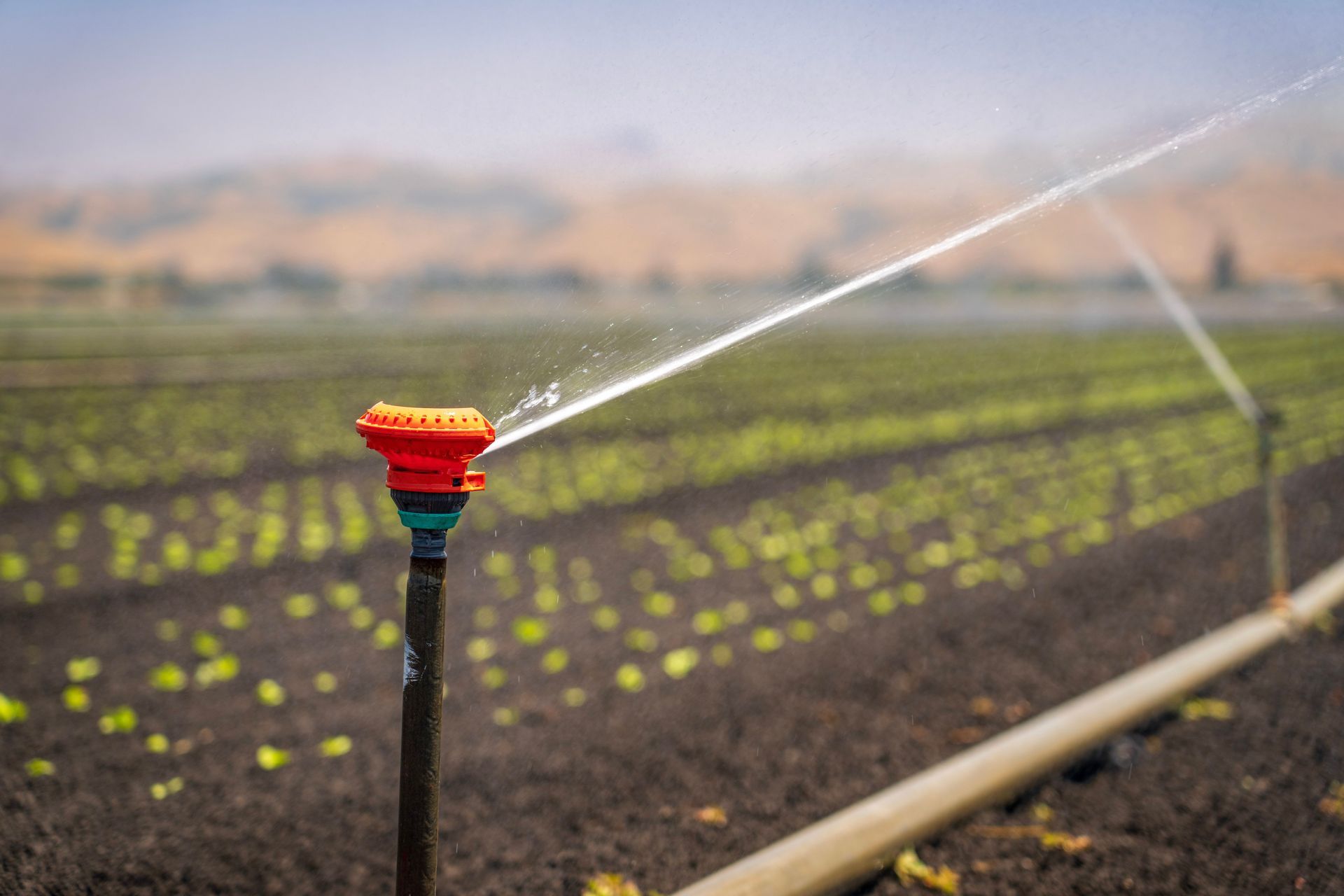
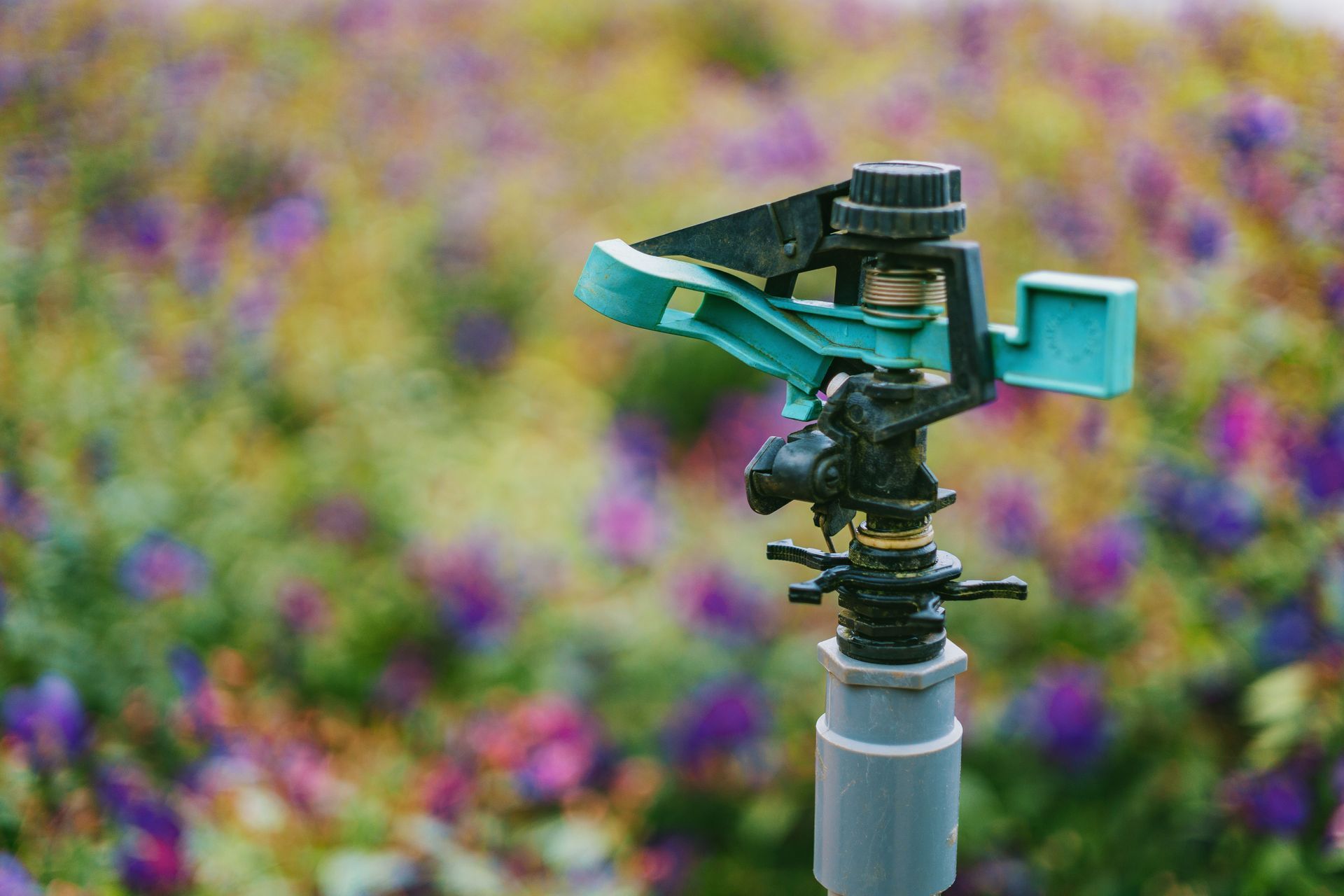
If your sprinklers run early morning, plan mowing after the lawn dries. If you water at night, you may need to shift watering times so the lawn can be mowed on schedule without staying wet.
Avoiding compaction and ruts
Wet soil compacts more easily. Once soil is compacted, water infiltrates less, roots struggle, and the lawn becomes more vulnerable. Timing mowing for dry conditions is a form of property maintenance that protects long term turf health.
Should you bag or mulch
This choice affects appearance and soil health.
Mulching clippings
Mulching returns nutrients to the lawn and can help soil hold moisture. When mowing on schedule, clippings are short and break down quickly.
Bagging clippings
Bagging can be useful when the lawn is overgrown, when weeds are heavy, or when clippings would clump and smother turf. Bagging is also useful during heavy leaf drop when mulching would leave too much material on the surface.
What a professional lawn mowing service does differently
A professional mowing crew is not just faster. The difference is consistency and finish.
Clean edging and trimming
Edging along sidewalks, driveways, and curbs is what creates a crisp look. Trimming around obstacles and keeping borders neat makes a property look maintained, not just cut.
Sharp blades and cut quality
Sharp blades create clean cuts. Dull blades tear grass, which leads to a grayish look at the tips and increases stress.
Cleanup standards
A professional crew should remove clippings from hard surfaces and leave the site clean. This matters for commercial properties and rentals where appearance is part of the tenant experience.
Common mowing mistakes to avoid
Most lawn issues are caused by a few common habits:
- Mowing too short
- Mowing wet grass
- Mowing too infrequently, causing scalping
- Using dull blades
- Skipping edging and cleanup
Fixing these habits often improves a lawn faster than adding more fertilizer.
Conclusion
For homeowners and property managers in Montrose and Delta, the best time to mow lawn is usually when grass is dry and temperatures are moderate, most often late morning or early evening. Consistent timing, the right mowing height, and a schedule that matches growth rate are what keep turf thick and curb appeal strong. If you are looking for a lawn mowing service near me, choose a provider that prioritizes clean cuts, sharp blades, edging, and cleanup standards. Those details are what make a lawn look professionally maintained week after week.