

Lawn Seeding Near Me: 5 Ways to Revive Your Turf (2026)


By  March 18, 2026

Professional lawn seeding near me involves choosing between traditional broadcast methods and modern spray grass seed (hydroseeding) to restore turf health. In Montrose, CO, the best results come from high-quality seed selection and expert application, ensuring rapid germination and long-term sustainability in our unique mountain-valley climate and soil.

What is the Difference Between Traditional and Spray Grass Seed?

When property owners search for "lawn seeding near me," they typically encounter two primary options: traditional dry seeding and hydroseeding, also known as spray grass seed. Traditional seeding involves spreading dry grass seeds over prepared soil using a mechanical spreader. While this method is cost-effective for smaller patches, it often requires extensive topsoil coverage or straw mulch to protect the seeds from wind, birds, and erosion. Traditional methods are often manual and can lead to uneven growth if the seed is not distributed with precision.

In contrast, spray grass seed is a more advanced technique where a slurry, a mixture of grass seed, water, fertilizer, wood or paper mulch, and specialized tackifiers—is sprayed directly onto the soil. This slurry acts as a protective blanket, locking the seeds in place and providing immediate moisture and nutrients. Hydroseeding is often preferred for large residential properties and commercial landscapes in Colorado because it provides more uniform coverage and significantly faster growth rates. The mulch in the spray mixture helps retain moisture, which is critical in our semi-arid Western Slope environment.

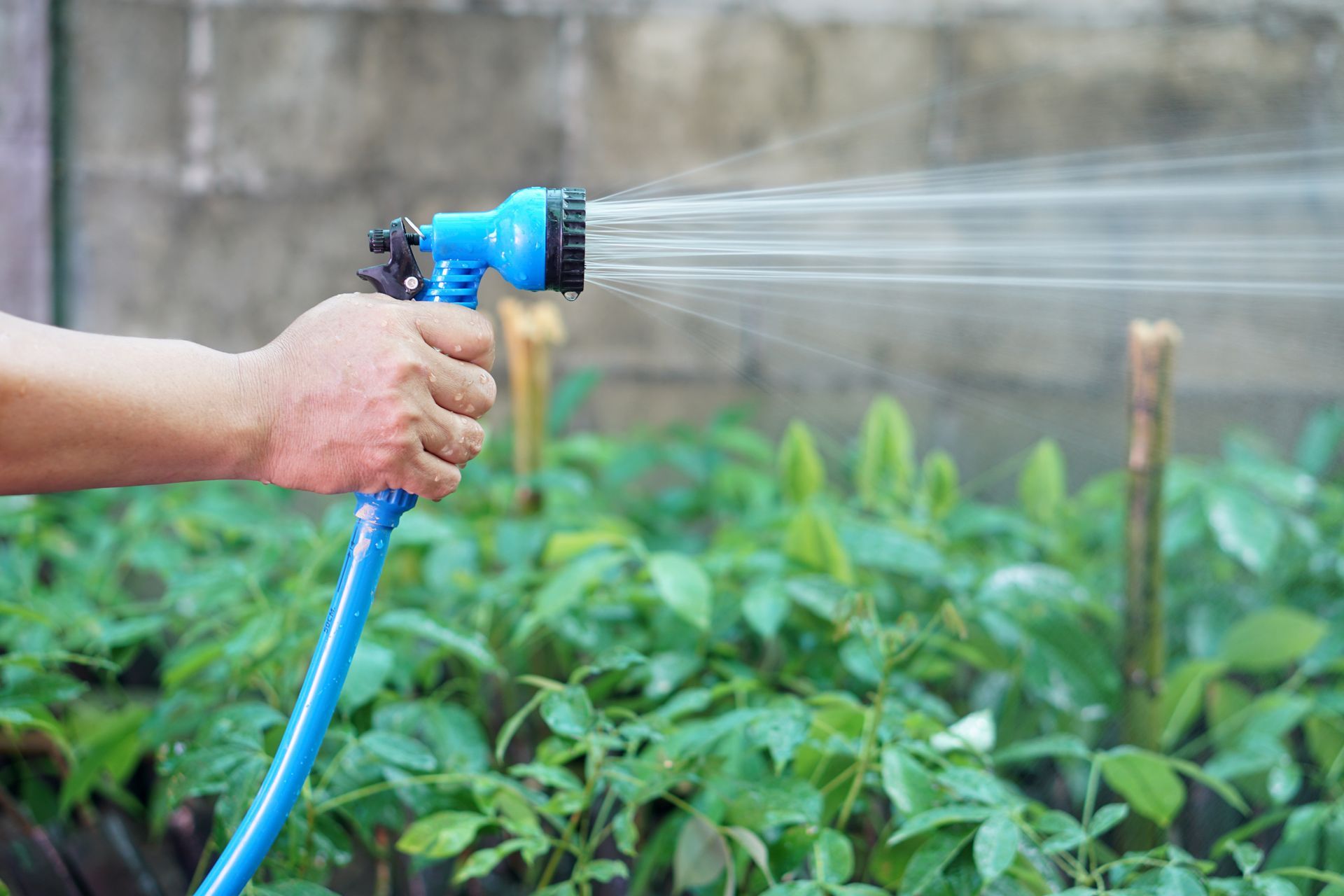
A hand holding a blue spray nozzle, watering green seedlings in a garden.

Why Search for Professional Lawn Seeding Near Me?

Hiring local professionals like APS Alpine Property Services LLC ensures that your lawn project is managed with over 50 years of collective experience. Local experts understand the "Montrose mix" the specific blend of clay and loam found in our region, and how it impacts seed-to-soil contact. A generic bag of seed from a big-box store rarely contains the high-altitude varieties required to survive our intense UV exposure and fluctuating temperatures. Using the wrong seed can lead to a lawn that looks great for one season but fails to survive the winter or the summer heat.

Professional services provide more than just seed application. They offer comprehensive site evaluation, including grading and drainage analysis. If your land isn't properly leveled, new seeds can wash away during heavy spring rains or irrigation cycles. By searching for a local landscaping contractor , you gain access to commercial-grade equipment and specialized fertilizers that aren't available to the general public. Furthermore, local companies are invested in the community's curb appeal, ensuring that your property stands out in neighborhoods across Delta, Olathe, and Ridgway. Professional landscaping services also ensure that your lawn integrates seamlessly with existing features like patios or walkways.

When is the Best Time to Seed Your Lawn in Colorado?

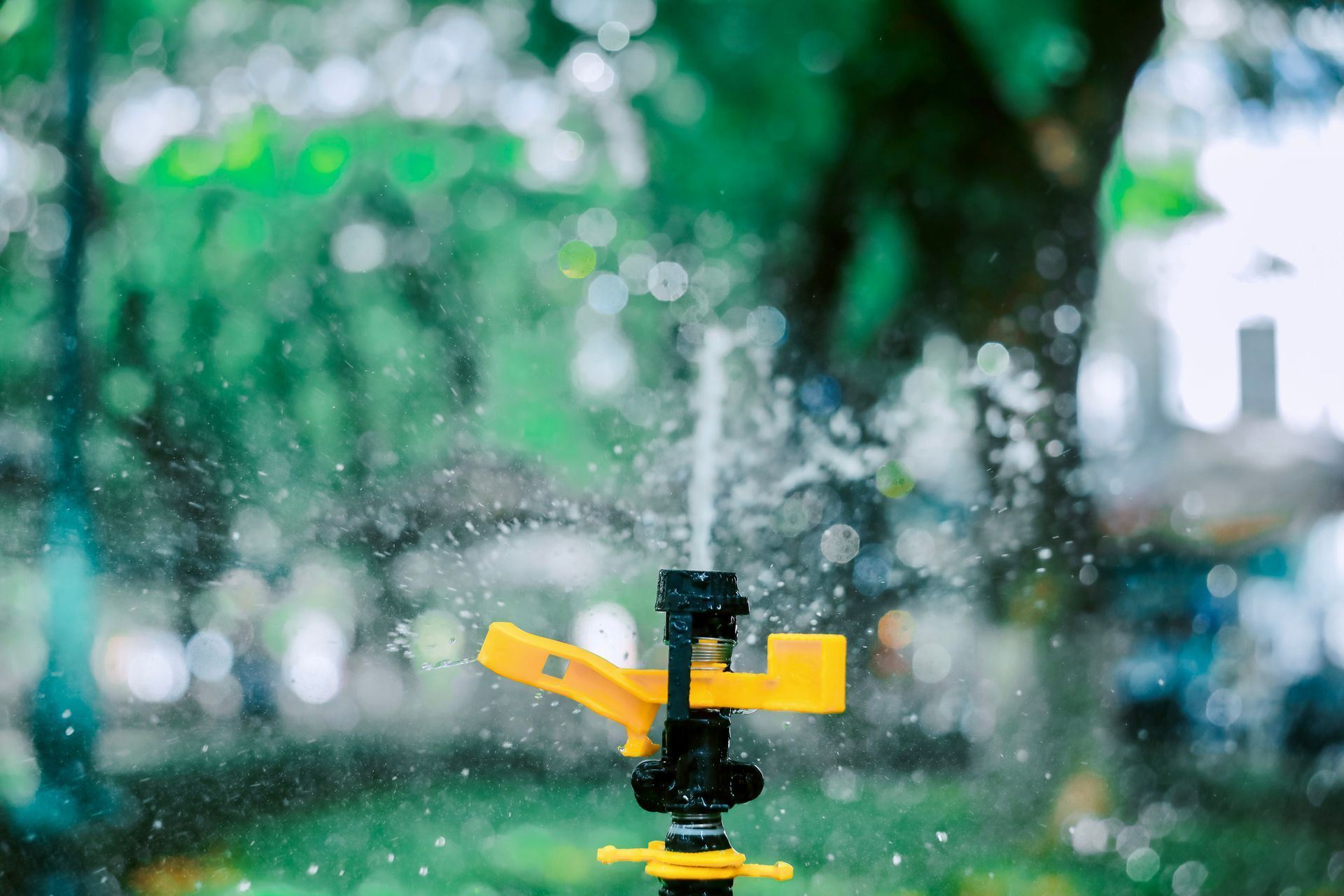
Timing is everything when it comes to successful lawn establishment. In the Montrose and Delta areas, the two primary windows for seeding are early spring (late March to early May) and early fall (late August to mid-September). Spring seeding allows the grass to establish before the scorching summer heat, provided that an efficient  irrigation  system is in place. The moisture from melting snow can often assist in early germination, but the soil must be warm enough to support root development.

Fall is often considered the "golden window" for lawn seeding in the Rockies. During this period, the soil remains warm from the summer sun, but the air temperature begins to cool. This combination encourages deep root growth rather than rapid top-growth, which helps the turf survive the upcoming winter dormancy. Additionally, there is typically less weed competition in the fall, allowing your new grass seeds to thrive without being choked out by invasive species. Proper planning ensures that your new lawn is strong enough to handle our local snow and ice management needs once winter arrives. Seeding too late in the fall can be risky, as a sudden hard freeze can kill tender new sprouts before they harden off.

Essential Factors for High-Altitude Seeding Success

Successful lawn growth in high-altitude regions requires more than just water and sunlight. Our atmosphere is thinner, which means the sun's rays are more intense, and the air is significantly drier. These factors can quickly dehydrate new seeds if they aren't properly protected. When choosing professional landscaping experts, ensure they account for these variables during the preparation phase. Soil pH is also a common challenge in Colorado, where alkaline soils can prevent grass from absorbing necessary nutrients like iron.

  • Soil Aeration : Reducing compaction before seeding allows roots to penetrate deeper into the earth.
  • Seed Quality : Utilizing drought-resistant fescues or Kentucky Bluegrass blends designed for the Intermountain West.
  • Mulch Retention : Using wood-fiber mulch in spray grass seed to maintain soil temperature consistency.
  • Nutrient Balance : Applying a high-phosphorus "starter fertilizer" to promote early root development.
  • Consistent Moisture : Implementing a temporary watering schedule that keeps the seed bed moist but not saturated.
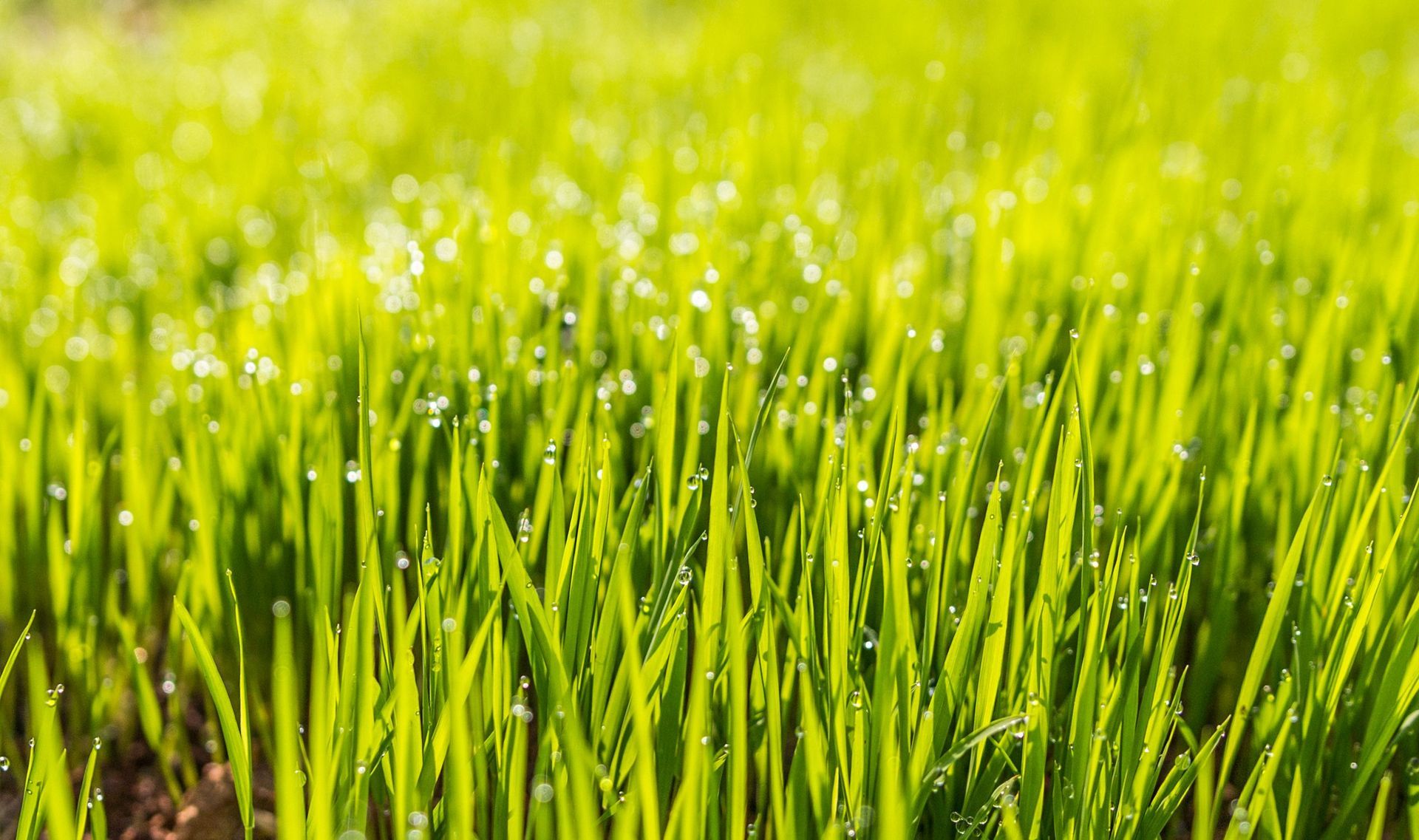
Healthy green grass

How to Choose the Right Seed for Montrose Climates?

Choosing the right seed is a technical process that involves analyzing the amount of shade, foot traffic, and water availability on your property. For many residential lawns in Montrose and Delta, a blend of Tall Fescue is popular because of its deep root system and ability to withstand heat. However, for those seeking a lush, carpet-like appearance, a Kentucky Bluegrass blend might be the better choice, provided the owner is committed to a robust turf and weed control program. Fine fescues are often the go-to choice for shaded areas under large trees where other grasses might struggle.

Local experts can provide infographics of lawn seeding that show the germination timelines for different species. For example, Perennial Ryegrass might sprout in as little as 7 days, whereas Kentucky Bluegrass can take up to 21 days to show its first blades. Understanding these timelines helps property owners manage their expectations and their watering schedules. Mixing these varieties ensures that some grass grows quickly to stabilize the soil while the slower, hardier varieties take root for the long haul. This biodiversity within the lawn makes it more resilient against pests and diseases that might target a single species of grass.

The Step-by-Step Process of Professional Hydroseeding

The process of applying spray grass seed is highly systematic. It begins with soil preparation, which involves removing old debris, rocks, and weeds. The soil is then tilled and graded to ensure a smooth surface for the slurry. Once the site is ready, the hydroseeding machine mixes the custom slurry. The technician then uses a high-pressure hose to apply a uniform layer over the entire area. This layer is usually a bright green color, which allows the technician to see exactly where the seed has been placed, ensuring no patches are missed.

Within a few hours of application, the slurry begins to dry and harden slightly, creating a crust that protects the seeds from being moved by wind or light rain. This crust is permeable, allowing water and air to reach the seeds while keeping the moisture trapped beneath the surface. Over the following two to three weeks, the mulch begins to decompose, adding organic matter back into the soil just as the new grass blades emerge. This integrated system of protection and nutrition is why hydroseeding is the gold standard for modern property improvement services .

Why Healthy Soil is the Foundation of Your New Lawn

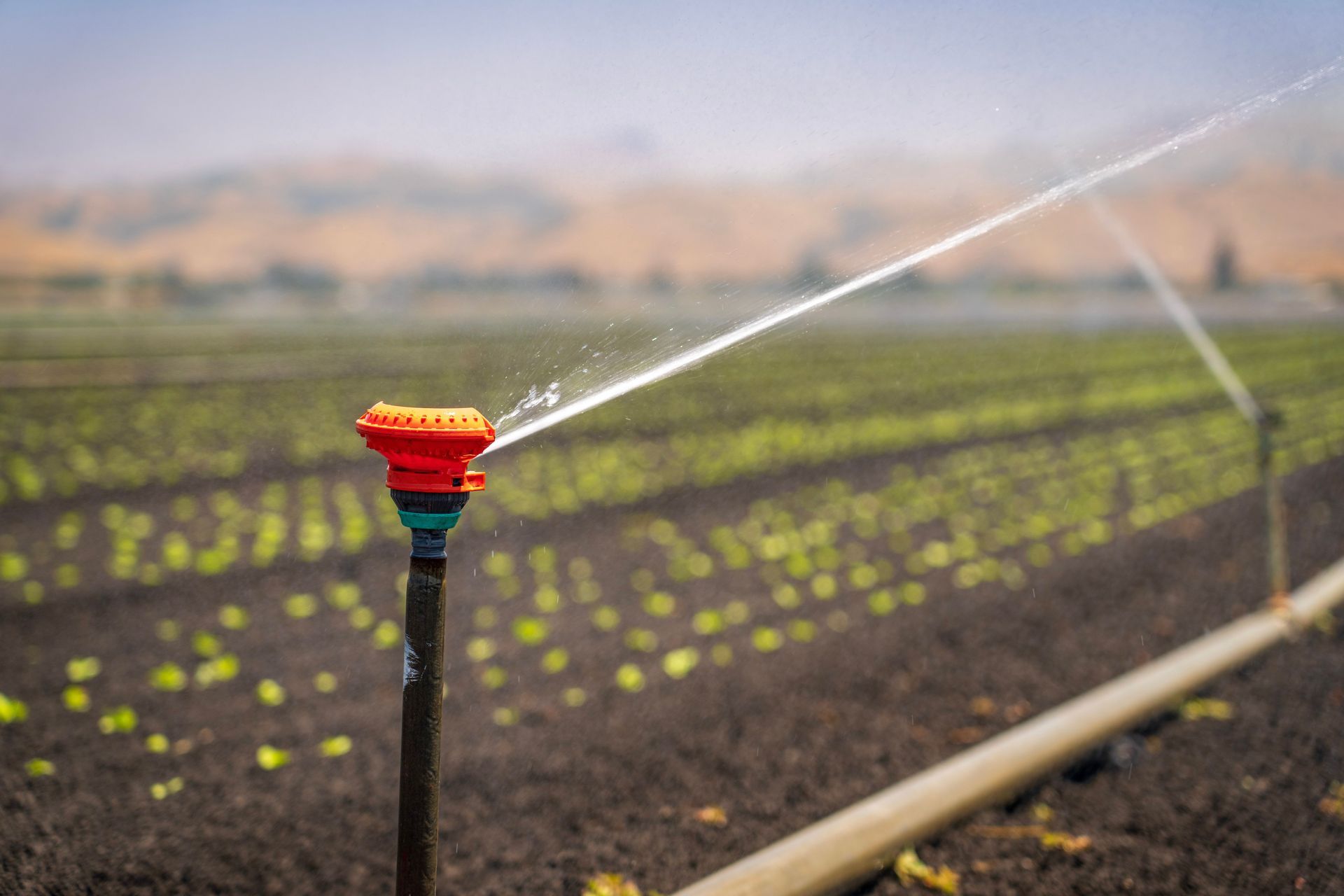
No amount of high-quality seed can compensate for poor soil health. In many parts of the Western Slope, the soil can be heavy with clay or lacking in organic matter. Before any seeding project begins, it is essential to ensure the soil is nutrient-rich and porous. This is where irrigation repair and installation also come into play. A new lawn needs a reliable source of water, and if your sprinkler system has leaks or dead zones, your new grass will suffer. Ensuring your system is optimized before seeding prevents the need to dig up your new turf later for repairs.

Moreover, the long-term health of your lawn depends on ongoing maintenance. Once the grass is established, transition into a regular fertilization and aeration schedule. This keeps the soil from compacting and ensures that water can always reach the root zone. If you are managing a commercial property, consider how the lawn interacts with other paved surfaces. Properly maintained edges around parking lot painting or walkways enhance the overall professional look of your facility. A beautiful lawn is the finishing touch on any comprehensive property management strategy.

How to Maintain Your New Lawn Post-Seeding?

Once your lawn has been seeded, the first 30 days are the most critical. You must keep the soil surface consistently moist. This typically means watering for short durations multiple times a day—often three or four times depending on the wind and temperature. Avoid heavy foot traffic or letting pets run on the area, as the young seedlings are incredibly fragile and can easily be crushed into the mud. As the grass reaches about 2 inches in height, you can begin to reduce the frequency of watering while increasing the duration, which encourages the roots to grow deeper into the soil search of moisture.

Do not mow your new lawn until it has reached a height of at least 3 to 4 inches. When you do mow for the first time, ensure your mower blades are sharp and set to a high setting. You should never remove more than one-third of the grass blade in a single cutting. After the second or third mow, you can begin to think about long-term weed control. However, wait at least 6 to 8 weeks before applying any strong herbicides, as these can kill young grass plants. Consulting with experts on how to vet your local landscaping contractor can help you find a partner who will guide you through this delicate maintenance phase.

Final Summary for Your Property Improvement Project

Investing in professional lawn seeding near me is the most effective way to ensure a lush, sustainable landscape for your Montrose home or business. Whether you choose the rapid results of spray grass seed or the precision of traditional methods, working with experienced professionals guarantees that your investment is protected by local knowledge and high-quality equipment. A healthy lawn not only increases property value but also provides a cooling effect and improved air quality for your outdoor environment.

  • Choose the Right Method : Use hydroseeding for large areas and slopes; use broadcast seeding for small repairs.
  • Timing is Key : Aim for late summer or early spring to maximize germination and root growth.
  • Prioritize Prep : Ensure grading and soil quality are addressed before the first seed hits the ground.
  • Water Wisely : Maintain consistent moisture for the first month without over-saturating the soil.
  • Partner Locally : Work with a team like APS Alpine Property Services LLC for 50 years of Colorado expertise.

Ready to transform your landscape? Request a callback today to discuss your lawn seeding project and get a professional estimate for your property.

Request A Callback Today!

Share your details and what you need—we’ll call you back by the next business day to schedule an estimate.

SHARE THIS

Latest Posts

Fresh rolls of green sod ready for installation on a residential landscaping site.
March 18, 2026
Discover the benefits of professional sod installation. Learn how an instant lawn boosts curb appeal and property value in Montrose, CO with our expert guide.
A worker in green uniform uses a string trimmer to cut grass along a paved park path, with others working nearby.
By Admin March 16, 2026
Lawn care services in Montrose and Olathe explained. Learn what’s included, how often service happens, and why mowing, edging, weed control, and aeration matter.
A person pushing a yellow lawn mower across a vast, bright green grassy field from an overhead perspective.
By Admin March 16, 2026
Need a lawn mowing service near me in Montrose or Delta? Learn the best time to mow lawn, seasonal schedules, mowing height tips, and how to avoid wet grass cuts.
House with white siding and a green lawn under a blue sky, trees in the background.
By Admin March 13, 2026
Artificial turf vs sod in Montrose and Olathe, CO. Compare sod vs artificial turf cost, pros and cons, drainage needs, pets, and long term maintenance.
Two people using trimmers on grass near a tree in a park.
By Admin March 9, 2026
Learn luxury landscape design costs, benefits, and tradeoffs in Montrose and Ridgway, CO, plus what to look for in luxury landscaping design companies.
A person mowing grass in a landscaped garden, wearing hearing protection and green gloves.
By Admin March 6, 2026
Montrose landscaping made simple. Learn how landscaping services and yard care protect your Colorado landscape, boost curb appeal, and keep properties clean year round.
Landscaped front yard with succulents, rocks, and mulch bordering a sidewalk.
By Admin March 5, 2026
Want a low maintenance yard that still looks sharp? Using native Colorado plants for landscaping is one of the best ways to build a Colorado landscape
Red rock formations rise above a green valley, under a cloudy sky.
By Admin March 5, 2026
low maintenance lawn plan or a smart substitute for lawn can make your property easier to manage, save money, and better looking year round.