
patio installation styles of patios and what to know before you build
TLDR: Build a Patio That Works With Your Property
- Choose a patio style based on how you will use the space, whether that means outdoor dining, a fire pit, grilling, relaxation, tenant amenities, or a connection to an existing deck.
- Pavers, concrete, natural stone, gravel, and mixed-material patios all have different strengths, maintenance needs, and design possibilities.
- Proper excavation, base preparation, compaction, and drainage matter more than surface materials alone.
- Plan for irrigation lines, utilities, access routes, lawn transitions, planting beds, snow storage, and future improvements before construction starts.
- A patio should feel connected to the home, yard, landscaping, pathways, and any deck or water feature, not like an isolated slab in the middle of the lawn.
- Ask your patio contractor how water will drain, what is included in the estimate, how existing landscaping will be protected, and what ongoing maintenance the surface will require.
- The right patio installation can reduce muddy lawn areas, improve outdoor living space, create a stronger first impression, and make your property easier to enjoy and maintain.
If you are planning a patio installation for your home, rental property, HOA, or commercial site in Montrose, Olathe, or Ridgway, the best patio should do more than create a flat place for chairs. A well-planned patio can improve how you use your yard, create a better transition from the home to the landscape, solve muddy or worn lawn areas, add outdoor entertaining space, and support future improvements such as walkways, retaining walls, water features, landscaping, or deck connections.
Before choosing materials or scheduling construction, it helps to understand how patio styles perform, how site preparation affects the finished result, and which questions can prevent avoidable problems later. A patio is a long-term property improvement. When it is built with drainage, access, landscaping, and maintenance in mind, it can become one of the most useful spaces on your property.
“A patio should be designed around how you live and how your property works. The surface matters, but drainage, access, and the transition into the surrounding landscape are what make the space successful long term.”
Alpine Property Services expert insight
Why Patio Installation Is More Than a Backyard Upgrade
A patio can turn an underused area of lawn into a functional outdoor room. It can give you a place to dine, entertain, grill, relax, or gather around a fire feature. For property managers, a patio can improve shared outdoor amenities, define common spaces, and create a more polished property experience for residents or guests.
The best patio installations also solve practical problems. You may have a muddy area outside a back door, a worn path between the house and the yard, or an awkward lawn section that is difficult to mow and never looks its best. A patio can replace that problem area with a durable, usable surface.
Your Patio Should Connect to the Whole Property
A patio works best when it is planned as part of the larger property. Think about where people will walk after stepping outside. Consider how the patio will connect to your lawn, landscape beds, side-yard gates, driveway, deck, or outdoor feature.
For example, a small patio outside a back door may need a wider walkway that leads to a garden, fire pit, or parking area. A larger entertaining patio may need planting beds for privacy, room for a grill, a path to the lawn, and drainage that directs water away from the home.
This is why Alpine Property Services approaches landscaping projects as more than a collection of plants and materials. The goal is to make every part of the outdoor space work together.
Popular Patio Installation Styles
The right patio style depends on your property, budget, maintenance expectations, and how you want to use the space.
Paver Patios
Paver patios are one of the most versatile options for outdoor living areas. Individual pavers come in many colors, shapes, sizes, and patterns, which makes them useful for both formal and natural-looking designs.
You can use pavers for a dining patio, fire pit area, walkway, outdoor kitchen zone, or deck landing. They work well with curved layouts and can be combined with stone borders, planting beds, and decorative gravel.
The major advantage of pavers is flexibility. If a repair is needed later, individual pavers may be adjusted or replaced without removing an entire surface. The key is proper installation. Poor base preparation or missing edge restraint can lead to movement, settling, or uneven joints.
Concrete Patios
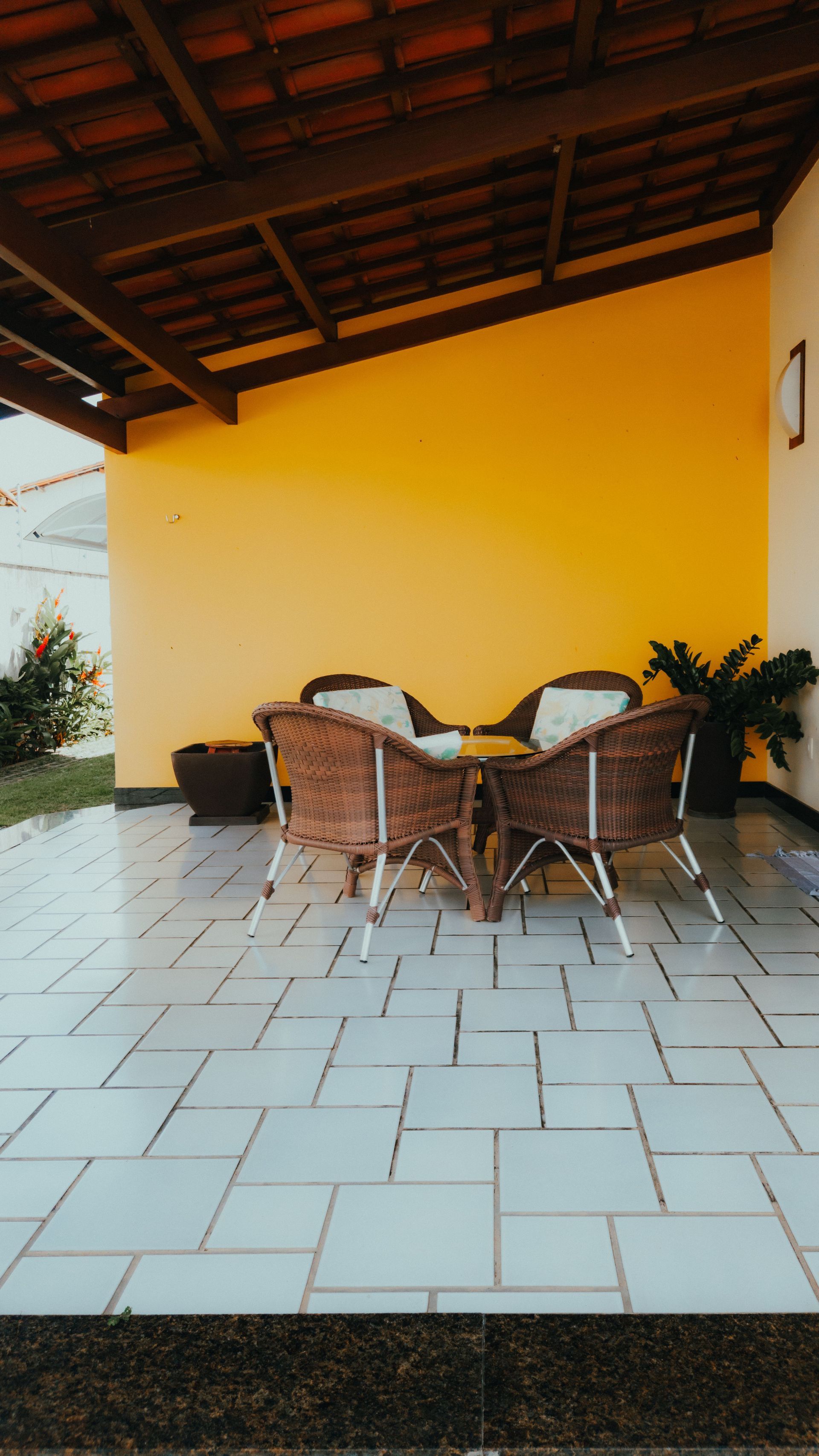
Concrete patios offer a clean, simple surface that works especially well for larger outdoor areas. You may choose a basic broom finish, smooth finish, colored concrete, stamped concrete, or exposed aggregate depending on the style of your home and the role of the patio.
Concrete can be a practical choice for outdoor dining areas, utility patios, grill spaces, and rental-property gathering areas. It can also create a more modern appearance when paired with simple landscaping and structured planting beds.
However, concrete needs thoughtful grading and drainage. Water should not collect against the home, near doorways, or in low spots around the patio. Cracking can occur over time, especially when soil movement and freeze-thaw conditions are not considered during preparation.
Natural Stone Patios
Natural stone patios, including flagstone-style designs, offer a timeless appearance that works beautifully with rustic homes, mountain views, water features, mature landscaping, and more organic outdoor spaces.
Stone can give your patio a higher-end, custom feel. It is especially effective when you want the patio to blend into gardens, rock features, or a natural landscape rather than appear as a separate hardscape element.
Natural stone usually requires more careful material selection and installation. Stone pieces vary in shape and thickness, so a skilled installer must create a stable surface with consistent transitions and proper drainage. It can be a strong investment when the goal is a distinctive, lasting outdoor environment.
Gravel Patios
Gravel patios can be an excellent option for informal seating areas, fire pit spaces, side yards, garden retreats, and lower-cost outdoor gathering zones. They are typically drainage-friendly and can create a relaxed, natural look.
A well-built gravel patio still needs a plan. It should have defined edging, a stable compacted base, and materials selected for the type of furniture and foot traffic you expect. Loose gravel can shift, migrate into lawns, or become difficult to maintain if it is not properly contained.
For the right property, gravel can be a practical solution for an area that would otherwise stay muddy, wear out under foot traffic, or require too much mowing.
Mixed-Material Patios
Mixed-material patios combine surfaces such as pavers, concrete, stone, gravel, decorative rock, and planting beds. This approach can help define different zones within a larger outdoor space.
You might use pavers for the main dining area, gravel for a fire pit zone, and stone for a pathway that connects the patio to a garden or water feature. The materials should feel intentional and coordinated. A mixed-material patio is strongest when the layout is designed before installation begins, rather than being built through a series of unrelated additions.
Choose Patio Materials Based on How You Will Use the Space
Before selecting materials, consider what you expect the patio to do.
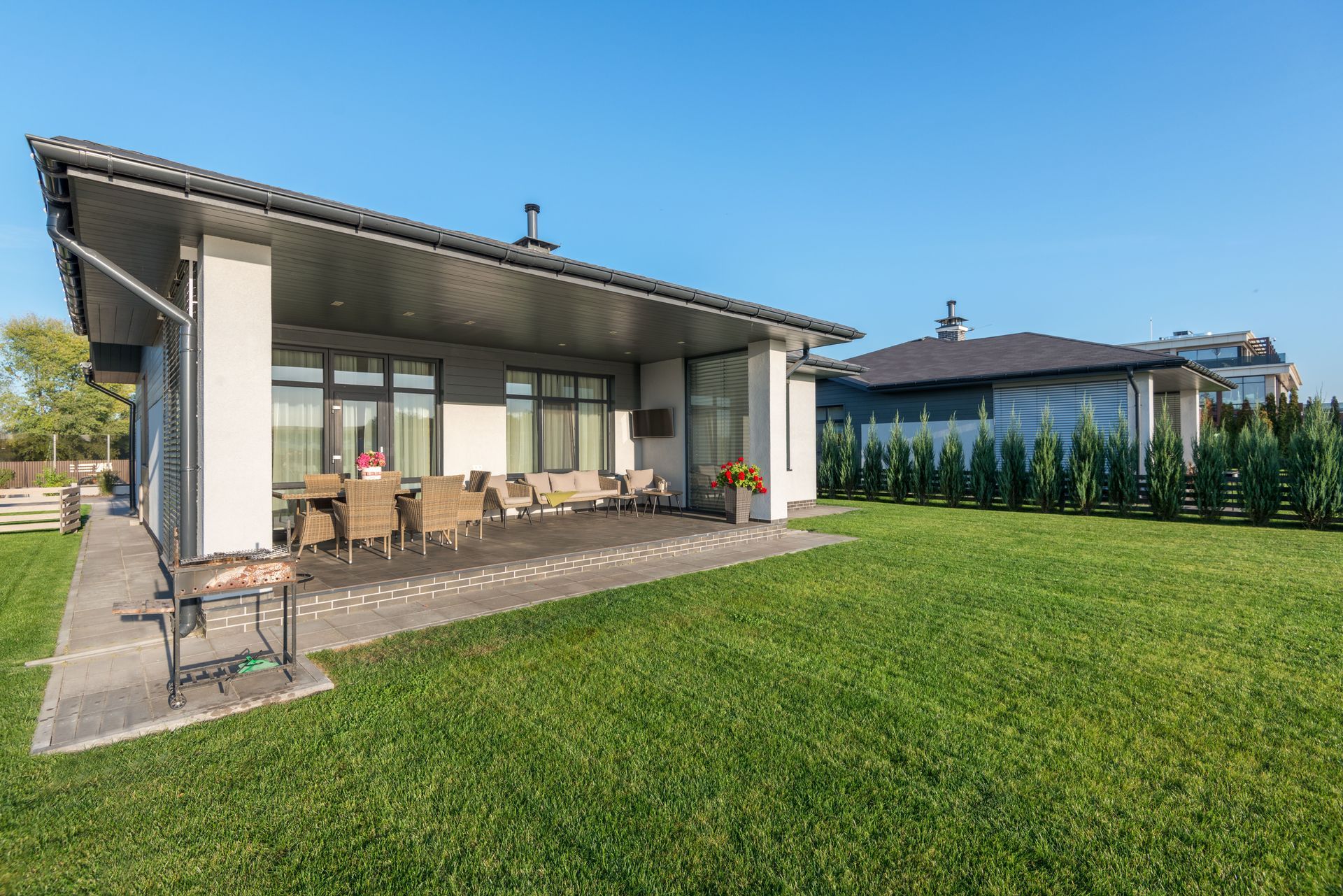
A dining patio needs room for chairs to move comfortably around the table. A grill area needs clearance from seating and walls. A fire pit patio needs enough space for safe circulation and seating. A patio for a rental or managed property may need durable materials that handle frequent use, simple cleanup, and seasonal maintenance.
It is also important to think about long-term maintenance. Pavers may need joint maintenance and occasional adjustment. Gravel may need replenishment. Concrete may require cleaning and possible sealing. Natural stone may need periodic inspection and careful cleaning.
Do not choose based only on initial cost. A lower-cost surface may become expensive if the patio base, drainage, or edge support is ignored. A complete estimate should account for excavation, material delivery, base preparation, compaction, drainage work, installation, cleanup, and restoration around the finished patio.
What to Know Before Patio Installation Begins
The surface you see is only part of the project. What happens below the patio often determines whether it performs well for years or begins to settle, shift, crack, or hold water.
Site Preparation Is the Foundation of a Lasting Patio
Professional patio installation begins with site review, excavation, grading, and base preparation. The contractor should understand soil conditions, slope, existing drainage, and how the patio will connect to doors, stairs, walkways, or other outdoor features.
A patio built over weak, uneven, or poorly compacted material may develop problems quickly. Pavers can move. Concrete can crack. Water can pool. Edges can sink. Nearby lawn can become muddy.
Alpine Property Services has seen properties where a new patio looked great at first but created a persistent muddy edge because the surrounding grade and lawn transition were never addressed. A small amount of planning before installation can prevent a much larger correction later.
Drainage Must Be Part of the Design
Your patio should drain away from the home and direct water toward a safe location. This can involve slope adjustments, drainage stone, swales, rock features, or coordination with nearby landscape beds.
Do not overlook downspouts, irrigation overspray, snow melt, and runoff from roofs or adjacent pavement. These can all affect the patio area.
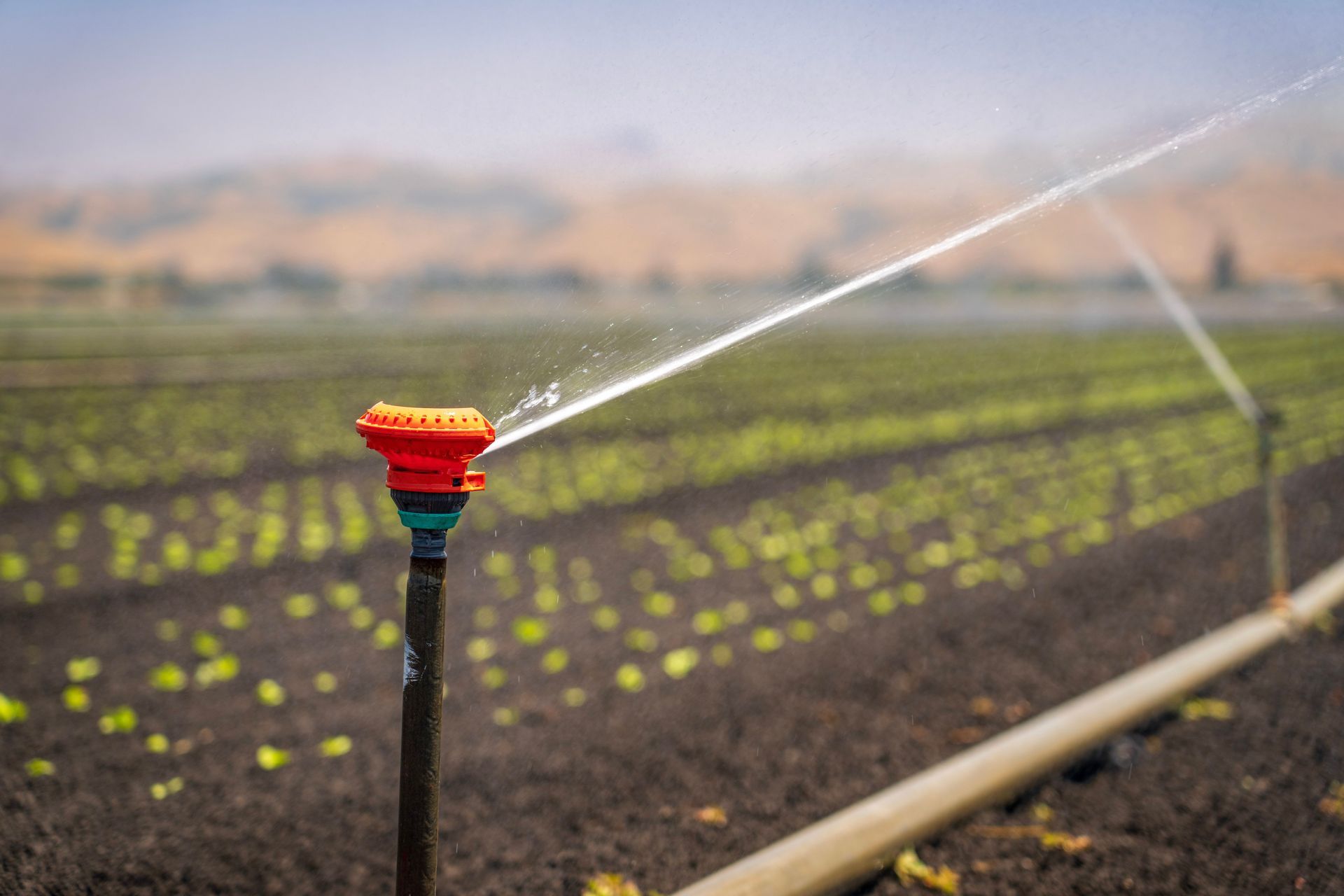
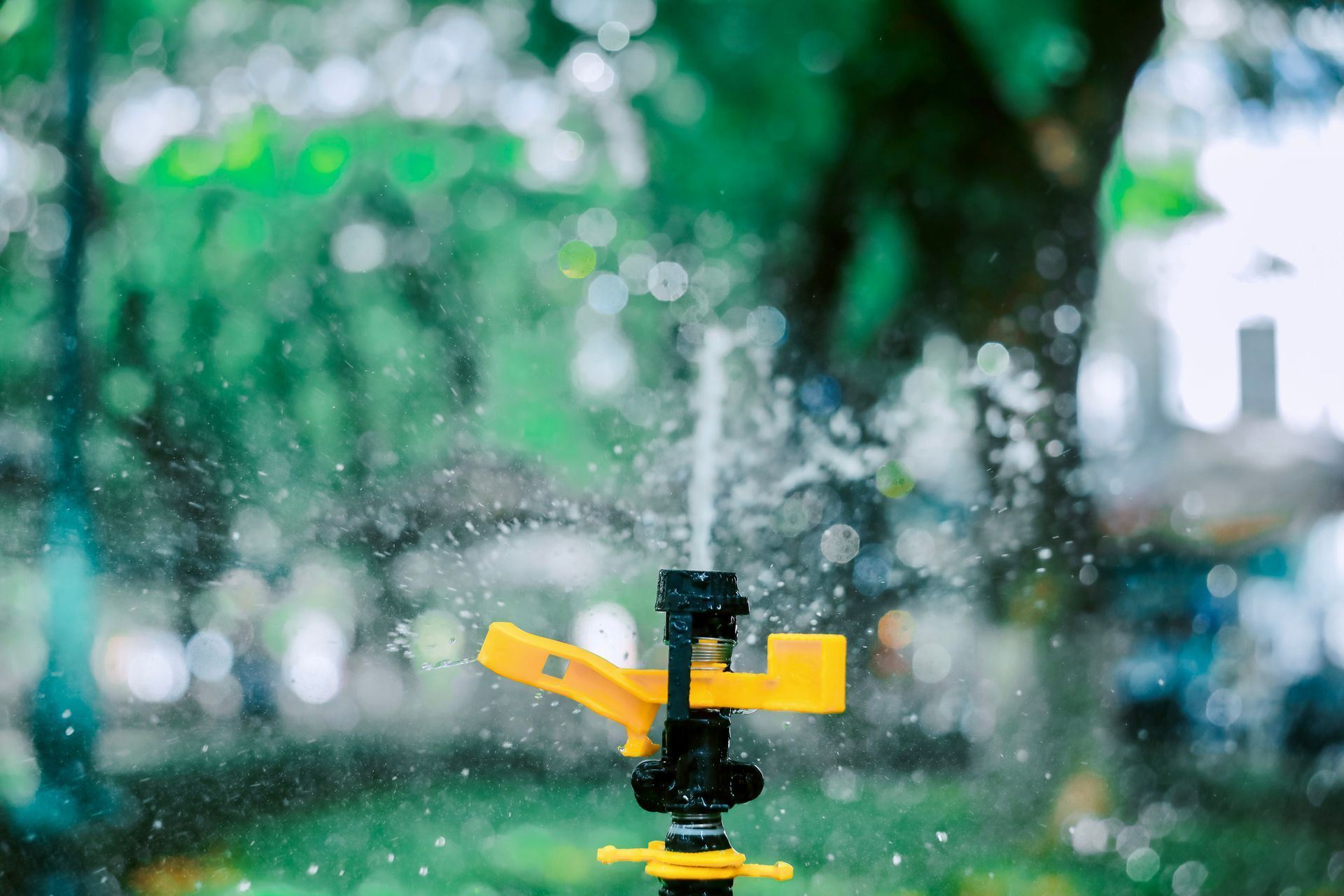
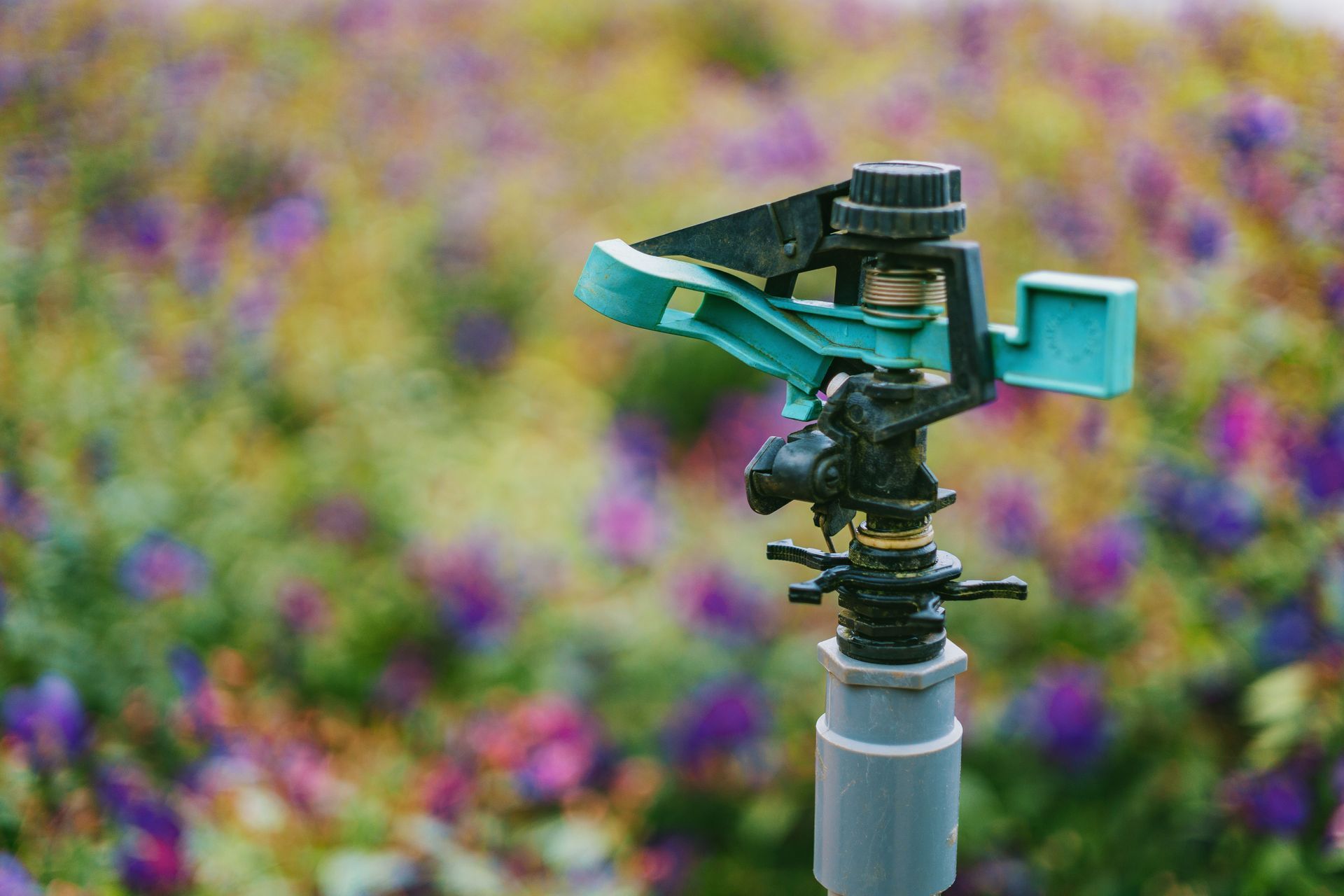
If your property has sprinkler heads or landscape beds near the planned patio, an irrigation review can help identify issues before construction begins. This helps prevent broken lines, blocked sprinkler coverage, or water spraying directly onto the finished patio.
Identify Utilities, Access, and Existing Features
Before excavation starts, make sure the project team understands where utilities, irrigation lines, hose connections, gates, trees, and other important features are located.
You should also discuss material access. Where will equipment travel? Where will pavers, stone, gravel, or concrete materials be staged? How will the contractor protect lawn areas, planting beds, fencing, and nearby driveways?
For commercial or managed sites, this planning is especially important because patios need to work alongside parking, pedestrian routes, maintenance operations, and year-round property access.
Patio Layout Ideas That Work Better Long Term
A well-designed patio should have enough room for people to use it comfortably, not just enough room to place furniture.
Outdoor Dining Patios
For a dining patio, measure your table and chairs before finalizing the layout. You need room to pull chairs out, walk around the table, carry food, and reach the door without forcing people through a tight pathway.
A dining patio often benefits from nearby planting beds, low lighting, a grill area, and a path that connects it to the rest of the yard.
Fire Pit Patios
A fire pit patio should feel open, safe, and comfortable. Circular and semi-circular layouts often work well because they create natural seating patterns. Gravel, pavers, and stone can all be strong materials depending on the desired look and maintenance level.
Consider wind direction, privacy, traffic flow, and the distance from structures and landscaping. You want the space to feel welcoming, but it should also remain practical for cleanup and ongoing maintenance.
Patio and Water Feature Designs
A water feature can add movement, sound, and visual interest to a patio area. A fountain, pond, waterfall, or water wall should be planned around sightlines, access, drainage, electrical needs, and maintenance.
When the patio and water feature are designed together, the result feels intentional. When a water feature is added after the patio is complete, it can create awkward access issues or visible utility components.
Alpine Property Services provides patios and water features that can help turn a simple outdoor surface into a more complete gathering space.
Deck-to-Patio Transitions
If you have an elevated deck, a ground-level patio can create a smoother transition into the yard. Stairs should lead somewhere useful, not into a narrow turf strip or muddy corner.
A paver landing, gravel path, planting bed, or low retaining feature can help connect the deck, patio, lawn, and landscape. This type of planning also gives you room to add outdoor seating, privacy planting, or a water feature later.
Landscaping Around a Patio
The surrounding landscape is what makes a patio feel finished.
Planting beds can soften hard edges, add privacy, define outdoor rooms, and connect the patio to the rest of the yard. Ornamental grasses, shrubs, perennials, small trees, rock borders, and mulch or decorative gravel can all support the design.
Avoid placing large plants too close to seating areas, stairs, and walkways. Leave room for trimming, cleaning, and access to the patio structure. It is easier to create privacy with layers of properly spaced plants than with one oversized shrub that eventually blocks the whole area.
Clean borders also matter. A defined edge between patio, lawn, mulch, and gravel keeps materials in place and makes mowing and seasonal cleanup more efficient.
Questions to Ask a Patio Installation Contractor
Before hiring a patio contractor, ask what is included in the estimate and what is not. You should know whether excavation, base preparation, drainage, edging, demolition, hauling, cleanup, material delivery, and landscape restoration are part of the price.
Ask how water will drain from the patio and where it will go. Ask whether irrigation lines or existing landscaping need protection. Ask who is responsible for permits or approval requirements that may apply to your property.
You should also ask about maintenance. Find out whether the surface needs sealing, how joints should be maintained, how snow and ice should be handled, and what to expect over time.
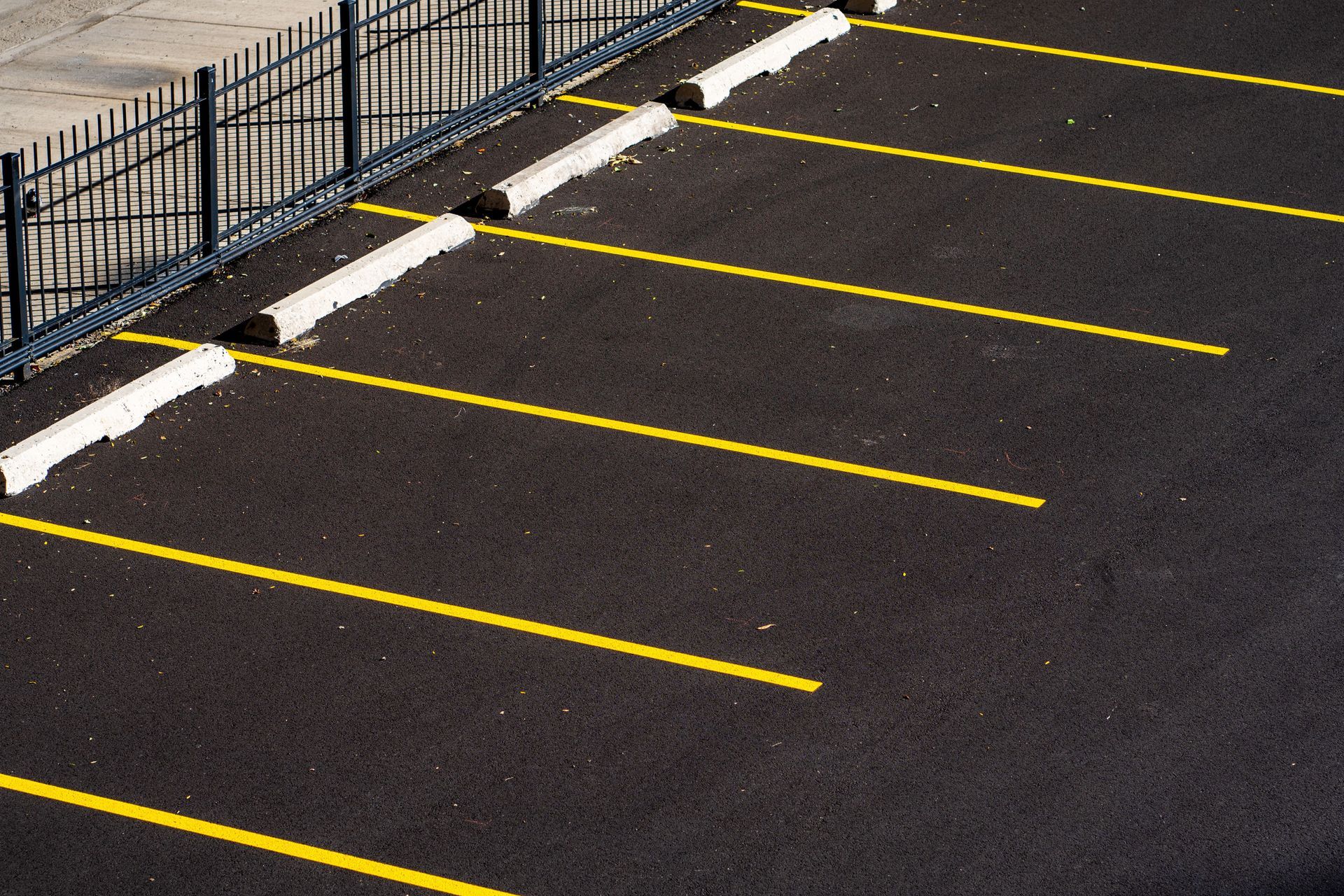
For sites near driveways, parking areas, or access roads, patio drainage may overlap with broader pavement concerns. Alpine’s asphalt maintenance services can be helpful when water movement affects both hardscape and asphalt surfaces.
Final Thoughts: Build a Patio That Lasts
The right patio installation starts with a clear understanding of how you will use the space and how it connects to the rest of your property. Pavers, concrete, natural stone, gravel, and mixed-material designs can all be excellent choices when the material fits the site, the budget, and your maintenance expectations.
For properties in Montrose, Olathe, and Ridgway, thoughtful drainage, proper base preparation, irrigation planning, and landscape integration can make the difference between a patio that looks good for one season and one that improves your property for years.
For help planning the landscaping, irrigation, pathways, patio surroundings, or water features that complete an outdoor living space, contact Alpine Property Services through the Contact page or submit a project request through the Request a Call Back form.
Recent Posts