Popular Backyard Waterfall Ideas
Natural Rock Backyard Waterfall
A natural rock waterfall is one of the most fitting choices for Colorado properties. It uses boulders, river rock, gravel, and layered stone to create the look of water moving through a natural landscape.
This style works well near patios, lawn edges, garden beds, and sloped areas. It can be designed as a small cascade or a larger multi-level feature. The goal is to make the stone look intentional, not stacked randomly.
A natural rock waterfall pairs well with ornamental grasses, shrubs, native-style plantings, and low-maintenance landscape beds. If your property already uses stone, gravel, or mountain-inspired materials, this type of waterfall can blend into the setting naturally.
Pondless Backyard Waterfall
A pondless waterfall is a strong option if you want the sound and movement of water without an open pond. The water flows over stone and disappears into a hidden reservoir below.
This design can be practical for smaller yards, rental properties, HOA common areas, and homeowners who want a lower-maintenance water feature. It can also reduce some concerns that come with open water, especially where children, pets, guests, or tenants use the property.
Pondless waterfalls still require maintenance. The pump needs access, water levels need monitoring, and debris must be removed. But compared with a pond-based feature, the system can often be simpler to manage.
Patio-Side Waterfall
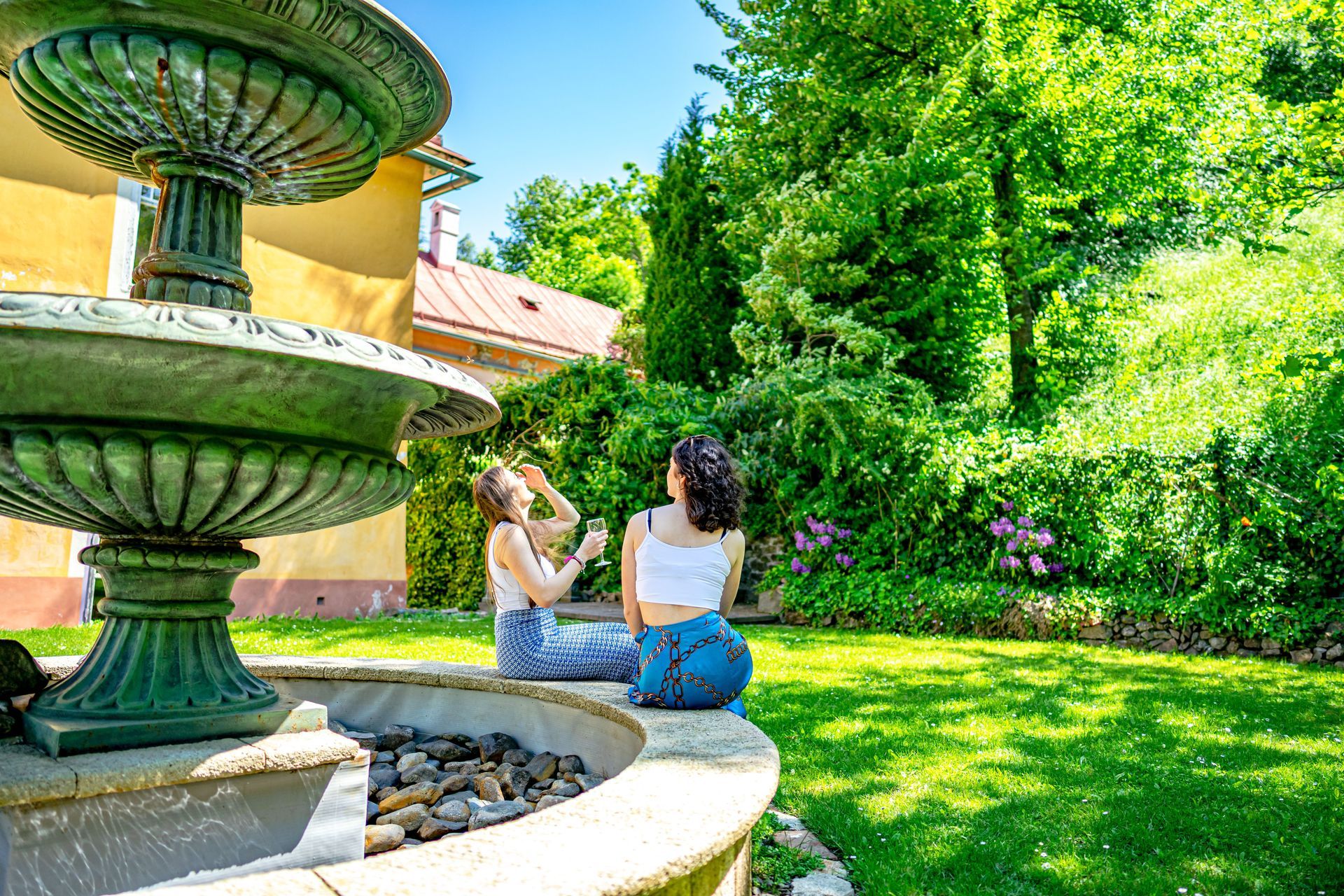
A patio-side waterfall is built near an outdoor dining area, fire pit, seating space, or lounge zone. This placement works because you can actually enjoy the sound and visual movement while using the patio.
The key is distance. A waterfall should be close enough to hear, but not so close that splash, moisture, or noise becomes a problem. It should also be placed so furniture, grill space, walking paths, and drainage still work correctly.
If you are planning a patio at the same time, Alpine’s
patio and water feature installation services can help you think through how the hardscape and water feature should connect before either one is built.
Deck-Connected Waterfall
If you have a deck or plan to build one, a waterfall can help soften the transition from the elevated structure to the yard. This is especially useful where stairs lead down to a patio, garden path, or lower seating area.
A deck-connected waterfall should not block access under or around the deck. It should also avoid creating moisture problems near posts, stairs, or foundations. The design should consider views from the deck, the sound from seating areas, and how people will move around the feature.
Planting beds, stone borders, pathway lighting, and low shrubs can make this type of water feature feel like part of the full outdoor living space.
Popular Garden Waterfall Ideas
Flower Garden Waterfall
A flower garden waterfall places moving water inside or beside a planted bed. This can create a softer, more colorful look than a rock-heavy feature.
This style works well near patios, entry paths, garden seating areas, and side yards. Perennials, flowering shrubs, ornamental grasses, and groundcovers can help the waterfall blend into the landscape.
Plant selection matters. Plants near the splash zone should tolerate occasional moisture. Plants farther away can be selected for drought tolerance, sun exposure, and seasonal interest. Avoid placing heavy debris-shedding plants directly over the feature because leaves and plant litter can clog pumps and reduce water clarity.
Native-Style Waterfall Garden
A native-style waterfall garden uses stone, grasses, shrubs, and perennials that feel appropriate for the region. The goal is not to make the feature look wild or unmaintained. The goal is to make it look like it belongs in the landscape.
This style can work especially well in Montrose, Delta, and Ridgeway properties where homeowners want a lower-maintenance, more natural outdoor space. It pairs well with rock mulch, gravel paths, dry creek beds, and practical irrigation zones.
A native-style design should still be organized. Repeated plant groupings, clear edges, and clean maintenance access keep the feature from looking overgrown.
Entry Garden Waterfall
An entry garden waterfall can create a strong first impression for homes, offices, rental properties, and commercial sites. It works best near a walkway, sign, front entry, courtyard, or visible planting bed.
The biggest priority is safety and clarity. A front-entry waterfall should not create slippery walking surfaces, block visibility, or make maintenance difficult. It should be scaled appropriately so it enhances the entry without overpowering it.
This style pairs well with structured landscaping, clean edging, lighting, and well-planned irrigation. Alpine’s
landscaping services can help make the surrounding beds and walkways feel finished around the feature.
What to Know Before Building a Backyard or Garden Waterfall
Placement Comes First
Before choosing stone, plants, or pump size, decide where the waterfall belongs.
Ask where you will enjoy it most. Will you hear it from the patio? Will you see it from the kitchen window? Will guests pass it on the way to the backyard? Will it improve an underused corner or make a seating area more inviting?
Also think about what could create problems. Trees may drop leaves into the water. Wind can increase splash or water loss. A low area may collect stormwater. A location too far from seating may look nice but rarely be enjoyed.
Scale Should Match the Property
A large waterfall can overwhelm a compact yard. A tiny feature can disappear in a large landscape. The right size depends on the surrounding patio, deck, lawn, garden beds, and property layout.
Sound is part of scale too. A gentle trickle may be perfect for a quiet reading area. A stronger cascade may work better for a larger patio or commercial entry. Multiple small drops can create movement without making the feature feel oversized.
Drainage Cannot Be Ignored
A water feature must keep water where it belongs. Splash, leaks, overflow, stormwater, and surrounding grade all matter.
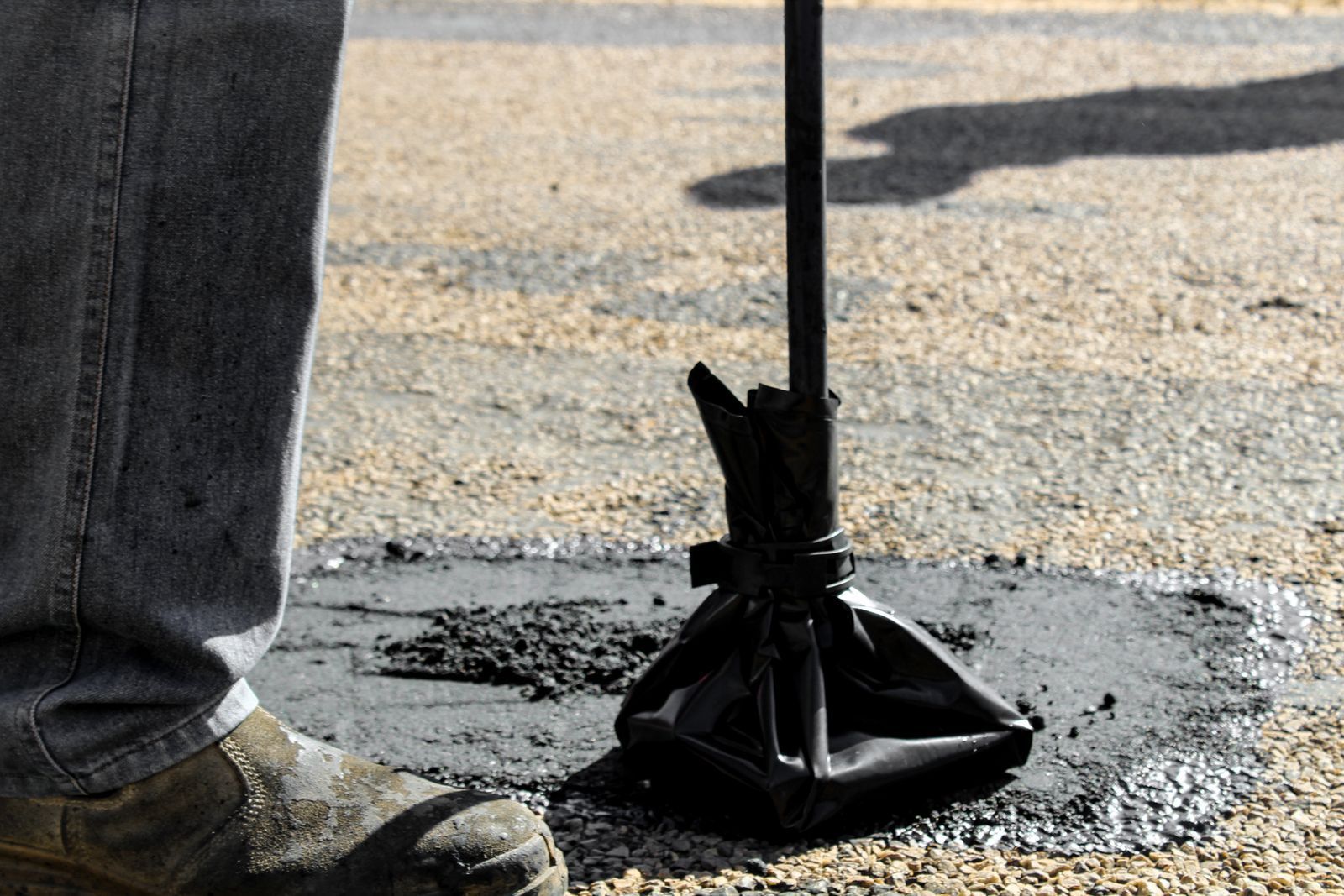
Water should not flow toward the home, patio base, walkways, asphalt edges, or foundation. Poor drainage can damage nearby turf, planting beds, and hardscape. If the waterfall sits near a driveway, parking area, or paved surface, drainage should be considered alongside broader
asphalt maintenance and property improvement planning.
Irrigation Should Be Reviewed Early
The planting beds around a waterfall may need different watering than the lawn. Some areas may need drip irrigation, while nearby turf may rely on spray or rotor heads.
Sprinklers should not overspray into the feature, onto stonework, or across walking surfaces. Irrigation lines should also be located before digging begins. Alpine’s
irrigation services can help identify coverage needs and protect the system before installation.
Landscaping Around Backyard Waterfalls and Garden Waterfalls
The landscaping around the waterfall determines whether the feature looks natural, polished, and maintainable.
Use plants to soften the stone and hide equipment, but do not block access to pumps, filters, reservoirs, or valves. Ornamental grasses can add movement. Low shrubs can create structure. Perennials can add seasonal color. Evergreens can help the area look finished outside the growing season.
Rock and mulch should be chosen carefully. River rock works well near water because it reinforces the natural look and resists floating or washing away. Mulch can work in nearby beds, but it should not be placed where moving water or splash will carry it into the feature.
Weed control also matters. Water features create edges, joints, and planting pockets where weeds can appear. Good base preparation, defined borders, and ongoing maintenance help keep the area clean.
Maintenance Requirements You Should Expect
No waterfall is maintenance-free. Even low-maintenance water features need regular attention.
You should expect to remove leaves, grass clippings, and debris. You will need to check water levels, confirm pump performance, inspect for leaks, and make sure water is flowing correctly. If the feature has filtration, screens, or intake areas, those components may need cleaning.
Sun exposure can affect algae. Tree debris can affect water clarity. Hot, dry weather can increase evaporation. Wind can push water outside the intended splash zone. These factors should shape the design from the beginning.
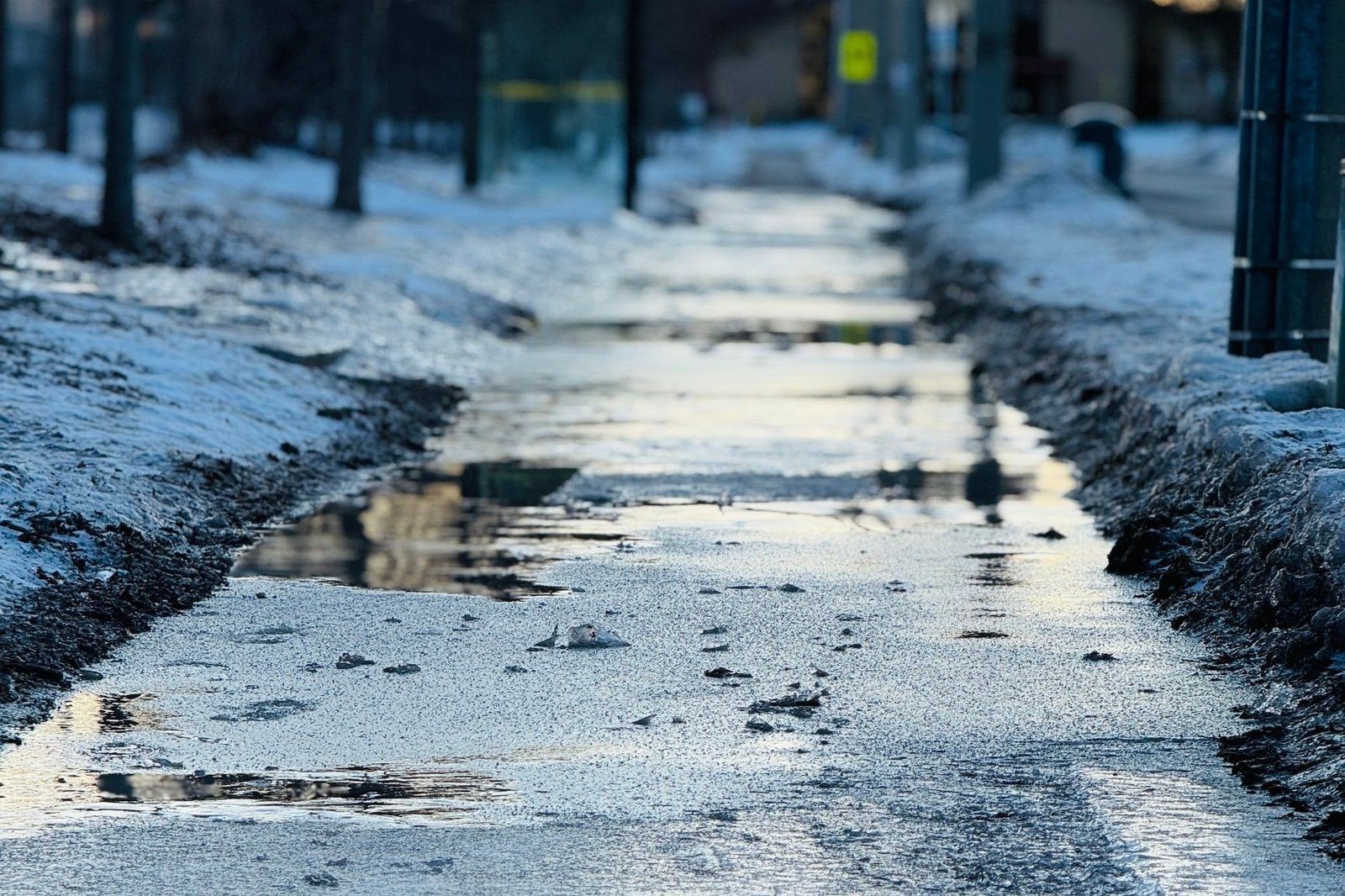
Winter is another consideration. Some water features are run seasonally and shut down before freezing conditions. Others may be designed differently depending on exposure and system layout. Snow storage, ice, and winter access should be considered before the feature is placed near walkways, patios, or high-traffic areas.
Common Mistakes to Avoid
The first mistake is building before planning the whole space. A waterfall should be coordinated with patios, decks, walkways, planting beds, irrigation, drainage, and lighting.
The second mistake is choosing the wrong size. Bigger is not always better. The best waterfall fits the property and the way you use it.
The third mistake is hiding equipment too well. Pumps and reservoirs should be discreet, but they still need to be reachable.
The fourth mistake is ignoring debris. A beautiful waterfall under the wrong tree may require constant cleaning.
The fifth mistake is treating the surrounding landscape as an afterthought. Without plants, borders, paths, and clean transitions, even a well-built waterfall can look unfinished.
Questions to Ask Before You Start
Before you move forward, ask what type of waterfall fits your property best. Pondless, pond-based, natural rock, wall-style, and compact garden waterfalls all serve different purposes.
Ask how the feature will handle drainage and overflow. Ask where the pump will be located and how it will be serviced. Ask what maintenance will be required during the growing season and before winter. Ask how the surrounding landscaping, irrigation, and patio areas will be protected during installation.
Most importantly, ask how the waterfall connects to the rest of the property. A good water feature should improve the whole outdoor space, not just fill an empty spot.
Final Thoughts: Plan the Waterfall Before You Build
Backyard waterfalls and garden waterfalls can add beauty, sound, movement, and value to outdoor spaces. They can make patios more relaxing, gardens more interesting, entries more memorable, and backyards more usable.
The best results come from planning. Placement, size, water flow, drainage, electrical access, pump maintenance, irrigation, plants, patios, decks, walkways, and winter care should all be considered before installation begins.
For help planning a backyard waterfall, garden waterfall, patio water feature, or larger outdoor living upgrade in Montrose, Delta, or Ridgeway, contact Alpine Property Services through the
Contact page or submit a request through the
Request a Call