
Landscaping Ideas for Your Property: Unique Designs That Work for You
TL;DR
- Create snow-smart landscape corridors along driveways and parking areas, using durable turf, gravel, or low-profile plantings where snow is regularly pushed.
- Use mow-line architecture with long curves, clean borders, and fewer tight corners so your lawn is easier to mow and looks sharper after every service.
- Convert difficult side yards into problem-strip gardens with rock, native grasses, groundcovers, or service paths instead of fighting thin turf every season.
- Build irrigation-visible planting zones that make dry spots, overspray, broken sprinkler heads, and pooling water easier to identify before plants fail.
- Add parking-lot-to-planting transitions that soften commercial pavement without blocking signs, lights, traffic views, or access.
- Use drainage gardens that look designed, including dry creek beds, rock swales, and planted berms that guide water while improving curb appeal.
- Design seasonal reset beds that look intentional even in winter, using stone, grasses, shrubs, and structure instead of relying only on flowers.
- For rentals and managed properties, prioritize tenant-proof landscaping with durable materials, visible boundaries, practical paths, and low-maintenance plant groupings.
If you are looking for practical landscaping ideas for a home, rental, HOA, or commercial property in Montrose, Delta, or Ridgway, the best plan should do more than add plants. Smart landscaping can improve curb appeal, reduce ongoing yard care, solve drainage or weed problems, create usable outdoor space, and make your property easier to maintain through Colorado’s changing seasons.
The strongest landscape designs are not built around trends alone. They are built around how you use the property, where water moves, where people walk, where snow gets piled, and which areas consistently create maintenance issues. Whether you need a complete refresh or a few targeted improvements, the right landscaping ideas can turn your exterior into a cleaner, more functional part of the property.
“The best landscape design solves a maintenance problem before it creates a visual feature.”
Start With the Problems You Want Landscaping to Solve
Before you choose a plant, rock color, patio shape, or mulch type, look at what is not working.
You may have a narrow strip of grass along the driveway that never stays green. You may have a low corner of the yard that turns muddy after irrigation. You may have shrubs blocking windows, signs, or lighting. You may be tired of mowing steep slopes, trimming around old trees, or fighting weeds in decorative rock.
These are not just maintenance annoyances. They are opportunities for better design.
During a property walk-through, pay attention to areas where turf consistently fails, where water pools or runs off, where people naturally walk, where snow is pushed in winter, and where weeds return year after year. The best landscaping ideas solve these recurring issues instead of covering them up temporarily.
Alpine Property Services often sees properties where an owner assumes they need a full landscape overhaul. In many cases, the best outcome comes from solving two or three repeat problems with a clearer layout, better irrigation, and lower-maintenance materials.
Snow-Smart Landscaping Corridors
One of the most overlooked landscaping ideas in Western Colorado is planning for winter before installation begins.
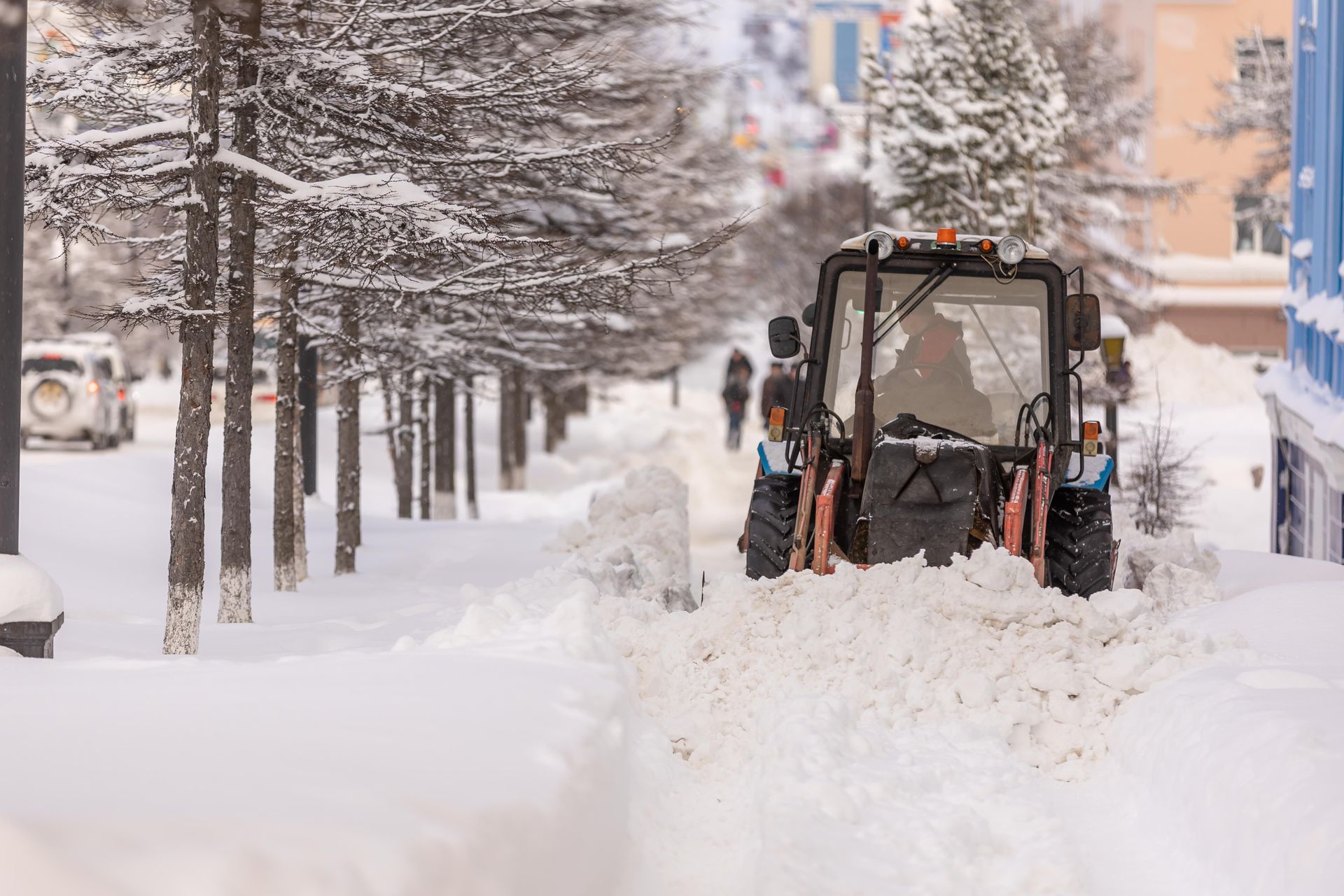
Snow piles need a place to go. If landscaping is installed without considering plow routes, driveway clearing, parking access, or sidewalk maintenance, winter can damage shrubs, push rock into turf, crack edging, and bury small plants.
Build intentional snow-storage zones
Instead of treating snow storage as an afterthought, create dedicated snow corridors along driveways, parking areas, or wider lawn edges. These can include durable turf, open gravel areas, compacted rock zones, or low-profile plantings that can handle occasional snow coverage.
Avoid placing delicate perennials, raised planters, small ornamental shrubs, or decorative features directly where snow is pushed. This matters even more for commercial sites and managed properties because snow removal equipment needs clear routes and predictable storage areas.
Use visible borders for winter clarity
Low stone borders, steel edging, curbing, or defined gravel lines help show where lawn, beds, and pavement begin. These features improve visibility during low light and snow events. They also help protect landscaping by giving snow crews a visual reference point.
Mow-Line Architecture for a Cleaner Lawn
Mowing should not be difficult because the design made it difficult.
Mow-line architecture means shaping your beds, lawn areas, and borders around how mowing equipment actually moves. It creates cleaner lines, reduces trimming time, and makes the landscape feel more intentional.
Replace tight pockets with long, usable curves
Tight corners around trees, rocks, shrubs, and garden beds require more string trimming and often become weedy. Long curves are easier to mow and look more polished. This works especially well around front-yard beds, driveway approaches, and signage areas.
Use clear borders to reduce maintenance
A defined mulch or rock bed around trees, shrubs, and entry areas keeps turf away from obstacles. This reduces extra trimming, protects plants from mower damage, and creates a cleaner visual line.
A landscape that supports maintenance crews will stay sharp longer than one that only looks good on installation day.
Problem-Strip Conversions
Most properties have a strip of lawn that creates more work than value. It may run along the side of a home, beside a driveway, between a fence and sidewalk, or next to a commercial building.
These zones are often hot, narrow, dry, hard to irrigate, and difficult to mow. Instead of reseeding and repairing them every year, convert them into something more useful.
| Landscaping Idea | Best For | Primary Problem It Solves | Recommended Elements | Best Property Types | Maintenance Level | Colorado Seasonal Benefit | Planning Note |
|---|---|---|---|---|---|---|---|
| Snow-Smart Landscape Corridor | Driveways, parking lots, sidewalk edges, and plow routes | Snow piles damaging plants, edging, and turf | Durable turf, gravel, low-profile plants, visible curbing, stone borders | Homes, HOAs, rentals, offices, retail properties | Low to Moderate | Creates predictable snow storage and improves winter visibility | Keep delicate shrubs, raised beds, and decorative features outside known snow-push zones |
| Mow-Line Architecture | Front lawns, entry beds, tree rings, signage zones, and open turf areas | Awkward mowing patterns, extra trimming, and messy lawn edges | Long curves, continuous bed lines, clean edging, simplified lawn shapes | Homes, rentals, commercial properties | Low | Makes weekly mowing and spring cleanup more efficient | Avoid tight corners and small isolated turf pockets that require constant string trimming |
| Problem-Strip Conversion | Narrow side yards, driveway strips, fence lines, and hot building edges | Thin grass, difficult mowing, poor irrigation coverage, and recurring weeds | Decorative rock, mulch, drought-tolerant grasses, shrubs, groundcovers, gravel paths | Homes, rentals, commercial sites | Low | Reduces summer watering stress and eliminates difficult mowing zones | Choose materials and plants that match sun exposure, drainage, and access needs |
| Irrigation-Visible Planting Zone | Planting beds near buildings, entry areas, and lawns with recurring dry spots | Hidden sprinkler problems, overspray, pooling water, and plant loss | Hydrozones, drip irrigation, open plant spacing, mulch, visible soil access | Homes, rentals, commercial properties | Moderate | Helps identify irrigation issues quickly during hot, dry periods | Group plants with similar water needs and keep lawn irrigation separate from bed irrigation where possible |
| Parking-Lot-to-Planting Transition | Commercial entrances, office frontage, retail centers, apartment parking areas | Harsh pavement appearance, poor curb appeal, and unclear site edges | Low shrubs, ornamental grasses, rock, mulch, durable perennials, curb-adjacent planting bands | Commercial properties, apartments, HOAs | Moderate | Softens paved areas while preserving visibility during winter and low-light conditions | Keep plant heights low near drive lanes, signs, lighting, and pedestrian crossings |
| Designed Drainage Garden | Low spots, downspout areas, slopes, and yards with runoff problems | Standing water, erosion, muddy areas, and damaged turf | Dry creek beds, rock swales, planted swales, berms, gravel collection zones | Homes, rentals, commercial properties | Low to Moderate | Directs spring runoff and storm water without looking like a temporary repair | Correct the grade and water path before installing plants or decorative materials |
| Seasonal Reset Bed | Front entries, foundation beds, commercial frontage, and high-visibility areas | Landscape beds that look bare or neglected outside peak bloom season | Evergreens, low shrubs, ornamental grasses, stone, mulch, structured perennials | Homes, rentals, commercial properties | Moderate | Keeps the property looking intentional after snow melt and before spring flowering | Build structure first, then use flowers and seasonal color as accents |
| Tenant-Proof Landscape Zone | Rental homes, apartment properties, HOAs, and shared outdoor areas | Damage from traffic, pets, inconsistent care, and unclear use areas | Durable shrubs, decorative rock, defined paths, visible bed borders, low-maintenance grasses | Rentals, apartments, HOAs, commercial properties | Low | Handles seasonal cleanup, snow storage, and regular tenant use more reliably | Prioritize clear boundaries and materials that stay attractive without delicate care |
| Service-Friendly Outdoor Living Area | Backyards, side yards, rental common areas, and underused lawn spaces | Unused turf, muddy gathering spots, and blocked maintenance access | Patios, pavers, gravel pads, seating areas, small water features, access paths | Homes, rentals, HOAs | Low to Moderate | Reduces worn grass and creates usable outdoor space through warmer months | Preserve access routes for irrigation, mowing, seasonal cleanup, and backyard gates |
| Tree-Ring Utility Island | Mature trees in lawns, commercial grounds, and rental yards | Mower damage, weed buildup, exposed roots, and awkward trimming | Wide mulch ring, stone border, shade-tolerant planting, drip irrigation | Homes, rentals, commercial properties | Low to Moderate | Protects roots during dry summer conditions and simplifies leaf cleanup | Keep mulch away from the trunk and avoid piling material against the tree base |
| Entryway Compression Garden | Front doors, office entrances, apartment entries, and storefront approaches | Flat, uninviting entries with weak first impressions | Layered plants, low lighting, crisp edging, statement pots, structured shrubs | Homes, rentals, offices, retail properties | Moderate | Creates a focal point that stays readable in low light and changing seasons | Use lower plants near walkways and maintain clear views of doors, signage, and lighting |
| Four-Season Privacy Screen | Property lines, patios, rental yards, commercial outdoor areas | Lack of privacy, wind exposure, and unattractive views | Layered shrubs, evergreen forms, ornamental grasses, fencing, staggered planting rows | Homes, rentals, commercial properties | Moderate | Provides structure and visual separation even when deciduous plants are dormant | Leave enough spacing for mature growth, maintenance access, and snow accumulation |
| Low-Water Color Band | Sunny front beds, driveway approaches, commercial signs, and entry islands | Need for color without high water use or intensive maintenance | Drought-tolerant perennials, native plants, ornamental grasses, rock mulch, drip irrigation | Homes, rentals, commercial properties | Low to Moderate | Provides summer color while reducing irrigation demand in dry conditions | Repeat plant groupings rather than mixing too many varieties for a cleaner visual result |
| Edge-of-Pavement Rain Catcher | Driveways, parking lots, curbs, and sidewalk edges | Runoff from pavement, erosion, and water pooling near hard surfaces | Rock channel, shallow swale, drainage-friendly plants, gravel infiltration strip | Homes, commercial properties, HOAs | Low | Captures runoff from rain and snow melt before it damages turf or pavement edges | Confirm the area drains safely away from buildings, sidewalks, and traffic routes |
| Frontage Rhythm Planting | Long front yards, building frontages, commercial streetscapes, and fence lines | Flat, repetitive landscaping with no visual structure | Repeating plant clusters, alternating textures, evenly spaced shrubs, controlled color accents | Homes, commercial properties, HOAs | Moderate | Creates a consistent appearance throughout the growing season and dormant periods | Use repetition to create visual order and simplify future maintenance |
Turn difficult turf into a service-friendly planting strip
A service-friendly strip can include decorative rock, drought-tolerant grasses, low shrubs, groundcovers, or a simple mulch bed with intentional spacing. The goal is to make the area look designed without requiring weekly mowing.
This approach works especially well along hot driveways, narrow side yards, utility areas, and building edges. It can also make it easier to access gates, trash cans, irrigation controls, and backyard equipment.
Add a path where people already walk
If you regularly walk through a side yard to access a gate or backyard, build that movement into the design. Gravel, flagstone, pavers, or compacted material can protect the area from mud and worn turf.
For rentals and managed sites, this is especially valuable. Informal footpaths appear quickly, and once grass is worn away, mud and weeds follow.
Irrigation-Visible Planting Zones
A good landscape should make watering problems easier to spot, not harder.
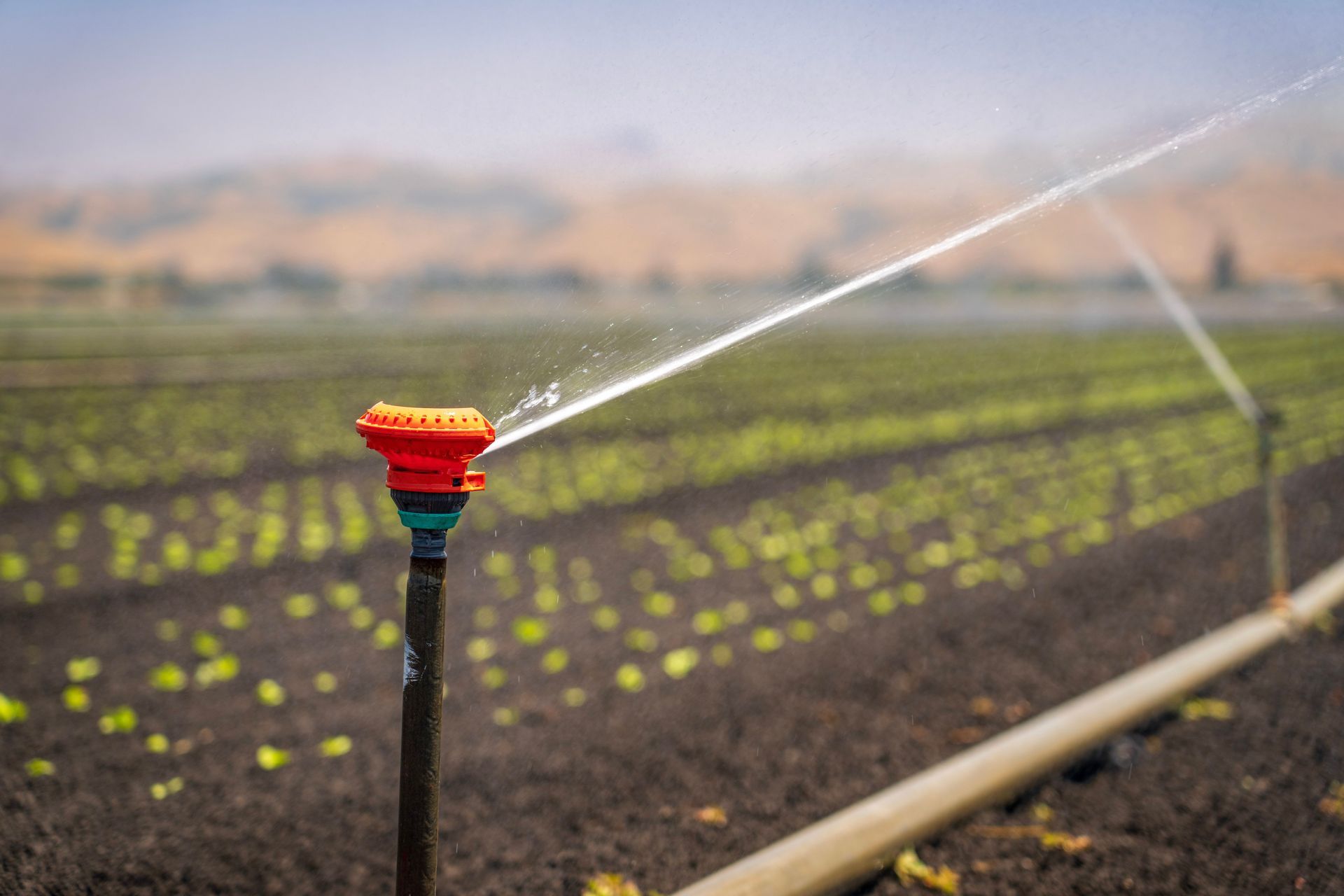
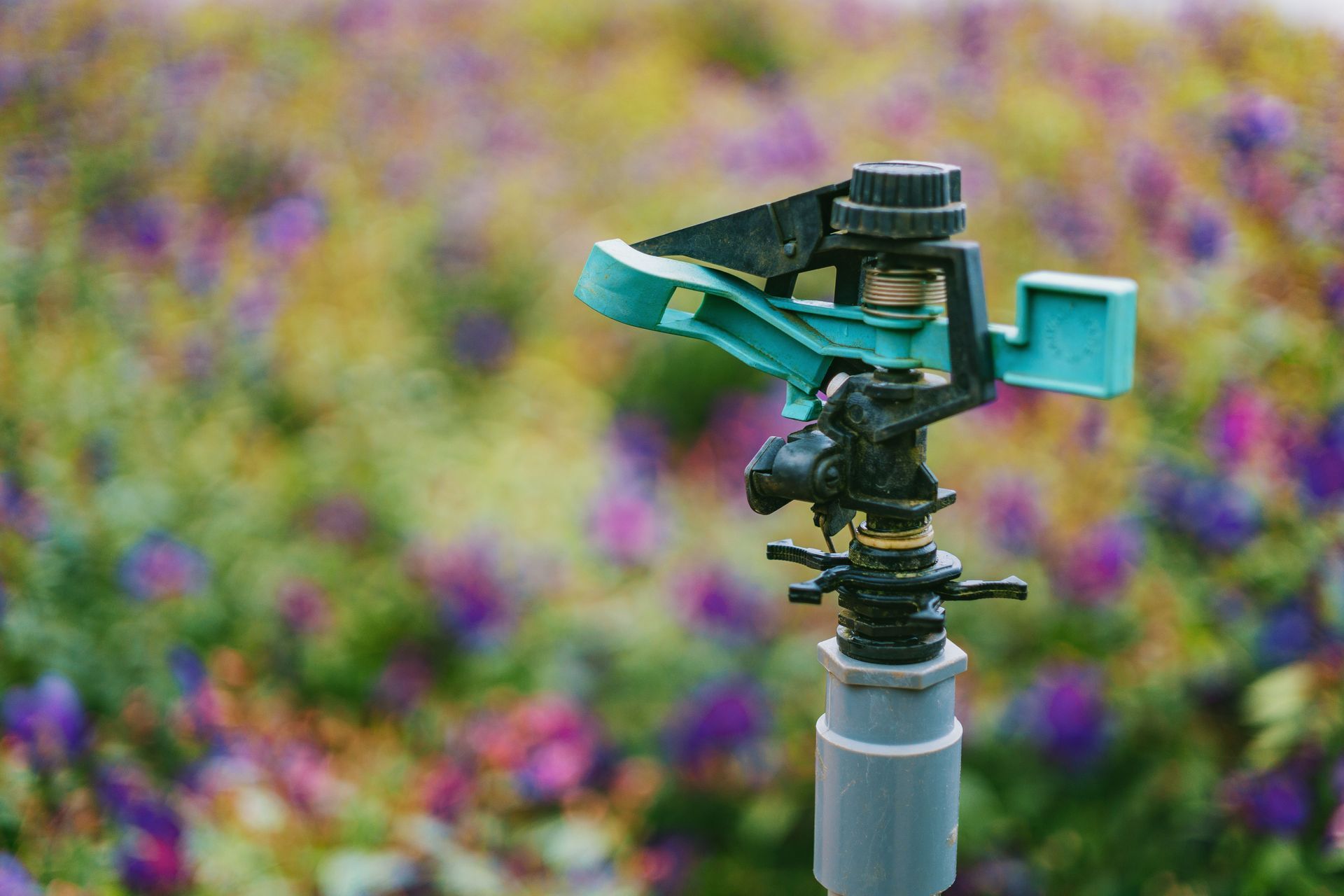
Irrigation-visible planting zones are designed so dry spots, overspray, broken sprinkler heads, and pooling water become obvious. This is useful because irrigation issues can quietly damage lawns and plants for weeks before anyone notices.
Group plants by water needs
Do not mix plants with completely different watering needs in the same irrigation zone. Group drought-tolerant plants together, use moisture-tolerant plants where appropriate, and keep turf separate from planting beds when possible.
This approach reduces waste, helps plants stay healthier, and makes irrigation adjustments simpler.
Use open spacing to reveal problems early
Dense plantings can look beautiful, but they can hide irrigation issues. In critical zones, leave enough space between plant groupings to inspect the soil, sprinkler coverage, and overall health of the bed.
If one area looks dry while another looks soggy, you can correct the issue before plants die or weeds take over.
Parking-Lot-to-Planting Transitions
Commercial properties often have an excess of hard surfaces. Parking lots, sidewalks, drive lanes, and building fronts can feel harsh when they are not balanced with landscaping.
The challenge is softening pavement without creating visibility issues, debris traps, or high-maintenance plantings.
Use low planting bands near pavement
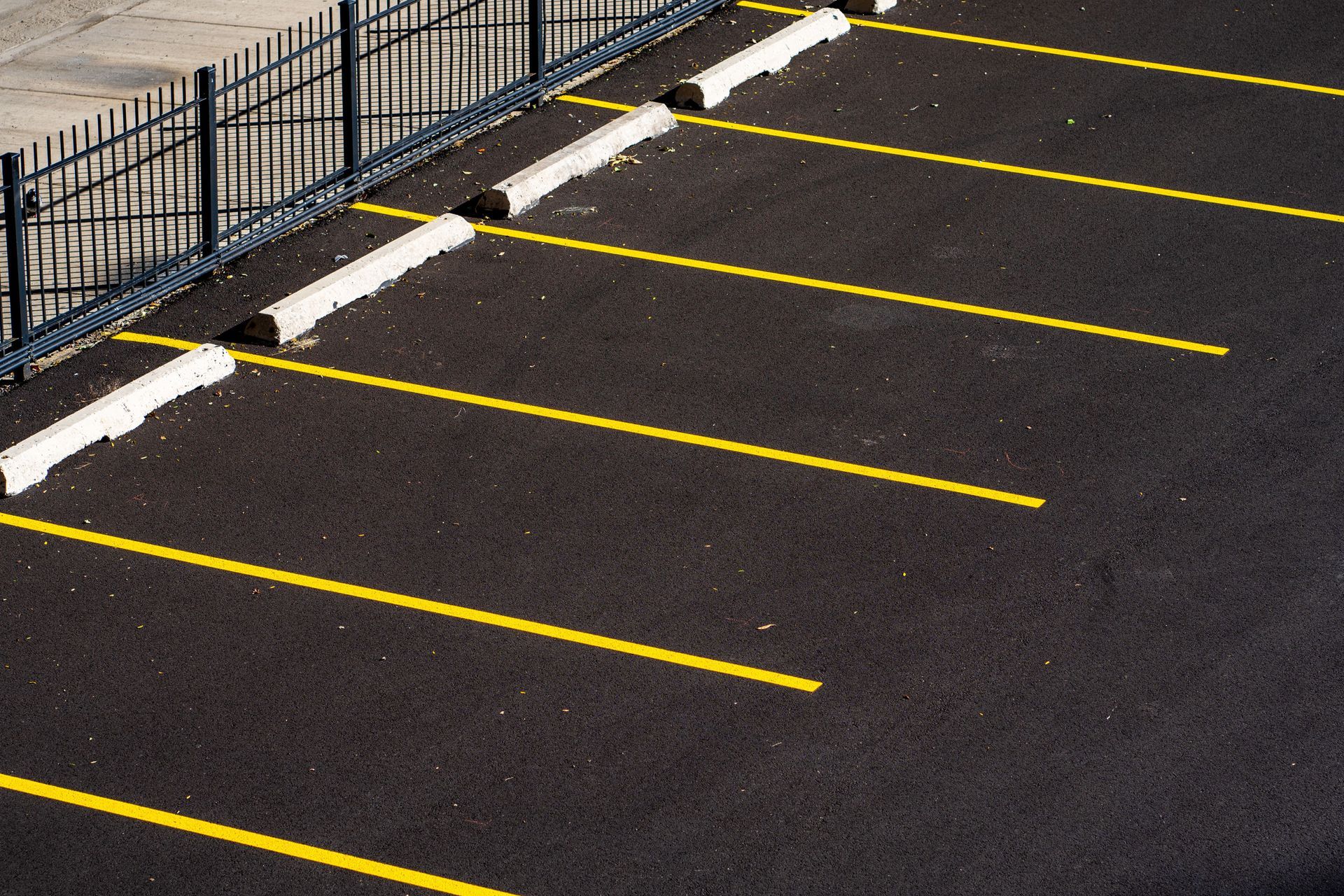
A low planting band uses durable, low-growing plants, ornamental grasses, rock, and mulch to create a clean transition between asphalt and buildings. It softens the site without blocking signs, traffic views, or lighting.
This concept works well for retail sites, office properties, apartment complexes, and professional entrances. It also helps define where pavement ends and landscaped areas begin.
Coordinate landscaping with pavement maintenance
If you are improving planting areas near a driveway or parking lot, it is smart to look at the pavement at the same time. Cracks, faded striping, poor drainage, and damaged curbs can undermine an otherwise polished landscape.
A full exterior plan should consider the condition of both the landscape and the hard surfaces framing it.
Drainage Gardens That Look Designed
Drainage solutions do not need to look like emergency repairs.
A drainage garden is a landscape feature that manages runoff while adding structure and interest. Instead of hiding water problems with temporary fixes, you can use dry creek beds, stone channels, planted swales, or gravel collection areas to guide water intentionally.
Build a dry creek bed with a purpose
A dry creek bed can guide water through a problem area while looking like a natural landscape feature. Use varied stone sizes, a defined path, and planting pockets that can handle moisture changes.
This works well below downspouts, along slopes, and in low spots where water gathers after irrigation or storms.
Use berms to create shape and redirect water
A berm is a raised mound of soil that helps redirect water while adding shape to flat landscaping. When planted with shrubs, grasses, and perennials, it can add privacy, visual separation, and better drainage at the same time.
The key is correcting grade and water movement before planting. If water problems are ignored, even expensive plants and fresh mulch may fail.
Seasonal Reset Beds
A seasonal reset bed is designed to look intentional in all four seasons, including after snow melts and before spring flowers arrive.
Instead of relying only on colorful blooms, these beds use permanent structure. That can include low shrubs, ornamental grasses, stone, bark texture, evergreen forms, and carefully placed perennials.
Build structure before seasonal color
A good seasonal bed should still look clean in February, not only in June. Start with plants that provide form and texture, then add flowers and seasonal color as accents.
This gives the property a finished appearance even when the landscape is dormant.
Leave room for cleanup
Avoid packing every inch of a bed with plant material. Dense beds can be beautiful, but they can also trap leaves, weeds, and debris. Leave enough space for seasonal cleanup, weed control, and plant maintenance.
Tenant-Proof Landscaping for Rentals and Managed Properties
Rental properties need landscaping that can handle inconsistent care, tenant traffic, pets, and changing use patterns.
The goal is not to create a delicate garden that requires constant attention. The goal is durable curb appeal.
Create clear boundaries
Defined beds, gravel paths, visible walkways, and durable plant groupings help tenants understand how the exterior should be used. Clear boundaries reduce worn turf, accidental damage, and cluttered-looking outdoor areas.
Prioritize high-visibility zones
For multi-unit properties, focus first on entrances, mail areas, sidewalks, parking lot edges, and shared gathering areas. These areas create the strongest first impression and are often where maintenance complaints begin.
Durable shrubs, clean bed lines, clear pathways, and low-maintenance materials can improve the property without creating a heavy maintenance burden.
Outdoor Living Areas That Stay Easy to Maintain
A patio, seating area, water feature, or gathering zone should improve the property without creating new maintenance problems.
Keep service access open
Before adding a patio or outdoor feature, think about where lawn equipment, irrigation crews, and seasonal cleanup teams need to move. A beautiful seating space is less useful if it blocks access to a gate, backyard, utility panel, or maintenance route.
Use hardscape to solve wear problems
If people naturally walk through the same lawn area, add a path. If an entry zone stays muddy, create a stable landing area. If an unused patch of grass always looks rough, turn it into a small patio, seating area, or gravel gathering space.
The best outdoor living areas do not just add beauty. They remove the recurring problems that made the space difficult to use in the first place.
How to Prioritize Landscaping Ideas
You do not need to complete every improvement at once. The best landscaping projects often happen in phases.
Start with the issues that affect safety, drainage, irrigation, access, and regular maintenance. Then move into visible curb appeal improvements, planting upgrades, outdoor living areas, and finishing details.
A practical sequence looks like this:
- Fix drainage, irrigation, damaged surfaces, and safety hazards.
- Remove stumps, overgrown shrubs, and difficult maintenance obstacles.
- Define paths, borders, lawn shapes, and major bed areas.
- Add structural plants, rock, mulch, and hardscape features.
- Finish with color, lighting, and seasonal details.
- Protect the investment with recurring maintenance.
Final Thoughts: Landscaping Ideas Should Make Your Property Work Better
The best landscaping ideas are not just about creating a prettier yard. They should make your property easier to manage, safer to use, more efficient to maintain, and more enjoyable to come home to.
Whether you are upgrading a home, rental, commercial property, or managed site in Montrose, Delta, or Ridgway, start by identifying what creates the most work now. Then choose landscaping ideas that solve those problems while improving curb appeal.
A thoughtful landscape gives you more than a better-looking property. It gives you a property that works better through every season.
Recent Posts