Why property management is a good investment
Property management is a good investment because it creates structure. Instead of reacting to every issue as it appears, you have a system for communication, inspections, maintenance, budgeting, and vendor coordination.
It protects property value
A property holds value better when maintenance is consistent. Small issues become expensive when they are ignored. A dry lawn becomes a dead lawn. A small asphalt crack becomes a pothole. A clogged or misdirected irrigation zone creates water waste, weeds, and turf damage. A neglected landscape bed becomes harder and more expensive to restore.
Consistent exterior care protects the property’s appearance and function. Services like
landscaping, lawn care, weed control, irrigation support, and seasonal cleanup keep the property from sliding into deferred maintenance.
It saves you time
If you are an owner, your time matters. Coordinating tenants, maintenance requests, service providers, estimates, inspections, and follow-up work can quickly become a second job.
A property management mindset reduces that friction. When you have clear service schedules and reliable exterior maintenance partners, you spend less time chasing issues and more time making decisions.
It improves tenant experience
Tenants notice the exterior every day. They notice whether grass is overgrown, snow is cleared, parking lots are easy to use, and common areas look maintained. A clean property creates confidence. A neglected property creates complaints.
For commercial properties, the exterior also affects customer perception. Parking lot condition, striping, snow access, and landscaping can all influence how professional the business location feels.
It makes costs more predictable
Reactive maintenance is usually more expensive than planned maintenance. When you wait until something breaks, you often pay for urgency. When you schedule recurring maintenance and seasonal service, you can budget more accurately and reduce surprise costs.
Why exterior maintenance is central to property management
Exterior maintenance is not cosmetic. It affects safety, satisfaction, function, and return on investment.
Alpine Property Services has seen properties where a manager was receiving repeated complaints about appearance, weeds, and access. The issue was not that the property needed a massive renovation. The issue was that service was inconsistent. Once routine mowing, edging, weed control, seasonal cleanup, and irrigation checks were organized into a predictable schedule, the property looked cleaner and complaints dropped.
That is the value of a system. Exterior maintenance should not be random. It should be planned around the property’s actual needs.
Landscaping and curb appeal as a management tool
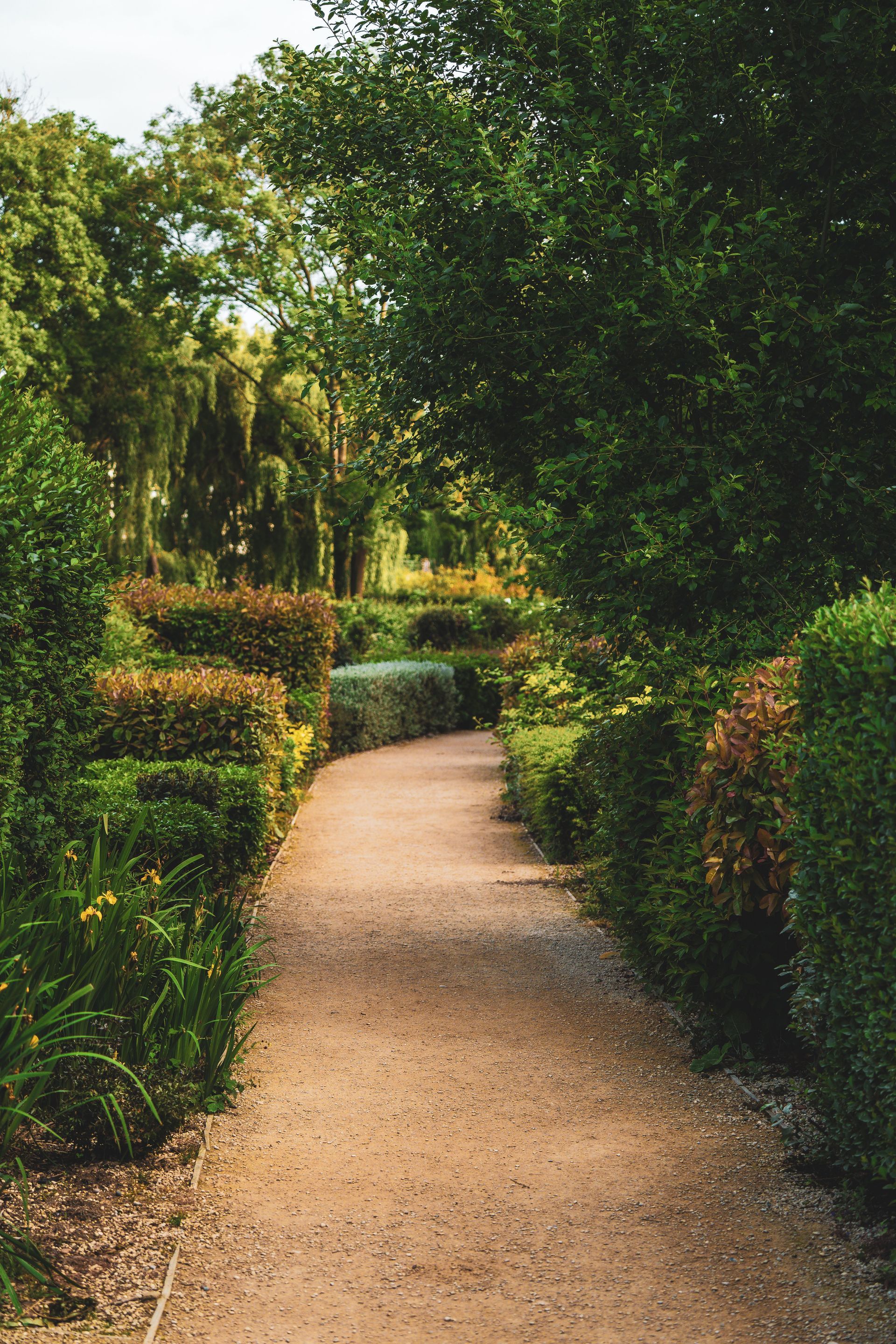
Landscaping is one of the first things tenants, buyers, customers, and visitors notice. If the landscaping is clean, trimmed, and organized, the property feels managed. If it is overgrown or full of weeds, the property feels neglected.
What managed landscaping should include
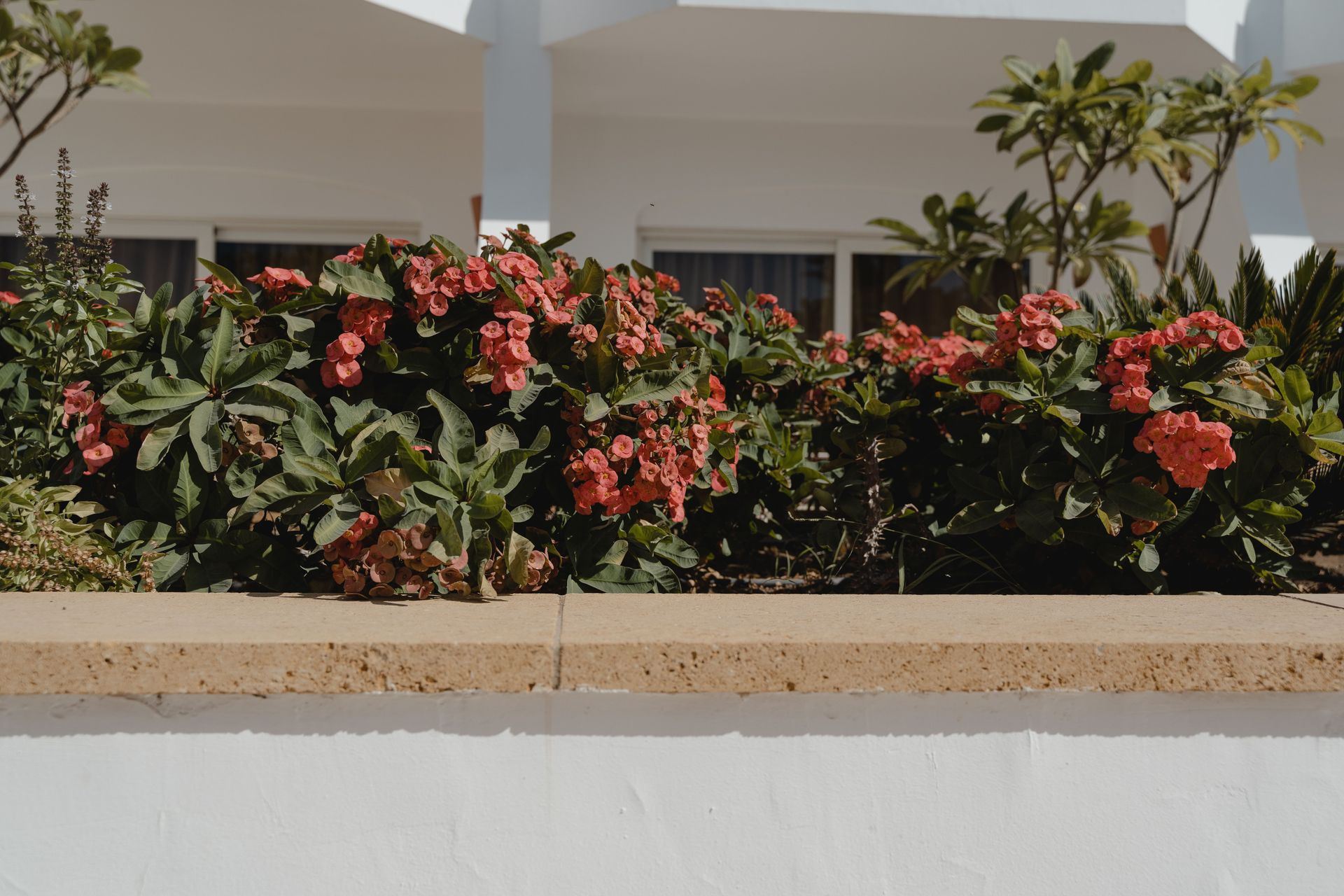
A practical landscaping plan may include mowing, edging, trimming, shrub pruning, bed cleanup, mulch or rock refresh, weed control, and seasonal cleanup. The goal is not just to make the property look good once. The goal is to keep it looking consistent.
You can learn more about Alpine’s landscape work on the
landscaping services page.
Why landscaping affects ROI
Curb appeal supports stronger tenant perception and can help reduce vacancy concerns. It also protects the property from long-term decline. Shrubs that are not trimmed can block signs, windows, and lighting. Beds that are not maintained can collect debris and grow weeds. Lawns that are cut too short or watered poorly can thin out and become expensive to repair.
Landscaping is one of the simplest ways to keep a property looking active, cared for, and professionally managed.
Lawn care for rental and investment properties
Lawn care is more than cutting grass. It is turf health, watering strategy, weed control, mowing height, seasonal timing, and soil condition.
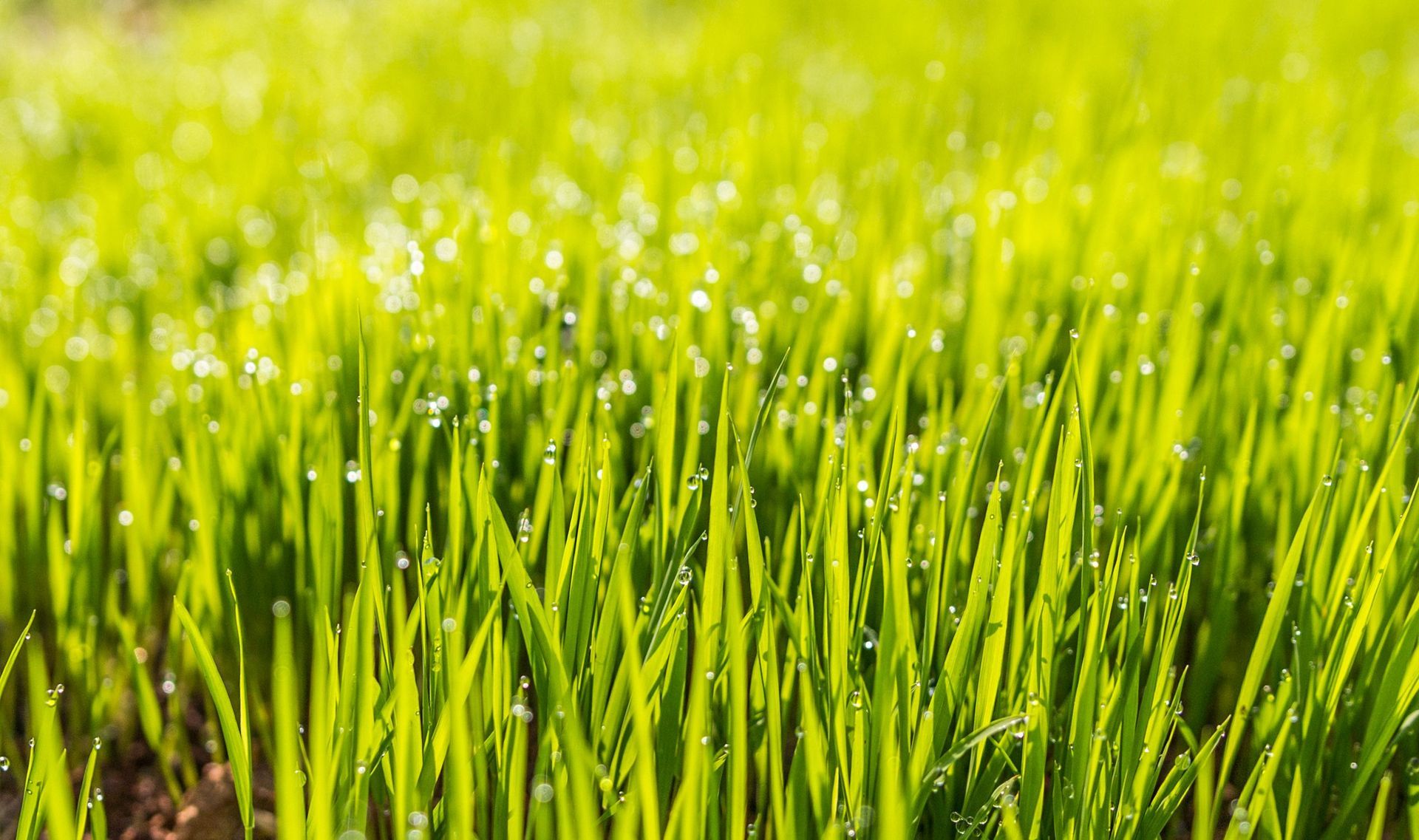
For rental properties and commercial sites, lawn care matters because thin or patchy turf can quickly make the entire property look neglected. When grass is healthy, the property looks cleaner and more valuable.
A strong lawn care plan may include regular mowing, edging, fertilization, weed control, aeration, overseeding, and irrigation checks. Each piece supports the others. Weed control works better when turf is thick. Turf grows better when irrigation is correct. Aeration helps compacted soil receive water and nutrients. Proper mowing height helps roots stay stronger during heat.
If you are managing multiple properties, lawn care should be scheduled, documented, and reviewed seasonally. That keeps the property from becoming a recurring complaint.
Snow removal and winter access
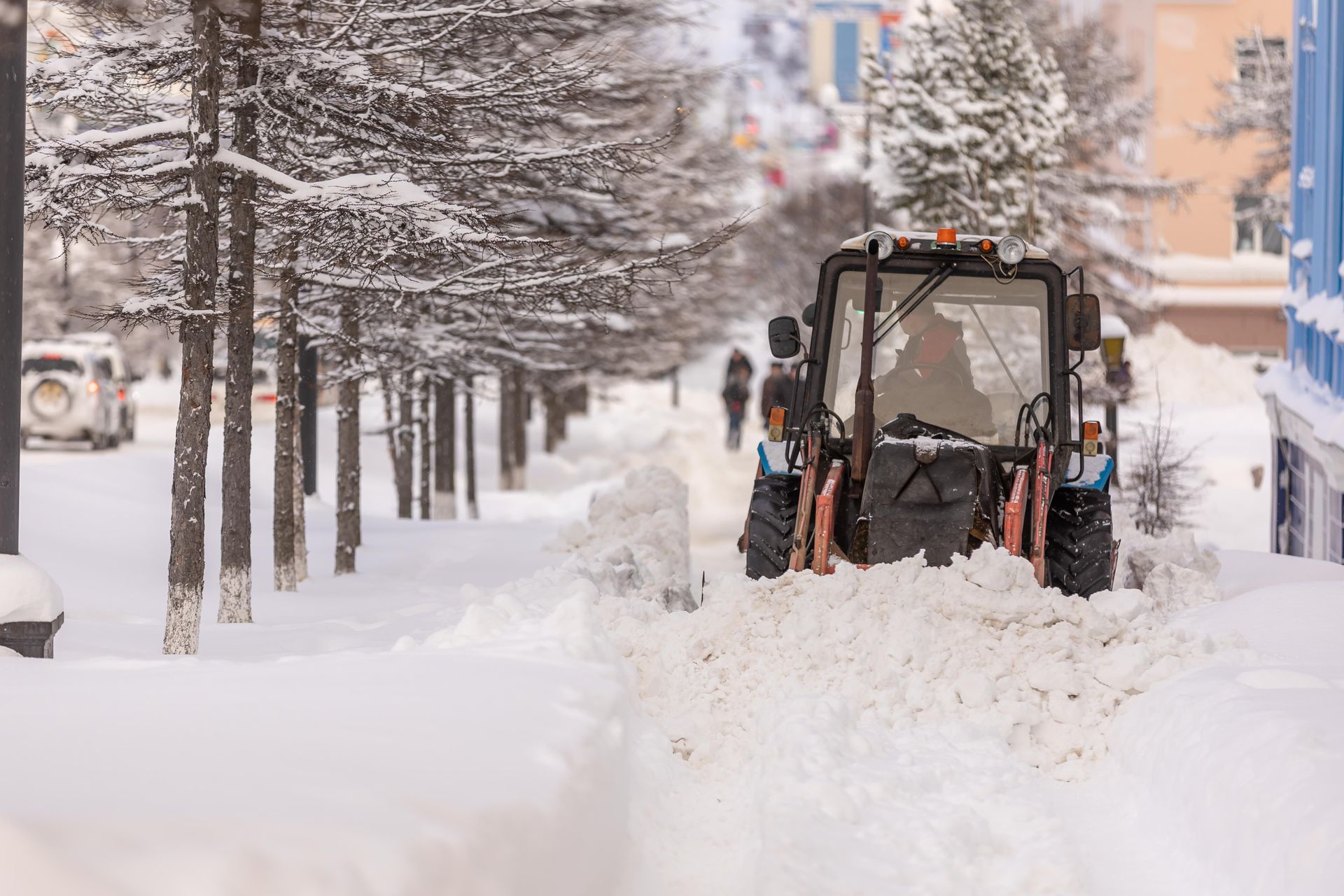
In Colorado, winter access is a serious part of property management. Snow and ice affect safety, tenant satisfaction, and daily operations.
A snow removal plan should identify priority areas before the first storm. That includes drive lanes, parking lots, sidewalks, entryways, dumpster areas, delivery zones, and emergency access routes. You also need to decide where snow will be piled so it does not block drainage, damage landscaping, or create visibility problems.
Alpine provides
snow removal and ice management for commercial and managed properties that need dependable winter service. Planning ahead matters because the middle of a storm is the worst time to figure out access priorities.
For property owners, snow removal is not only about convenience. It is about reducing hazards and keeping the property usable.
Asphalt maintenance and parking lot care
Parking lots, driveways, and paved areas are often overlooked until they become obvious problems. For property management, that is a mistake.
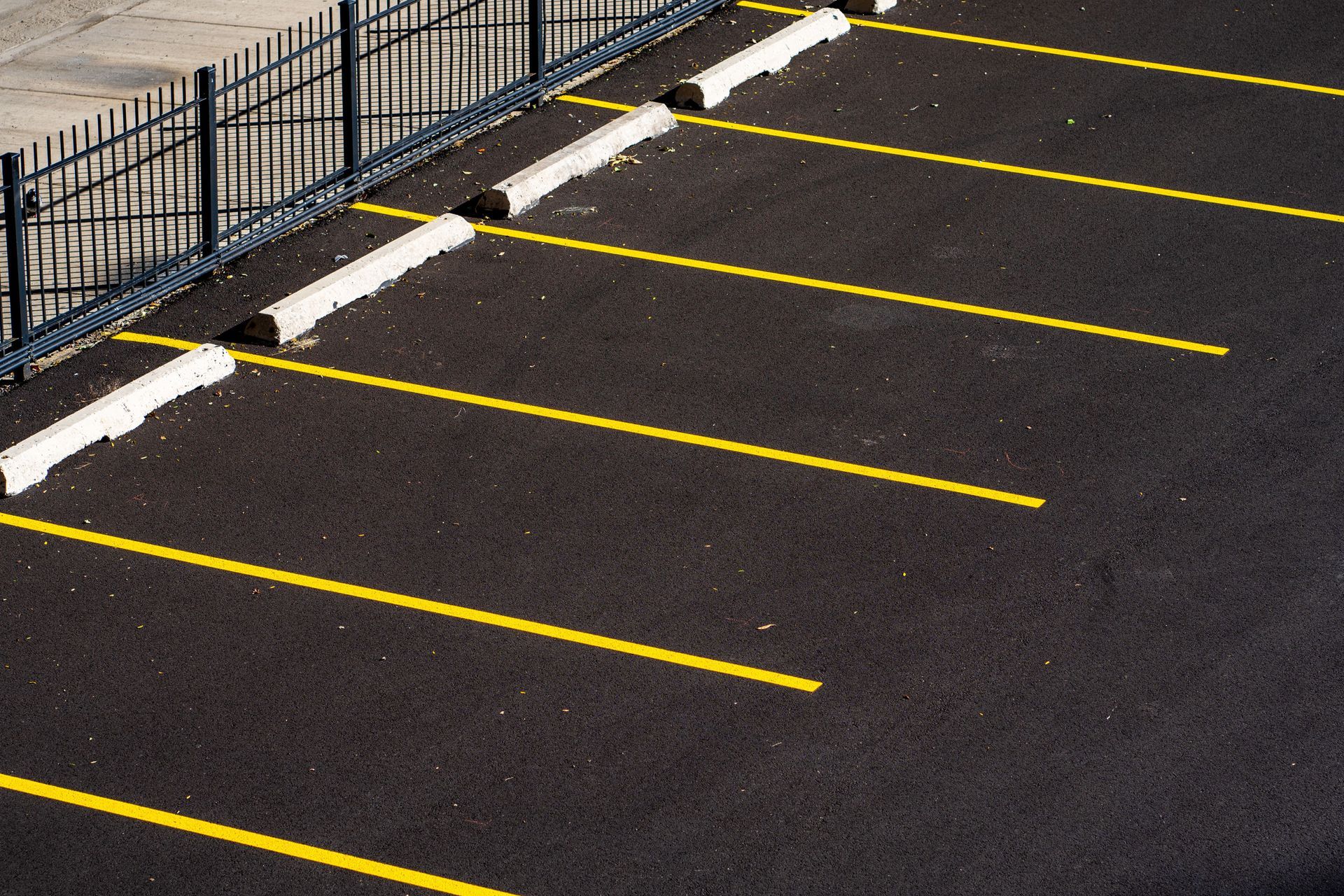
Asphalt affects first impressions, safety, traffic flow, and maintenance costs. Cracks, potholes, faded striping, and poor drainage all make a property feel less professional. They can also create hazards for tenants, customers, and service vehicles.
A maintenance plan may include sweeping, crack filling, sealcoating, pothole repair, parking lot striping, curb painting, and driveway repair. Alpine offers
asphalt maintenance services that help property owners and managers protect paved surfaces before small issues become larger repairs.
When asphalt work improves traffic flow, visibility, ADA spaces, or parking organization, it becomes more than maintenance. It becomes property improvement.
Irrigation support and water management
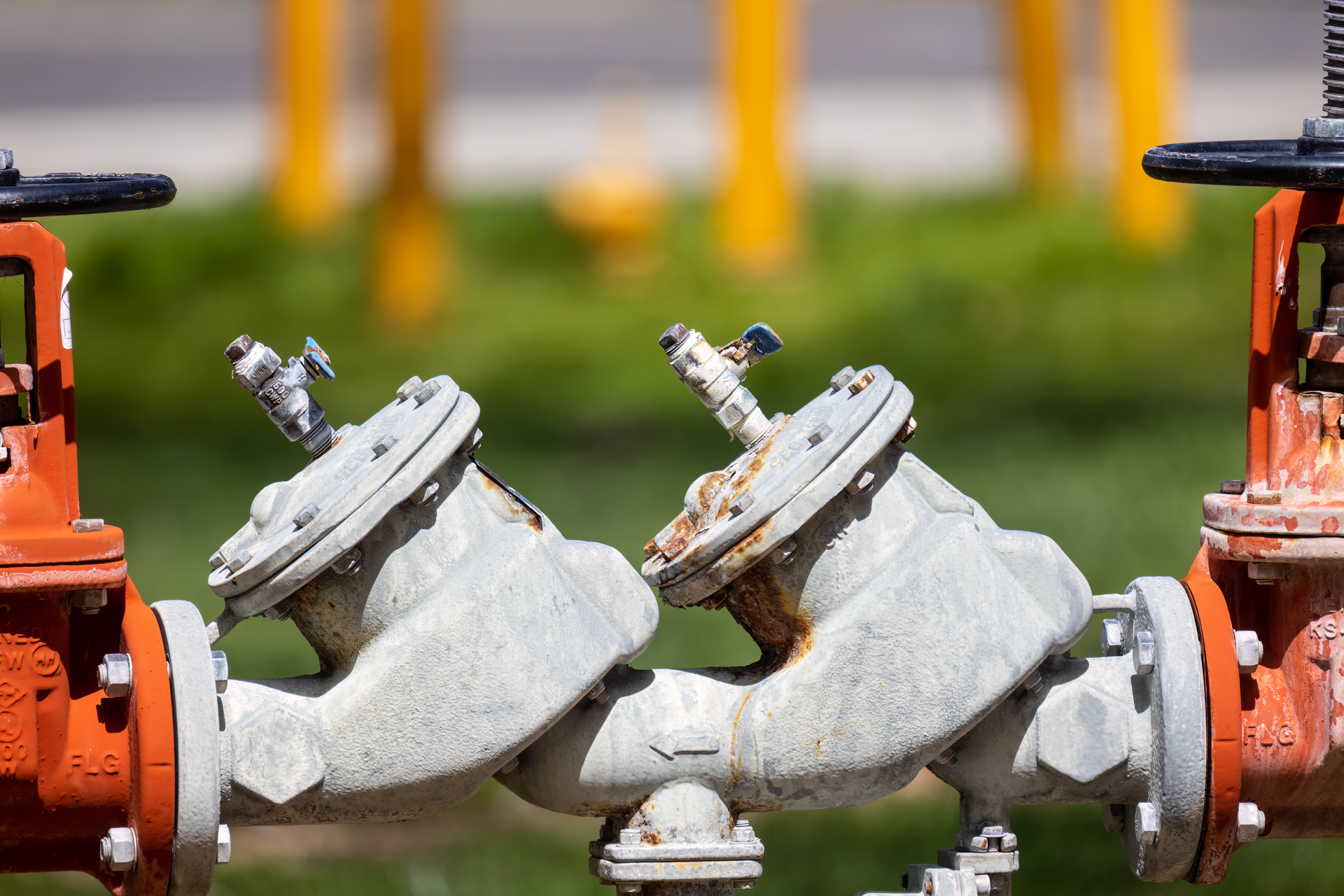
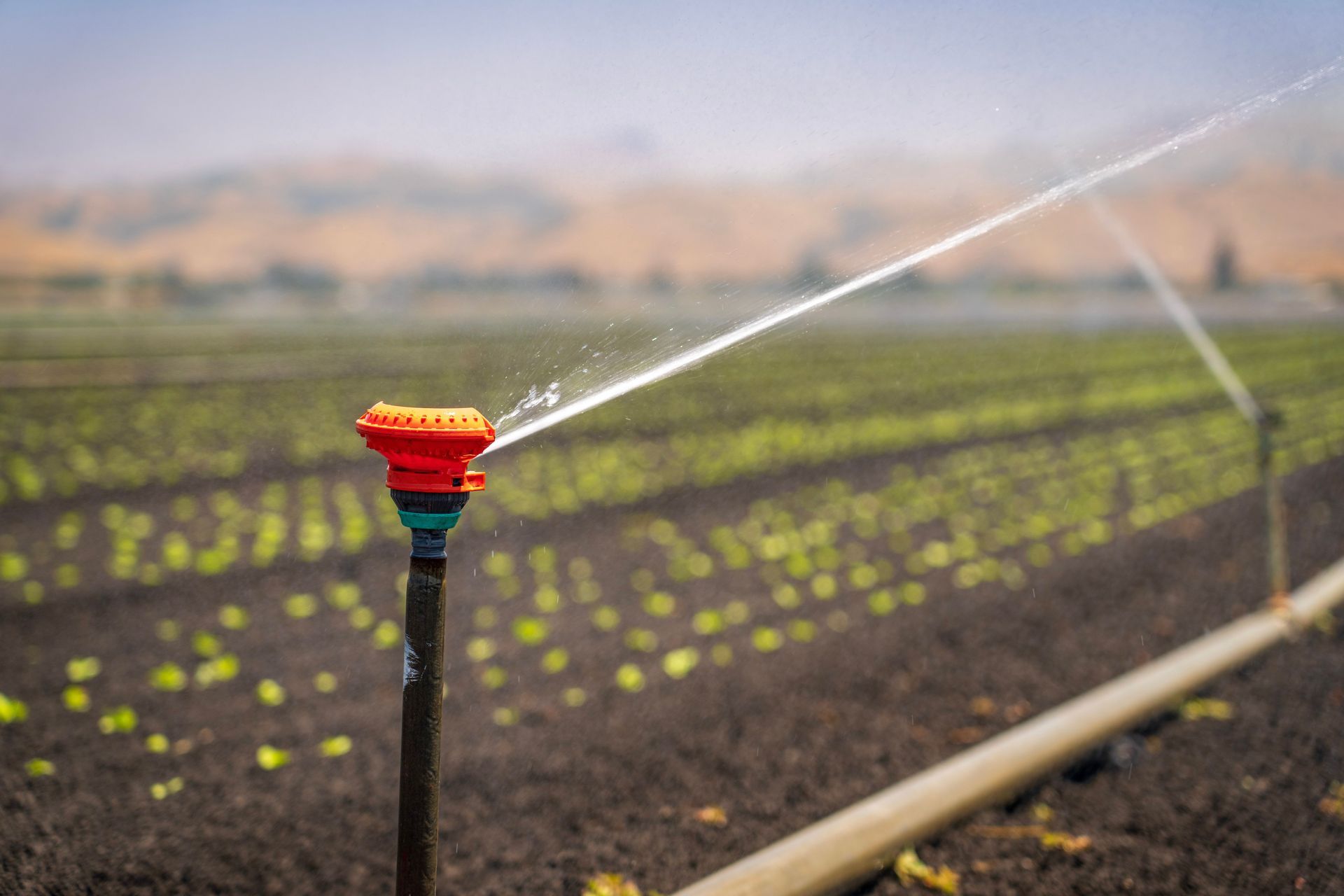
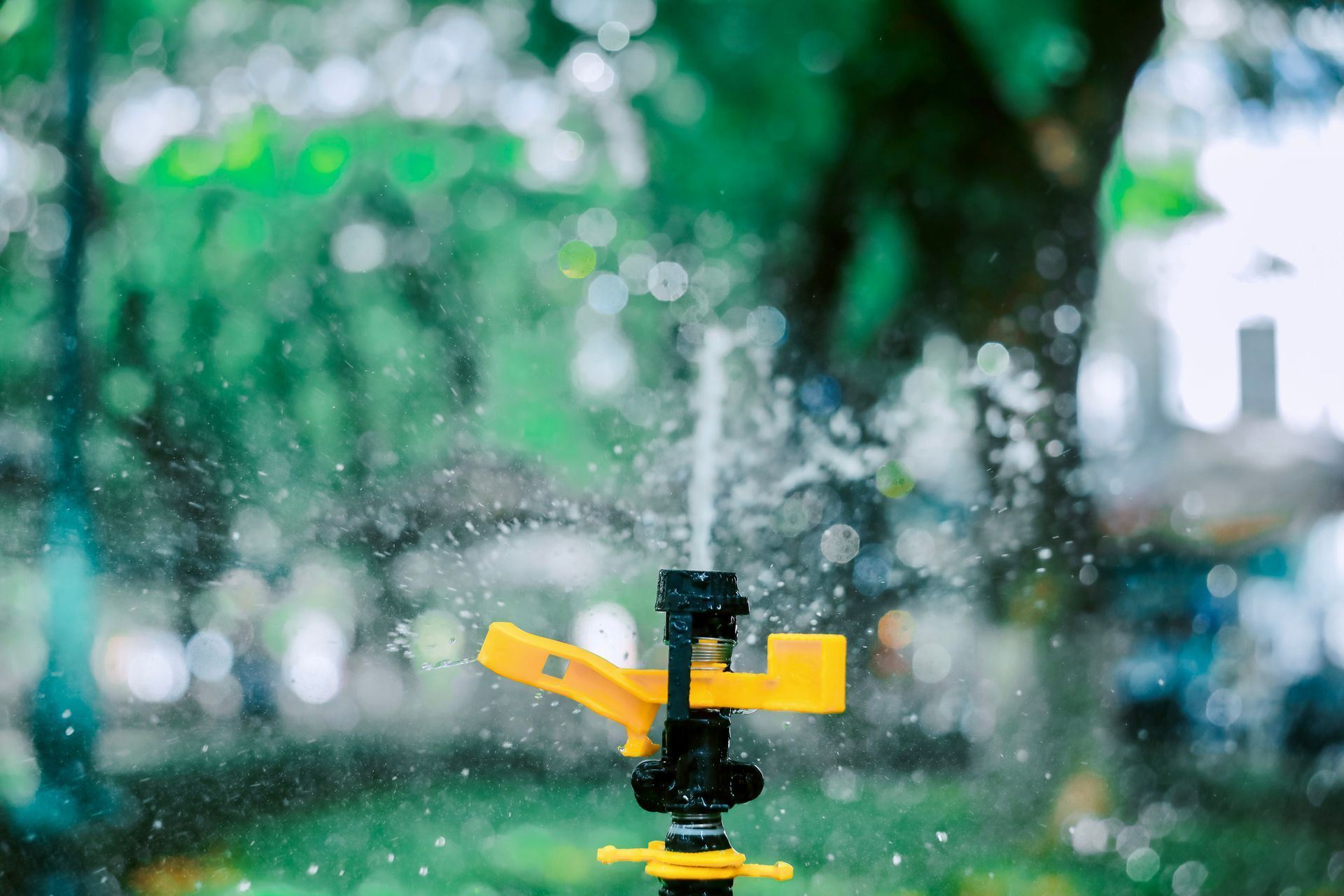
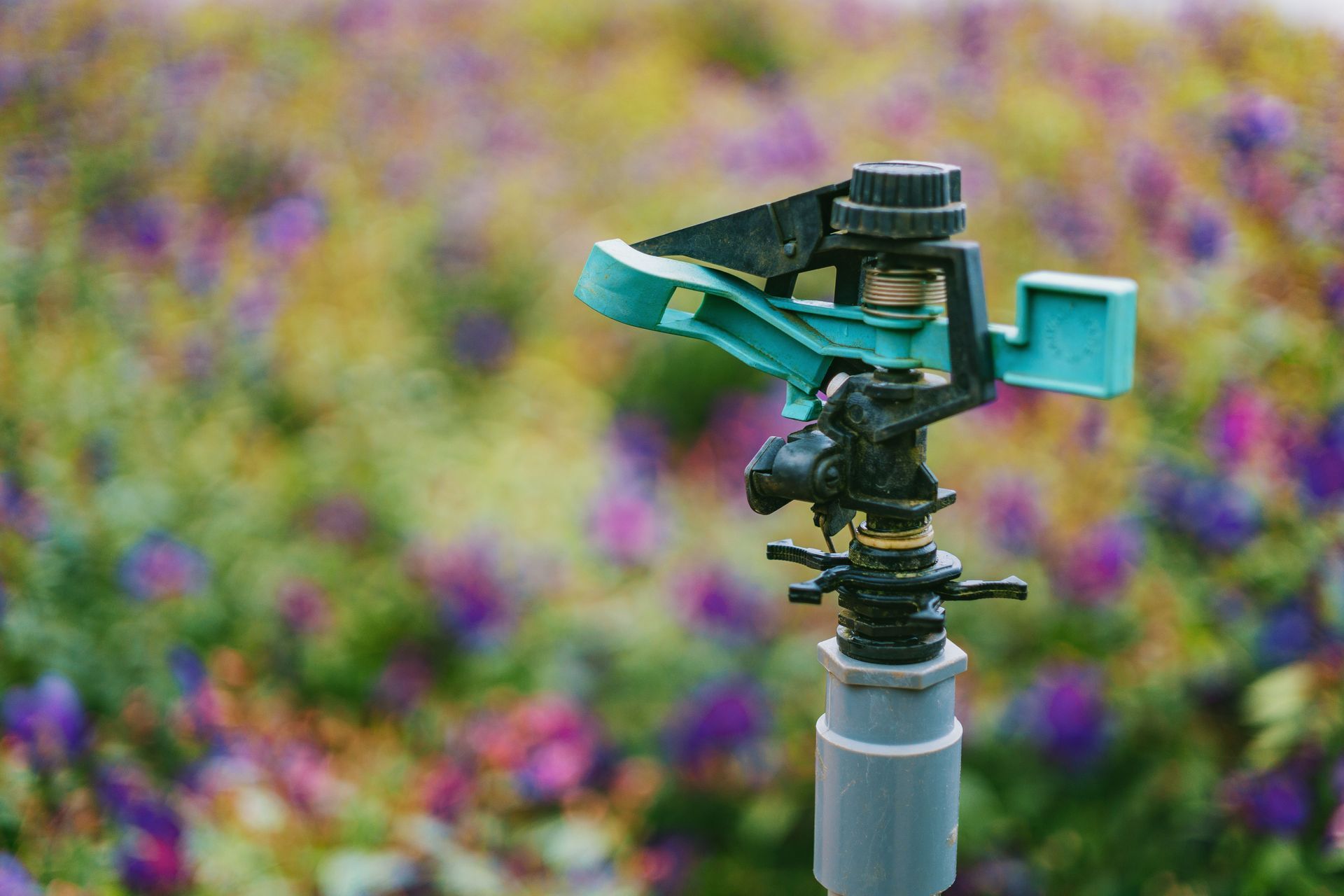
Irrigation is one of the most common causes of exterior property problems. A broken sprinkler head can create dry spots, runoff, overwatering, weeds, and even pavement issues if water constantly flows where it should not.
A good property management plan includes irrigation checks during the growing season. You should watch for dry areas, pooling water, overspray onto sidewalks, low pressure, broken heads, and zones that do not match the actual landscape layout.
Alpine’s
irrigation services can help support lawn and landscape performance by improving water coverage and reducing waste. If you are investing in landscaping or lawn care but ignoring irrigation, you may be paying to fix symptoms instead of the source.
Weed control and seasonal cleanup
Weeds are a property management problem because they spread quickly and make even good properties look uncared for. They show up in lawns, beds, rock areas, fence lines, sidewalk cracks, and parking lot edges.
One-time spraying can help temporarily, but the better approach is a weed control program combined with healthy turf, clean beds, and proper irrigation. If weeds return every year in the same places, the property likely needs a broader plan.
Seasonal cleanup is just as important. Spring cleanup resets the property after winter. Summer maintenance keeps growth and weeds under control. Fall cleanup prepares the site for snow season and reduces debris. Clean properties are easier to inspect, easier to maintain, and easier for tenants to respect.
Property improvement planning for better returns
Property maintenance protects the current condition. Property improvement upgrades the property so it performs better.
Examples of smart property improvements include low-maintenance landscaping, native plant beds, decorative rock, mulch bed conversions, irrigation upgrades, drainage fixes, walkway improvements, parking lot improvements, tree limbing, stump removal, patios, and water features.
Alpine’s
patios and water features page is a good example of how exterior improvements can make a property more usable and attractive.
The best improvements are not random upgrades. They solve recurring problems. If a lawn strip keeps dying, replace it with a better landscape solution. If a parking area causes confusion, improve striping and flow. If shrubs keep blocking lights and windows, redesign that bed. If irrigation causes runoff, fix the system before spending more on turf.
Vendor coordination and why it matters
Property management gets harder when every service is handled by a different disconnected vendor. One company mows, another handles snow, another deals with irrigation, another handles asphalt, and no one is looking at the full property.
That creates gaps. The lawn company may notice irrigation problems but not report them. The snow company may pile snow where it damages landscaping. The asphalt vendor may repair cracks without addressing water flow. The result is frustration and inconsistent property standards.
When you work with an exterior maintenance partner that understands multiple services, the property is easier to manage. Issues are easier to identify, seasonal transitions are smoother, and service standards are more consistent.
How to choose a property management or exterior maintenance partner
If you are evaluating property management or exterior maintenance help, look for clarity and consistency.
Ask what services are included, how often inspections or service visits happen, how maintenance issues are reported, and how seasonal needs are handled. Ask whether they can support landscaping, lawn care, irrigation, snow removal, asphalt maintenance, and seasonal cleanup. Ask how weather delays are communicated and how urgent issues are prioritized.
You should also look for local experience. Montrose, Delta, and Ridgway properties face specific seasonal challenges. A company that understands Western Colorado conditions can make better recommendations and help prevent problems before they become expensive.
If you want to discuss your site, Alpine makes it easy to reach out through the
contact page or the
request a call back form.
Questions you should ask before hiring
Before you hire a property manager or exterior maintenance partner, ask practical questions.
What exterior services are included? How are vendor issues handled? How often is the property reviewed? Can they create a seasonal maintenance plan? Do they offer landscaping, snow removal, irrigation, and asphalt support? What is billed as recurring service versus project work? What improvements should be prioritized first? What can wait?
Good property management is not just about saying yes to every repair. It is about helping you decide what matters most for safety, appearance, tenant experience, and long-term value.
Conclusion
If you are researching
colorado west property management montrose co, the bigger question is how to protect your property as an investment. Property management is valuable because it brings structure, consistency, and accountability to both tenant needs and physical property conditions.
For Montrose, Delta, and Ridgway property owners, exterior maintenance is a major part of that value. Landscaping, lawn care, snow removal, asphalt maintenance, irrigation support, weed control, and seasonal cleanup all influence curb appeal, safety, tenant satisfaction, and long-term repair costs.
The best next step is a seasonal exterior maintenance assessment. Look at what needs recurring service, what needs repair, and what improvements would reduce future headaches. When you manage the exterior proactively, your property becomes easier to operate, easier to rent, and easier to protect over time.