
Drawing in Landscape: Why You Need to Design Your Landscape First
TL;DR
- Map a snow-smart landscape corridor before installing beds near driveways, parking lots, or walkways, so plows have room to work without destroying plants or borders.
- Create mow-line architecture with larger curves, fewer tight corners, and clear bed edges to reduce trimming time and keep the property looking cleaner.
- Turn troublesome side yards into problem-strip conversions with rock, low-water plants, or access paths instead of repeatedly repairing thin turf.
- Use a drawing to plan a drainage garden with dry creek beds, swales, or planted berms before water damages lawns, beds, walkways, or pavement.
- Build irrigation-visible planting zones that make dry spots, overspray, and broken sprinkler heads easier to spot and repair.
- Design seasonal reset beds with shrubs, grasses, stone, and structure so the property still looks intentional after snow melt and before spring color returns.
- Plan tenant-proof landscaping for rentals and managed properties using durable materials, clear paths, and simple plant groupings that hold up to daily use.
- Create a phased roadmap so you can fix drainage, access, irrigation, and safety issues first, then add hardscape, planting, and finishing details over time.
If you are considering new landscaping, a patio, irrigation upgrades, lawn alternatives, or a full property refresh in Montrose or Olathe, starting with a drawing in landscape can save you from expensive changes later. A landscape drawing gives you a clear plan for where plants, walkways, drainage features, irrigation zones, lawn areas, and outdoor living spaces should go before work begins. Instead of making one improvement at a time and hoping everything fits together, you can design the property around how you use it, how water moves across it, and how much maintenance you want long term.
A landscape drawing does not need to be an overly complicated architectural package to be valuable. It can begin as a clear site sketch that identifies problems, priorities, circulation, materials, and future phases. The point is to make decisions before you purchase materials, dig into the yard, or install something that later needs to be moved.
“A landscape drawing is not just a picture of what you want. It is a working plan for how water, people, equipment, plants, and seasons will move through the property.”
— Alpine Property Services landscape planning perspective

What Is a Drawing in Landscape Design?
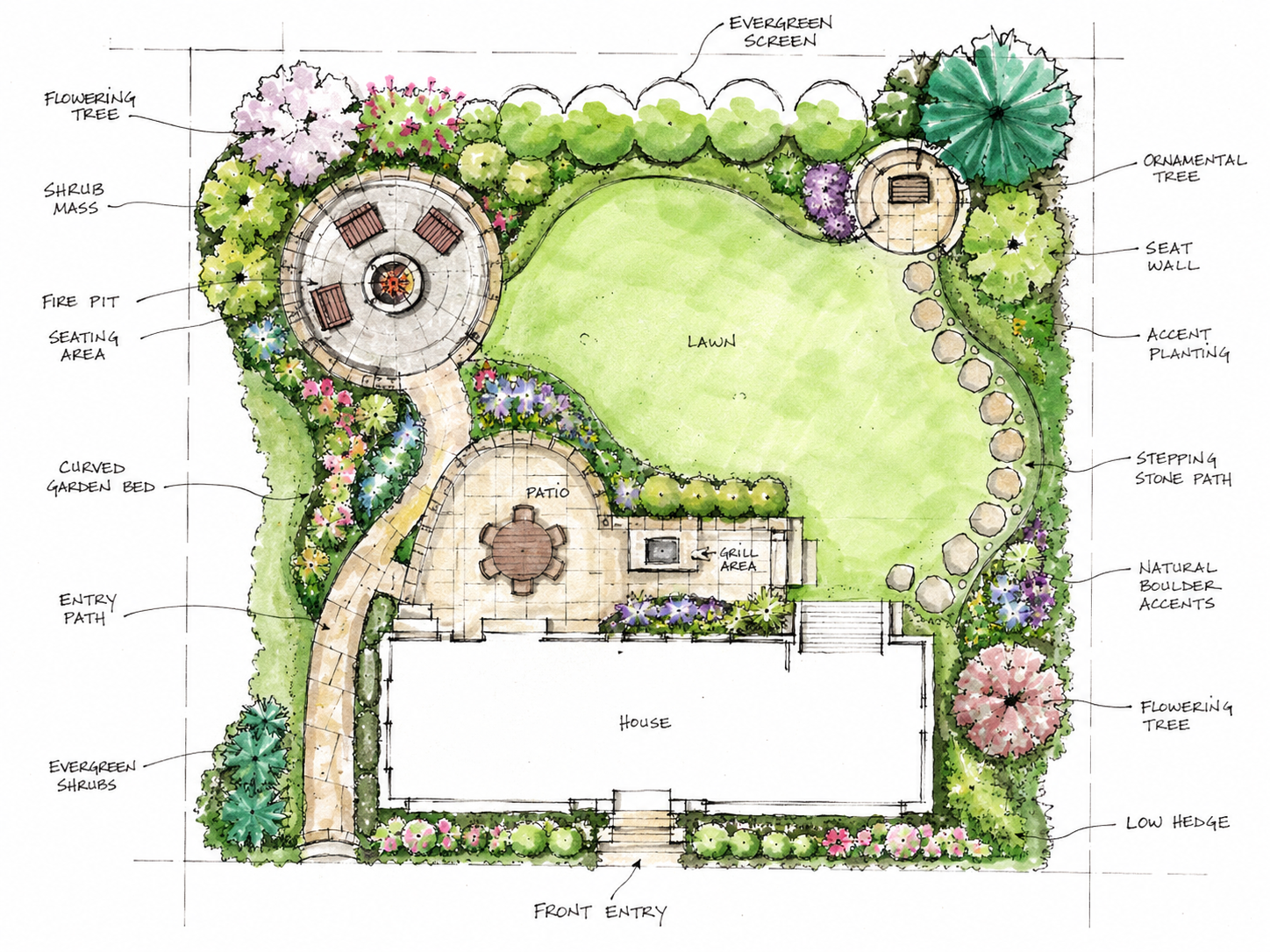
A landscape drawing is a visual plan for your outdoor property. It shows where existing features are located, what should remain, what should change, and how new improvements fit together.
For a homeowner, the drawing may show a front entry bed, a patio, a side-yard path, a lawn area, and a low-maintenance planting zone. For a property manager, it may include parking areas, walkways, snow storage zones, signage visibility, irrigation coverage, and service access.
The level of detail depends on the project. A small bed refresh may only require a simple layout. A larger property improvement project may need measurements, material selections, drainage direction, irrigation zones, plant spacing, and installation phases.
The most important part is that you see the whole property before you start changing individual pieces.
Why You Should Design Your Landscape Before You Start Building
Many landscaping projects become more expensive because they are built in reaction to a problem instead of being planned around the full property.
You may install a new patio, then realize water drains toward it. You may plant shrubs near a wall, then discover they block windows or need constant trimming. You may add decorative rock to a side yard, then realize it is a snow-storage area or the only route for irrigation access.
A drawing helps you avoid these problems before they cost you time and money.
Avoid expensive rework
A landscape plan helps you see conflicts between features before installation begins. It can reveal when a future walkway overlaps with a planting bed, when a patio belongs in a drainage path, or when a shrub screen will eventually block a driveway view.
This matters because moving installed materials is expensive. Relocating pavers, rebuilding edging, replacing plants, or repairing irrigation after the fact can quickly cost more than planning first.
Create a property-wide vision
Without a plan, properties often become a collection of disconnected improvements. One type of stone is used near the front entry. Another type appears in the backyard. A bed is added near the driveway without connecting to the rest of the site. The result may be functional, but it rarely feels intentional.
A drawing helps you choose a consistent material palette, repeat plant groupings, and create visual flow from the front yard to the backyard or from the parking area to the building entry.
Build in phases without making future work harder
You do not need to install everything at once. A landscape drawing allows you to break the project into phases while protecting the long-term design.
For example, you may correct drainage and irrigation first. The next phase may add paths, borders, and hardscape. Planting and finishing details can come later. This approach helps you spread out costs without creating work that must be torn out in the future.
Start With a Site Analysis, Not a Plant List
The most useful landscape drawings begin with information, not inspiration photos.
Before deciding on plants or materials, look at sun exposure, slopes, water movement, wind, mature trees, traffic patterns, and access needs. In Montrose and Olathe, this is especially important because hot sun, dry conditions, irrigation needs, snow storage, and seasonal weather changes can all affect whether a design works long term.
Study how water moves
Water should be one of the first things you map. Note low spots, runoff paths, downspouts, soggy turf, dry corners, and places where water reaches walkways or pavement.
A drainage problem should be solved before planting. A new landscape bed may look great for a season, but it will struggle if water constantly pools around roots or washes soil away.
This is also why irrigation planning and repair should be part of the drawing process.
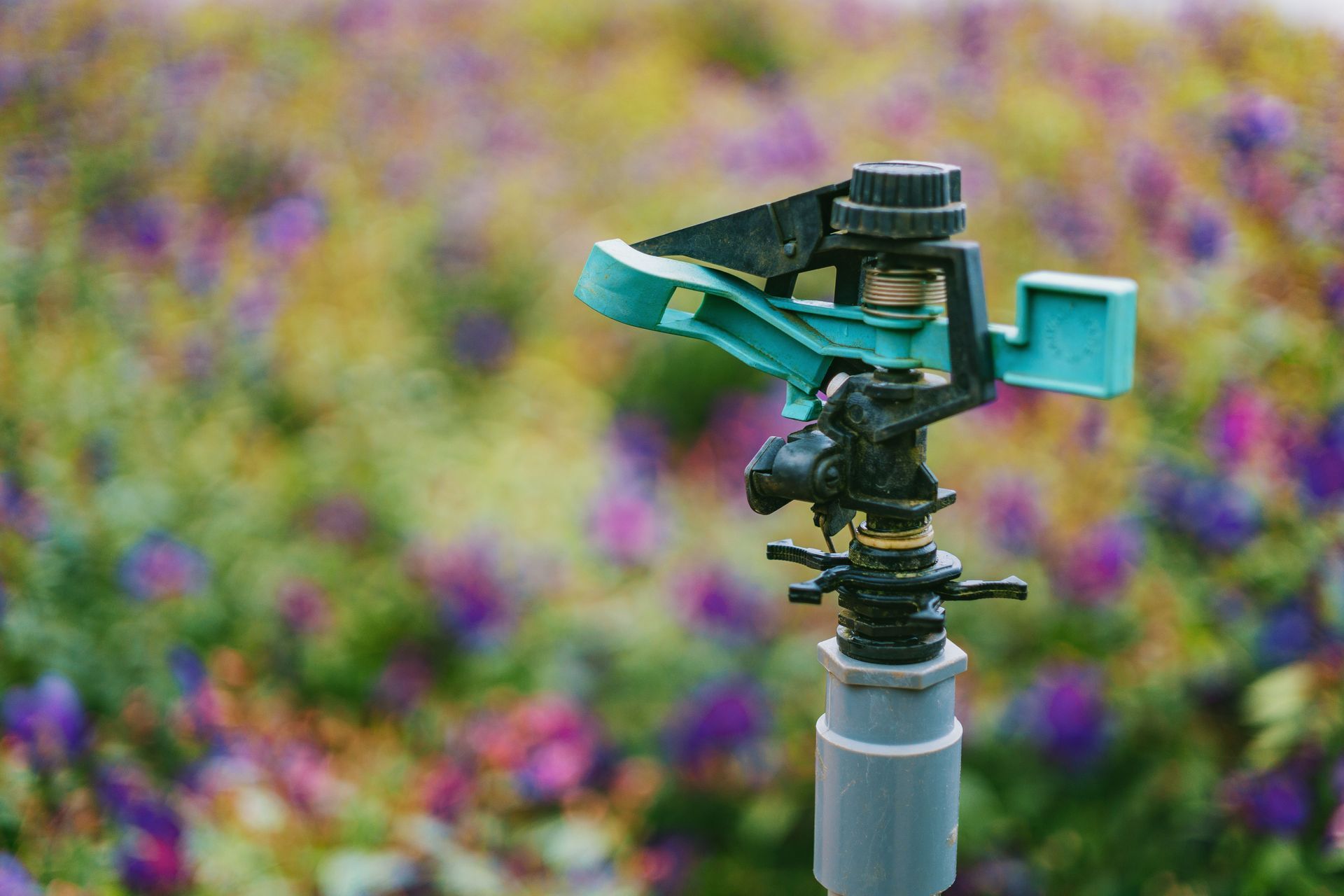
Sprinkler coverage, overspray, broken heads, and zone layout can all affect where turf, shrubs, perennials, and rock beds belong.
Map actual movement, not imagined movement
Look at where people truly walk. Notice where pets run, where trash cans travel, where service crews need access, and where vehicles turn or park.
If people naturally cut across a lawn, that is probably a future path. If a side yard is used to reach a gate or irrigation controls, it may need a gravel or paver route. If a commercial property has a worn path from parking to an entrance, the design should support that movement instead of forcing people through turf.
Identify winter zones
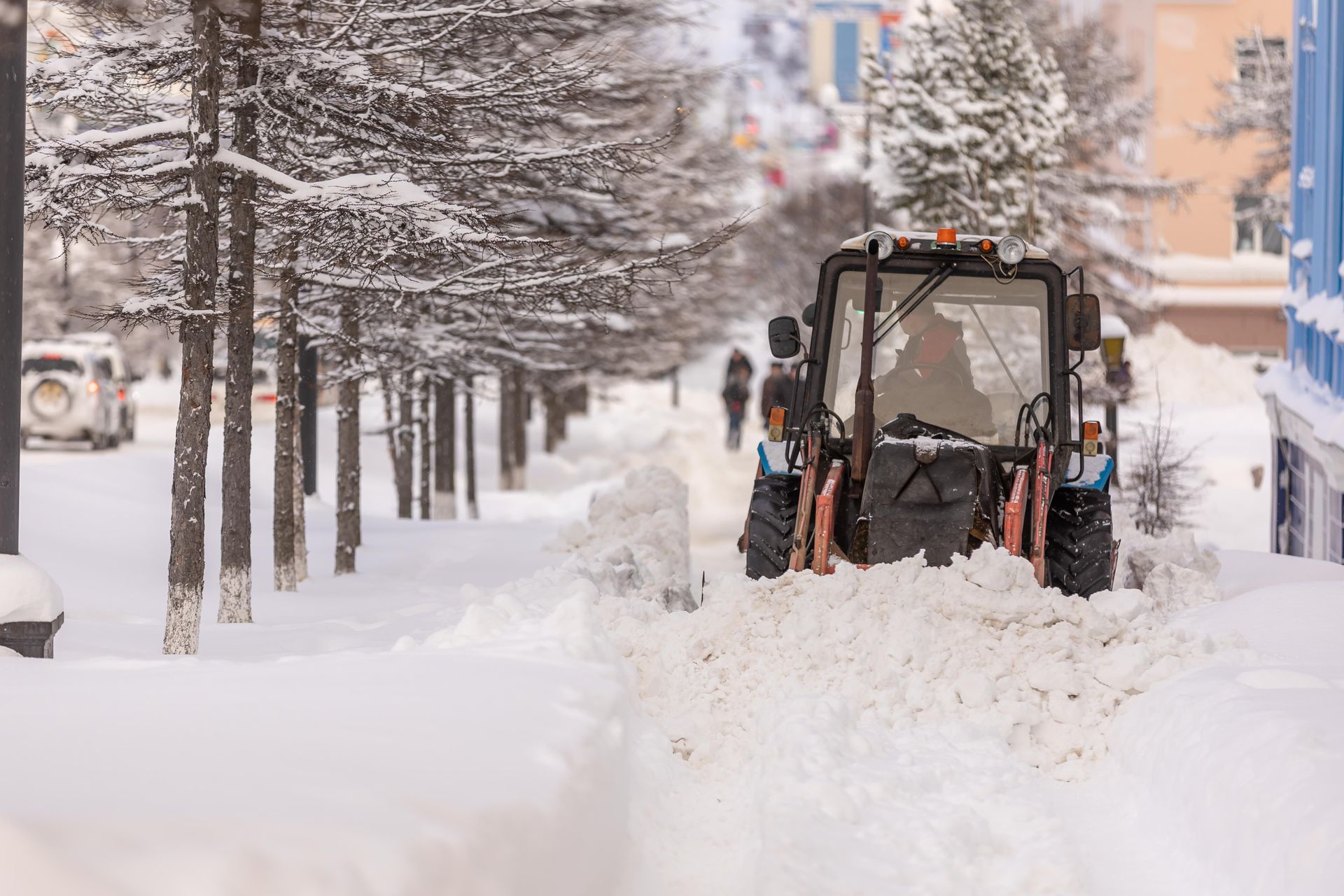
Snow removal should not be an afterthought. Mark where snow gets pushed, where it melts, where it blocks views, and where it could damage shrubs, curbs, or beds.
Alpine Property Services provides snow and ice management, and a landscape drawing can help make that work easier by identifying snow corridors, durable storage zones, clear access routes, and visible edges.
Detailed Landscape Drawing Inspiration List
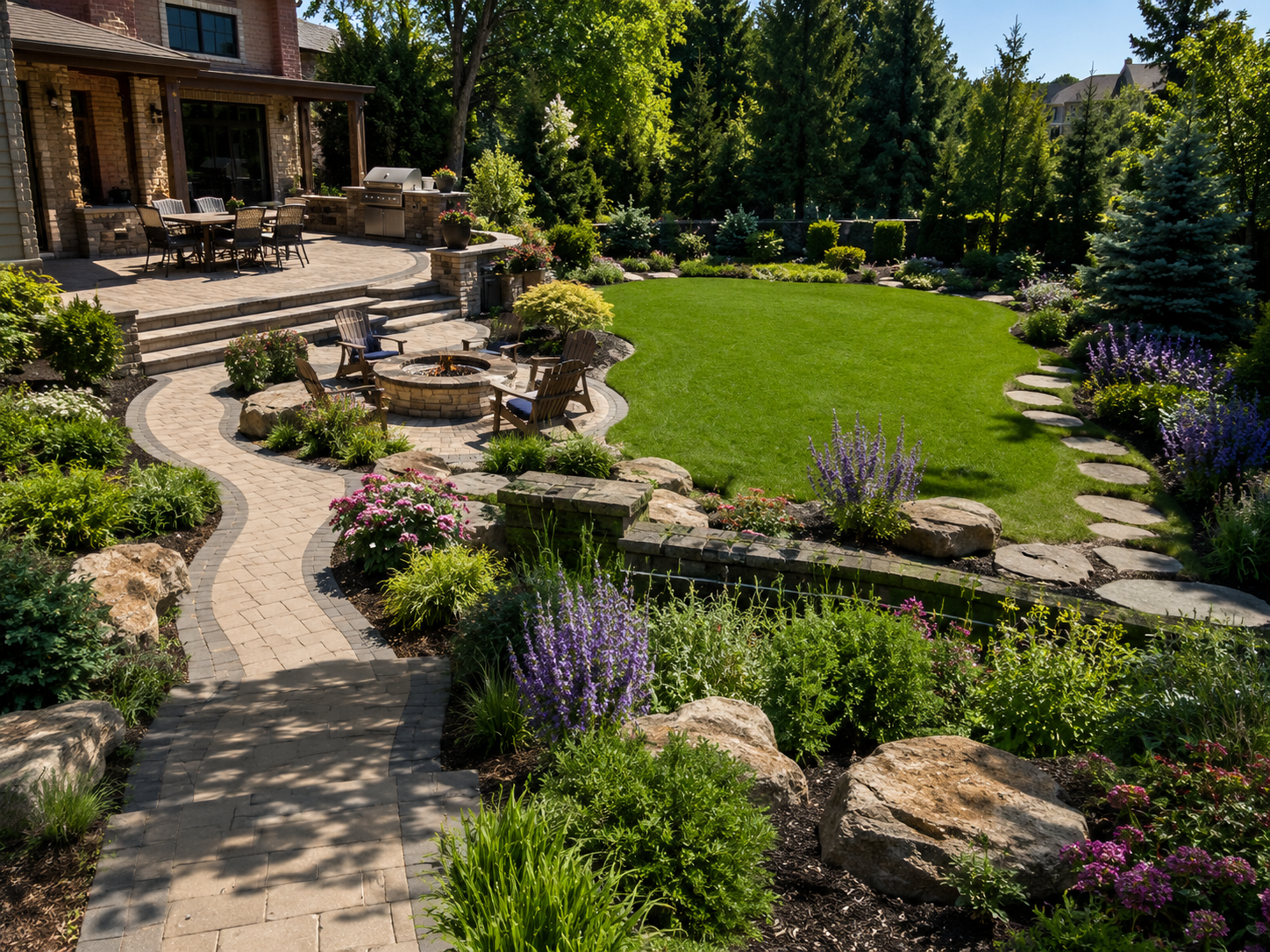
A landscape drawing gives you the chance to plan ideas that are useful, not just decorative. Below are several concepts you can adapt to your property.
Snow-smart landscape corridors
A snow-smart corridor is a dedicated zone along a driveway, lot edge, or access road where snow can be pushed without damaging plants or hardscape.
Your drawing can identify where snow piles should go, how high plants can safely grow, and where stone or durable turf should replace delicate landscaping. This is particularly useful for commercial properties, rentals, and homes with long driveways.
The best snow-smart layouts use visible boundaries, low-profile plants, and materials that can tolerate winter pressure. They reduce spring cleanup and help avoid damage caused by plows or piled snow.
Mow-line architecture
Mow-line architecture is the practice of designing lawn and bed shapes around mowing patterns.
Instead of creating tiny turf pockets, sharp corners, and isolated planting islands, use longer curves and continuous borders. Your mowing crew can move more efficiently, trimming is reduced, and the property looks cleaner after each visit.
This is a simple idea, but it can have a major impact on long-term maintenance. It works especially well around front lawns, trees, driveway edges, and commercial signage zones.
Problem-strip conversions
Most properties have at least one difficult strip of grass. It may be beside a driveway, between a fence and sidewalk, along a hot building wall, or in a narrow side yard.
Your drawing can convert this difficult turf into decorative rock, mulch, low-water plantings, groundcover, or a practical access path. The goal is to stop fighting an area that never performs well and give it a better purpose.
A problem-strip conversion can reduce mowing, water use, weeds, and seasonal repair work while improving the visual structure of the property.
Irrigation-visible planting zones
An irrigation-visible zone is designed so water problems are easier to detect.
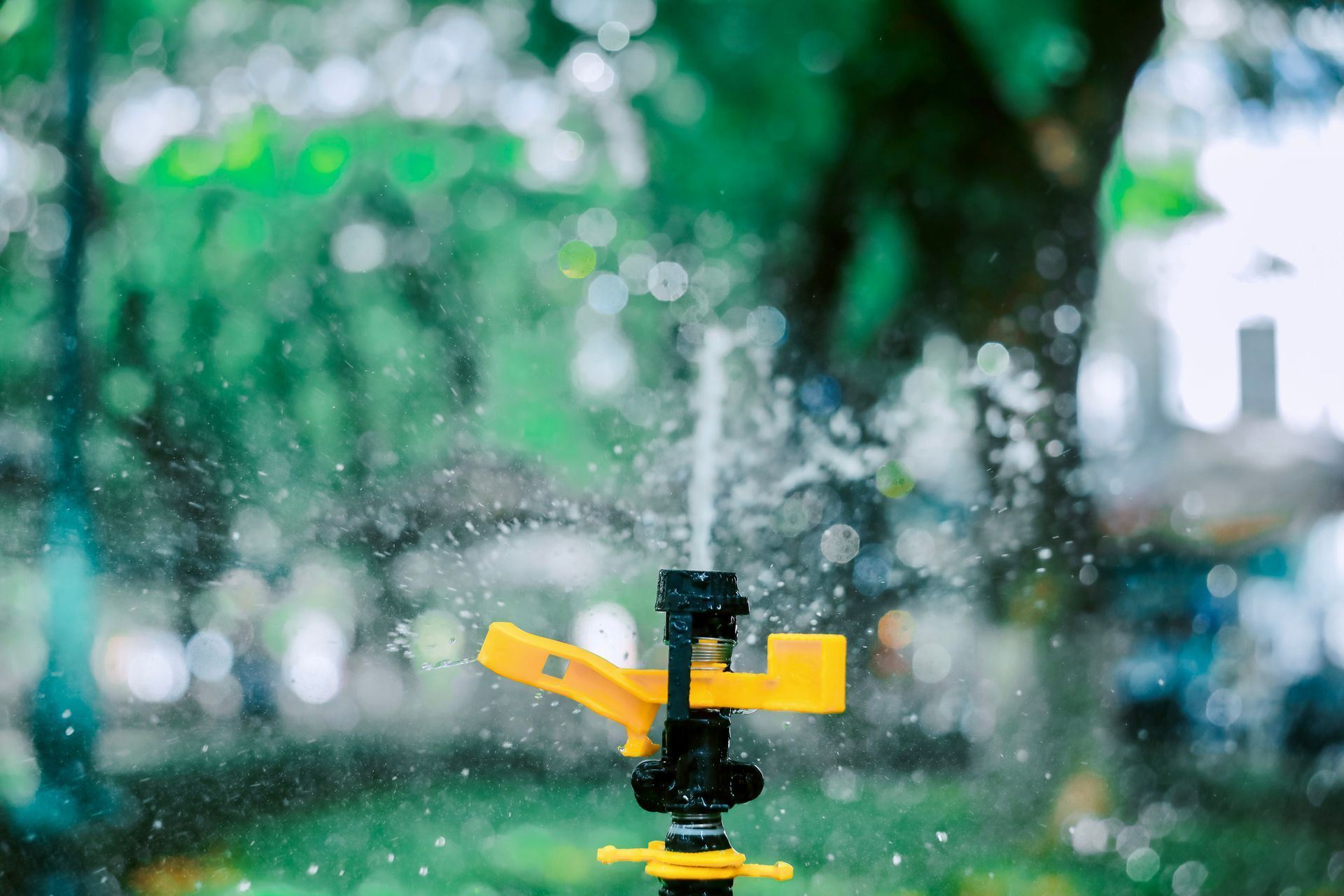
Group plants by similar water needs. Leave enough space to inspect soil and sprinkler coverage. Keep high-water plants separate from drought-tolerant plants. Use drip irrigation in beds where it makes sense.
This kind of design helps you spot dry patches, overspray, leaks, or pooling before plants fail. It also makes ongoing maintenance easier because the system and the landscape are working together.
Drainage gardens that look intentional
Drainage features do not need to look like emergency repairs. A landscape drawing can turn water management into a design feature.
A dry creek bed, rock swale, planted berm, or gravel collection area can guide water away from buildings and walkways while adding texture and structure. Your drawing should show where water enters, where it travels, and where it can safely disperse.
This is often one of the best property improvements because it protects turf, plantings, hardscape, and pavement at the same time.
Seasonal reset beds
A seasonal reset bed is designed to look good throughout the year, including during dormant periods.
Instead of relying only on flowers, use low shrubs, ornamental grasses, stone, mulch, evergreen structure, and repeated plant groupings. The bed should look clean after snow melt, during summer, and in fall cleanup season.
Your drawing should include enough spacing for maintenance. Overcrowded beds often trap debris, hide weeds, and require more labor to keep looking good.
Tenant-proof landscape zones
For rental properties, HOAs, and multi-unit sites, landscapes should be durable and easy to understand.
A drawing can define walkways, gathering zones, parking edges, planting beds, pet routes, and snow areas. Use materials that hold up to traffic and do not depend on delicate care.
Clear paths, durable shrubs, structured rock beds, and simple planting palettes often work better than high-maintenance designs. The goal is reliable curb appeal, not a landscape that needs constant repair.
Service-friendly outdoor living spaces
Outdoor living areas should improve how you use the property without blocking access for maintenance.
Before adding a patio, water feature, seating area, or fire pit zone, map mowing routes, gate access, irrigation controls, and cleanup paths. A well-planned outdoor space works with the property instead of creating new maintenance obstacles.
Alpine Property Services offers patios and water features, and a drawing helps ensure these features are placed where they add value without creating drainage, access, or maintenance problems.
Include Functional Zones in Your Drawing
A strong drawing separates the property into zones based on use.
Your front entry zone may need curb appeal, lighting, and clean planting beds. Your backyard may need gathering space, privacy, and lawn. Your side yard may need a path and low-maintenance materials. Your utility zone may need hidden access to trash cans, irrigation controls, or equipment.
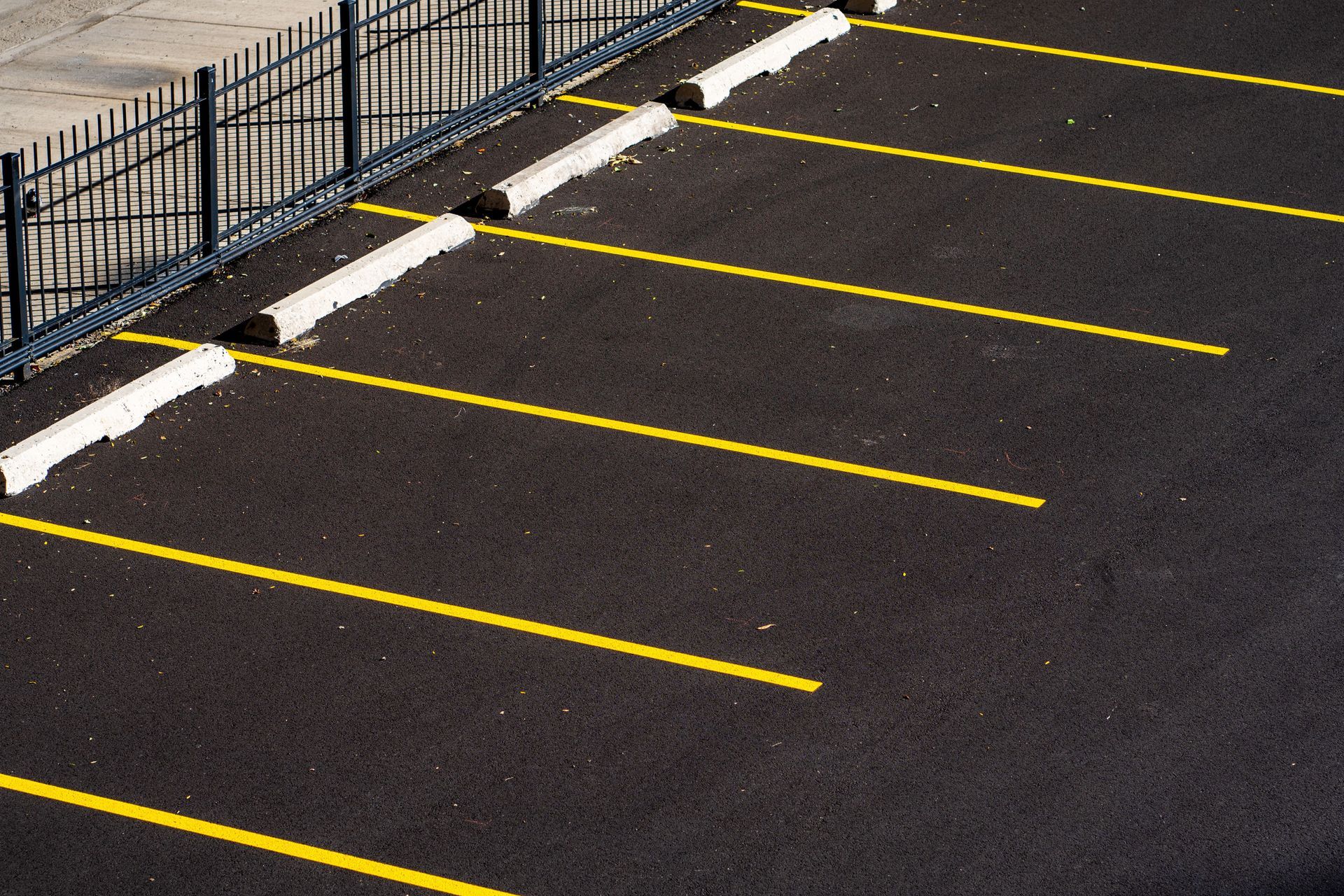
For commercial properties, functional zones may include parking, entry routes, signage areas, snow storage, service access, and customer-facing landscape beds.
When zones are identified early, the design becomes more practical. You avoid putting delicate plants where people walk or installing hardscape where maintenance crews need access.
Use the Drawing to Choose Materials Wisely
A drawing is also where you decide how materials will work together.
You may choose decorative rock for hot, dry side yards and mulch for planted beds. You may use pavers for primary walkways and gravel for informal access paths. You may keep turf in gathering areas while converting difficult strips to lower-maintenance landscaping.
The key is consistency. Repeating materials across the property creates a more polished look. It also makes repairs and future improvements easier.
When you are considering materials, think about maintenance. Rock beds still need weed control. Mulch needs refreshing. Turf needs irrigation and mowing. Hardscape needs proper base preparation and drainage. A drawing gives you the chance to match the material to the workload you are comfortable taking on.
The Cost of Skipping a Landscape Drawing
Skipping design may feel faster, but it often creates more expensive decisions later.
Without a drawing, you may plant over irrigation lines, install hardscape where drainage should go, create beds that block views, or place shrubs where they become too large. You may also end up with inconsistent materials, wasted plant purchases, and repeated labor.
Alpine Property Services has seen projects where a property owner installed a feature first and then had to redesign around it later. The cost was not only materials. It was duplicated labor, delayed progress, and a result that did not fully solve the original problem.
A plan helps produce more accurate estimates because the contractor can see the full scope. It also helps you compare proposals more clearly and understand what should happen now versus later.
DIY Drawing vs Professional Landscape Planning
A simple DIY sketch can be helpful for small projects. You can draw the house, driveway, existing trees, major measurements, and problem areas. You can then mark potential bed shapes, paths, or planting zones.
For more complicated projects, professional planning is often worth the investment. This is especially true if you have drainage issues, irrigation needs, steep grades, a patio or retaining wall project, commercial property requirements, or a large-scale landscape refresh.
Bring photos, measurements, inspiration images, a rough budget, and a list of priorities to a planning discussion. Also include the things you do not like about the current property. Those pain points are often the best starting place.
Final Thoughts: Draw First, Build Smarter
A drawing in landscape design gives you a practical roadmap before you spend money on installation. It helps you see how plants, water, walkways, snow, lawn areas, irrigation, and outdoor spaces should work together.
For properties in Montrose and Olathe, a clear landscape drawing can help you avoid rework, reduce long-term maintenance, improve curb appeal, and build your project in manageable phases.
When you are ready to move from ideas to a practical property plan, Alpine Property Services can help you assess priorities, create a workable approach, and carry the design into installation and ongoing maintenance. Contact the team through the Alpine Property Services contact page to schedule an estimate.
Recent Posts