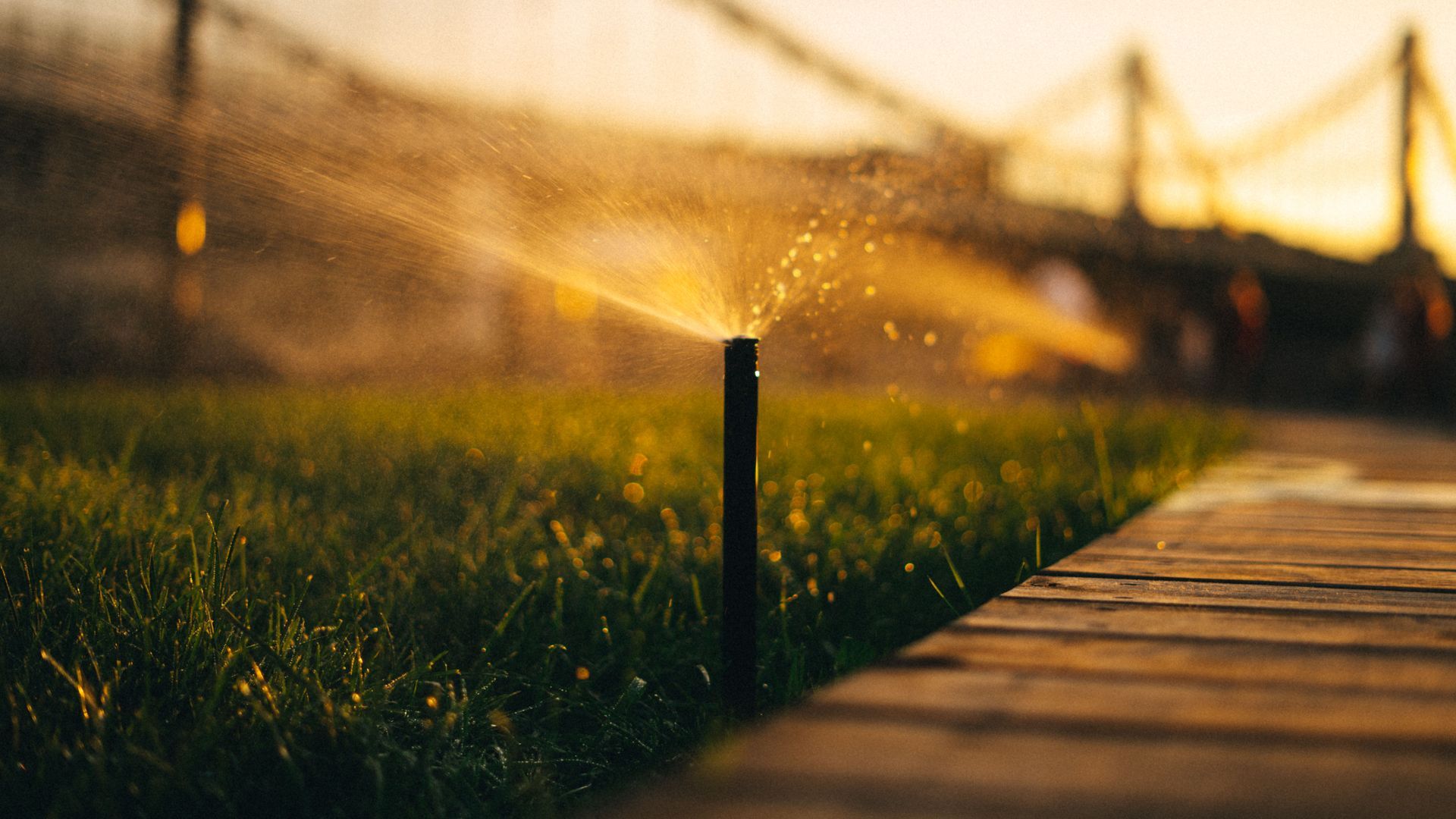
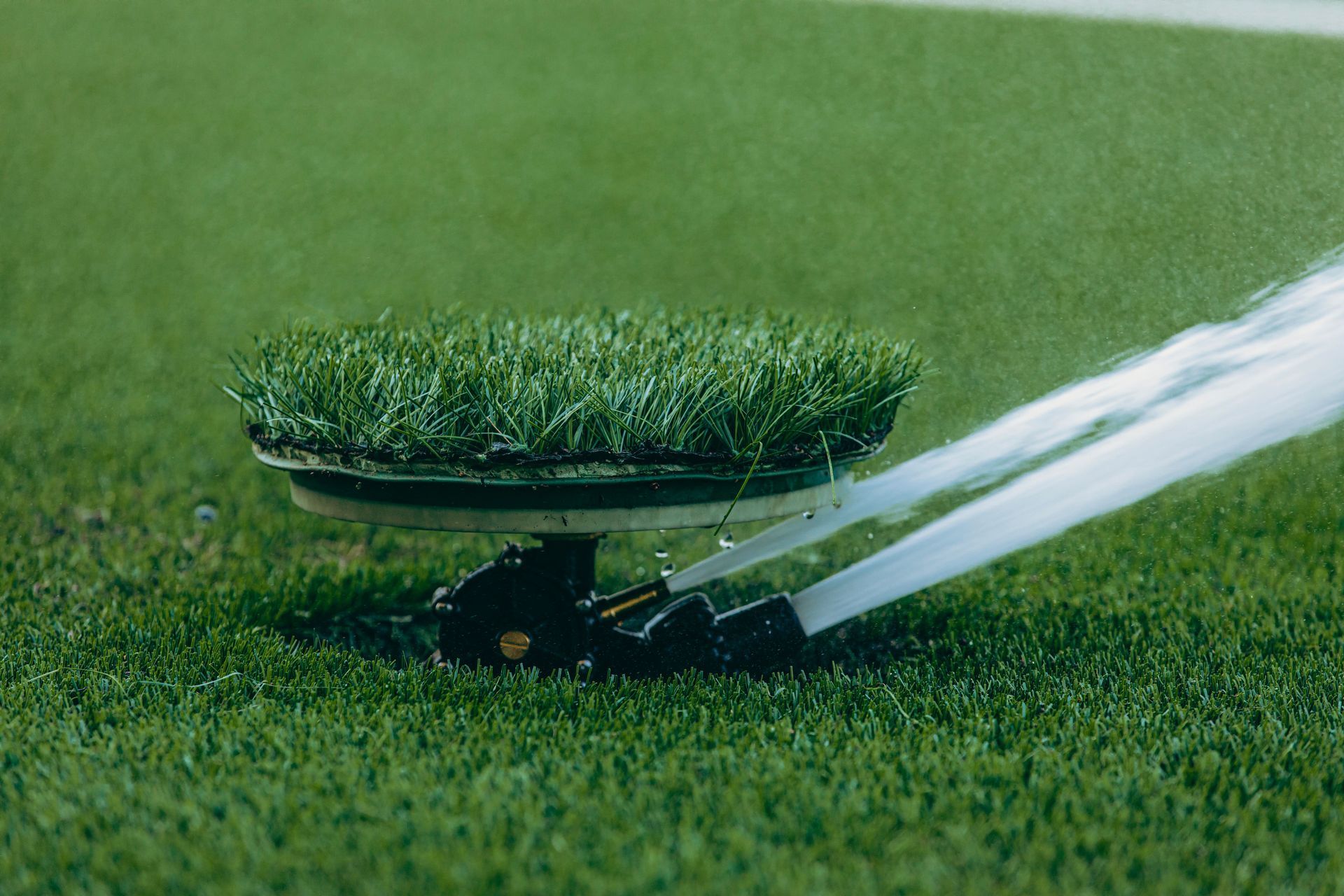
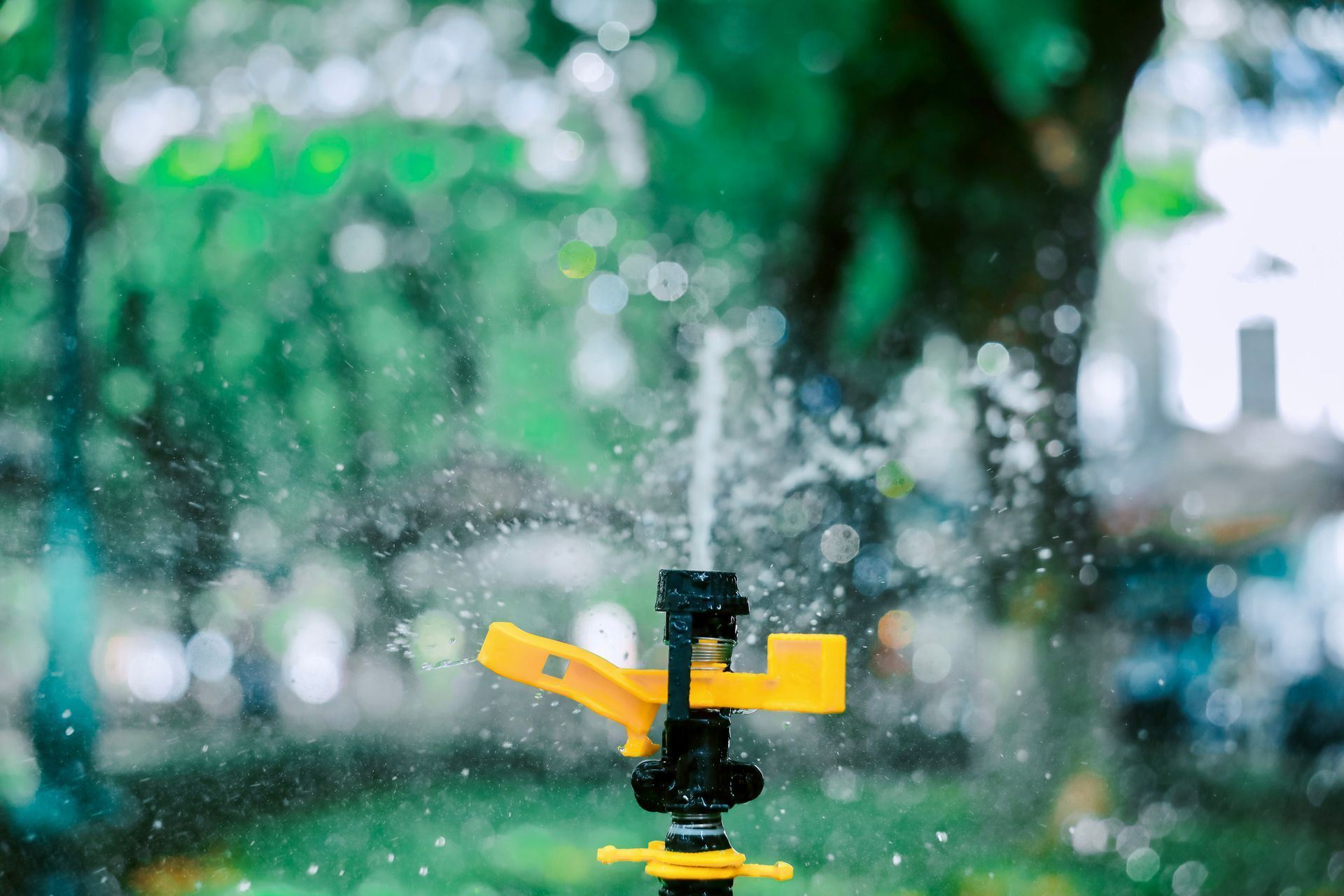
Step 1: We Evaluate the Property First
The first step is understanding the property. A good sprinkler installation starts above ground before anything is trenched.
For a residential property, that means looking at how you use the yard. Do you have kids, pets, patios, garden areas, flower beds, deck stairs, or a high-use path across the lawn? Do some areas bake in full sun while others stay shaded? Is there turf near hot asphalt, concrete, or decorative rock?
For a commercial property, the evaluation is different. You may need consistent turf near entries, clean flower beds around signs, durable irrigation near parking lots, and minimal disruption around customers, tenants, employees, and vendors.
Alpine Property Services often finds that the obvious problem is not the real problem. A dry strip beside a walkway may look like a lawn issue, but it may be a sprinkler layout issue. A soggy area near a patio may look like drainage, but it may be an overwatering zone. Evaluation keeps the project from solving the wrong problem.
Step 2: We Review Water Pressure and Flow
Water pressure and flow control how the system can be designed. If too many sprinkler heads are placed on one zone, the pressure may drop and coverage may become weak. If pressure is too high, water can mist into the air instead of landing where the lawn needs it.
Oklahoma State University Extension notes that residential water pressure is ideally about 40 to 60 psi, although it can vary significantly by location. It also explains that different irrigation equipment has different ideal operating pressures, including about 30 psi for spray heads and about 45 psi for rotors.
This matters because a sprinkler system is only as good as its ability to deliver water evenly. Pressure problems can create brown areas, overspray, wasted water, and uneven lawn color. Proper planning helps avoid those issues before the system is installed.
Step 3: We Design the Right Zones
A sprinkler zone is a section of the system that waters separately. Each zone is controlled by its own valve and should be designed around the needs of that part of the property.
University of Georgia Extension explains that zones are areas watered independently, each with its own valve and irrigation line, and it recommends separating lawn areas from flowers or shrubs.
That is important because turf, flower beds, shrubs, sunny areas, shaded areas, slopes, and narrow strips do not all need the same amount of water. If you put everything on the same schedule, one area may be dry while another is overwatered.
A well-designed sprinkler system may separate:
- Sunny lawn areas
- Shaded lawn areas
- Flower beds
- Shrubs
- Sloped areas
- Narrow side yards
- Commercial entry areas
- Turf near asphalt or concrete
- Drip irrigation areas where appropriate
This is where professional sprinkler system installation becomes especially valuable.
Good zoning makes watering more accurate and makes future maintenance easier.
Step 4: We Plan Sprinkler Head Placement Carefully
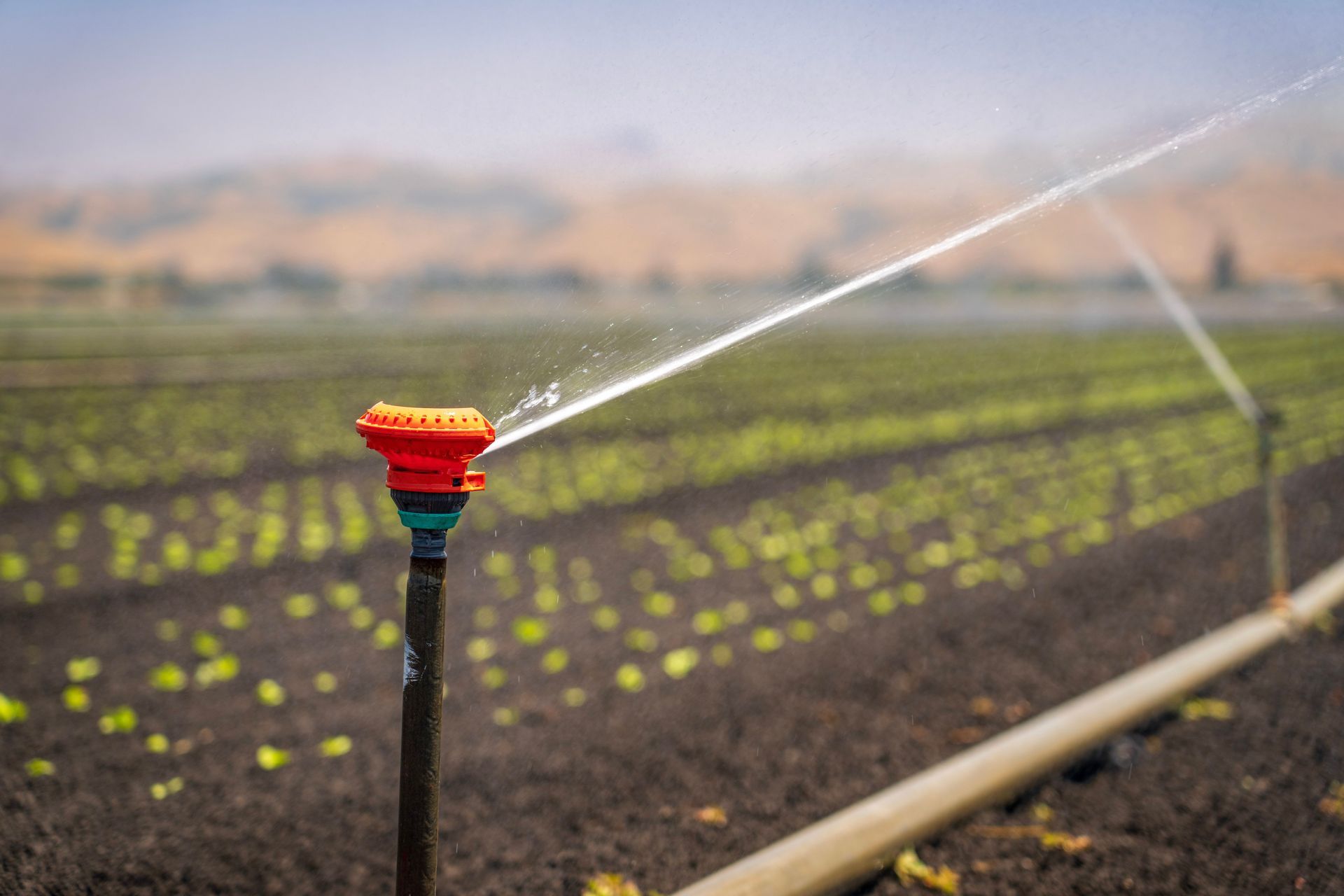
Sprinkler head placement determines whether your lawn receives even coverage or patchy coverage. Heads should be chosen and placed based on the shape of the area, pressure, spray distance, arc, plant type, and surrounding hardscapes.
Common installation mistakes include heads that are too far apart, heads that spray sidewalks, heads blocked by shrubs, wrong head types on the same zone, missed corners, and overspray onto patios, pavers, windows, driveways, or asphalt.
The University of Georgia Extension recommends asking whether a system will provide full water coverage, also called head-to-head coverage, because even coverage helps avoid dry and excessively wet areas.
For you, this means fewer brown spots, fewer soggy patches, and a lawn that looks better after mowing. It also helps protect flower beds and hardscapes from water going where it does not belong.
Step 5: We Plan Pipe Routing, Valves, and Service Access
A sprinkler system should be built for today’s property and tomorrow’s repairs. Pipe routes, valve boxes, and access points matter.
Pipes should be routed with the lawn, flower beds, patios, walkways, trees, driveways, utilities, and future improvements in mind. Valve boxes should be accessible so the system can be serviced without turning a small repair into a major search.
Alpine Property Services lists PVC pipes for new sprinkler system installations, along with irrigation installation, sprinkler installation, system design, and repair services. Clean materials, clear routing, and practical access all help make the system easier to maintain over time.
Step 6: We Address Backflow Protection
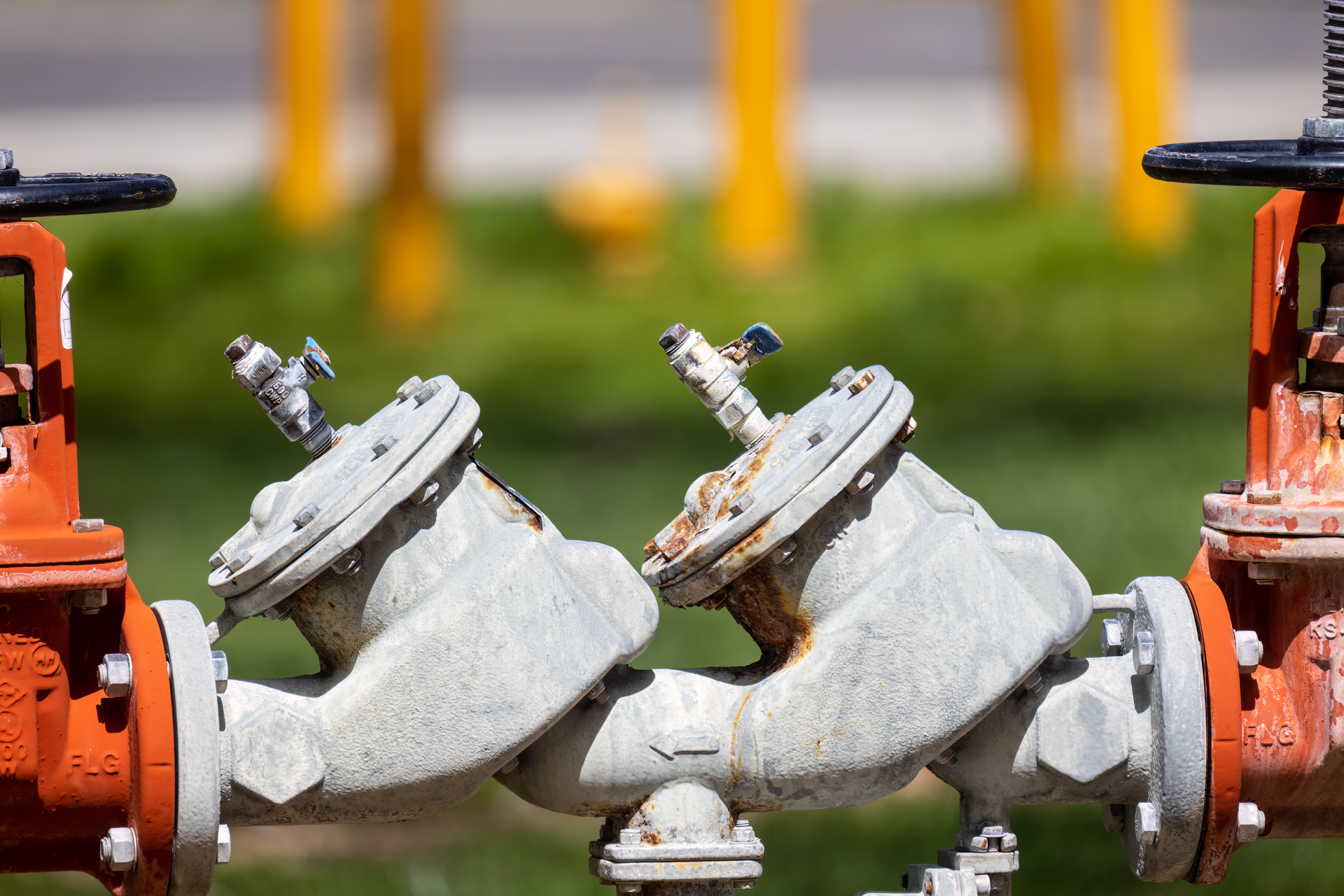
Backflow prevention is one of the most important technical parts of sprinkler system installation. In simple terms, it helps prevent irrigation water from flowing backward into the drinking water supply.
Colorado State University Extension explains that backflow prevention devices protect drinking water from contamination and states that these devices must be installed on sprinkler systems using potable water.
This is not a detail to skip or guess on. Depending on local requirements, backflow devices may need specific installation, placement, clearance, permits, or testing. A properly planned sprinkler installation should account for this before the system is active.
Step 7: We Install With Careful Trenching and Cleanup
Trenching should be done carefully because the lawn and landscape still matter during installation. Poor trenching can damage turf, beds, tree roots, hardscape edges, and access areas.
For homeowners, that means the yard should be treated with care during the installation process. For commercial properties, it also means planning around access, parking areas, walkways, tenants, business hours, and customer movement.
After pipe and heads are installed, the area should be backfilled and cleaned up properly. Some turf repair, reseeding, or lawn edge work may be needed where the ground was disturbed.
Step 8: We Install and Program the Controller
The controller is the brain of the system. It determines when each zone runs, how long it runs, and how watering changes through the season.
A good controller setup should match the actual property, not just use a generic schedule. Sunny turf may need different timing than shaded turf. Flower beds may need different watering than grass. Sloped areas may need shorter cycles to reduce runoff.
Smart controllers can be helpful, but they are not a substitute for good design. If the zones, heads, pressure, and coverage are wrong, a smart controller cannot fully fix the system.
You should also understand how to use the controller. A properly installed sprinkler system should not feel like a mystery. You should know which zones water which areas, what settings matter, and when to call for service.
Step 9: We Test, Adjust, and Fine Tune
Once the sprinkler system is installed, testing is critical. Each zone should be turned on and observed under real operating conditions.
Testing should check:
- Valve function
- Leaks
- Spray direction
- Spray distance
- Head alignment
- Overspray
- Dry corners
- Pressure problems
- Controller programming
- Runoff
- Coverage around patios, sidewalks, beds, and asphalt
Even a good design may need final adjustment. Heads may need to be turned, nozzles may need to be changed, and run times may need to be adjusted once the system is running.
Step 10: We Plan for Maintenance and Winterization
A sprinkler system is not finished forever after installation. Heads can shift, nozzles can clog, valves can wear, controllers may need seasonal changes, and landscaping can grow into spray patterns.
Spring startup should include checking for leaks, clogged nozzles, broken heads, winter damage, and controller settings. Summer inspections help catch dry spots and overspray before the lawn suffers. Fall winterization is critical in cold climates because frozen water can damage system components.
Colorado State University Extension notes that backflow prevention devices can be damaged by freezing if they are not drained of water. This is why sprinkler systems should be part of a year-round exterior maintenance plan, not just a spring installation project.
How Sprinkler Systems Support the Whole Property
A properly installed sprinkler system supports more than turf. It helps flower beds stay healthy, reduces weeds caused by weak grass, supports reseeding and lawn repair, and protects curb appeal.
It also affects hardscapes. Overspray onto patios, pavers, sidewalks, and asphalt can create staining, runoff, slippery surfaces, and wasted water. Poor sprinkler placement near driveways or parking lots can contribute to messy edges and unnecessary water exposure.
For properties with water features, patios, decks, and outdoor living areas, irrigation needs to be planned around how people use the space. You want healthy plants and turf without spraying seating areas, flooding paver edges, or creating muddy transitions.