Commercial Property Maintenance in Montrose, Colorado: A Year-Round Planning Guide

Admin • August 28, 2026

Share this article

This guide was prepared for APS Alpine Property Services and is intended as a planning resource for local property managers.


Commercial property maintenance in Montrose, Colorado is not just a groundskeeping task. Pavement, parking-lot markings, snow storage, irrigation, drainage, and landscaping all affect how tenants, customers, employees, and delivery drivers move through a site.


On the Western Slope, the maintenance calendar has to account for winter snow and refreeze, dry and windy irrigation conditions, pavement exposed to sun and temperature swings, and short windows for some exterior work. A property runs better when those systems are planned together instead of handled as unrelated service calls.


Where the Property Is Already Vulnerable


Start with a walk of the property. Photograph pavement cracks, water that lingers after a storm, broken curbs, fading stripes, uneven walking areas, damaged irrigation heads, and landscaping that is affecting visibility or access. Mark entrances, accessible routes, fire lanes, delivery areas, drainage inlets, and likely snow-storage zones on one site map.


The same issue can have different consequences depending on where it occurs. A small crack in a low-traffic corner may be a monitoring item; a deteriorating section beside a delivery route could need immediate attention. Water at a front entrance poses a different risk than water at the edge of a planting bed. Keeping dated photos and notes makes it easier to decide what belongs in the current budget and what can wait.


Pavement Problems Often Start With Water


Cracks give water a path into asphalt. Once that happens, vehicle loads, sun exposure, and freeze-thaw movement can accelerate the damage. Cleaning, crack treatment, patching, sealcoating, and repair serve different purposes, so surface condition should guide the work rather than a fixed interval. A local asphalt-maintenance service page is available for property managers who need a detailed service scope.


Restriping is a good time to reassess how traffic moves through the lot. Check crosswalk visibility, curb ramps, accessible spaces, and wayfinding before painting new lines. The U.S. Department of Justice’s accessible-parking guidance covers marked access aisles, signs, and accessible routes. If the layout needs a refresh after pavement work, a detailed parking-lot-painting service scope is also available.


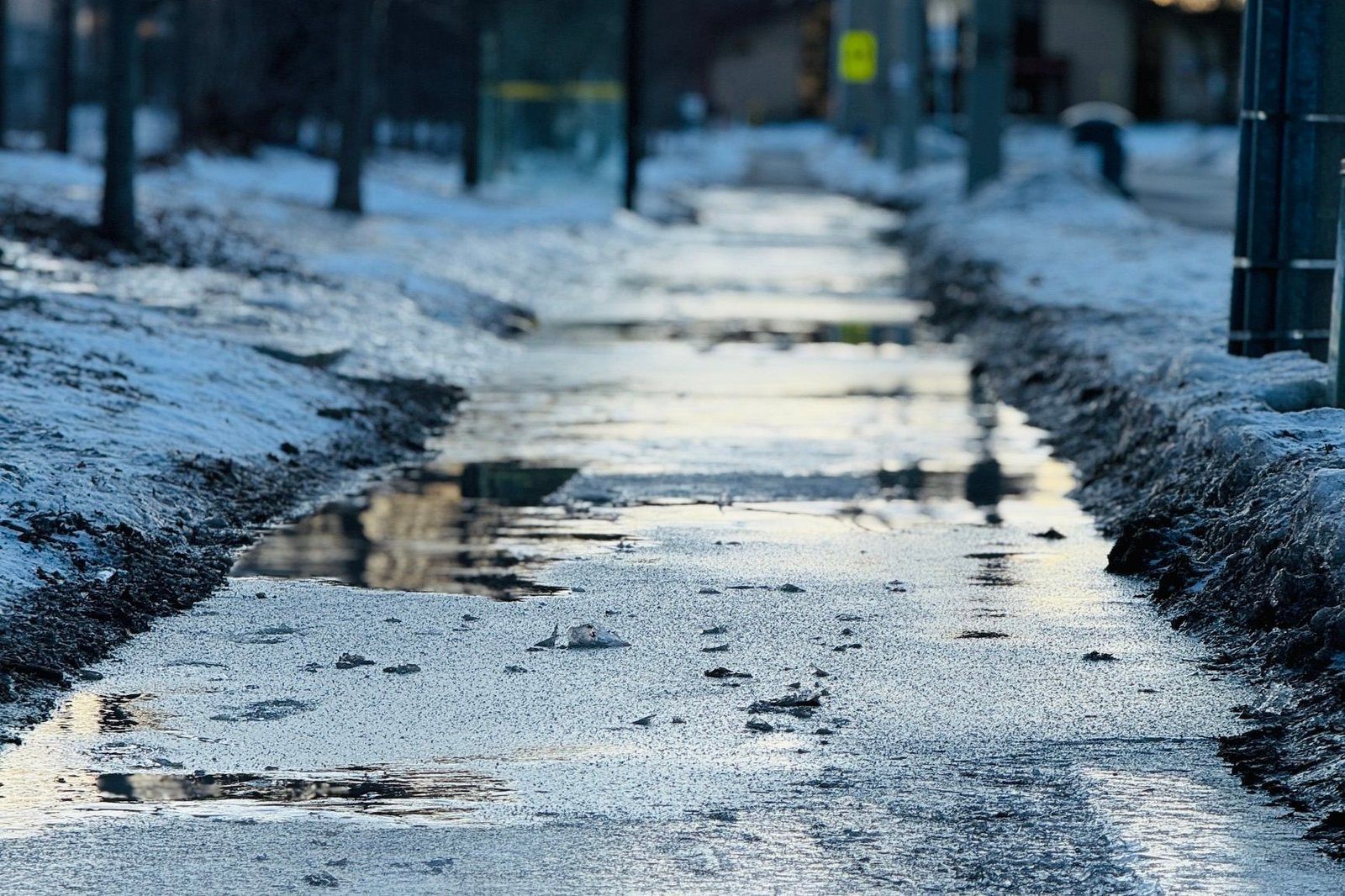
Keep drainage on the same map. Inlets, curb lines, low spots, and drainage paths should stay visible to the people maintaining the site. A surface that looks fine in July can become a refreeze problem when meltwater crosses a pedestrian route in January.


Snow Storage Is a Drainage and Access Decision


Do not leave snow placement to the first storm. Identify the areas that must remain open, including entrances, accessible routes, fire lanes, dumpster access, and loading areas. Then choose storage locations that will not block sightlines, cover a drain, narrow a travel lane, or create a meltwater problem later in the season.


The City of Montrose’s snow-removal guidance states that snow cleared from private property must remain on private property and cannot obstruct sidewalks, streets, emergency access, or roadway drainage. It also links to the current sidewalk-clearing requirements and snow-removal maps.


A site plan works best when it names the priority areas and the communication path. The Snow & Ice Management Association recommends preseason site walks, defined levels of service, equipment preparation, and clear communication among the people involved.


Review the plan after any new striping, drainage work, sign change, or access change.


Irrigation Changes With Weather and Site Use


Grounds maintenance affects operations as well as curb appeal. Shrubs can interfere with sightlines. Debris can block a drainage path. A poorly placed irrigation head can spray a sidewalk or parking area. Maintenance should address those problems as they appear, rather than follow a routine that no longer fits the property.


Inspect irrigation zones for leaks, dry areas, overspray, tilted heads, damaged valves, and controller settings that no longer match the weather. The City of Montrose’s water-conservation guidance recommends adjusting outdoor water use for wind, heat, soil conditions, temperature, and precipitation. Colorado State University Extension adds that irrigation zones should align with plant water needs and that uniform coverage helps reduce runoff and waste.


Spring start-up and fall winterization are logical inspection points, but weather—not the calendar alone—should determine the exact timing. A local irrigation service scope can help managers define the work they need.


Seasonal Planning Framework


Use this calendar to assign work to the season where it makes sense. Shift the order when weather, occupancy, material requirements, or an active site issue makes another sequence safer or more practical.

A diagram for property management
Season Review First Plan or Complete Watch For
Spring Winter pavement damage, drainage paths, irrigation components, and landscape cleanup Address priority defects, start and adjust irrigation, clean beds, and schedule weather-appropriate pavement work Snowmelt-related ponding and projects that need to be completed before summer demand
Summer Surface condition, striping visibility, turf health, and irrigation coverage Complete suitable sealing, repair, striping, mowing, trimming, and irrigation adjustments Traffic control, cure time, overspray, and disruptions to tenants, customers, or deliveries
Fall Leaves and debris, final pavement condition, irrigation shutdown, and winter-site layout Winterize irrigation, clear drainage paths, inspect accessible routes, and confirm snow priorities Changes to signs, curbs, drainage, or access that could affect winter operations
Winter Snow accumulation, ice risk, refreeze areas, pedestrian routes, and post-storm conditions Maintain priority entrances, accessible routes, fire lanes, and drainage paths Snow piles that obstruct sightlines, inlets, emergency access, or pedestrian areas

What a Maintenance Scope Should Make Clear


Property size is only one cost factor. Existing damage, access, materials, preparation, traffic control, and seasonal timing all influence a proposal. A large lot with drainage issues is not comparable to a smaller lot that only needs a striping refresh.


Ask contractors to describe the work in enough detail that you can compare it. What will be inspected? What preparation is included? How will the work area stay accessible? Which site conditions could change the price? If pavement, irrigation, grounds, and snow are handled by separate vendors, keep their work on one shared calendar. It prevents fresh pavement from being disturbed by a later irrigation repair and keeps snow-storage decisions from creating the next season’s drainage issue.


Good records make it easier to explain what has been completed, what needs attention next, and when a recurring issue needs a different scope rather than another temporary fix.


Recent Posts

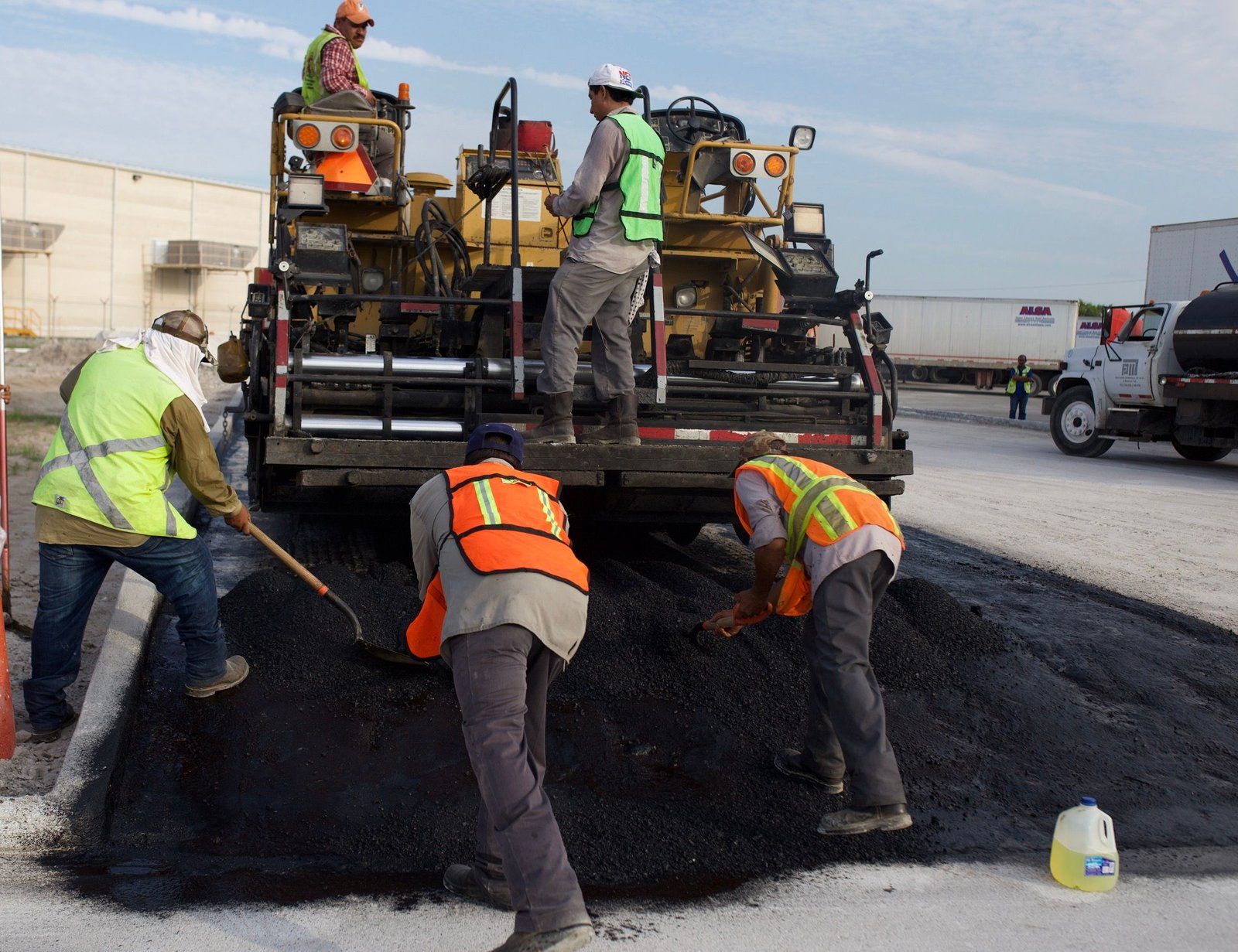
Paving crew spreading fresh asphalt behind a paver in a commercial lot beside a warehouse
By Admin • October 29, 2026
What does it cost to pave a parking lot? See general national ranges per square foot, the scope that fits your lot, and how to compare paving bids.
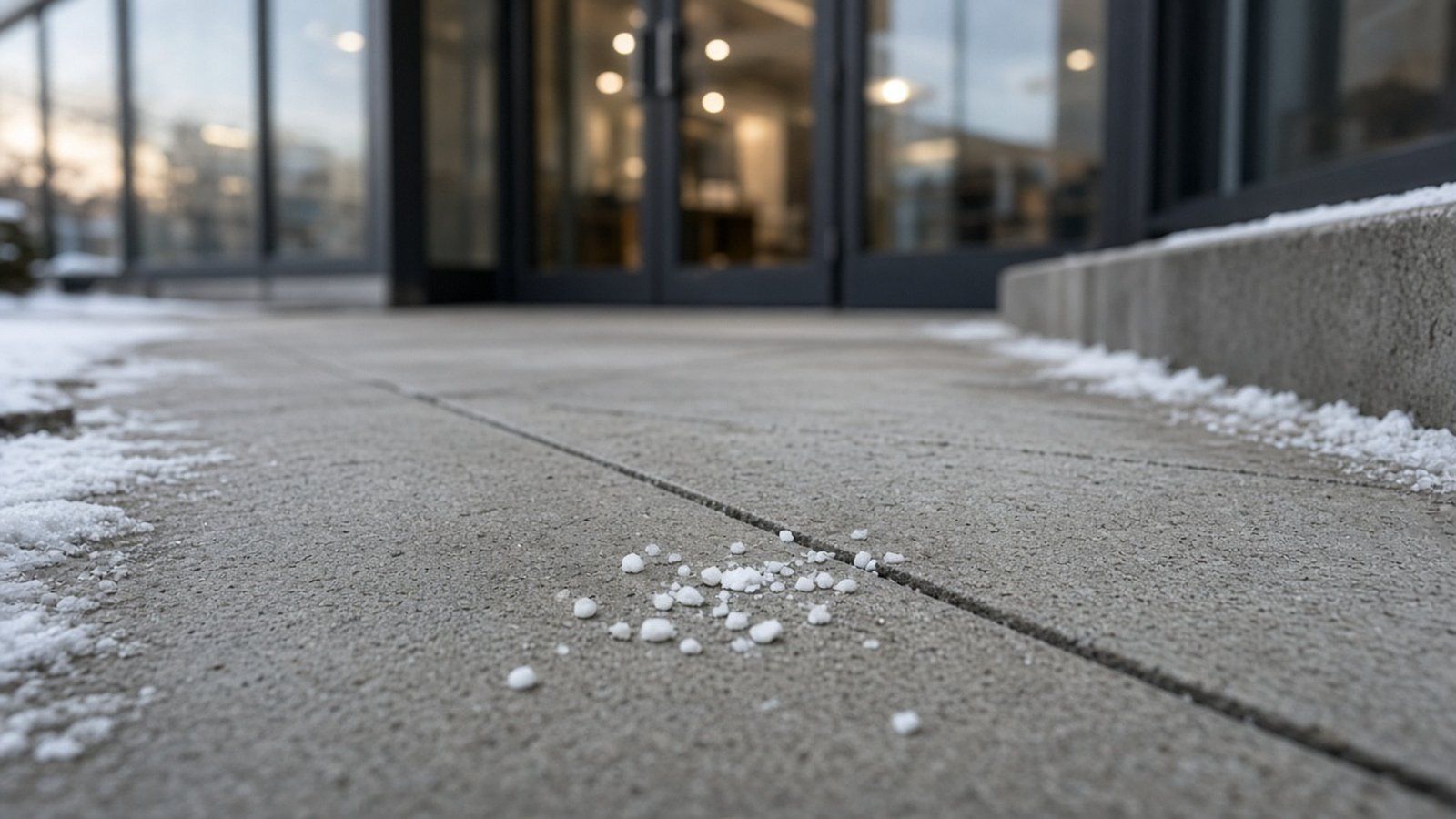
Ice melt granules on a concrete entry walk near a control joint, glass entrance blurred behind
By Admin • October 26, 2026
Ice melt can speed up scaling on concrete walks and entries. Learn which deicers concrete groups warn about, why first winters matter, and how to limit wear.
Property manager in a winter coat holding a clipboard outdoors on a cold day to review snow bids
By Admin • October 26, 2026
Compare commercial snow removal pricing: per push, per event, seasonal, and hourly bids, fee modifiers, and how to budget a Western Colorado winter.
Plowed commercial parking lot with snow piled along its edge and a large building behind
By Admin • October 24, 2026
Plan parking lot snow removal before winter: plow order, where snow piles go, keeping ADA stalls and drive lanes clear, and the lot map that ties it together.
Dandelion in a lawn with fallen autumn leaves, the kind of perennial weed fall treatments target
By Admin • October 23, 2026
Fall weed control works because perennial weeds pull energy to their roots. Learn the timing, conditions, and frost limits for Western Colorado properties.
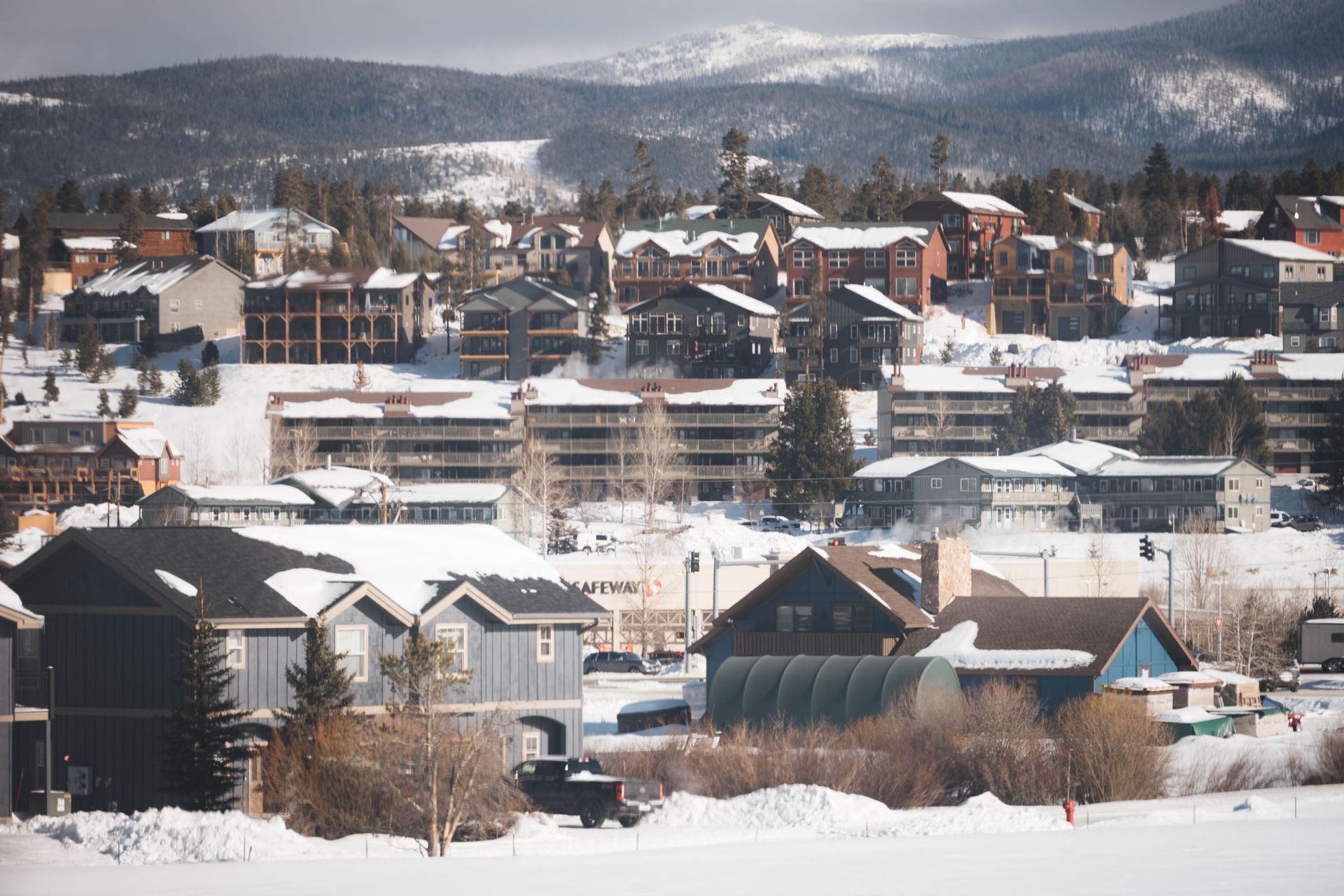
Snow-covered townhomes and condos in a Colorado mountain town on a clear winter day
By Admin • October 22, 2026
Who clears what in an HOA after a storm? Map common areas, private streets, sidewalks and owner areas, plus Montrose sidewalk rules and a winter scope.
Glazed ice and meltwater on a cleared walkway between plowed snowbanks at dusk
By Admin • October 8, 2026
Learn where ice forms on commercial properties, how anti-icing and de-icing differ, and how to stay ahead of refreeze this winter in Western Colorado.
Cleared mountain parking lot with cars parked beside plowed snow banks below a snow-capped peak
By Admin • October 6, 2026
Learn what commercial snow removal covers, how to plan plow and de-icing levels, and what to confirm before winter on Western Colorado properties.
Worker patching weathered asphalt pavement with fresh black repair material
By Admin • October 1, 2026
Learn how to spot parking lot repair needs, compare patching with bigger fixes, and plan the work before Western Colorado freeze-thaw season arrives.
Freshly sealcoated asphalt parking lot with bright yellow striping before winter
By Admin • September 30, 2026
Learn what asphalt sealcoating protects, when a driveway or parking lot is a good candidate, and how to plan fall work before Western Colorado freeze-thaw.
Show More