What Affects Sprinkler System Repair Cost (and When to Call a Pro)

Admin • September 8, 2026

Share this article

It is early July on the Western Slope. A sprinkler zone hisses across a lawn that still shows a crisp brown wedge near the curb. A block away, a head mists the sidewalk more than the grass. Somewhere else in town, a strip of ground by a driveway stays soggy no matter how many dry days pass. You have watched it for a week or two, and now you are wondering what this is going to cost.


Sprinkler system repair cost is not a single number. It is the sum of what broke, how hard it is to find, how much digging it takes to reach, which parts your system needs, and when in the season you are calling. This guide walks through those factors so you can map your symptoms to the work involved, decide what you can handle yourself, and recognize when a professional is the smarter spend.


This article is general planning information. It is not a substitute for a written contract, manufacturer instructions, or local ordinance and utility requirements where they apply.


Warning signs that usually show up before the bill


Symptoms are clues about complexity, and they tend to sort themselves into rough tiers:


  • One dry spot, or a head misting the sidewalk. Usually a clogged nozzle, a broken sprinkler head, or a simple arc adjustment. Often the accessible end of the scale.
  • A zone that will not start, or will not shut off. Points to the valve, its solenoid, or the wiring that controls it. Sprinkler valve repair means working in valve boxes and tracing wires, so the job grows.
  • Soft ground, a climbing water bill, or a wet strip that never dries. Classic signs of a sprinkler leak in a line. The failed fitting may be small. The cost lives in tracing the leak and reaching it.
  • Skipped zones or a controller that seems confused. Could be programming. Could be hardware. Sorting out which is part of the work.


One caution: symptoms overlap. A dry spot can be a nozzle, a valve, a line leak, or plain turf stress with nothing wrong mechanically. If the pattern points toward turf health rather than hydraulics, our turf and weed control services page covers that side of the picture. Misdiagnosis is one of the most common ways a small job becomes an expensive one, because you pay for parts that were not the problem.


What goes into sprinkler system repair cost


How much does it cost to fix a sprinkler system? The honest answer is that it depends on the following factors, in roughly this order of influence.


Type of failure (parts and complexity)


Spray heads and rotor nozzles are small, visible, threaded parts: the simplest tier. Valves, solenoids, wiring, and controllers form a middle tier that involves electrical diagnosis and box work.


Laterals, the mainline, and backflow assemblies form the involved tier. The further a failure sits from the surface, or the more zones it affects, the more the job involves.


System size, zones, and layout


More zones and longer pipe runs mean more ground to inspect, more valve boxes, and more places a fault can hide. A six-zone residential yard is a different diagnostic picture than a twenty-zone HOA entrance with beds, slopes, and a long mainline. If you manage commercial property or common areas, add coordination: which sections can be down, when, and how crews access them.


Diagnosis time for hidden problems


Swapping a broken head you can see is quick. Explaining why zone five loses pressure means isolating sections, testing valves, and watching flow. Leak tracing is the classic example, because water surfaces where it wants to, not where the break is.


Diagnosis is skilled labor, and it is often the biggest variable in the final number.


Excavation and site restoration


The plastic fitting that failed may be inexpensive. Getting to it can dominate the labor. Depth matters, and so do roots, compacted soil, and proximity to hardscape edges, where careful hand digging replaces a faster approach. Then there is putting things back: turf saved and replaced, soil raked, site cleaned. A good crew treats restoration as part of the repair, not an afterthought. If a repair leaves lawn or beds needing attention afterward, our landscaping services cover that follow-up work.


Parts, brands, and system age


Irrigation parts are not one-size-fits-all. Nozzles carry matched precipitation rates so heads in a zone apply water at consistent rates. Mixing head or nozzle types can leave dry spots and soggy ones even when everything technically runs. Both Rain Bird and Hunter publish support guidance on matching and replacing their products, and it is worth reading before buying parts. Age matters too: older systems may need adapters or substitutions when original parts are discontinued, which adds fittings and time.


Travel, timing, and seasonal demand


Spring startup and mid-summer heat are the busy windows, when systems either wake up with problems or get stressed into failure. Distance is a real factor as well. A property an hour up a drainage is a different logistical picture than one in town. None of this is cause for panic, but if you suspect a leak, earlier calls tend to be easier calls.


Why high-country repairs often look different

Freeze-and-thaw as a cost driver

Winters here do their own diagnostics in spring. Water left in exposed assemblies, stressed fittings, and shallow lines can crack across freeze cycles, and those failures surface at startup. Colorado State University Extension covers winter preparation and watering in its yard and garden publications, and the pattern is consistent: systems protected in fall tend to cost less in spring. How to winterize is its own topic, and deliberately outside this repair-focused guide.

Elevation and season length

Lower-elevation valley properties often run longer, warmer seasons than higher mountain towns. Higher properties face shorter seasons, colder nights, and harsher spring transitions, which changes what fails and when. Frost calendars are not quoted here, because they vary by year, elevation, and exposure. What holds generally: the higher and colder the property, the more freeze-related repairs tend to appear.

Water quality, pressure, and soil access

Some local water carries minerals that crust nozzles and filter screens, showing up as misting, spitting, or weak patterns. Pressure can vary across a property, especially where zones climb in elevation, and both low and high pressure cause their own failures. Soil matters too: digging compacted or rocky ground simply takes longer than digging loose valley loam. Your local conditions are worth describing when you report a problem.

Common repairs, ranked by complexity

Simpler: heads, nozzles, and adjustments

Clogged screens, sunken heads, wrong arcs, and spray blocked by overgrown turf are accessible fixes. Can you fix a sprinkler head yourself? Often, yes. A like-for-like head swap following manufacturer instructions is within reach for many owners. Shut the zone down first and keep track of the parts you remove.

Moderate: valves, wiring, and controllers

Valves fail in characteristic ways: a diaphragm that will not seat, a solenoid that will not actuate, debris in the body. Wiring faults show up as zones that run when they should not, or never run at all, and corroded splices in wet boxes are a common culprit. Controllers add a decision point: sometimes the fix is reprogramming, sometimes replacement, and telling the difference requires checking the rest of the system first.

Involved: line leaks, mainline work, and backflow devices

This is where cost rises quickly, and rightly. Lateral and mainline leaks require tracing, excavation, and pressure isolation. Backflow prevention assemblies sit between your irrigation system and the drinking water supply, which makes them safety devices, not conveniences. Their testing and repair rules vary by jurisdiction, and that work belongs with someone qualified under your local requirements. If a job is heading this direction, our irrigation services page describes how we approach system work.

DIY sprinkler repair vs calling a pro

What many owners can handle

Cleaning a filter screen, adjusting an arc with the proper tool, raising a sunken head, and swapping an identical head are reasonable weekend tasks when you follow the manufacturer's instructions.

When professional help is the smarter spend

Persistent leaks, valve manifolds, electrical troubleshooting, mainline breaks, anything touching backflow or cross-connection control, pressure and slope problems that never balance, and multi-zone commercial systems where one mistake affects tenants or a water budget. In these cases, diagnosis is the product. You are paying for the experience it takes to find the fault in an hour instead of a weekend.

Locate before you dig (Colorado 811)

Before any digging, including modest trenching for a line repair, utilities must be located. Colorado 811 coordinates free locates, and the service exists because shallow utilities share ground with irrigation lines more often than people assume. Call 811 or submit a request before the shovel comes out. It costs nothing, and it is required for good reason.

What a solid professional repair visit should include

This is general good practice, and a fair checklist for hiring anyone. Walk the property with you. Run every zone. Check the controller and its programming. Explain findings in plain language, including the likely root cause rather than only the symptom. Agree on scope before cutting turf. Retest after the repair. Leave the site cleaned up with reasonable restoration. Three questions worth asking any contractor: Will you locate before you dig? Can you match heads and precipitation rates on mixed zones? Will you explain the root cause? A contractor who bristles at those questions is telling you something.

Repair or replace? A practical way to decide

Most repairs make sense most of the time. Replacement logic kicks in when failures stack: recurring breaks along the same line, heads no longer available, zones that have never watered evenly no matter what you replace, controllers with no modern scheduling capability, and water waste that shows up on the bill. The EPA's WaterSense program has reported that a meaningful share of outdoor water use is lost to inefficient irrigation, though you should check its current published materials for the latest figures. Sometimes the right answer is rebuilding one problem zone rather than replacing a whole system. That is a scoping conversation that should start from your actual failure history, not a sales pitch.

How to choose a sprinkler repair company

Look for crews that work in your climate and soil routinely, because freeze behavior, elevation, and water chemistry here are specific. Ask how they diagnose before they quote parts. Ask about insurance and references. Ask specifically how they handle restoration, because a repaired line under a torn-up lawn is only half a job. The red flags are consistent anywhere: no locate before digging, pressure to replace an entire system without a diagnosis, and vague "parts and labor" talk with no explanation of either. Alpine is a family-owned company based in Montrose since 1995, with more than 50 years of combined team experience. More detail is on the about page and the irrigation page.

Talk through your repair with a local team

You do not have to diagnose that brown wedge, soggy strip, or stubborn zone alone. Call APS Alpine Property Services at (970) 765-5904, email alpinepropertyservices95@gmail.com, or visit our contact page for a free estimate. APS Alpine Property Services LLC, 340 Denny Ct, Montrose, CO 81401.


Recent Posts

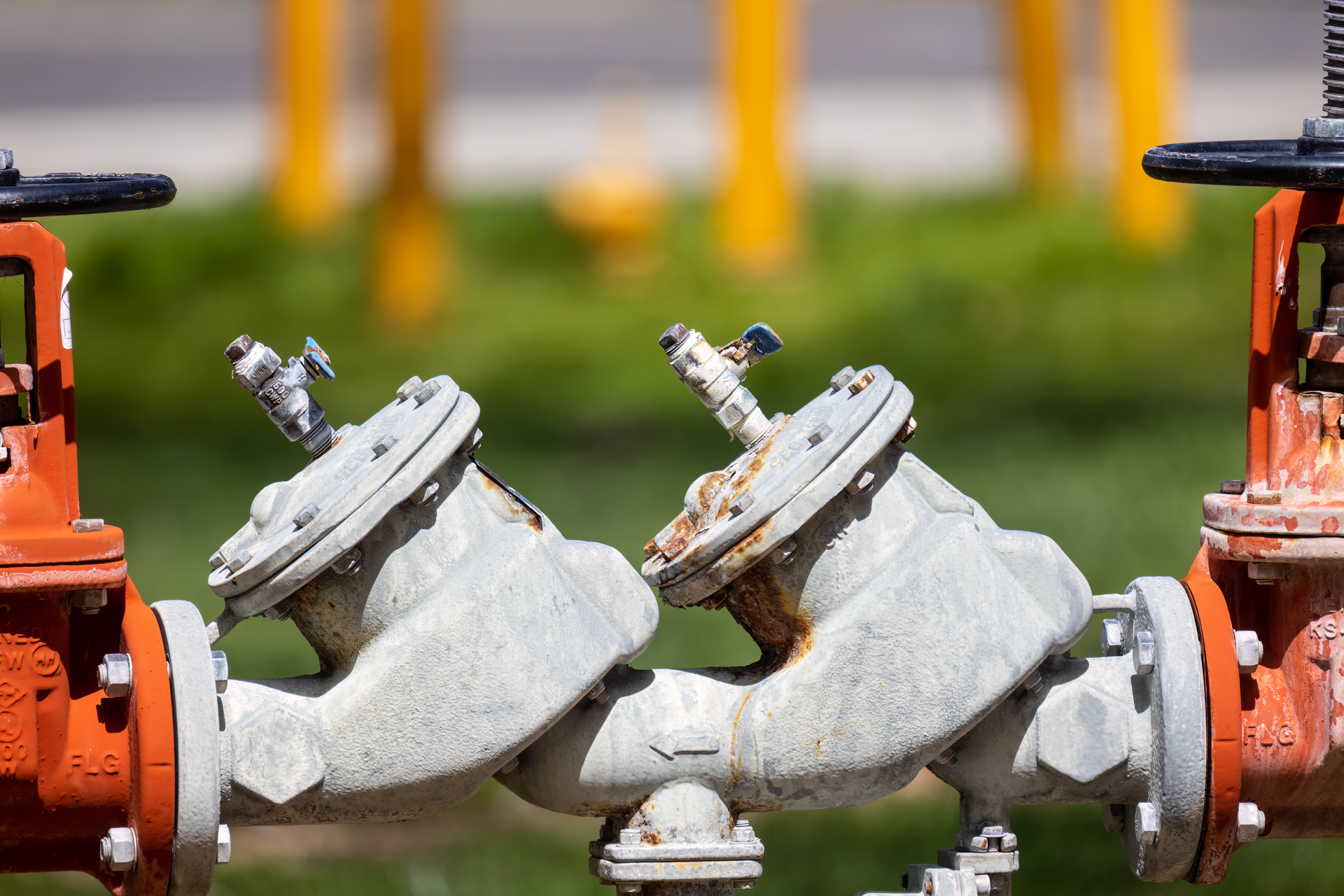
Backflow preventer valves beside irrigation piping
By Admin September 12, 2026
Learn what backflow preventer repair involves for Western Colorado irrigation systems, including symptoms, testing, freeze damage, and when to call a pro in Montrose, CO.
Sprinkler irrigation head watering a lawn for winter preparation
By Admin September 8, 2026
Learn how to winterize a sprinkler system before a hard freeze: blow-out basics, backflow cautions, cost factors, and Western Colorado timing tips.
Snowplow clearing a snow-covered street lined with trees and buildings
By Admin September 7, 2026
Learn what a snow removal contract should cover—triggers, response, de-icing, liability questions—and how to choose a winter plan in Montrose, CO.
Empty parking spaces with yellow lines beside a black metal fence
By Admin September 1, 2026
Learn how commercial parking lot maintenance works: condition assessment, crack sealing, sealcoating, repairs, striping, seasonal scheduling, and cost factors
Person holding unfolded papers outdoors in a suburban neighborhood, looking up at homes.
By Admin August 28, 2026
Plan year-round commercial property maintenance in Montrose, CO, with pavement, snow, drainage, irrigation, and landscaping priorities.
Close-up of a garden sprinkler head spraying water against a blurred purple and green flower field.
By Admin August 24, 2026
Sprinkler systems installed the right way. Learn how Alpine Property Services plans zones, pressure, coverage, backflow protection, and long-term irrigation care.
Two workers on ropes cleaning a turquoise and coral high-rise facade
By Admin August 20, 2026
Exterior maintenance services for homes and commercial properties, including lawn care, landscaping, irrigation, asphalt, snow removal, and cleanup.
Close-up of bright green grass blades in sunlight, with a softly blurred background.
By Admin August 14, 2026
Learn how to reseed a lawn, repair bare spots, improve turf density, reduce weeds, and strengthen your overall lawn care routine.
Flowering shrubs with red and pink blooms in a landscaped garden bed beside a white house.
By Admin August 11, 2026
Flower bed ideas for a beautiful lawn. Learn how edging, mulch, plant choice, irrigation, patios, and lawn care improve curb appeal.
Modern wooden house with large windows and a small red sign on the lawn.
By Admin August 4, 2026
Lawn care dos and don’ts for healthier grass. Learn how mowing, watering, weed control, irrigation, edging, pavers, and seasonal cleanup affect your lawn.
Show More