Shrub Trimming Service: When to Schedule and What to Expect

Admin • November 23, 2026

Share this article

You notice it first at the entry. A shrub that looked tidy in June is leaning into the walk. The hedge along the parking lot has gone loose and uneven after a dry summer and a windy fall. In the common-area bed, the lilac flowered only at the top, with a thicket of old wood underneath and almost nothing blooming lower down.


If you manage a commercial property or an HOA around Montrose, that is usually when a shrub trimming service starts to look like a real line item, not a weekend chore. The question is not only who can cut it back. It is when the cut should happen, what kind of cut the plant can take, and what should be hauled away when the work is done.


What a Shrub Trimming Service Actually Covers


A useful shrub trimming service is more than a pass with a hedge trimmer. On a typical commercial or HOA property, the work usually includes some mix of clearance (keeping walks, signs, windows, and drive-lane sightlines open), shaping (keeping a formal hedge in a line, or keeping a planted bed from swallowing the mulch and the drip line), and cleanup (removing cuttings so they do not sit on turf, walks, or in planting beds). Alpine's landscaping page lists shrub trimming and cleanup together, which is the right pairing. The cut is only half the job if the debris is left behind.


It also helps to separate two very different kinds of cutting, because they are easy to confuse.


Formal hedges are often maintained by shearing, which is the even, surface-level cut that creates a flat face or a boxed shape. That can be the right look for a hedge that was planted and trained for it. Flowering shrubs are a different case. Colorado State University Extension's guidance on pruning flowering shrubs notes that the main goal is usually to encourage new flowering growth from the base, which is better done by thinning older wood or, on some overgrown plants, by a more complete renewal. The same CSU page shows how fall shearing of a spring-flowering lilac can strip off the wood that would have carried next spring's blooms. A crew that shears every shrub the same way may leave you with a neat outline and a disappointing flower season.


A good conversation, then, starts with what you want the planting to do. Is this a formal hedge that should hold a line? A flowering shrub that should bloom? An overgrown mass that is blocking a walk? The answer changes the work, and it should change the timing.


When to Schedule a Shrub Trimming Service


On the Western Slope, the calendar matters more than it first appears. A cut that would be harmless in March can cost you a spring bloom if it happens in November. The timing guidance below comes from CSU Extension and PlantTalk Colorado. It is planning information, not a warranty and not a fixed Alpine calendar. Individual plants, site exposure, and the job you actually want (light shaping versus renewal) will still decide the right window.


Spring-flowering shrubs


Lilacs, forsythia, viburnum, honeysuckle, weigela, and several related spring bloomers set their flower buds on wood that grew the previous summer. CSU Extension explains that those buds develop from midsummer through fall, overwinter, and open the following spring. Thinning can be done in early spring before growth starts, or thinning and renewal can be done right after the shrub finishes blooming. Pruning those plants in the fall and winter, according to the same guidance, removes wood that already holds next year's flower buds.


PlantTalk Colorado's pruning-shrubs note makes the same point in shorter form: lilac and forsythia can be pruned just after they bloom, and waiting later in the season can cost you the next year's flowers. If your entry planting is a spring bloomer, a late-fall "get it cleaned up before winter" trim is often the wrong kind of help.


Summer-flowering shrubs


Potentilla, blue mist spirea, butterfly bush, Japanese or Bumald spirea, rose of Sharon, and some hydrangeas bloom on new wood that grows in the current season. CSU Extension says these can be thinned or renewed in early spring, before growth starts. PlantTalk gives the same early-spring window for Bumald and blue-mist spirea and hydrangea.


That is why a late-winter conversation can be the right time to book the work, even if the beds still look dormant. The plant has not yet pushed the wood it will bloom on, so a thoughtful thinning now is less likely to steal the summer display.


Hedge trimming sits in a slightly different bucket. A formal hedge may need periodic shearing to hold a line through the growing season, and that is a legitimate part of a shrub or hedge trimming service. The caution from CSU is not "never shear." It is that shearing a spring-flowering shrub as if it were a formal hedge, especially in the fall, can cost you the buds. If your property has both hedges and flowering shrubs, the schedule and the cutting method should be allowed to differ from bed to bed.


Overgrown shrubs and renewal work


Some plantings do not need a light trim. They need older wood taken out so new stems can come from the base. PlantTalk describes renewal pruning as removing about one-third of the oldest stems, cut as low to the ground as possible, and says this is easiest in the winter months. A companion PlantTalk note on renewing shrubs points to January through mid-March as the best time for that approach, and it suggests spreading the work over three seasons: one-third of the oldest stems this year, another third the next year, and the rest the year after. Removing too much at once can leave a shrub leggy, with the remaining growth falling over.


Full rejuvenation, meaning a much harder cut on an old, woody plant, is a different decision. CSU Extension is clear that it has limits. Spring-flowering shrubs will not bloom the year they are fully rejuvenated. Some shrubs that grow more like small trees, and lilacs grafted onto a different rootstock, should not be cut to the ground. Extremely woody plants, or shrubs with many dead branches, may not bounce back, and replacement can be the more honest option. None of that is a reason to avoid the conversation. It is a reason to walk the bed and talk about the plant in front of you, not to assume every overgrown shrub gets the same treatment.


Bloom habit or job When CSU and PlantTalk guidance points to Why that window matters
Spring-flowering shrubs (lilac, forsythia, viburnum, and similar) Right after they finish blooming; thinning can also be done in early spring before growth starts These plants bloom on last year's wood. Fall and winter cuts can remove the buds for next spring.
Summer-flowering shrubs (potentilla, blue mist spirea, butterfly bush, some hydrangeas, and similar) Early spring, before new growth starts They bloom on wood that grows in the current season, so a late-winter or early-spring thinning is less likely to steal the display.
Renewal of overgrown shrubs Easiest in winter; PlantTalk points to January through mid-March for this approach Oldest stems are easier to see and cut low to the ground. Guidance is to take about one-third of the oldest stems in a season, not the whole plant at once, unless a true rejuvenation is being considered.

What a Professional Visit Should Include


The best predictor of a good result is what happens before the first cut.


Someone should walk the beds with you, or at least look closely enough to tell a formal hedge from a flowering shrub, and to notice what is blocking a walk, a sign, or a drive-lane sightline. If the plant's bloom habit is not obvious, that is worth saying out loud. A crew that cannot tell you whether they are looking at a spring bloomer should not be cutting it in late fall.


The visit should also include a short discussion of the look you want. "Tidy it up" can mean a sheared hedge, a lightly shaped shrub, or a renewal cut that will look more open for a season. Those are not the same job, and they should not be priced or scheduled as if they were. This article is not a cost guide, and bid amounts vary with shrub size, how many plants are involved, how tight the access is, and whether the work is a one-time cleanup or part of ongoing care. What you can compare, even without a number, is whether two proposals describe the same kind of cut, the same plants, and whether debris removal is included.


Then the work itself should match that plan: selective cuts on shrubs that need thinning, a consistent line on hedges that are meant to be formal, and a genuine cleanup when the cutting is done. Alpine groups shrub trimming with cleanup on its landscaping services list for a reason. Cuttings left on turf, in beds, or along a walk are not a finished job.


There is also the mid-season exception. If a shrub is already in the walk, blocking a sign, or closing a sightline in July, you do not have to wait for the "ideal" window to make the property usable. Take off what is in the way, and save the deeper thinning or renewal for the season that fits the plant. A contractor who will make that distinction is easier to work with than one who treats every visit as a full haircut.


When You Can Handle It Yourself, and When to Hire


A homeowner with a few small shrubs, sharp bypass pruners, and a clear idea of what the plant is, can often handle a light touch-up. Removing a broken branch, cutting a stem off a walk, or deadheading a lilac after it blooms is reasonable work if you know what you are looking at.


The math changes on a commercial lot or an HOA common area. The plant count goes up. The material has to be hauled. The work often sits next to walks, parking, and entries that need to stay usable. An overgrown bed is also easy to make worse with a single aggressive pass, especially if spring-flowering wood is cut at the wrong time or if too many old stems come out at once. Hiring is not about making a simple task sound dangerous. It is about matching the scale of the property, the type of cut, and the timing to someone who will treat those as part of the job.


If the shrubs are only one piece of a larger grounds agreement, the better frame may be the written contract, not a one-off visit. Alpine's guide to a landscape maintenance contract covers how to spell out scope and visit expectations. This post stays on the trimming work itself.


Shrub Trimming on Commercial Lots and HOA Grounds


On a commercial property, shrub work is often less about a garden display and more about how the site functions. Branches that close in on a walk or an accessible route become a daily irritation, then a safety issue. Plantings at a driveway throat or a lot entrance can block sightlines. Hedges along a parking row collect trash and get ragged where bumpers and plow edges catch them. A scheduled trimming service is one way to keep those edges readable, as long as the timing still respects the plants.


Winter adds its own wear, even when no one is trimming. Snow piles and plow push can break branches and flatten a hedge on the edge of a lot. When the snow recedes, those damaged stems are worth noting on a spring walk, and some of the cleanup may belong in the late-winter or after-bloom window rather than in a rushed fall cut. That is an operations issue, not a reason to invent a combined snow-and-trimming package. It is simply why the same beds look different in April than they did in October.


HOA common areas add a second pressure: the planting has to look consistent from one building to the next, and the board will hear about it if a spring lilac bed is sheared bare of buds. It is fair to ask a contractor to walk a representative bed with you, name the plants they recognize, and explain whether they are proposing a shear, a thinning, or a multi-year renewal. You do not need a plant-science degree to follow that conversation. You need a clear description of the work before anyone starts cutting.


Irrigation should stay in its own lane. Alpine offers irrigation installation and repair as a separate service. Trimming around heads, valves, and drip lines is worth flagging on the walk so a cut or a boot does not create a leak. That is a coordination point, not a reason to fold irrigation work into a trimming visit unless the written scope says so.


Getting the Beds Ready


Alpine Property Services is a family-owned Montrose company serving the area since 1995, with more than 50 years of combined experience. Landscaping work includes lawn maintenance and fertilization, shrub trimming and cleanup, irrigation support, and additional landscape solutions. The company provides free estimates.


If your walks are closing in, a hedge has lost its line, or a planting needs a late-winter look before growth starts, call us at (970) 765-5904 for a free estimate, or reach us through the contact page.

Recent Posts

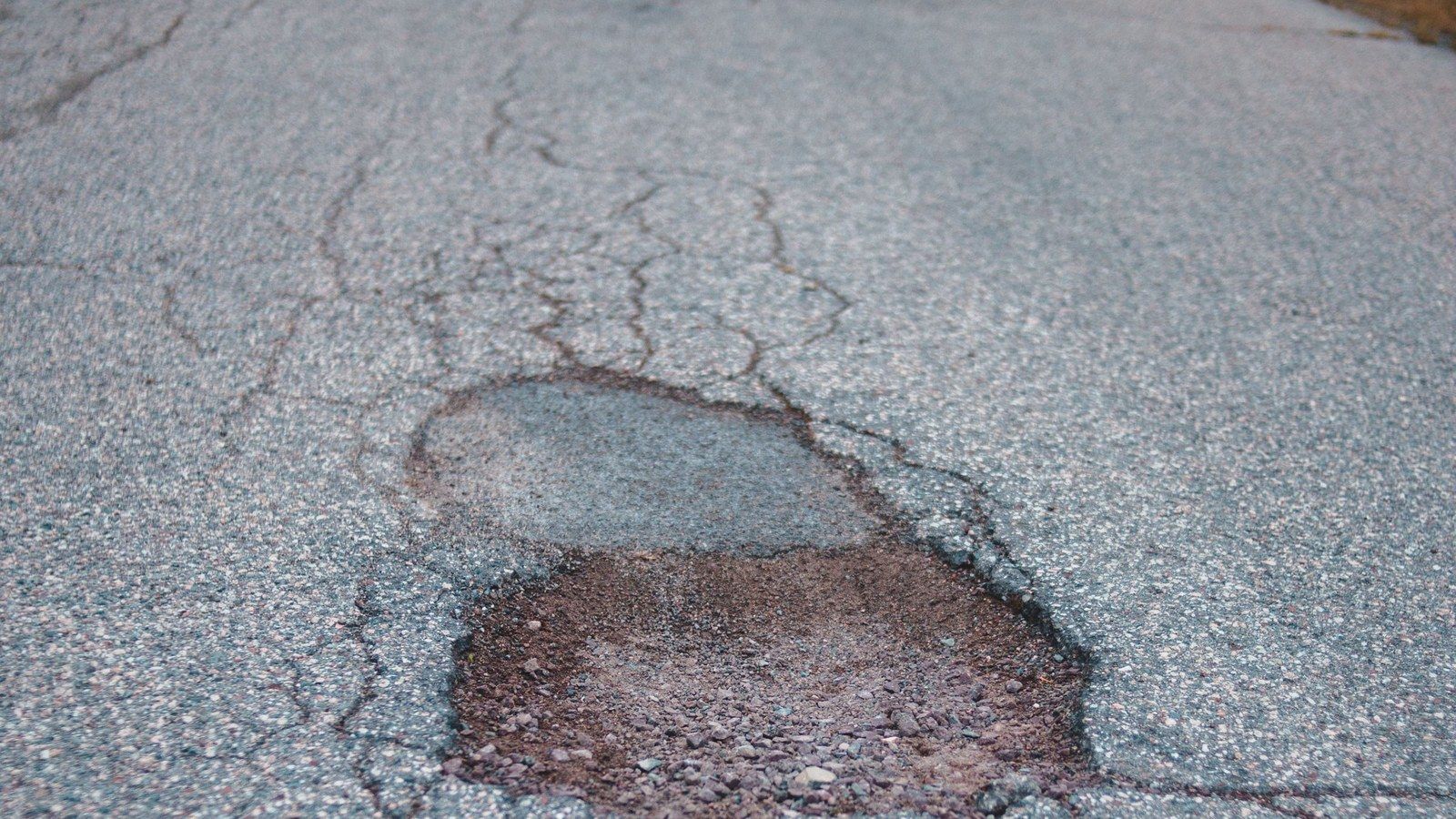
Pothole and cracking in an empty asphalt road surface.
November 26, 2026
Learn when asphalt driveway repair is enough, when a patch will not last, and what to ask before you hire the work on a Western Slope driveway.
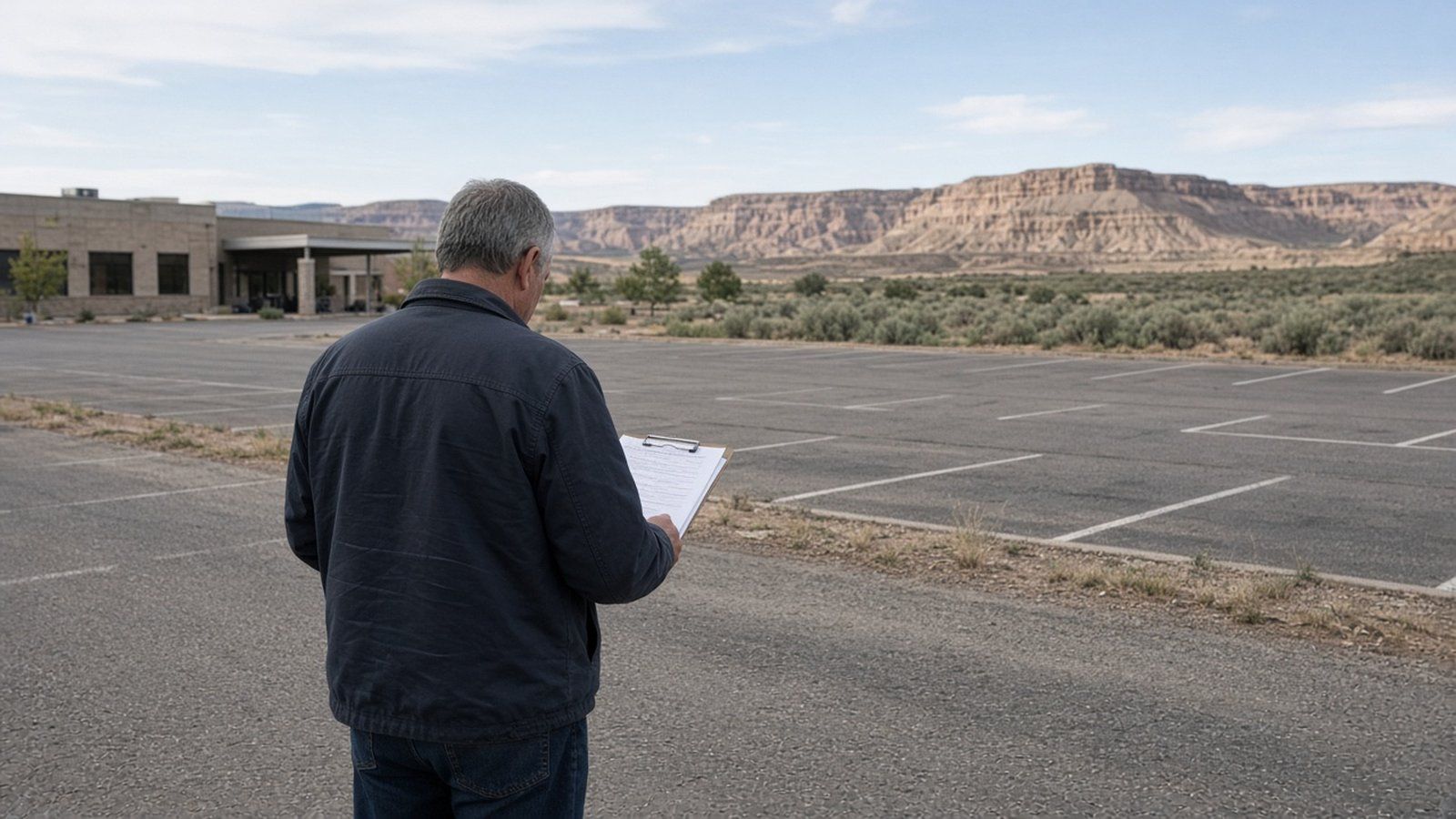
Property manager reviewing parking lot maintenance proposals at the edge of a commercial lot
November 19, 2026
How to choose parking lot maintenance companies: what a program should cover, one company versus specialists, and how to compare scopes before you hire.
Widened crack in faded asphalt with loose aggregate along the broken edges
November 16, 2026
How long does asphalt last on a Western Slope lot or driveway? See industry planning ranges, what shortens or extends life, and how to read remaining pavement life.
Brown dormant turf with leftover snow patches after a winter melt
By Admin • November 12, 2026
Salt damage on lawns often shows up at walks and lot edges. See what it looks like, what to change this winter, and how to recover turf in spring.
Black and white view of an empty asphalt parking lot with crisp white stall lines and trees
By Admin • November 9, 2026
What does parking lot striping cost? See national per-stall and line-item ranges, what drives bids, and how to compare restripe and new layout quotes.
Clean asphalt parking stalls with fresh white striping on a dark commercial lot surface
By Admin • November 6, 2026
Learn what parking lot sweeping removes, when commercial lots need it, and how it fits asphalt maintenance before Western Colorado weather turns.
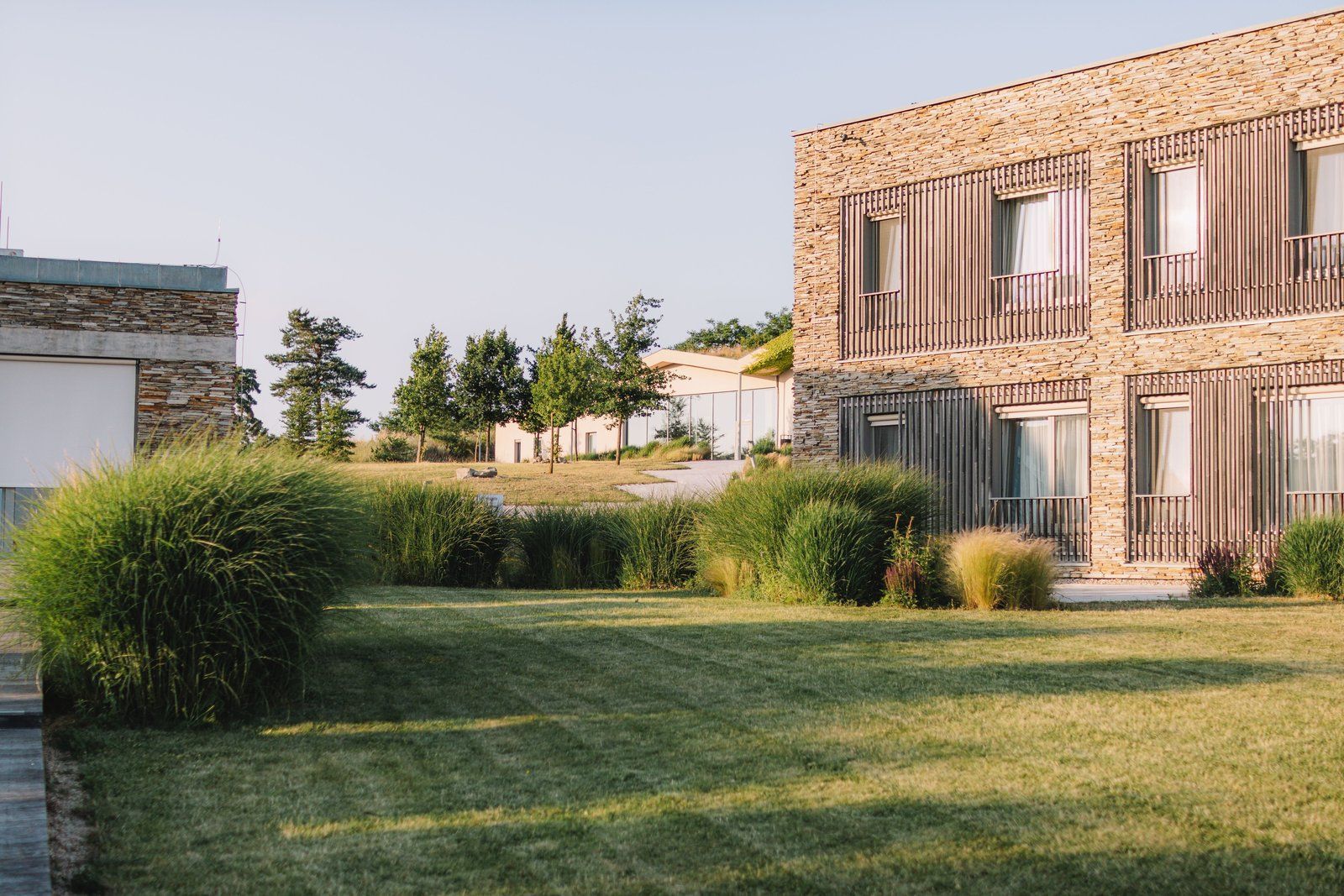
Mowed lawn and ornamental grass beds outside a stone-clad two-story building in evening light
By Admin • November 2, 2026
Rebidding grounds work? See what a landscape maintenance contract should spell out: mowing standards, irrigation repairs, extras, licensing and renewal.
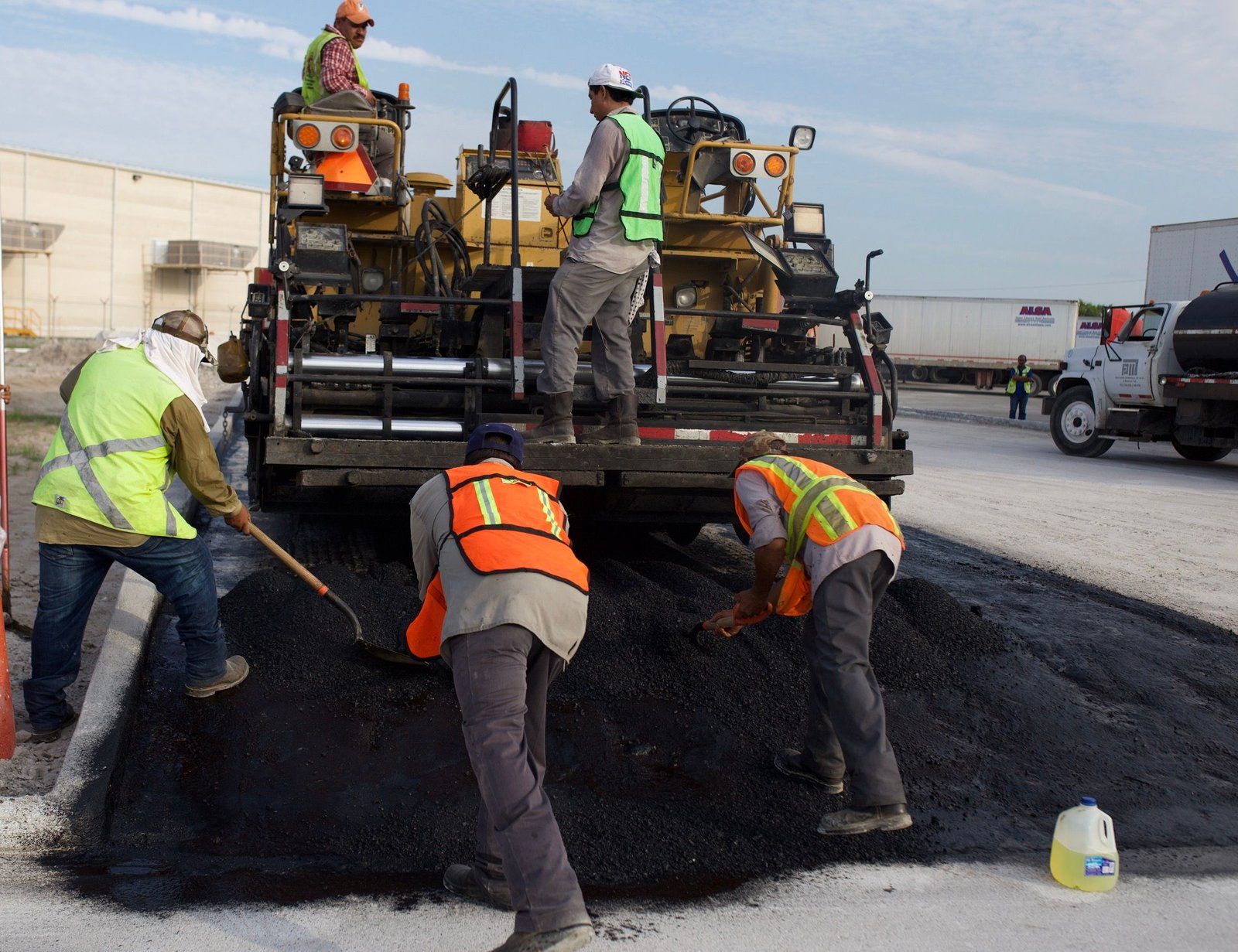
Paving crew spreading fresh asphalt behind a paver in a commercial lot beside a warehouse
By Admin • October 29, 2026
What does it cost to pave a parking lot? See general national ranges per square foot, the scope that fits your lot, and how to compare paving bids.
Ice melt granules on a concrete entry walk near a control joint, glass entrance blurred behind
By Admin • October 26, 2026
Ice melt can speed up scaling on concrete walks and entries. Learn which deicers concrete groups warn about, why first winters matter, and how to limit wear.
Property manager in a winter coat holding a clipboard outdoors on a cold day to review snow bids
By Admin • October 26, 2026
Compare commercial snow removal pricing: per push, per event, seasonal, and hourly bids, fee modifiers, and how to budget a Western Colorado winter.
Show More