How to Reseed a Lawn: How It Can Help Your Lawn Care Routine

Admin • August 14, 2026

Share this article

TL;DR

  • What does it mean to reseed a lawn? Reseeding means adding new grass seed to bare, thin, damaged, or weak lawn areas so new grass can fill in and improve the lawn’s density, appearance, and health.
  • Is reseeding the same as overseeding? They are closely related, but not always the same. Reseeding usually focuses on bare or damaged patches. Overseeding means spreading seed across an existing lawn to thicken the turf overall.
  • When is the best time to reseed a lawn? For cool-season grasses, late summer into early fall is often the strongest window because conditions are usually better for seed germination and establishment. University Extension guidance commonly points to this timing for cool-season turf.
  • Can you just throw grass seed on your lawn? You can, but it usually does not work well unless the seed reaches soil. The University of Maryland Extension states, “Good seed-to-soil contact is necessary for germination.”
  • Should you aerate before reseeding? Aeration can help when soil is compacted or seed needs better contact with the soil. The University of Maryland Extension explains that aeration creates holes where seed can fall, improving seed-to-soil contact.
  • How often should you water after reseeding? New seed needs consistent light moisture during germination. Iowa State University Extension recommends keeping the soil surface moist after seeding.
  • When can you mow after reseeding? Wait until the new grass is tall enough to cut without pulling seedlings out. Once you resume mowing, follow the one-third rule and avoid removing too much grass blade at once.
  • How does reseeding help your lawn care routine? Reseeding thickens weak turf, fills bare spots, improves curb appeal, reduces exposed soil, helps limit weed pressure, and makes mowing, edging, and routine lawn maintenance more effective.


If you are searching for how to reseed a lawn, you are probably dealing with thin grass, bare spots, weeds, pet damage, irrigation problems, snow damage, foot traffic wear, or a lawn that no longer responds well to basic mowing. Reseeding can be one of the most useful lawn care steps because it helps restore turf density, improve curb appeal, reduce exposed soil, and make your regular lawn maintenance routine more effective.


A thin lawn is harder to maintain. It shows mower lines poorly, collects weeds faster, turns muddy when wet, creates dusty bare patches when dry, and makes the whole property look unfinished. Whether you own a home, manage a rental, maintain a commercial site, or oversee an HOA property, reseeding can help reset weak areas before they turn into larger lawn repair problems.

What Does It Mean to Reseed a Lawn?


Reseeding means applying grass seed to areas where the existing lawn is thin, damaged, bare, or failing. You may reseed one small patch, several worn areas, or the full lawn if the turf is weak overall.


Reseeding is not just a cosmetic fix. It is a turf repair strategy. When done correctly, it helps add new grass plants into the lawn, improves density, and gives your mowing, watering, edging, and weed control efforts a better foundation.


Overseeding is closely related. Reseeding usually refers to repairing bare or damaged spots. Overseeding means spreading grass seed over an existing lawn to thicken it. In everyday lawn care conversations, people often use both terms together.


“Good seed-to-soil contact is necessary for germination.”
University of Maryland Extension

That simple idea explains why reseeding succeeds or fails. Seed needs access to soil, moisture, and the right growing conditions. If seed sits on leaves, thatch, dead grass, gravel, or compacted ground, the results will usually be disappointing.


When Should You Reseed a Lawn?


You should consider reseeding when your lawn has bare patches, thinning turf, winter damage, pet damage, worn traffic paths, or areas that do not recover after mowing and watering.


Bare Spots


Bare soil is one of the clearest signs that reseeding may be needed. Bare spots invite weeds, erosion, mud, dust, and uneven mowing. The important step is figuring out why the area became bare.


If the cause was a one-time issue, such as temporary construction traffic, reseeding may work well. If the cause is ongoing, such as poor irrigation, heavy shade, compacted soil, or repeated pet use, the underlying problem should be corrected first.


Thin Turf


Thin turf can make an entire lawn look tired even after a fresh mow. Overseeding can introduce younger, stronger grass into the lawn and help improve density. University of Maryland Extension notes that overseeding can add young, vigorous grass that may better resist stress when recommended cultivars are used.


Winter and Snow Damage


Snow piles, plow routes, ice melt, and freeze-thaw cycles can damage lawn edges and high-traffic areas. In spring, you may notice scraped turf, dead edges near driveways, gravel in the grass, or compacted areas where snow sat for too long.


Alpine Property Services often sees this pattern on properties where snow removal routes were not planned around turf, irrigation heads, and landscape beds. Reseeding may help repair the visible damage, but the better long-term fix is to plan snow storage and lawn protection before the next winter season.


Foot Traffic, Pets, and Outdoor Living Areas


Grass often struggles near patios, decks, walkways, gates, and water features because those areas receive repeated use. If people always walk the same path across the lawn, reseeding alone may not solve the problem. A paver walkway, stepping path, mulch bed, flower bed, or decorative rock border may be a better property improvement solution.


When Reseeding May Not Be Enough


Reseeding is helpful, but it is not magic. If the lawn keeps failing in the same spot, something else is probably causing the problem.


If the area is too wet, seed may wash away or rot. If it is too dry, seed may never germinate. If the soil is compacted, roots may struggle. If weeds dominate the area, new grass has to compete immediately. If the irrigation system misses the area, the seed may start and then fail.


This is where a professional lawn care routine matters. Before reseeding, look at the full site: soil, water, foot traffic, shade, drainage, weeds, and mowing patterns.

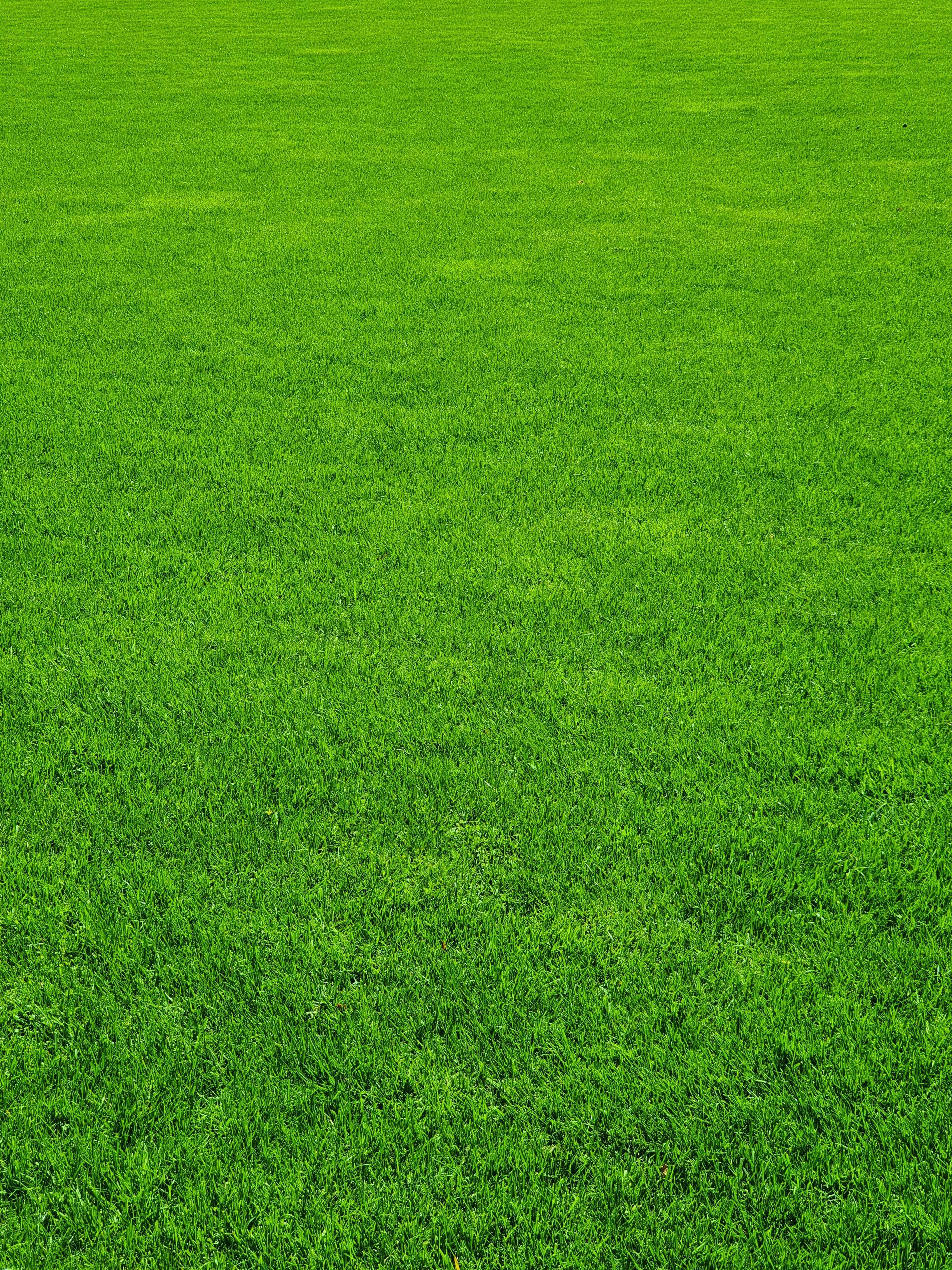
Close-up of bright green grass covering the entire frame

How to Reseed a Lawn Step by Step


Step 1: Identify Why the Lawn Failed


Start by asking what caused the damage. Is the area dry? Is it too wet? Is there foot traffic? Are pets using it? Is the soil compacted? Are weeds taking over? Is shade preventing growth? Are sprinklers missing the area?


If you do not answer this first, you may reseed the same patch every year.

Step 2: Mow and Clean the Area


Mow the existing grass shorter than normal, but do not scalp healthy turf. The goal is to help seed reach the soil, not damage the lawn further.


Remove leaves, clippings, dead grass, sticks, rocks, gravel, and other debris. Seed that cannot touch soil is much less likely to establish.


Step 3: Loosen the Soil


Lightly rake small bare areas so the seed can settle into the soil. For larger or compacted areas, aeration may help. University of Maryland Extension explains that aeration helps relieve compaction and allows air, water, and fertilizer to move into the soil.


Step 4: Choose the Right Grass Seed


Do not choose grass seed only by price. Choose seed based on sun exposure, shade, foot traffic, water availability, climate, and how the lawn is used.


A full-sun seed may struggle in shade. A delicate seed may fail in a high-traffic rental yard or commercial entry area. The right seed choice makes the rest of the lawn care routine easier.


Step 5: Spread Seed Evenly


Apply seed at the recommended rate. Too little seed leaves gaps. Too much seed can create overcrowding and weak establishment.


For larger areas, spreading seed in two directions can help create more even coverage. University of Minnesota Extension recommends spreading seed at half rate in perpendicular directions for uniform distribution.


Step 6: Lightly Rake or Cover the Seed


The seed should be in contact with soil, but not buried too deeply. Light raking can help settle seed into the surface. A thin cover may help protect moisture, but too much material can smother seedlings.


Step 7: Water Carefully


After reseeding, the seedbed should stay consistently moist without becoming flooded. Iowa State University Extension recommends frequent, light watering after seeding to keep the seedbed moist.


This is one of the most important parts of reseeding. Letting seed dry out can stop germination. Overwatering can wash seed away or create soggy conditions.


Step 8: Limit Traffic


Keep people, pets, equipment, and heavy use off the reseeded area while grass establishes. Young seedlings are fragile. If you seed a worn path and everyone keeps walking across it, the grass may never recover.


Step 9: Mow at the Right Time


Wait until the new grass is established enough to handle mowing. Use sharp mower blades and avoid mowing when the soil is wet or soft.


Once regular mowing resumes, follow the one-third rule. University Extension lawn guidance commonly recommends removing no more than one-third of the grass blade at a mowing.


How Reseeding Helps Your Lawn Care Routine


Reseeding helps your lawn maintenance work better. When turf is thick, mowing looks cleaner, edging looks sharper, weeds have less open soil to invade, and the lawn looks more uniform from the street.


A dense lawn also supports better curb appeal. This matters for homeowners, but it is especially important for commercial properties, rentals, and managed sites where first impressions affect tenants, customers, guests, and property standards.


Reseeding can also help reduce mud and dust. Bare soil becomes muddy after rain and dusty during dry periods. Turf helps stabilize the surface, especially near patios, pavers, walkways, driveways, and outdoor living areas.


Alpine Property Services often approaches weak turf by looking at the whole property, not just the grass. A bare spot near a patio may need seed. A worn walkway path may need pavers. A dry strip near asphalt may need irrigation adjustment. A recurring muddy edge may need drainage or a landscape bed. The right fix depends on why the lawn is failing.


Common Reseeding Mistakes to Avoid


The first mistake is reseeding without soil contact. Throwing seed over dead grass, leaves, or thick debris usually produces poor results.


The second mistake is ignoring irrigation. Seed needs steady moisture, and uneven sprinkler coverage creates uneven results.


The third mistake is reseeding over a weed problem without a plan. Weeds compete with new grass. Weed control and seeding must be timed carefully because some products can interfere with germination.


The fourth mistake is mowing too soon. New seedlings need time to root before being cut.


The fifth mistake is expecting grass to grow in a place where grass is not practical.


Narrow strips beside pavers, deep shade, heavy footpaths, pet zones, and hot pavement edges may need a design solution instead of another round of seed.


Reseeding Around Patios, Pavers, Decks, and Water Features


Grass often fails around outdoor features because these areas receive more traffic, more heat, and more water movement. Pavers, patios, asphalt, and concrete can hold heat.


Deck stairs can create worn landing areas. Water features can create splash or soggy edges. Walkways can funnel foot traffic into one strip of turf.


Before reseeding near a hardscape, look at how the space is used. If people naturally walk there every day, a paver path may protect the lawn better than reseeding. If sprinklers miss the edge of a patio, irrigation adjustments may be needed. If water drains into the lawn from a hardscape, drainage should be corrected first.


Good lawn care connects turf, landscaping, irrigation, patios, pavers, and property improvement decisions into one plan.


Reseeding Works Best as Part of Lawn Care


Reseeding can repair bare spots, thicken turf, improve curb appeal, reduce weed pressure, and make your lawn care routine more effective. But it works best when you identify the cause of the problem first.


Prepare the soil, choose the right seed, create seed-to-soil contact, water consistently, limit traffic, and return to mowing carefully. If the same area keeps failing, look beyond the grass and consider irrigation, drainage, soil, shade, traffic, or a better landscape design.


When reseeding is part of a complete property maintenance plan, your lawn becomes easier to maintain, better looking, and more resilient through the season.


Recent Posts

Two workers on ropes cleaning a turquoise and coral high-rise facade
By Admin August 20, 2026
Exterior maintenance services for homes and commercial properties, including lawn care, landscaping, irrigation, asphalt, snow removal, and cleanup.
Flowering shrubs with red and pink blooms in a landscaped garden bed beside a white house.
By Admin August 11, 2026
Flower bed ideas for a beautiful lawn. Learn how edging, mulch, plant choice, irrigation, patios, and lawn care improve curb appeal.
Modern wooden house with large windows and a small red sign on the lawn.
By Admin August 4, 2026
Lawn care dos and don’ts for healthier grass. Learn how mowing, watering, weed control, irrigation, edging, pavers, and seasonal cleanup affect your lawn.
Modern brick house with large windows and a black balcony, set in a grassy wooded yard
By Admin August 4, 2026
Learn the most common curb appeal mistakes property owners make, from weeds and poor edging to cracked asphalt, uneven pavers, and neglected landscaping.
Worker in blue coveralls spraying water on a grassy lawn with trees in the background
By Admin July 30, 2026
Lawn maintenance services in Montrose, Delta, and Olathe. Learn common services like mowing, edging, weed control, irrigation checks, and seasonal cleanup.
Uprooted tree and fallen branches blocking a residential street after storm, with a house nearby.
By Admin July 23, 2026
Property damage restoration service in western colorado. Learn when exterior damage needs repair, from landscaping and irrigation to asphalt and snow damage.
City skyline with high-rise apartments beside green fields and a curving road at dusk
By Admin July 23, 2026
Commercial property maintenance services in Montrose, Delta, and Olathe. Learn what to include, from landscaping and irrigation to asphalt and snow removal.
Gray interlocking brick pavers pattern with a slightly rough texture
By Admin July 14, 2026
Paver patio installation in Montrose, Delta, and Olathe. Learn why pavers are recommended, how they compare to concrete, and what to know before building.
Small waterfall cascading over mossy rocks in a lush forest
By Admin July 10, 2026
Backyard waterfalls and garden waterfalls in Montrose, Delta, and Ridgeway. Learn design ideas, placement tips, maintenance needs, and what to know before building.
Outdoor patio with wicker sofas, coffee table, and a person playing guitar under a wooden pergola.
By Admin June 28, 2026
Patio installation in Montrose, Olathe, and Ridgway. Compare patio styles, drainage needs, materials, and planning tips before you build.
Show More