Why native plants are a smart choice for a Colorado landscape
Native plants evolved in Colorado’s conditions. They are built for temperature shifts, bright sun, dry stretches, and variable soils. That does not mean they require no care, but it does mean they are often more forgiving than plants that need consistent moisture and rich soil to look good.
Better durability and fewer replacements
One of the most frustrating landscaping costs is replacing plants that never fully establish. In Delta, the combination of heat, sun, and wind can stress ornamental plants quickly. Native options tend to establish more reliably when they are planted in the right spot and watered correctly during the first season.
Water efficiency without sacrificing appearance
Native plants are often more drought tolerant once established. That can reduce summer watering demand and make irrigation schedules easier to manage. For property managers, water wise landscaping is also easier to budget because it stabilizes the amount of work needed to keep beds presentable.
A cleaner landscape that holds its shape
Some landscapes look great for one season and then slowly become messy. Native designs can be structured and intentional when they are built with layering, spacing, and clear borders. The key is design, not just plant selection.
What “native” really means and why it matters in Delta
The word “native” gets used loosely. In landscaping, it helps to think in two categories.
Native versus region adapted
Native plants occur naturally in Colorado or in your specific region of Colorado. Region adapted plants are not strictly native, but they perform well in local conditions with reasonable care. A great landscape can mix both, but if your main goal is lower maintenance, native plants are often the strongest foundation.
Microclimates change everything
Delta properties can have very different microclimates, even on the same street. Full sun front yards, shaded courtyards, wind exposed corners, and low spots that collect water will all behave differently. Native plant success depends on matching the plant to the site.
How to choose native Colorado plants for landscaping
Choosing plants by appearance alone is the fastest way to create a landscape that needs constant fixing. A better approach is to select plants based on site conditions first, then choose the best looking options that fit those conditions.
Start with sun exposure
Break the property into zones:
- Full sun areas that get intense afternoon sun
- Part shade areas that get morning or filtered light
- Shade areas under trees or on the north side of structures
Most native flowering perennials and grasses want sun. Shade zones can still be beautiful, but plant options narrow and watering habits matter more.
Understand drainage and soil behavior
Many Delta yards have areas that drain quickly and areas that hold moisture. Native plants do not all want the same conditions. Some prefer dry, fast draining soil. Others tolerate heavier soils or occasional moisture. If you place a dry loving plant in a wet pocket, it will struggle even if you water correctly.
Plan for mature size and spacing
Spacing is one of the most common reasons landscapes look “wild” instead of clean. When plants are crowded, they sprawl into each other, trap debris, and create hidden weed zones. When plants are spaced properly, the bed stays defined, airflow improves, and maintenance becomes simpler.
Native plant categories that work well in Colorado landscapes
Rather than listing dozens of specific species, it is often more useful to think in roles. A landscape needs structure, color, texture, and ground coverage. Native plant choices can fill each of these roles.
Native shrubs for structure
Shrubs anchor the design. They create year round shape and help beds look intentional even when perennials are dormant. Good shrub placement also reduces the need for constant “touch up” work because the bed has a backbone.
Native perennials for color and seasonal interest
Perennials provide the color and pollinator activity that makes a yard feel alive. When grouped in repeating clusters, they look purposeful and are easier to maintain than one off specimens scattered across the bed.
Native grasses for low maintenance texture
Grasses are a secret weapon in water wise landscaping. They bring movement, soften hard edges, and often require less pruning than many shrubs. They also help fill space in a way that looks clean when planted intentionally.
Groundcovers for weed suppression and erosion control
Groundcovers are one of the best tools for reducing weeds over time. Bare soil invites weeds. A thick living layer reduces light at the soil surface and slows weed germination. Groundcovers also help stabilize slopes and reduce erosion in problem areas.
Alpine Property Services has seen many “rock bed” installations where weeds became the main issue within a season. In most cases, the bed lacked a living layer and clear borders, so wind blown debris built up and created perfect weed soil. Adding the right groundcover zones and tightening the bed design can dramatically reduce weed pressure.
Designing a native Colorado landscape that stays clean and intentional
Native landscapes sometimes get a bad reputation for looking messy. That is almost always a design issue, not a plant issue. A clean native landscape follows a few consistent rules.
Use layers like a well built system
A polished bed often includes:
- One or two structural elements in the back or center
- Mid height perennials and grasses as the main body
- Lower plants or groundcovers near the edge
This layered approach makes the bed look planned and reduces visual clutter.
Group plants by water needs
Hydrozoning is a simple concept with a big payoff. Group plants with similar water needs together. That makes irrigation more efficient and reduces plant stress caused by overwatering or underwatering.
Define edges and borders
Clean borders are the difference between “professional” and “unfinished.” Edging, rock containment, and crisp bed lines keep the landscape from bleeding into turf areas and create a finished look.
Choose mulch or rock based on performance, not trends
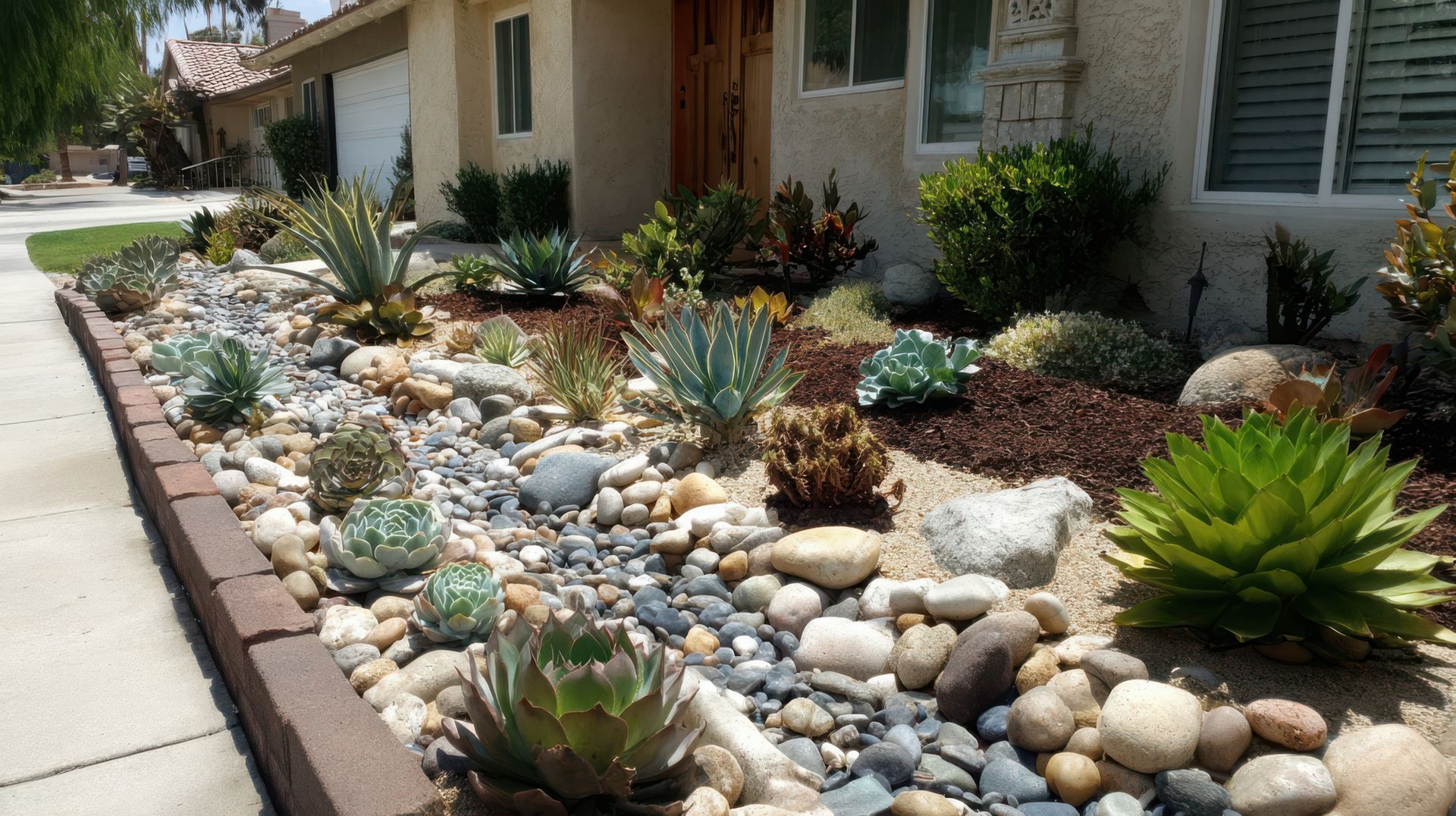
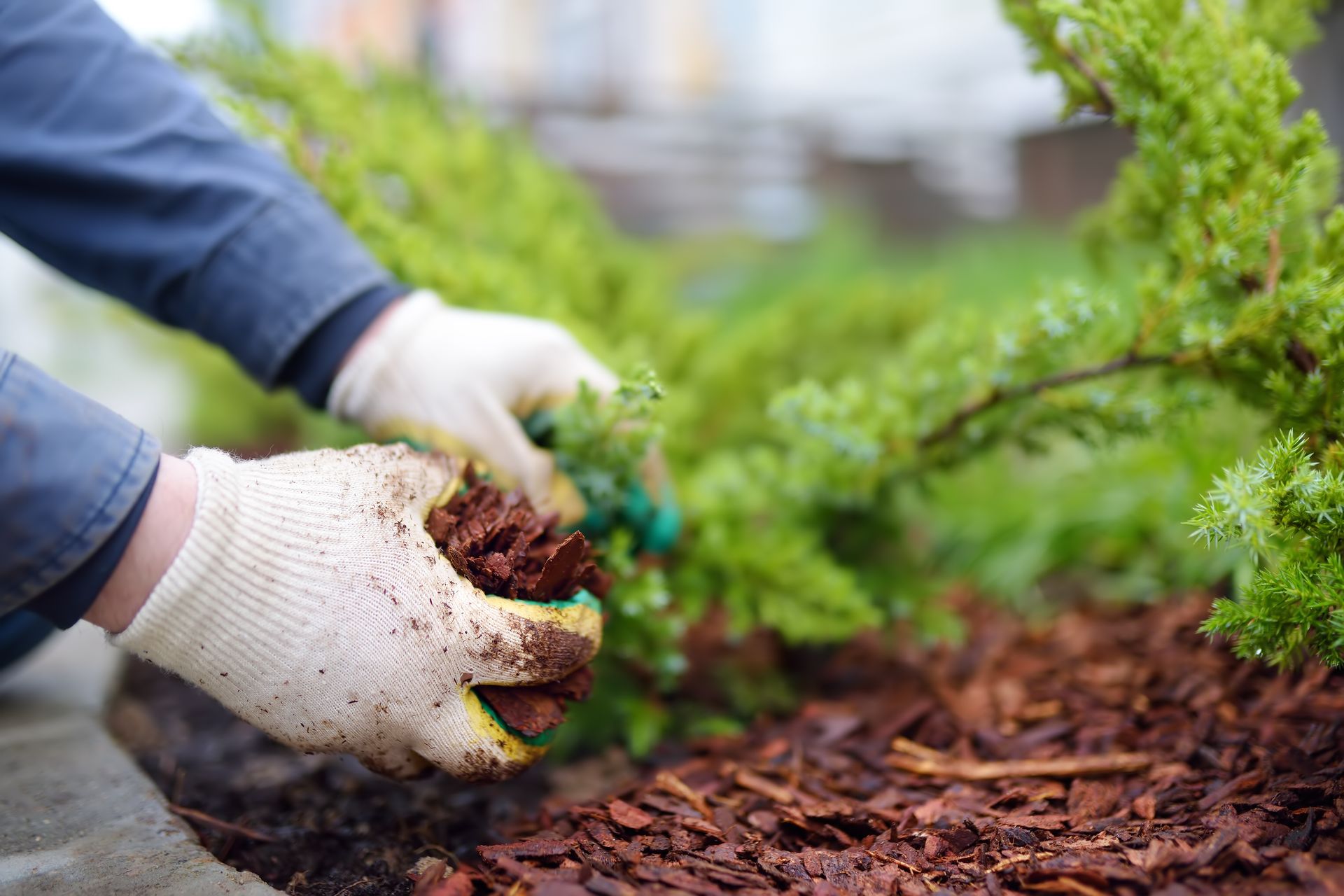
Mulch can improve soil and reduce weeds when applied correctly. Decorative rock can look sharp but often needs good weed prevention and periodic cleanup to stay clean. Either can work. The best choice depends on how the property is used and how consistent the maintenance schedule will be.
Irrigation and water efficiency for native landscaping
Native does not mean “no irrigation.” It means you can usually irrigate less once plants establish. The establishment phase is the critical part.
Establishment watering is non negotiable
Most plant failures happen in the first season. New plants need consistent moisture while roots expand. After establishment, watering can often be reduced, but you still need a plan.
Drip irrigation is often the best match for native beds
Drip irrigation delivers water to the root zone and reduces waste. It also helps keep foliage dry, which can reduce disease issues. For mixed beds with shrubs, grasses, and perennials, drip is often easier to manage than spray heads.
Avoid overwatering
Overwatering is a common cause of weak growth and weeds. Many weeds thrive in consistently moist soil. A well tuned irrigation plan supports plant health while reducing weed pressure.
Weed control and native plants
Even the best native landscape needs weed control. The goal is to reduce weeds over time, not to chase them forever.
Why weeds still appear
Weed seeds blow in. Debris collects. Bare spots open up. If weeds go to seed, they return stronger next season. A consistent approach prevents that cycle.
Strategies that actually reduce weed pressure
- Use groundcovers and dense planting to reduce bare soil
- Keep bed edges tight and defined
- Remove weeds before they seed
- Refresh mulch or surface material when it becomes mixed with debris
Weed control becomes much easier when the landscape design supports it.
Seasonal care for native Colorado plants
Native plants still benefit from seasonal attention. The difference is that the work is often simpler and more
predictable.
Spring
Spring is for cleanup, cutbacks, and checking irrigation. Removing old growth and debris helps new growth look clean. It is also the best time to address border definition before the season gets busy.
Summer
Summer care is mostly monitoring. Watch for irrigation issues, remove weeds early, and do light pruning only when needed. Over pruning can stress plants during hot weather.
Fall
Fall is about preparing the landscape to hold its shape through winter. A good fall cleanup keeps beds cleaner and reduces mess around entry areas.
Winter
Winter is planning season. This is the best time to evaluate which areas struggled, where weeds were strongest, and which upgrades would reduce work next year.
Native planting as a property improvement strategy
For many Delta properties, native landscaping is a practical property improvement because it can:
- Reduce replacement costs from plant failures
- Lower irrigation demand after establishment
- Improve curb appeal with a more consistent look
- Reduce weeds when designed with groundcovers and good borders
- Create a more resilient landscape that performs in weather swings
For property managers, it also supports predictable maintenance because the landscape is built to handle seasonal stress with fewer emergencies.
DIY native planting versus hiring a professional
DIY can work well if you enjoy planning, research, and consistent upkeep. The risks usually come from:
- Choosing plants that do not match sun and soil conditions
- Overcrowding beds
- Under watering during establishment
- Installing rock or mulch without a weed prevention strategy
Working with a professional helps align plant selection, design, and irrigation so the landscape performs the way you expect. It also helps ensure the final result looks clean and intentional, not random.
Conclusion
Choosing
native Colorado plants for landscaping is one of the best ways to build a stronger, lower maintenance
Colorado landscape in Delta.
Native plants can reduce replacement headaches, support water wise irrigation plans, and keep beds looking better with less constant work. The key is not just picking “native plants,” but designing the landscape with structure, spacing, clear borders, and a plan for irrigation and weeds.
When those pieces are in place, native planting becomes a true upgrade that improves curb appeal and makes the property easier to manage season after season.