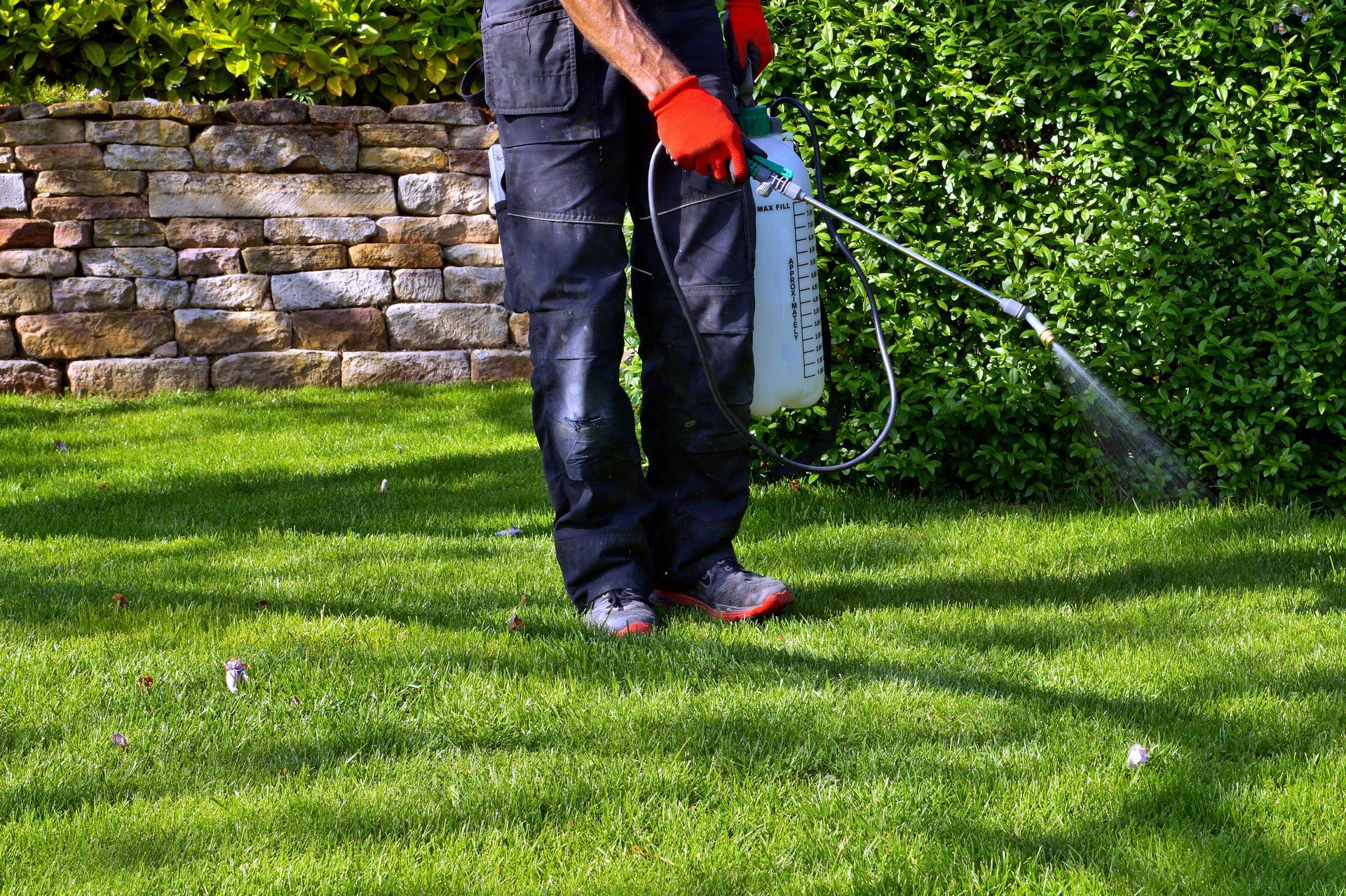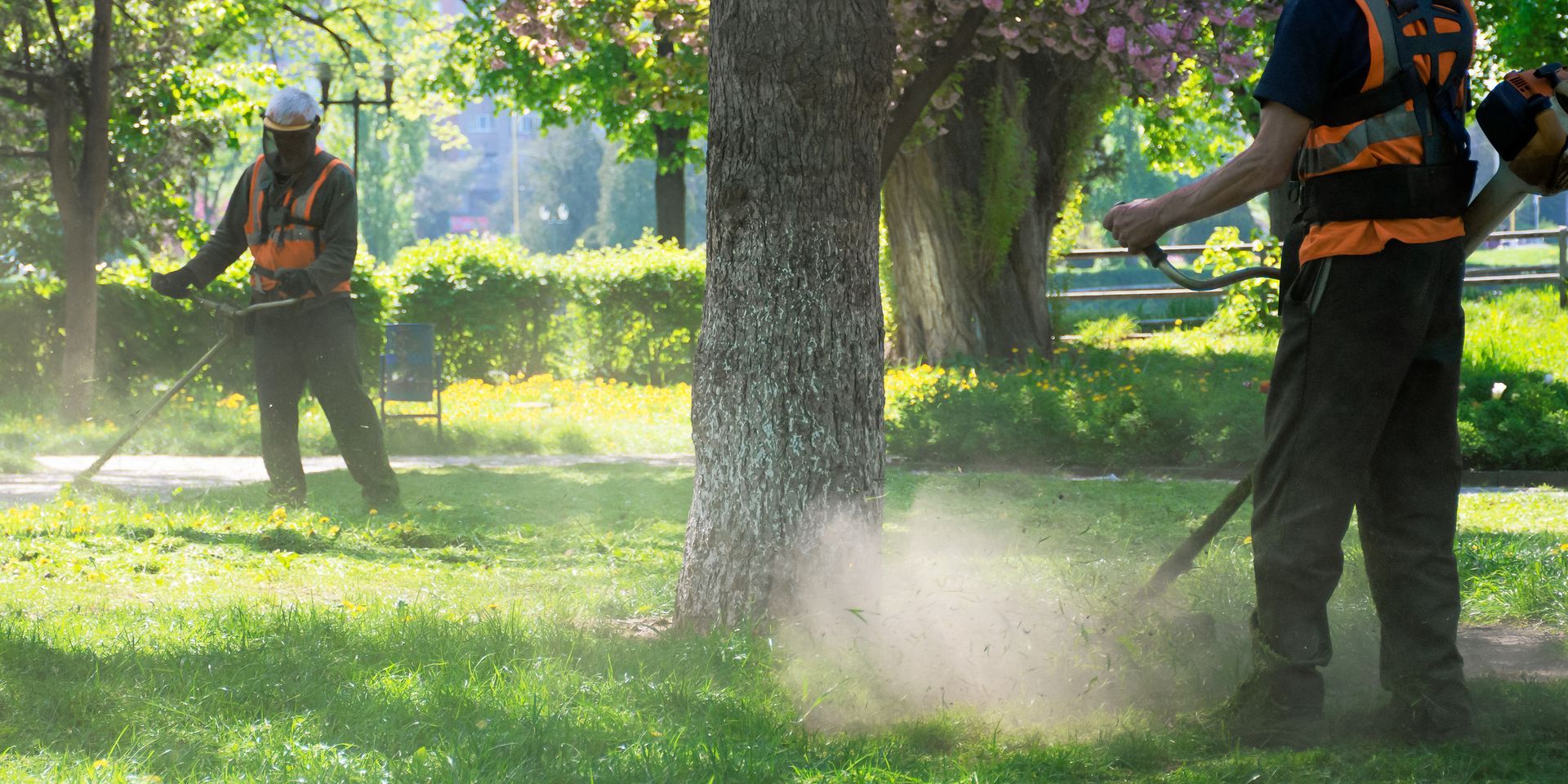

Low Maintenance Lawn Ideas | Best Substitute for Lawn in Colorado
By Admin • February 12, 2026
TL;DR- Lawn Alternatives
- A low maintenance lawn usually means less mowing, less watering, fewer weeds, and fewer seasonal repairs, not “no work at all.”
- The best substitute for lawn depends on sun, soil, drainage, and how you actually use the space.
- For many Olathe properties, the smartest approach is reducing lawn square footage and converting problem zones to low upkeep beds.
- Groundcovers, native plant beds, decorative rock, mulch zones, and selective hardscape can all replace turf when designed correctly.
- Clean borders, proper irrigation, and a realistic weed plan are what keep lawn alternatives looking intentional year round.
- A phased conversion usually costs less up front and produces better results than ripping everything out at once.
- To get a quote today call Alpine property services to find the fit for you
Low Maintenance Lawn Ideas: The Best Substitute for Lawn for Properties in Olathe, Colorado
If you are tired of constant mowing, watering, and patchy turf, choosing a low maintenance lawn approach or a practical substitute for lawn can make your property in Olathe easier to manage and better looking year round. The right solution can reduce water use, cut down weekly yard care, and still deliver clean curb appeal for homeowners and property managers. The key is choosing an option that fits your site conditions and installing it in a way that stays clean over time.
What “low maintenance lawn” really means
A low maintenance lawn does not necessarily mean you get rid of grass completely. It means you reduce the inputs that keep turf alive and presentable.
The four inputs that drive most lawn headaches
- Mowing frequency
- Watering demand
- Weed pressure
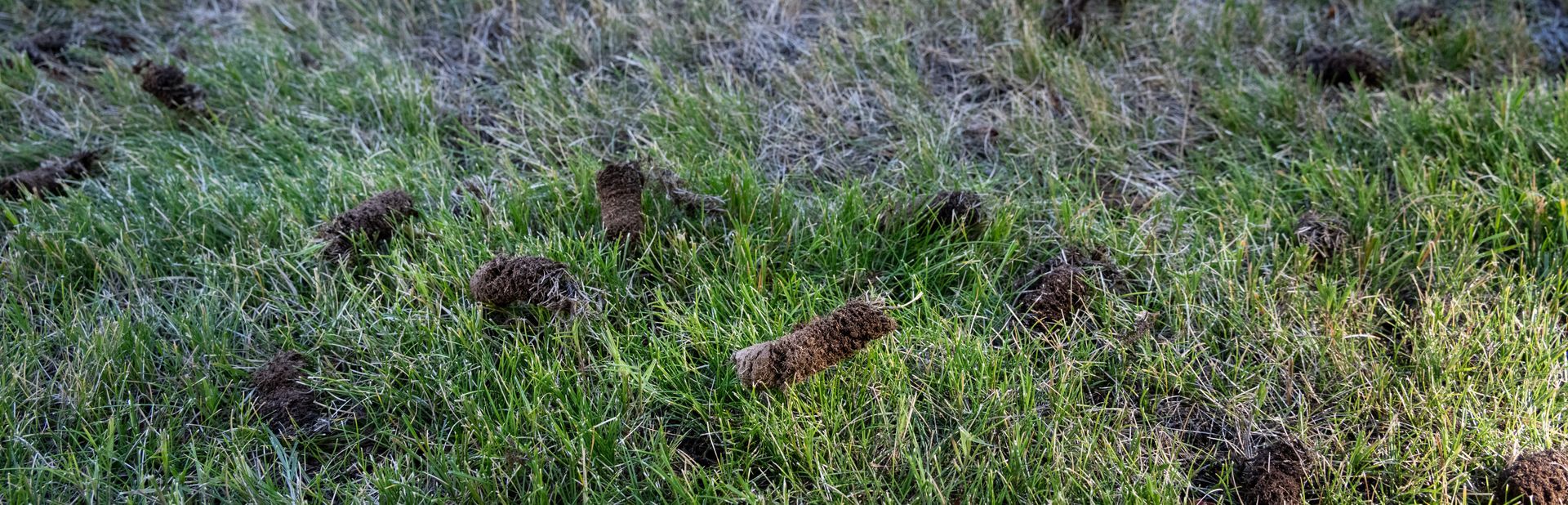
- Repair work like patching thin areas, leveling ruts, or reseeding
A low maintenance strategy targets those pain points. Some properties do that by shrinking the turf footprint. Others do it by replacing turf with landscaping that needs less weekly attention.
The tradeoff: upfront work for long term simplicity
Most substitutes for lawn have an upfront cost. That cost can be materials, installation labor, or both. The payoff comes in reduced weekly maintenance, fewer irrigation problems, and a yard that stays consistent through summer heat and seasonal swings.
Why many Olathe properties need a substitute for lawn
In Olathe, it is common to see lawns struggle in specific zones even when the rest of the yard is fine. That is why full yard conversions are not always the best first step.
Common problem areas
- Narrow side yards that are hard to mow
- Slopes that dry out and thin quickly
- Strips along fences where coverage is poor
- Hot zones near concrete that bake in summer
- Low spots where water collects and turf weakens
When these areas fail repeatedly, a substitute for lawn can reduce ongoing frustration and improve the overall look of the property.
Property managers have different priorities
For property managers, the goal is often consistency, fewer complaints, and predictable cost. A yard that needs constant touch ups creates scheduling issues and raises maintenance time. Lawn alternatives can stabilize curb appeal between service visits and reduce the weekly labor load.
The best substitute for lawn options in Olathe
There is no single best option for every property. The best choice depends on sun exposure, drainage, irrigation layout, and how the space is used. Below are the most practical lawn alternatives for Olathe.
Drought tolerant groundcovers as living lawn alternatives
Groundcovers are one of the most natural substitutes for lawn because they are still living green surface, just not turf grass.
Where groundcovers work best
- Moderate traffic areas, not heavy foot paths
- Full sun or part shade depending on the plant
- Areas where you want softness and a planted look
Why they are low maintenance
- Less mowing, often none
- Lower water demand once established
- Dense growth can reduce weeds when planted properly
What to know before choosing groundcovers
Groundcovers need good spacing and good establishment watering during the first season. They also need defined edges. Without borders, they can spread into beds or walkways. Done right, they create a clean, low profile look that reads as intentional.
Native plant beds for a cleaner, structured yard
Native plant beds are one of the best property improvement moves when turf is struggling. They can replace large sections of lawn with a design that looks higher end and requires less weekly work.
The “structured bed” approach
A clean native bed usually includes:
- A few structural shrubs for year round shape
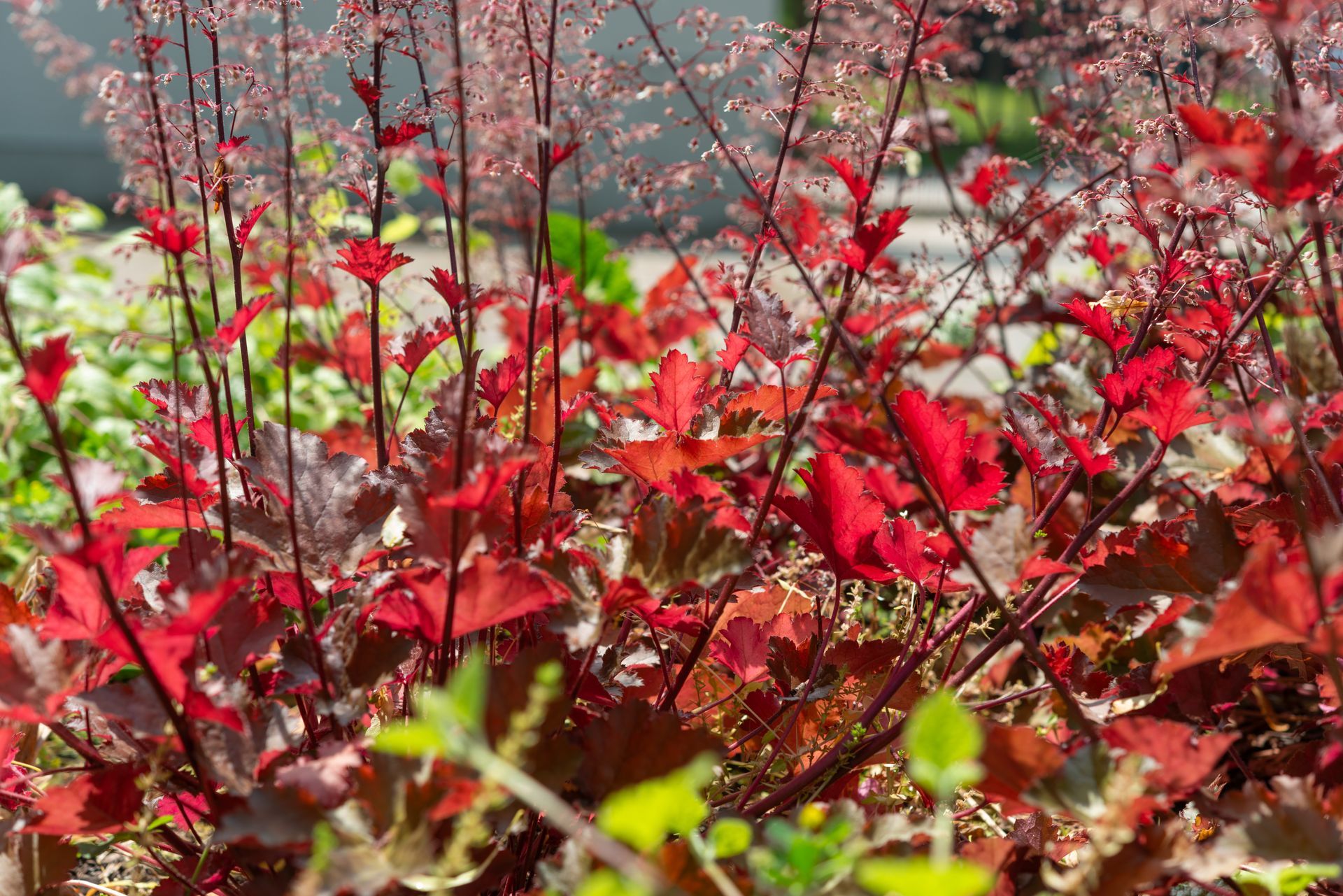
- Perennials for seasonal color
- Grasses for texture and movement
- Groundcovers or dense planting to reduce bare soil
Why this option works well in Olathe
Native and region adapted plants handle local conditions better when placed correctly. They can reduce water demand and replacement rates compared to plants that require constant moisture to look good.
Alpine Property Services often sees homeowners convert a struggling side yard into a structured bed with clean borders and drip irrigation. The most noticeable improvement is that the space stops looking like a problem area and starts looking like a finished part of the property.
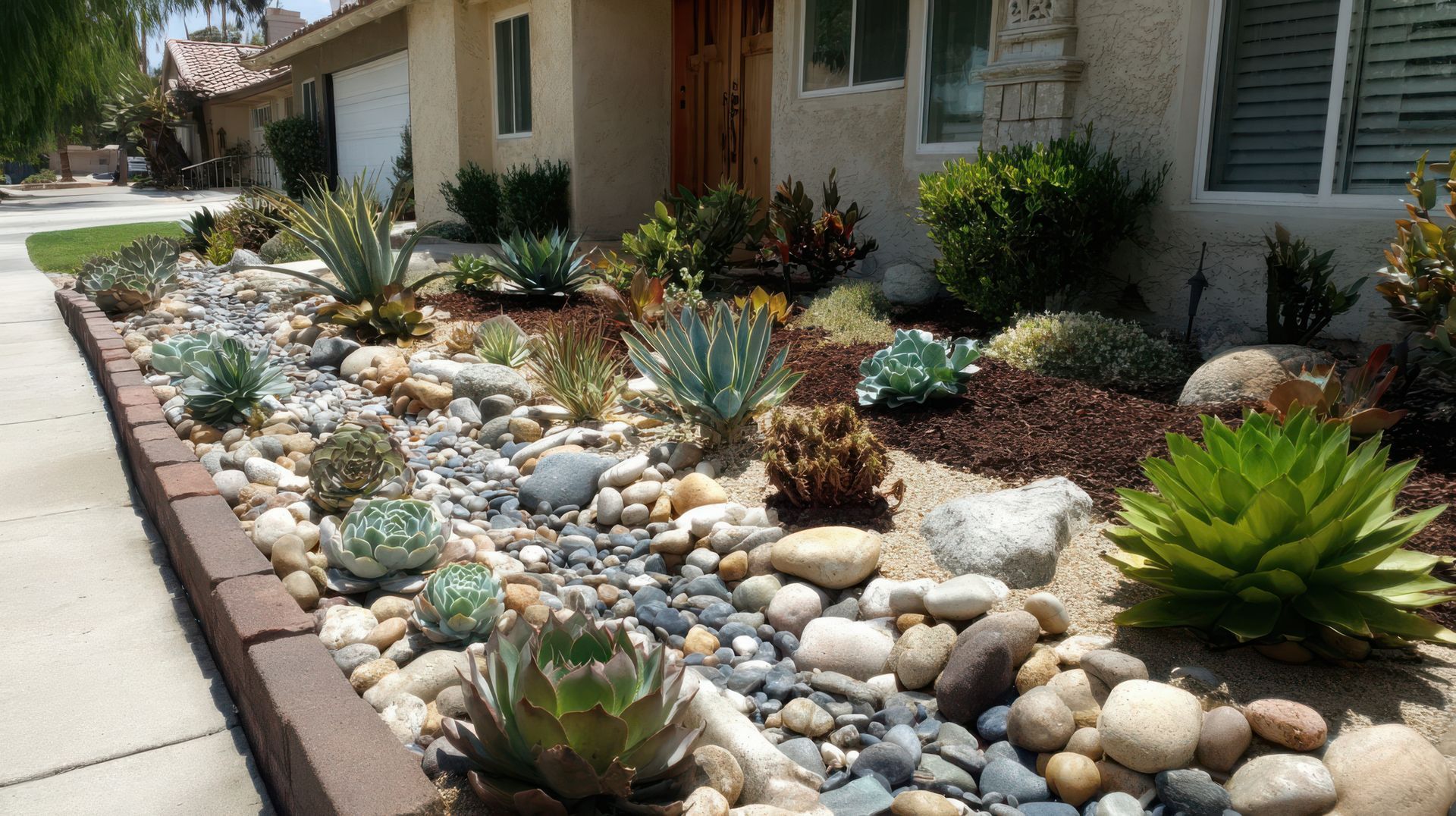
Decorative rock and xeriscape zones
Decorative rock is popular because it looks clean at install and reduces mowing. It can be a great substitute for lawn when installed correctly, but it can also become a weed magnet when installed poorly.
Keys to rock beds that stay clean
- Defined borders that keep rock in place
- Correct rock depth so the bed does not thin out
- A plan to keep debris from building up
- A realistic weed strategy, especially along edges
Common mistakes
- Using too little rock, which exposes fabric or soil
- Skipping borders, allowing rock to migrate
- Treating weed fabric as a permanent solution
- Ignoring debris buildup, which creates weed soil
Rock beds can look sharp for years, but only if you maintain the edges and prevent organic buildup.
Mulch zones for shade areas and tree rings
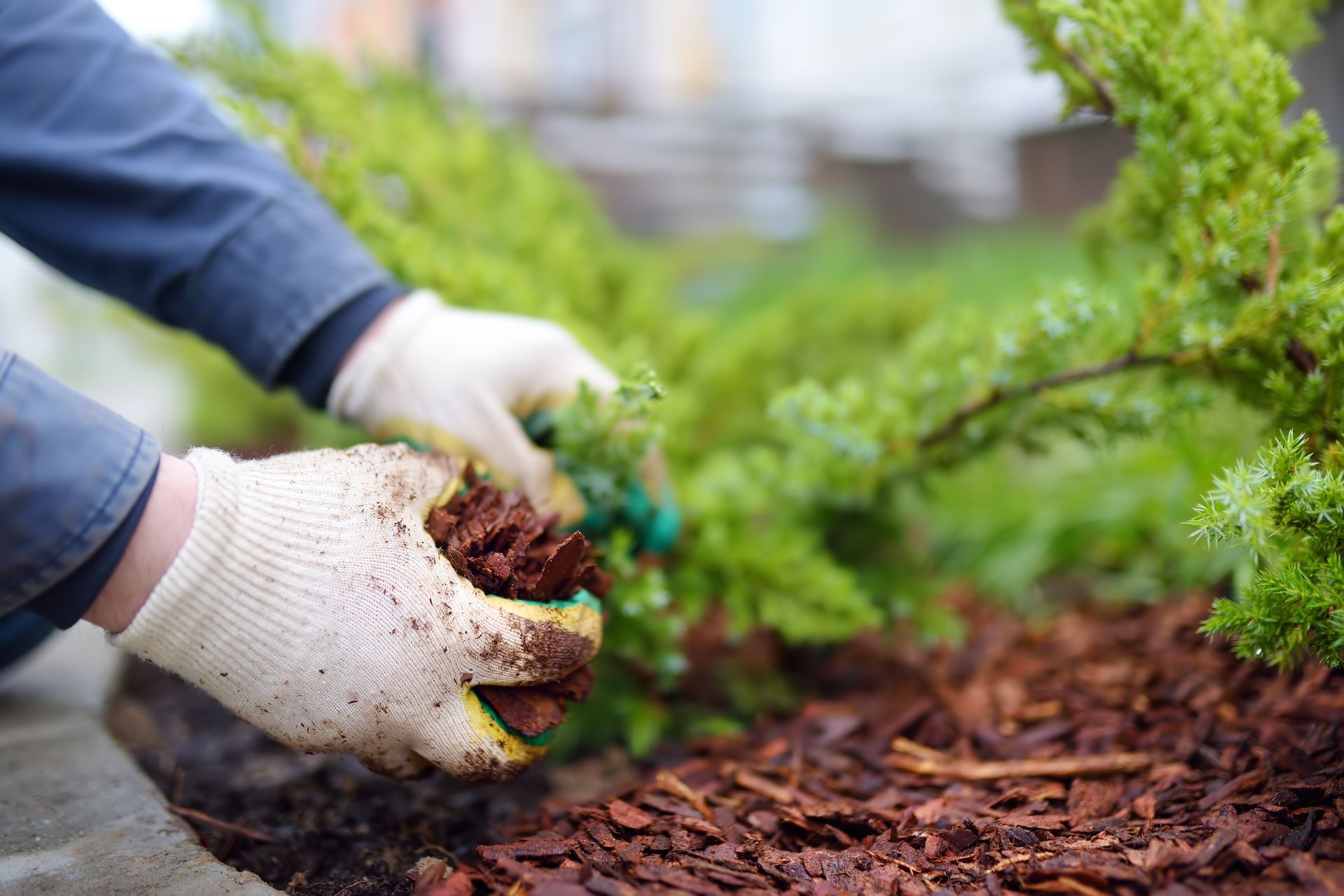
Mulch can be an excellent lawn substitute in shaded areas where grass never thrives. It is also useful around trees, where turf competes for water and roots.
Why mulch can be low maintenance
- It improves soil and holds moisture in planting beds
- It reduces weeds when applied at proper depth
- It creates a clean, finished look in shaded zones
Mulch does need periodic refresh, but it can dramatically reduce mowing and weed issues in hard zones.
Hardscape expansions that reduce turf footprint
Sometimes the best substitute for lawn is not a plant at all. If you have areas that are not being used as lawn, expanding hardscape can make the yard more functional and reduce maintenance.
Examples
- A small patio extension or seating pad
- A walkway that eliminates worn turf paths
- A gravel sitting area with defined borders
Hardscape can turn wasted lawn into useful space. It also reduces watering demand and the need for constant mowing in awkward areas.
When to keep a traditional lawn, but make it lower maintenance
Not every yard should be converted. If you use the lawn for kids, pets, or gatherings, turf can still be the best choice. The trick is shrinking it and making it easier to maintain.
Reduce lawn footprint
Keep grass where it is actually used, and convert the rest. Many properties do better with a smaller, healthier lawn than a large lawn that is constantly stressed.
Improve irrigation efficiency
Many turf problems come down to irrigation coverage. Uneven watering creates thin zones and weeds. Adjusting coverage, repairing leaks, and tuning schedules can reduce the work needed to keep turf consistent.
Build a realistic weed plan
A low maintenance lawn still needs weed control. The goal is fewer weeds over time, not perfection. Early treatment and consistent follow up prevent weeds from seeding and spreading.
Designing lawn alternatives that still look clean
A common fear is that lawn substitutes will look messy or unfinished. That is a design issue, not a category issue.
Borders are everything
Clean edging makes any lawn alternative look professional. A crisp border between turf and bed, or between rock and walkway, is what gives the property a finished look.
Use repetition and structure
The cleanest landscapes repeat plant groupings and keep the layout simple. Too many plant varieties can look chaotic and increase maintenance because each plant has different needs.
Plan access and use
Property managers should especially consider how people move through the site. If a lawn substitute blocks access or creates awkward routes, it becomes a problem. Paths, entry zones, and service access should be part of the design.
Weed control is still required, here is how to minimize it
No landscape is weed proof. The goal is reducing weed pressure to a manageable level.
Practical weed reduction strategies
- Reduce bare soil with dense planting or groundcovers
- Keep beds clean of debris that becomes soil
- Maintain crisp edges where weeds start first
- Address weeds early, before they seed
Many weed problems in rock beds are caused by debris buildup. A quick seasonal cleanup makes a big difference.
DIY versus professional installation
DIY conversions can work well for small zones if you are willing to plan carefully. The main risks are layout and long term performance.
Common DIY mistakes
- Poor edging that allows materials to migrate
- Incorrect rock depth
- Choosing plants that do not match sun and drainage
- Under watering during establishment, then overwatering later
- Creating a design that is hard to maintain
A professional plan typically pays off by starting with a site assessment, designing clean borders, and aligning irrigation with the chosen lawn substitute.
Conclusion
A low maintenance lawn does not have to mean sacrificing curb appeal. For Olathe homeowners and property managers, the best substitute for lawn often starts with converting the problem zones first, then deciding whether the full yard needs a change. Groundcovers, native plant beds, rock or mulch zones, and selective hardscape can all reduce mowing and watering while creating a cleaner, more reliable exterior. The most important factors are clean borders, correct installation, and a simple plan for irrigation and weeds. When those pieces are done right, your landscape stays sharp and easier to manage season after season.
Request A Callback Today!
Share your details and what you need—we’ll call you back by the next business day to schedule an estimate.
SHARE THIS
Latest Posts