Lawn Aeration Services in Montrose: Why a Core Aeration Service Is Key
By Admin • February 16, 2026
TL;DR
- Lawn aeration fixes compacted soil so roots can breathe and absorb water and nutrients.
- Core aeration is usually better than spike aeration because it removes plugs instead of just poking holes.
- Aeration helps reduce runoff and puddling and can improve drought tolerance over time.
- The best results come when aeration is paired with proper watering and, when needed, overseeding.
- Most lawns benefit from aeration once per year, and high traffic lawns may need it more often.
- Expect visible improvement over the next 2 to 6 weeks as the lawn responds.
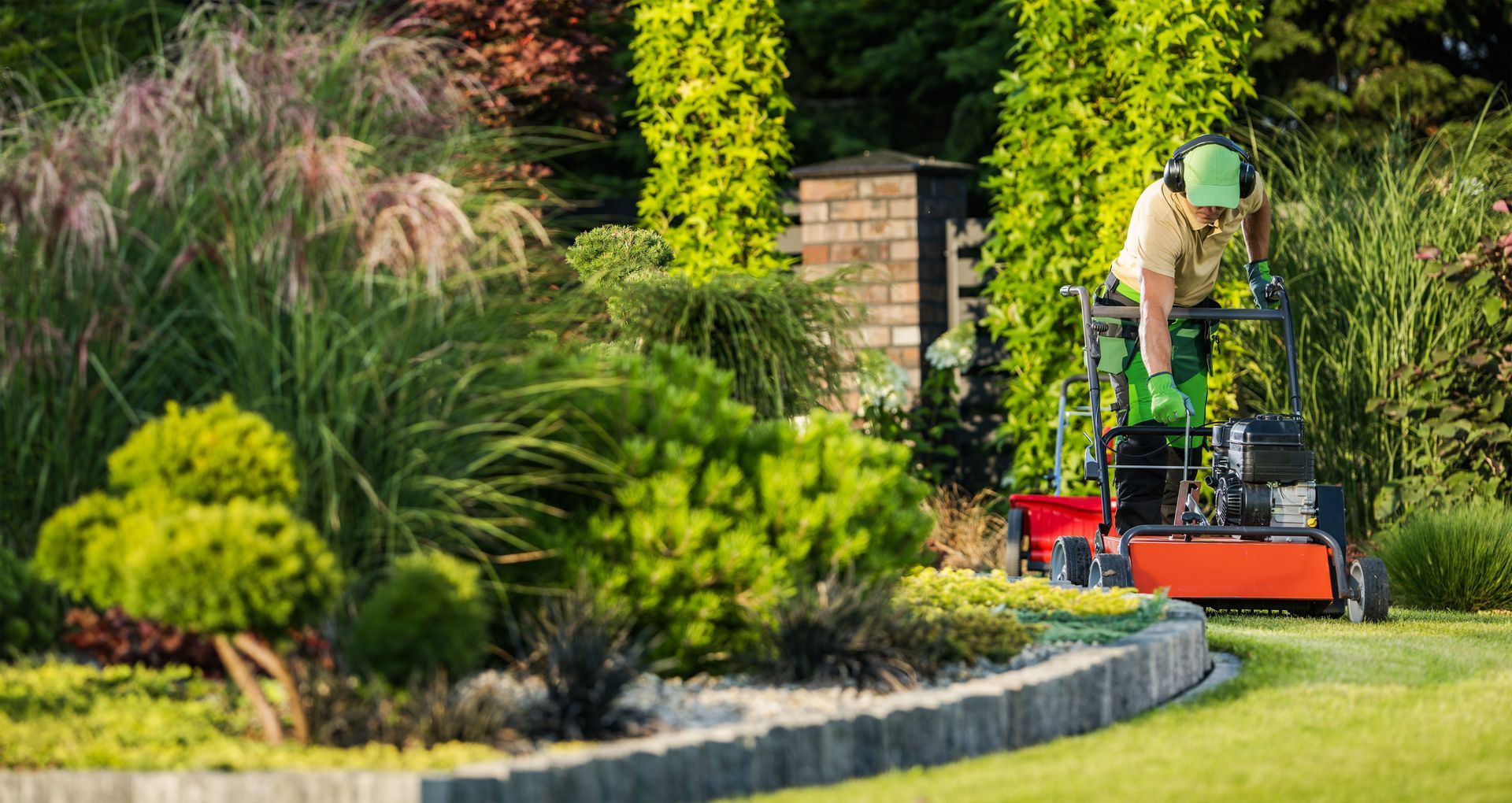
If your lawn looks thin, feels hard, or struggles with water runoff, scheduling lawn aeration services is one of the most effective ways to improve turf health in Montrose. A professional core aeration service removes small plugs of soil to relieve compaction, improve airflow to roots, and help water and fertilizer soak in where they are actually needed. For homeowners and property managers, aeration is a practical yard care step that supports a cleaner, greener lawn with fewer weeds and less patchy growth.
What lawn aeration is and how it works
Lawn aeration is the process of opening up the soil so grass roots can grow deeper and stronger. Most turf problems are not caused by the grass itself. They are caused by what is happening under the surface.
Soil compaction is the real problem
Soil becomes compacted when pressure presses the particles together. That reduces the space between them, which is where air, water, and nutrients normally move. Compaction is common in Montrose because lawns see foot traffic, pets, play areas, mowing equipment, and seasonal cycles that tighten soil over time.
When soil is compacted:
- Water has trouble soaking in and tends to run off
- Roots stay shallow because they cannot push through dense soil
- Fertilizer and nutrients stay near the surface instead of reaching the root zone
- Grass becomes weaker and more vulnerable to weeds and stress
Core aeration service vs spike aeration
There are two common aeration styles.
Spike aeration pokes holes into the ground. It can help slightly, but it often pushes soil sideways and can increase compaction around the holes.
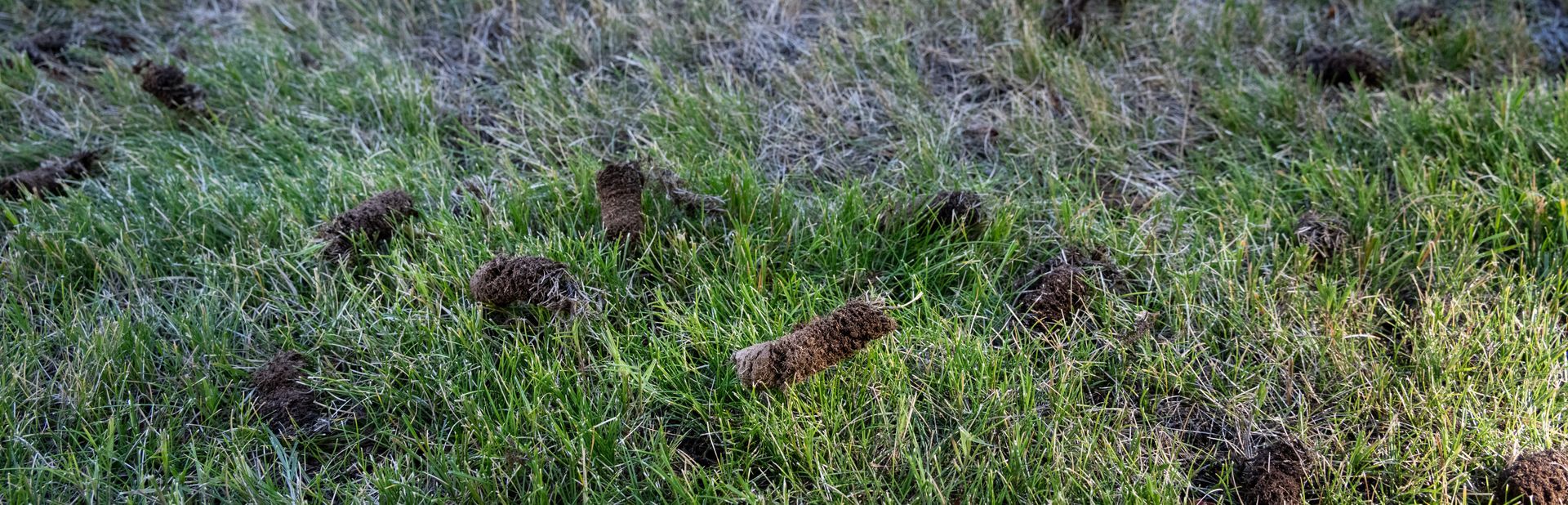
Core aeration removes plugs of soil. This is why it is usually recommended. By pulling out plugs, the soil has room to expand and loosen. Over time, the holes fill in naturally and the removed plugs break down on the surface, returning organic matter to the lawn.
Signs your Montrose lawn needs aeration
Many lawns benefit from aeration even if they look decent, but there are clear signals that aeration should be prioritized.
Water pooling or runoff
If you see puddles after watering or rain, or if water runs down the slope instead of soaking in, compaction is likely. Aeration helps restore infiltration so you get more benefit from every watering cycle.
Thin turf and bare patches
When the lawn thins, the soil is often part of the story. Shallow roots struggle in heat and dry spells. Aeration supports deeper rooting and stronger recovery.
Hard soil
If a screwdriver or garden tool is difficult to push into the ground, that is a practical sign the soil is compacted.
High traffic areas
Lawns that host kids, pets, or frequent foot traffic compact faster. Entry paths, dog runs, and play zones often need aeration more frequently than the rest of the lawn.
More weeds than grass
Weeds love stressed turf. When grass is weak and thin, weeds have space and opportunity. Aeration supports turf density, which helps the lawn compete naturally.
Alpine Property Services has seen many lawns where the owner tried more watering and fertilizer but still got thin growth and weeds. In many cases, the missing step was relieving compaction first. Once aeration was done and watering was adjusted, the lawn responded more predictably.
Why core aeration improves lawn health
Core aeration is a foundational service because it improves the environment grass roots live in.
Better oxygen to the root zone
Roots need oxygen. Compacted soil limits oxygen flow. Aeration restores airflow, which supports root growth and healthier turf overall.
Improved water absorption and less waste
When water soaks into the soil instead of running off, you can often water more efficiently. Over time, that can improve drought tolerance because deeper roots hold moisture access longer.
Nutrients reach where they matter
Fertilizer and soil amendments work best when they can move down into the root zone. Aeration creates pathways for nutrients to penetrate.
Thicker turf with fewer weeds
A thick lawn shades the soil and leaves less space for weeds. Aeration helps the lawn become denser by supporting stronger roots and more consistent growth.
Improved soil biology
Healthy soil includes microbes that break down organic matter and support nutrient availability. Compaction makes soil biology less active. Aeration helps create the conditions for a healthier soil ecosystem.
Best time for lawn aeration in Montrose, Colorado
Timing matters because you want the lawn to recover quickly and take advantage of improved soil conditions.
Fall aeration
Fall is often a strong choice because temperatures are cooler and grass can focus energy on root growth. Fall is also a common time to pair aeration with overseeding to thicken turf before winter.
Spring aeration
Spring aeration can work well when the lawn is actively growing and you want to set the tone for the season. It is especially useful if the lawn is compacted from winter conditions and early foot traffic.
What matters most
The best timing is when the lawn can recover, the soil is not overly wet, and you can follow up with proper watering. If you aerate and then let the lawn dry out completely, you lose much of the benefit.
What to do after lawn aeration
Aeration is most effective when you support it with simple follow up steps.
Water correctly
After aeration, water helps the lawn take advantage of the new pathways in the soil. The goal is steady moisture that supports root activity, not constant saturation.
Consider overseeding
If your lawn is thin, aeration is a great time to overseed. Seeds drop into the holes and make better soil contact. This can be one of the fastest ways to thicken turf and reduce weed opportunity.
Fertilize when appropriate
Many lawns respond well to fertilization after aeration because nutrients can reach the root zone more easily. The right approach depends on the lawn’s condition and the time of year.
Topdressing as an optional upgrade
Some properties benefit from a light topdressing of compost after aeration. This can improve soil structure over time and support long term turf health, especially in compacted areas.
Aeration for property managers and commercial lawns
Property managers have a different goal than a single homeowner. The goal is consistent appearance and predictable maintenance.
Reducing long term repair costs
Aeration can reduce the need for patch repairs and repeated reseeding by improving the soil environment and supporting stronger turf.
Better first impressions
Common areas, entrances, and high traffic lawn zones influence how people perceive the property. Aeration supports a thicker lawn that looks healthier and more uniform.
Scheduling and expectations
Aeration is not an instant transformation. It is a performance upgrade. Most visible improvement appears over 2 to 6 weeks, depending on weather, watering, and grass condition. Planning aeration as part of a seasonal turf plan creates the best results.
DIY aeration vs hiring lawn aeration services
DIY aeration is possible, but professional results depend on consistent coverage and proper plug depth.
Common DIY issues
- Shallow cores that do not relieve compaction
- Missed zones that stay compacted
- Equipment that is difficult to operate consistently
- Time spent transporting and returning rental machines
Professional lawn aeration services are usually more efficient and consistent, especially for larger properties or high traffic lawns.
Conclusion
A core aeration service is one of the best things you can do for a Montrose lawn that feels hard, looks thin, or struggles with runoff. Lawn aeration services relieve compaction so roots can breathe, water can soak in, and nutrients can reach the root zone. The best results come from pairing aeration with correct watering and, when needed, overseeding to thicken the turf. Whether you manage a commercial property or care for a home lawn, aeration is a practical step that improves lawn performance and curb appeal season after season.
Request A Callback Today!
Share your details and what you need—we’ll call you back by the next business day to schedule an estimate.
SHARE THIS
Latest Posts